
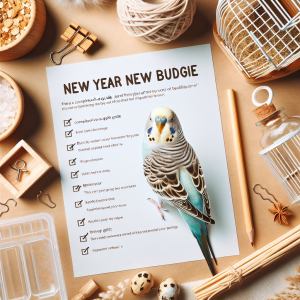
Quick Answer: Starting 2026 with a new budgie? You’ll need a quality flight cage (£150-300), food and water feeders, perches, toys, and a starter care guide. The Yaheetech Large Flight Cage (around $120-150 USD) is an excellent all-in-one solution for beginners, and pairing it with Harrison’s Adult Lifetime budgie pellets ($15-20 USD) gives you a solid nutritional foundation. Complete your setup with a comprehensive toy variety pack ($20-30 USD) and you’re ready to welcome your feathered friend into 2026.
Essential New Budgie Starter Supplies Comparison Table
| Product | Price (USD) | Best For | Key Feature | Where to Buy |
|---|---|---|---|---|
| Yaheetech Large Flight Cage | $120-150 | Primary housing for 1-2 budgies | Spacious 31″ x 20.5″ x 66″ dimensions with multiple perches | Check Price on Amazon |
| Harrison’s Adult Lifetime Pellets | $15-20 | Daily nutrition and health | Organic, pesticide-free pellets with complete nutrients | Check Price on Amazon |
| Stainless Steel Food & Water Feeders Set | $12-18 | Safe feeding and hydration | Dishwasher safe, rust-resistant, easy to clean | Check Price on Amazon |
| Natural Wood Perch Set | $10-15 | Foot health and comfort | Various diameters to promote natural foot exercises | Check Price on Amazon |
| Budgie Toy Variety Pack | $20-30 | Mental enrichment and exercise | Includes swings, bells, mirrors, and chew toys | Check Price on Amazon |
| Cuttlebone & Mineral Block Holder | $6-10 | Calcium and bone health | Clip-on design keeps supplements accessible | Check Price on Amazon |
| Cage Liner & Floor Grates | $15-25 | Easy maintenance and hygiene | Absorbent paper with washable grates | Check Price on Amazon |
| Digital Cage Thermometer | $8-12 | Temperature monitoring | LCD display with min/max temperature tracking | Check Price on Amazon |
Budget-Friendly New Budgie Setup ($150-250 USD)
If you’re starting 2026 on a tighter budget, you don’t need to compromise on your budgie’s wellbeing. Focus on the essentials: a decent cage, food, water, and basic toys. Look for mid-sized cages around $80-100 that still provide adequate space for daily flying and climbing. Pair this with quality seed and pellet mixes ($10-15) from reputable brands, simple wooden perches you can find in bundles, and DIY toy enrichment using safe household items like paper, untreated wood, and cardboard.
Budget options don’t mean cutting corners on health. Natural cuttlebones ($3-5) are inexpensive but essential, and a basic analog thermometer ($5-8) helps you monitor your bird’s environment. The key is being strategic: invest in cage space and nutrition, skip fancy accessories initially, and build your supplies gradually throughout 2026.
Mid-Range New Budgie Setup ($250-500 USD)
This tier gives you a sweet spot between affordability and quality for 2026. Invest in a proper flight cage ($120-150) with multiple natural wood perches included. Step up to premium organic pellets like Harrison’s ($15-20) supplemented with fresh vegetables and occasional millet. Add a comprehensive toy rotation system ($25-40) including swings, bells, mirrors, and foraging toys.
Mid-range setups should include quality maintenance tools: a basic water fountain ($30-50) to encourage hydration, pet-safe cage disinfectant ($8-12), and a digital thermometer with humidity tracking ($12-18). Consider pet insurance ($10-15 monthly) to protect against unexpected vet costs. This setup gives your new 2026 budgie excellent quality of life without breaking the bank.
Premium New Budgie Setup ($500+ USD)
For those committed to giving their new budgie the absolute best start to 2026, premium setups include large indoor aviaries or flight cages ($200-300+) that provide exceptional space and enrichment. Pair these with premium all-organic pellets and supplements ($20-30), fresh daily produce rotation systems, and full-spectrum UVB lighting ($25-40) for optimal health.
Premium 2026 budgie owners invest in advanced monitoring: pet cameras with night vision ($40-80), air quality monitors ($30-50), and comprehensive health monitoring kits ($20-35). Add premium toy subscription services ($15-25 monthly), top-tier cage care products ($12-18), and comprehensive pet insurance with no deductibles ($25-40 monthly). Premium setups often include professional avian vet consultations and specialized nutrition planning for optimal longevity.
Product Deep Dive: Essential Housing
Yaheetech Large Flight Cage (31″ x 20.5″ x 66″)
The Yaheetech Large Flight Cage is an ideal primary home for your new 2026 budgie. This powder-coated steel construction offers durability without the toxicity risks of some cheaper alternatives. The 31-inch depth provides adequate space for flight, while the 66-inch height accommodates multiple natural wood perches at varying heights.
- Large dimensions ideal for 1-2 budgies with active lifestyles
- Includes multiple wooden dowel perches and swing
- Slide-out tray for easy cleaning
- Locking mechanisms on doors prevent escape
- Stainless steel feeders included
- Assembly required but straightforward with included tools
Price Range: $120-150 USD
Pros:
- Excellent value for spacious flight cage
- Sturdy construction holds up to active budgies
- Multiple perches encourage exercise
- Removable base makes cleaning manageable
- Available on Amazon with quick shipping
Cons:
- Assembly takes 2-3 hours
- Included perches may need upgrading to varied diameters
- Tray can be shallow if your budgie is a messy eater
- Takes up significant space in your home
Harrison’s Adult Lifetime Organic Pellets
Starting your budgie’s 2026 with premium nutrition sets the foundation for a long, healthy life. Harrison’s Adult Lifetime pellets are the gold standard among avian nutritionists and experienced budgie owners. These organic, dye-free, and pesticide-free pellets provide complete nutrition without artificial additives.
- USDA certified organic formulation
- Contains no artificial colours, flavours, or preservatives
- Formulated specifically for adult budgerigars
- High in essential vitamins and minerals
- Can be used as sole diet or mixed with fresh foods
- Available in various pack sizes
Price Range: $15-20 USD per 1-pound bag
Pros:
- Superior nutrition compared to seed-only diets
- Reduces picky eating habits over time
- Lower waste compared to seed mixtures
- Recommended by avian veterinarians
- Long shelf life when stored properly
Cons:
- More expensive than basic seed mixes
- Some budgies are hesitant to switch initially
- Requires supplementation with fresh vegetables
- Higher initial investment but better long-term health
Comprehensive Budgie Toy Variety Pack
Mental enrichment is crucial for your new 2026 budgie’s happiness and prevents behavioral problems. A quality variety pack gives you swings, bells, mirrors, and chew toys to rotate throughout the month. Budgies are intelligent birds that get bored quickly with the same toys, so variety is essential.
- Includes swings, bells, mirrors, and wooden chew toys
- Safe materials free from toxic paints and finishes
- Multiple difficulty levels for mental stimulation
- Suitable for solo or paired budgies
- Rotation system keeps birds engaged
Price Range: $20-30 USD per pack
Pros:
- Prevents boredom and destructive behaviors
- Provides physical exercise and mental stimulation
- Good value compared to buying toys individually
- Easy to rotate for sustained interest
- Safe materials approved for pet birds
Cons:
- Some cheaper packs include low-quality toys
- Requires regular rotation to maintain interest
- Worn toys need regular replacement
- Some budgies prefer certain toy types over others
Stainless Steel Food & Water Feeder Set
Quality feeders are non-negotiable for your new budgie’s health and safety in 2026. Stainless steel feeders resist bacterial growth, don’t absorb odors, and last for years. Plastic and ceramic alternatives can harbor bacteria and break easily with active budgies.
- High-quality stainless steel construction
- Typically includes 2-4 feeders (food and water)
- Easy to attach to cage with metal clips
- Completely dishwasher safe
- Antimicrobial properties prevent bacterial growth
Price Range: $12-18 USD per set
Pros:
- Hygienic and long-lasting
- Easy to clean thoroughly
- Safe for daily use without chemical concerns
- Professional-grade quality
- Multiple feeders allow separate food and water
Cons:
- More expensive than plastic alternatives
- Can show fingerprints and water spots
- Heavier than plastic, making installation slightly harder
Natural Wood Perch Set with Varied Diameters
Your new 2026 budgie’s foot health depends on varied perch diameters. Natural wood perches with different thicknesses encourage proper foot exercises and prevent bumblefoot (a common cage bird ailment). Sets typically include 3-5 perches ranging from thin to thick.
- Multiple perches with 6mm-16mm diameter variations
- Natural wood from safe species (apple, willow, or aspen)
- Easy clip-on or screw-in installation
- Replaceable as they wear down
- No chemical treatments or coatings
Price Range: $10-15 USD per set
Pros:
- Promotes healthy foot circulation and muscle development
- Natural bark provides texture for grip
- Inexpensive replacement option
- Easy to rotate when worn
- Safe materials free from toxins
Cons:
- Eventually splinter and need replacing
- Bark can shed and create minor mess
- Some budgies prefer certain wood types
Cuttlebone & Mineral Block Holder Set
Calcium supplementation is critical for your new budgie’s bone health and egg-laying females in 2026. A quality cuttlebone holder keeps supplements accessible while preventing mess. Look for clips that securely hold cuttlebones without sharp edges.
- Stainless steel or plastic clip design
- Holds standard cuttlebones or mineral blocks
- Typically includes 1-2 holders
- Easy clip-on cage attachment
- Safe metal construction without sharp edges
Price Range: $6-10 USD
Pros:
- Essential for calcium supplementation
- Prevents cuttlebone crumbling on cage bottom
- Easy to install and remove
- Inexpensive but important addition
- Compatible with standard cuttlebones
Cons:
- Some plastic holders are flimsy
- Requires regular cuttlebone replacement
- Not all budgies use cuttlebones immediately
Your New Budgie 2026 Setup Guide: Step-by-Step
Setting up for your new budgie requires planning and patience. This step-by-step guide ensures you’re ready before bringing your feathered friend home. Follow this checklist to create an optimal 2026 home environment.
What You Need Before Bringing Your Budgie Home
- Flight cage (minimum 32 inches wide)
- Food and water feeders
- Natural wood perches in varied sizes
- Toy variety pack
- Cuttlebone and mineral block
- Cage liners or paper
- Quality pellets
- Thermometer
- Pet-safe disinfectant
- Care reference guide
Setup Steps
- Assemble the cage: Follow manufacturer instructions carefully. If using a Yaheetech Large Flight Cage, allow 2-3 hours. Ensure all bolts are tight and the structure is stable.
- Position in the home: Place your cage in a room away from kitchen (fumes), drafts, and direct sunlight for more than 4 hours daily. Ideal temperature is 65-75°F (18-24°C).
- Install perches at varying heights: Use natural wood perches of different diameters. Position the highest perch as a sleeping perch, medium perches for daily activity, and lower perches for eating. Ensure they’re secure and splinter-free.
- Add the feeder system: Mount stainless steel feeders at chest height on your budgie. Position water feeders away from food to prevent contamination. Consider adding a water fountain for encouragement to drink more.
- Install toy rotation: Start with 3-4 toys from your variety pack installed in different cage areas. Plan to rotate toys weekly throughout 2026 to maintain engagement. Store extras in a labeled box.
- Add supplements: Install the cuttlebone holder with a fresh cuttlebone, positioning it at an accessible height. Many budgies ignore cuttlebones at first but use them later.
- Prepare feeding station: Stock your primary food supply with quality organic pellets. Plan for fresh vegetables daily (dark leafy greens, orange vegetables, berries) once your budgie settles in.
- Install climate monitoring: Place your thermometer at eye level away from direct sunlight. Check readings daily during your 2026 setup phase to ensure optimal conditions.
- Set up cleaning supplies: Keep pet-safe disinfectant, cage liner paper, and cleaning tools in a designated area. Plan daily cleaning routines before your budgie arrives.
- Create a quarantine plan: Before bringing your budgie home, set up a separate quarantine cage if you have other birds. This prevents disease transmission and allows new birds to acclimate safely.
- Schedule your first vet visit: Research avian vets in your area and book an appointment for within 48 hours of bringing your budgie home. Get your bird health-checked before starting 2026 together.
Common Mistakes to Avoid When Starting with Your New 2026 Budgie
- Undersized cage: Many beginners make the critical mistake of starting with a cage that’s too small (under 30 inches wide). This immediately restricts your budgie’s movement, causes behavioral problems, and shortens lifespan. Even 2-3 budgies need a minimum 40-inch flight cage. Bigger is always better — your 2026 budgie will thank you with better health and personality.
- All-seed diet with no pellets: Feeding only seeds leads to nutritional deficiencies, obesity, and disease. Many new owners don’t realize that seeds are primarily fat and lack balanced vitamins. Switch to quality pellets like Harrison’s immediately. If your budgie resists, mix pellets gradually with familiar seeds until they accept the new diet.
- Ignoring calcium and mineral supplementation: Without proper calcium, your budgie (especially females) develops weak bones, egg-binding, and serious health complications. A natural cuttlebone ($3-5) is non-negotiable in every cage. Don’t wait for problems — supplement from day one in 2026.
- Buying plastic cages or toxic feeders: Cheap plastic cages have thin bars that budgies can break and escape through, plus they’re harder to clean and harbor bacteria. Stainless steel or quality powder-coated cages cost more upfront but last years and keep your budgie safer. Plastic feeders absorb food particles and odors — always choose stainless steel.
- Insufficient toy rotation: Leaving the same toys in the cage for months leads to boredom, depression, and behavioral issues like feather plucking. New 2026 budgies need toy variety weekly. Set a reminder to rotate toys every Sunday so your bird stays engaged and mentally stimulated.
- Not monitoring temperature and humidity: Budgies are sensitive to temperature extremes and require 65-75°F (18-24°C) with moderate humidity (40-60%). Many owners neglect to check conditions, causing respiratory issues and stress. Install a digital thermometer ($8-12) and check it daily to prevent temperature-related illnesses in your new 2026 budgie.
- Skipping initial veterinary care: New owners often delay the first vet visit, missing early signs of disease or genetic problems from poor breeding. Schedule an avian vet appointment within 48 hours of bringing your budgie home. This establishes baseline health records and catches problems before they become serious.
- Choosing the wrong location: Placing your cage in the kitchen (cooking fumes), near windows (drafts and temperature swings), or in dark corners (inadequate light) creates stress and health problems. Choose a stable, well-lit room away from hazards for your new 2026 budgie’s mental and physical wellbeing.
FAQ: Your New Budgie 2026 Questions Answered
How much should I budget for a new budgie setup in 2026?
A basic but quality setup costs $150-250 USD, including a decent flight cage ($80-120), feeders ($12-18), perches ($10-15), toys ($20-30), and initial supplies. Mid-range setups ($250-500) include better cages, premium pellets, and enrichment. Premium setups exceed $500 with aviaries, advanced monitoring, and supplements. Budget an additional $20-30 monthly for food and maintenance supplies throughout 2026.
Can I keep my new 2026 budgie in a small cage?
No. Cages smaller than 30 inches wide restrict movement, cause behavioral problems, and significantly shorten lifespan. Your new budgie needs at least a 32-40 inch flight cage to spread wings and exercise properly. Undersized cages are a false economy that leads to expensive vet bills and unhappy birds.
What’s the best food for my new budgie in 2026?
A complete diet combines high-quality pellets (60%), fresh vegetables (30%), and occasional treats (10%). Harrison’s Adult Lifetime pellets ($15-20) are the gold standard recommended by avian vets. Add daily dark leafy greens, orange vegetables, and berries. Avoid avocado, chocolate, salt, and caffeine — these are toxic to budgies.
How often should I clean my new budgie’s cage?
Daily: remove uneaten fresh food, refresh water, and spot-clean the tray. Weekly: change all cage liners, disinfect feeders and perches, and wipe down bars. Monthly: deep clean with pet-safe disinfectant. Consistent cleaning prevents bacterial growth and respiratory infections in your 2026 budgie.
Do I need an avian vet for my new budgie?
Absolutely. Avian vets have specialized training for bird health that general vets lack. Schedule a check-up within 48 hours of bringing your new 2026 budgie home, then annual wellness visits. Keep the vet’s emergency contact number handy — bird emergencies can develop quickly.
Should my new 2026 budgie have toys?
Yes, toys are essential for mental health. Bored budgies develop behavioral problems, feather plucking, and depression. Provide 4-6 toys rotated weekly including swings, bells, mirrors, and chew toys. Different budgies prefer different toys, so experiment to discover your new bird’s favorites during your 2026 journey.
Can my new budgie live with other pets?
Budgies can coexist with other birds if properly introduced in quarantine cages first. They should never be left unsupervised with cats, dogs, or other predators. If you’re bringing a new 2026 budgie into a multi-pet home, create separate safe spaces and introduce gradually under constant supervision.
What temperature is best for my new 2026 budgie?
Budgies thrive at 65-75°F (18-24°C). Temperatures below 60°F or above 80°F cause stress and health issues. Install a digital thermometer ($8-12) and monitor daily. Keep your new budgie away from heating vents, air conditioning, drafts, and direct sunlight.
How long do budgies live?
Budgies typically live 8-10 years, with some reaching 15-20 years with excellent care. Your 2026 budgie could be your companion for a decade or more. Invest in quality setup, nutrition, and veterinary care from day one to maximize your bird’s lifespan and happiness.
Should I get one or two budgies for 2026?
Solo budgies need more human interaction; pairs entertain each other but require larger cages and can be aggressive. If working long hours, two budgies (same sex, raised together) reduce boredom. Solo budgies need 2+ hours of daily human interaction. Consider your schedule before deciding.
Related Guides
Start 2026 prepared with these comprehensive budgie care guides:
- First Time Budgie Owner Guide UK 2026: Complete Beginner’s Setup, Costs & Products
- Budgie Starter Kit UK — What Do I Need? Complete 2026 Beginners Guide + Best Products
- Best Flight Cage for Budgies UK 2026: Top 7 Picks for Happy, Active Birds
- Best Budgie Pellets UK 2026: Top 7 Picks for Optimal Nutrition, Health & Happiness
- Best Budgie Avian Vet Finder Guide 2026: How to Find, Prepare & Afford Expert Bird Care
- One Budgie vs Two Budgies: Pros and Cons (2026 Complete Guide)
- Keeping Budgies in UK Weather Guide 2026: Complete Year-Round Care, Products & Temperature Control
- Budgie Insurance UK 2026: Complete Guide to Pet Insurance, Cost Protection & Peace of Mind
2026 New Budgie Checklist: Final Summary
Bringing a new budgie into 2026 is exciting but requires thoughtful preparation. Your checklist includes housing (quality flight cage $120-150), nutrition (premium pellets and fresh vegetables), enrichment (varied toys rotated weekly), and health care (avian vet visit within 48 hours). Start with a complete starter kit ($150-250) covering essentials, then upgrade gradually throughout the year as you understand your bird’s preferences.
The most successful new budgie owners in 2026 invest in quality from day one rather than upgrading later. A spacious flight cage, premium feeders, natural wood perches, and consistent enrichment create a foundation for a healthy, happy companion bird. Monitor temperature, maintain cleanliness, provide balanced nutrition, and schedule regular veterinary care. Your 2026 budgie could be your friend for 15+ years — make it a great start.
Remember: budgies are flock animals with complex social and physical needs. The small investment upfront in proper setup, quality nutrition, and veterinary care prevents costly health problems and behavioral issues down the road. Start 2026 right with your new budgie, and you’ll have a beautiful, engaging companion for years to come.