
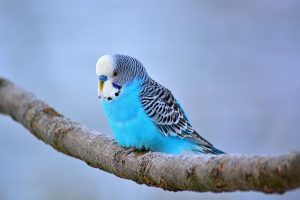
Looking for the best nutrition for your budgies? Harrison’s Adult Lifetime pellets are the gold standard at around $18-22 USD, offering complete nutrition with no artificial additives. For budget-conscious owners, Higgins InTune pellets deliver excellent value at $12-15 USD. If you want an organic option, TOP’s Organic pellets combine premium quality with natural ingredients at $16-20 USD. All three offer complete nutrition, no fillers, and are specifically formulated for budgies’ unique dietary needs.
Comparison Table: Top Budgie Pellets at a Glance
| Product | Price (USD) | Best For | Key Feature | Where to Buy |
|---|---|---|---|---|
| Harrison’s Adult Lifetime | $18-22 | Premium nutrition | Organic, no artificial dyes | Check Price on Amazon |
| Higgins InTune | $12-15 | Budget-conscious owners | Complete nutrition, affordable | Check Price on Amazon |
| TOP’s Organic | $16-20 | Organic preference | Natural ingredients, pesticide-free | Check Price on Amazon |
| Lafeber Pellets Premium | $14-18 | Picky eaters | Nutrient-dense, smaller pieces | Check Price on Amazon |
| Kaytee Forti-Diet Pro Health | $10-13 | Value seekers | Veterinarian-formulated, probiotics | Check Price on Amazon |
| Roudybush Daily Maintenance | $13-17 | Health-conscious owners | No artificial colours, balanced nutrition | Check Price on Amazon |
| Pretty Bird Premium | $15-19 | Comprehensive care | Multi-ingredient blend, essential nutrients | Check Price on Amazon |
Understanding Budgie Pellets: Why Quality Matters
Pellets have become the cornerstone of modern budgie nutrition, replacing the outdated practice of feeding only seeds. A high-quality pellet diet ensures your budgie receives consistent, balanced nutrition with all essential vitamins, minerals, and amino acids. Unlike seeds, which are high in fat and low in certain nutrients, pellets are formulated to meet 100% of your bird’s nutritional requirements.
The best budgie pellets for 2026 avoid artificial dyes, fillers, and unnecessary additives that can harm your bird’s health. When combined with fresh vegetables and the occasional treat like millet spray, quality pellets create a complete, wholesome diet that supports vibrant plumage, strong bones, and optimal energy levels.
The investment in premium pellets pays dividends in the form of healthier, happier, and longer-lived budgies. Most veterinarians and avian specialists agree that pelleted diets should constitute 60-70% of your budgie’s daily food intake, with fresh foods making up the remaining 30-40%.
Budget-Friendly Options ($10-13 USD)
Kaytee Forti-Diet Pro Health
If you’re new to budgie ownership and want to establish good nutrition habits without breaking the bank, Kaytee Forti-Diet Pro Health is an excellent starting point. This budget-friendly option delivers surprising value, with veterinarian-formulated nutrition and added probiotics to support digestive health.
Best for: First-time budgie owners, multi-bird households, those managing multiple birds on a budget
Key features:
- Veterinarian-formulated for complete nutrition
- Contains beneficial probiotics for gut health
- No artificial colours or flavours
- Balanced protein and fat content
- Available in various sizes for different budgie flocks
- Price range: $10-13 USD per bag
Pros:
- Excellent value for money
- Probiotics support digestive health
- No artificial additives
- Readily available on Amazon and major pet retailers
Cons:
- Not organic certification
- Some budgies may find the texture less appealing than premium brands
- Slightly less nutrient-dense than premium options
Higgins InTune
Another excellent budget choice, Higgins InTune balances affordability with quality, making it ideal for owners who want to avoid seeds without overspending. This American-made formula has earned trust from avian vets for decades.
Best for: Budget-conscious owners seeking trusted nutrition, transitioning birds from seed-based diets
Key features:
- American-made, avian-vet approved
- Complete and balanced nutrition
- No artificial colours, flavours, or preservatives
- Supports feather quality and health
- Easy transition from seed diets
- Price range: $12-15 USD per bag
Pros:
- Long-standing reputation in avian care
- Natural ingredients, no artificial additives
- Good palatability for most budgies
- Competitively priced without sacrificing quality
Cons:
- Not certified organic
- Less trendy than newer premium brands
- May require a transition period for seed-only birds
Mid-Range Options ($13-18 USD)
Roudybush Daily Maintenance
Stepping up in quality and price, Roudybush Daily Maintenance pellets offer a sweet spot between affordability and premium nutrition. Manufactured in the USA, these pellets are specifically designed for the daily nutritional needs of adult budgies.
Best for: Owners seeking quality without premium pricing, health-conscious budgie parents
Key features:
- USA-manufactured, consistent quality
- No artificial colours or preservatives
- Optimal calcium-to-phosphorus ratio
- Smaller pellet size suits budgie beaks
- Nutrient-dense formula
- Price range: $13-17 USD per bag
Pros:
- Excellent calcium and mineral balance
- No artificial dyes (better for long-term health)
- Consistent quality batch-to-batch
- Good value for the nutritional quality
Cons:
- Not as widely stocked as budget brands
- Slightly coarser texture than some premium options
- May be harder to find locally (online purchase often necessary)
Lafeber Pellets Premium
A mid-range favourite among experienced budgie owners, Lafeber Premium pellets are nutrient-dense and appealing even to picky eaters. The smaller pellet size is specifically designed for budgie mouth anatomy, and the formula includes fresh fruit pieces that many budgies find irresistible.
Best for: Picky eaters, owners wanting to encourage pellet consumption, those valuing ingredient transparency
Key features:
- Nutrient-dense formulation
- Includes small fruit pieces for appeal
- Smaller pellet size for budgies
- Complete amino acid profile
- No artificial colours or flavours
- Price range: $14-18 USD per bag
Pros:
- More appealing to selective budgies
- Excellent nutrient density
- Fruit inclusions add variety and palatability
- Promotes healthy feather development
Cons:
- Slightly higher cost than budget options
- Fruit pieces may clump in humid climates
- Some budgies may pick out fruit and leave pellets
Premium Options ($16-22 USD)
Harrison’s Adult Lifetime
Widely considered the gold standard in budgie nutrition, Harrison’s Adult Lifetime pellets represent the pinnacle of pelleted budgie diets. Developed by avian nutritionists and endorsed by avian veterinarians worldwide, this organic formula contains no artificial dyes, preservatives, or additives whatsoever.
Best for: Health-conscious owners, long-term budgie wellness, breeding birds, birds with sensitive digestions
Key features:
- Certified organic ingredients
- Zero artificial dyes or preservatives
- Complete amino acid profile
- Optimal nutrient balance for adult budgies
- Vacuum-sealed packaging maintains freshness
- Price range: $18-22 USD per bag
Pros:
- Highest quality ingredients available
- No artificial anything—completely natural
- Avian vet-approved and recommended
- Long shelf life due to vacuum sealing
- Supports longevity and vibrant health
- Trusted by bird rescues and sanctuaries
Cons:
- Premium price point, highest on the market
- May require transition period for birds on other diets
- Less widely available in physical stores
TOP’s Organic Pellets
Another premium choice with strong organic credentials, TOP’s Organic pellets combine organic certification with a commitment to pesticide-free, GMO-free ingredients. These pellets are an excellent choice for owners who prioritize environmental responsibility alongside their budgie’s health.
Best for: Environmentally conscious owners, those seeking certified organic nutrition, premium health-focused budgie parents
Key features:
- Certified organic ingredients throughout
- No pesticide residues or GMOs
- Sustainably sourced components
- Complete balanced nutrition
- No artificial additives or colours
- Price range: $16-20 USD per bag
Pros:
- Certified organic credentials verified
- Pesticide-free and GMO-free
- Environmental sustainability focus
- Excellent long-term health outcomes
- Mid-premium pricing more accessible than Harrison’s
Cons:
- Less widely available than Harrison’s
- May be harder to find locally
- Requires online ordering in most cases
Pretty Bird Premium
Rounding out the premium tier, Pretty Bird Premium pellets deliver comprehensive nutrition through a multi-ingredient approach. These pellets blend various nutrient sources to create a complete diet that supports all aspects of budgie health, from feather quality to bone strength.
Best for: Comprehensive care approach, birds recovering from illness, breeding stock, owners wanting maximum nutritional diversity
Key features:
- Multi-ingredient blend for complete nutrition
- Essential vitamins and minerals included
- No artificial colours or flavours
- Supports immune system health
- Promotes vibrant plumage
- Price range: $15-19 USD per bag
Pros:
- Comprehensive ingredient blend
- Excellent immune system support
- Good value at premium tier
- Supports feather and beak health
Cons:
- More ingredients mean higher complexity for sensitive birds
- Less organic certification than some competitors
- May contain some traditional additives (though no artificial dyes)
How to Transition Your Budgie to Pellets
If your budgie has been eating seeds exclusively, switching to pellets requires patience and a gradual approach. Here’s how to make the transition smoothly:
- Start by observing — Watch your budgie’s current eating habits for 3-5 days to establish a baseline. Note preferred foods and eating times.
- Introduce pellets slowly — Begin with just 10-15% pellets mixed into the regular seed diet. Starter pellet mixes can ease the transition.
- Gradually increase ratio — Over 2-3 weeks, slowly increase the pellet percentage to 25%, then 50%, then 75%, finally reaching 100%.
- Maintain consistency — Feed pellets at the same time each day in the same bowl location. Budgies respond well to routine.
- Add fresh vegetables — Incorporate fresh greens and vegetables alongside pellets. This demonstrates variety and encourages healthier eating overall.
- Be patient with picky eaters — Some budgies may take 4-6 weeks to fully accept pellets. Never force the transition; allow them to adjust at their own pace.
- Keep water fresh and clean — Ensure clean, fresh water is available at all times during the transition. Pellets require more water intake than seeds.
- Monitor weight and health — Weigh your budgie weekly using a digital bird scale to ensure they’re maintaining healthy weight during the dietary change.
- Supplement strategically — Consider adding calcium supplements during transition to ensure adequate nutrient absorption.
- Celebrate progress — When your budgie finally accepts pellets fully, you’ve accomplished a major health milestone that will benefit them for years.
What You’ll Need for a Successful Transition
- High-quality ceramic or stainless steel food bowls
- Your chosen pellet brand
- Fresh vegetables (leafy greens, broccoli, carrots)
- Digital scale for health monitoring
- Clean, fresh water daily
- Patience and consistency
Complete Nutrition: Combining Pellets with Other Foods
While high-quality pellets provide complete nutrition, the best budgie diet includes supplementary foods that add nutritional variety and enrichment. Pellets should comprise 60-70% of daily intake, with the remaining 30-40% from other sources.
Fresh vegetables (20-25% of diet): Dark leafy greens like spinach and kale, broccoli, carrots, and bell peppers provide additional vitamins and minerals. Rotate vegetables daily to maximize nutritional benefits and prevent boredom.
Healthy treats (5-10% of diet): Millet sprays and sprouted seeds provide natural nutrition, while occasional nuts (almonds, unsalted) offer healthy fats. Always supervise treat consumption.
Calcium sources (daily): Cuttlebone and mineral blocks provide essential calcium, crucial for bone health, egg production, and overall vitality. Replace these regularly as they deplete.
Foods to absolutely avoid: Chocolate, avocado, salt, caffeine, onions, and anything with artificial sweeteners are toxic to budgies and must never be offered.
Key Nutritional Requirements for Budgies
Understanding what nutrients your budgie needs helps you evaluate pellet quality effectively:
- Protein (12-16%): Essential for feather growth, muscle maintenance, and overall health. Quality pellets balance protein without excess.
- Fat (6-10%): Provides energy and supports feather health, but excess leads to obesity and fatty liver disease.
- Calcium and phosphorus (Ca:P ratio 1.5:1 to 2:1): Critical for bone strength, beak health, and egg production in breeding hens.
- Vitamins A, D3, E, and K: Support immune function, bone health, and overall vitality. Quality pellets include these in bioavailable forms.
- Essential amino acids: Budgies cannot synthesize 10 amino acids and must obtain them from diet; good pellets provide complete amino acid profiles.
- Minerals (iron, zinc, manganese, copper): Support feather pigmentation, immune function, and metabolic health.
Common Mistakes to Avoid When Choosing Budgie Pellets
- Choosing pellets with artificial dyes: Artificial food colouring has been linked to behavioural problems and long-term health issues in birds. The problem: Bright colours attract both buyers and budgies, but the dyes may affect liver function and behaviour. The fix: Choose brands specifically labelled “no artificial colours” and read ingredient lists carefully.
- Switching diets too quickly: Abruptly changing from seeds to pellets can cause digestive upset and food refusal. The problem: Budgies have sensitive digestive systems and may reject unfamiliar foods outright, leading to malnutrition. The fix: Allow 3-4 weeks for gradual transition, mixing increasing percentages of pellets into current diet.
- Buying pellets in bulk and storing improperly: Pellets can become rancid, mouldy, or lose nutritional value if stored in humid or warm conditions. The problem: Degraded pellets provide poor nutrition and may harbour harmful bacteria or moulds. The fix: Store in cool, dry locations in airtight containers, and replace stock every 3-4 months.
- Neglecting fresh water with pelleted diets: Pellets require more water intake than seeds, and inadequate water leads to impaction and kidney issues. The problem: Birds on pellet-only diets need significantly more water, and dehydration causes serious health complications. The fix: Provide clean, fresh water daily (twice daily is ideal), and consider water fountains to encourage drinking.
- Ignoring your individual budgie’s preferences: Not all budgies enjoy the same pellets, and forcing a disliked brand causes stress and malnutrition. The problem: A budgie that refuses to eat will become malnourished regardless of pellet quality. The fix: Try multiple brands, observe what your budgie enjoys, and adjust accordingly. Some birds prefer smaller pellets, while others like larger ones.
- Using pellets as the only food source: While complete and balanced, pellets alone become monotonous and lack the enrichment value of varied fresh foods. The problem: Pellet-only diets can lead to nutritional gaps and psychological boredom despite theoretical completeness. The fix: Combine pellets with 30-40% fresh vegetables, occasional treats, and mineral sources.
- Buying the cheapest option without checking ingredients: Ultra-budget pellets often contain fillers, artificial additives, and inferior ingredients that compromise health. The problem: Lowest-cost options may save money initially but cost more in veterinary care for diet-related illnesses. The fix: Invest in mid-range or premium options; the health benefits far outweigh the modest additional cost.
Storage and Freshness Tips
Proper storage ensures your pellets maintain nutritional value and safety:
- Store in airtight containers: Use glass or high-quality plastic containers with tight-sealing lids to prevent moisture absorption and oxidation.
- Keep in cool, dry locations: Store in pantries or cupboards away from direct sunlight, heat sources, and humidity. Avoid kitchens where steam from cooking can penetrate storage areas.
- Maintain consistent temperature: Fluctuating temperatures cause condensation, promoting mould growth. Ideally, store at 60-70°F (15-21°C).
- Label with purchase and opening dates: Replace unopened bags within 6-12 months and opened bags within 3-4 months of opening.
- Use vacuum-sealed packages when possible: Premium brands like Harrison’s use vacuum sealing to extend shelf life significantly.
- Check for signs of spoilage: Discard pellets showing mould, off-odours, or insect contamination immediately.
- Invest in storage solutions: Purpose-designed pet food storage containers provide optimal protection for pellet freshness.
Budgie Pellets vs Seeds: The Health Debate
While some owners still advocate for seed-only diets, modern avian veterinary medicine overwhelmingly supports pelleted diets as superior for long-term health:
Seeds nutritional profile: High in fat (15-30%), low in vitamins A and calcium, inconsistent mineral content, and prone to deficiencies if relied upon exclusively.
Quality pellets nutritional profile: Balanced fat (6-10%), complete vitamin and mineral profiles, consistent nutrition, and formulated to prevent deficiencies.
Lifespan impact: Budgies on seed-only diets average 6-8 years; those on balanced pelleted diets commonly live 10-15+ years when provided proper care.
Health outcomes: Seeds correlate with obesity, fatty liver disease, vitamin deficiencies, and poor feather quality. Pellets support lean body weight, vibrant feathers, and disease resistance.
Transitional approach: The best strategy combines high-quality pellets (60-70%) with seeds as occasional treats (0-10%), supplemented with fresh foods. This provides optimal nutrition while maintaining behavioural enrichment from foraging.
When to Consult Your Avian Veterinarian
Certain signs indicate your budgie’s diet may need adjustment or professional evaluation:
- Sudden refusal of previously accepted pellets (may indicate illness or preference change)
- Weight loss despite adequate food intake (possible malabsorption or illness)
- Feather quality deterioration (often reflects nutritional issues)
- Lethargy or reduced activity (could signal nutritional deficiency)
- Digestive issues like diarrhoea or constipation (may require diet modification)
- Changes in water intake (possible sign of dietary issue or illness)
- Reproductive issues in breeding birds (often diet-related)
Your avian vet can recommend pellet brands suitable for your specific budgie’s health status and conduct nutritional assessments to ensure optimal diet composition.
Related Guides
Explore these comprehensive guides for complete budgie care information:
- Budgie Starter Kit UK — What Do I Need? Complete 2026 Beginners Guide + Best Products
- First Time Budgie Owner Guide UK 2026: Complete Beginner’s Setup, Costs & Products
- Best Cuttlebone for Budgies UK 2026: Top 7 Picks for Calcium, Beak Health & Strong Bones
- Best Millet Spray for Budgies UK 2026: Top Brand Comparison & Expert Guide
- Best Budgie Calcium Supplement Under $15: Top Picks for Strong Bones & a Healthy Bird
- Best Budgie Food Bowl Reviews 2026: Top Picks for Happy, Healthy Feeding
Frequently Asked Questions About Budgie Pellets
What percentage of my budgie’s diet should be pellets?
High-quality pellets should comprise 60-70% of your budgie’s daily food intake. The remaining 30-40% should come from fresh vegetables (20-25%), treats like millet sprays (5-10%), and calcium sources from cuttlebone or mineral blocks (daily). This balanced approach provides complete nutrition while maintaining feeding enrichment and behavioural stimulation.
How long do budgie pellets stay fresh once opened?
Most pellets remain fresh for 3-4 months after opening if stored properly in airtight containers in cool, dry conditions. Premium brands like Harrison’s, with vacuum sealing, may last slightly longer. Always check for mould, off-odours, or insect contamination before use. Airtight storage containers extend freshness and maintain nutritional value effectively.
Can I mix different brands of pellets together?
Yes, mixing brands is safe and can actually benefit your budgie by providing more diverse nutrition. Many experienced owners mix premium and budget brands to balance cost and nutrition. The key is ensuring the combined mixture still meets complete nutritional requirements and monitoring your budgie’s response. Gradual transitions between brands prevent digestive upset.
Why is my budgie refusing the pellets I’ve bought?
Pellet refusal often stems from individual preferences regarding pellet size, texture, or colour. Some budgies prefer smaller pellets, while others like larger ones. Try alternative brands to find what your bird enjoys. You can also enhance appeal by mixing in small pieces of their favourite fresh vegetables or slightly warming the pellets. Patience and persistence usually succeed within 4-6 weeks.
Do organic pellets provide better nutrition than conventional ones?
Organic certification guarantees pesticide-free and GMO-free ingredients, which is valuable, but doesn’t necessarily mean superior nutrition compared to quality conventional brands. Both Harrison’s organic pellets and TOP’s organic options provide excellent nutrition. Choose based on your priorities: if pesticide exposure concerns you, organic is worth the premium; if nutritional balance is primary, some conventional premium brands perform equally well.
Should I supplement pellets with additional vitamins?
High-quality pellets provide complete vitamins and minerals, so additional supplementation isn’t necessary for healthy budgies on a balanced diet. However, birds recovering from illness, breeding hens, or those on transitional diets may benefit from temporary vitamin supplementation. Always consult your avian vet before adding supplements, as excess certain vitamins (particularly A and D) can be toxic.
How do I know if a pellet is truly complete and balanced?
Look for pellets with AAFCO (Association of American Feed Control Officials) certification statements claiming “complete and balanced nutrition for adult birds” or similar language. Check ingredient lists for vitamin A, D3, E, and K, plus minerals like calcium, phosphorus, and zinc. Consult the guaranteed analysis panel for protein (12-16%), fat (6-10%), and fibre content. When in doubt, ask your avian veterinarian whether a specific brand meets your budgie’s nutritional needs.
Can pellets cause allergies in budgies?
True pellet allergies are rare in budgies, but sensitivities to specific ingredients can occur. Birds with digestive upset after diet change may have temporary adjustment issues rather than true allergies. If your budgie consistently shows signs like vomiting, diarrhoea, or feather plucking after introducing specific pellets, try alternative brands and consult your avian vet to rule out other causes.
Are pellet mixes (with seeds and dried fruit) as good as plain pellets?
Pellet mixes provide variety and enrichment value, making them appealing to selective eaters and beneficial for psychological stimulation. However, they often contain higher fat seed components and may encourage selective eating where birds pick out preferred items. For optimal nutrition, choose plain high-quality pellets supplemented with fresh vegetables and occasional treats separately, giving you better control over nutritional ratios.
What’s the best way to introduce pellets to an adult budgie currently eating seeds only?
Begin by offering a small bowl of pellets daily alongside normal seed diet. Over 2-3 weeks, gradually increase pellet percentage (aiming for 10% week 1, 25% week 2, 50% week 3, 75% week 4, and 100% by week 5). Place pellets in easily accessible locations and offer at times when your budgie eats most. Some budgies transition within days; others require 6+ weeks. Maintain patience, celebrate small progress, and avoid forcing the change. Ensure abundant fresh water throughout the transition period.
Making the Right Choice for Your Budgie
Selecting the best budgie pellets involves balancing quality, cost, and your individual bird’s preferences. Start with your budget tier—whether that’s the affordable budget options under $13, the solid mid-range choices around $13-18, or the premium formulations above $16. Within your chosen tier, prioritize brands with clear ingredient transparency, no artificial additives, and positive veterinary endorsement.
Remember that the “best” pellet is ultimately the one your budgie will eat consistently while supporting excellent long-term health. Harrison’s Adult Lifetime sets the gold standard if budget allows, but Higgins InTune, Roudybush, and Kaytee Pro Health offer excellent value and results at lower price points. What matters most is making the transition to a pelleted diet and maintaining it as the foundation of your budgie’s nutrition.
Monitor your budgie’s weight, feather quality, energy levels, and overall health after switching to pellets. Regular weigh-ins using a digital bird scale and annual avian veterinary check-ups ensure your chosen pellet diet supports optimal wellness. With proper nutrition established through quality pellets, you’re setting your budgie up for a long, vibrant, and happy life together—and that’s an investment worth making.