
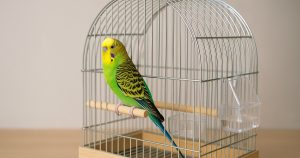
How to Set Up a Budgie Quarantine Cage: Complete 2026 Guide + Best Products
Quick Answer
The best all-round quarantine cage setup for budgies uses a HQ Flight Cage ($49–$65) or a smaller Prevue Hendryx Travel Cage ($25–$35) as the base, paired with a digital thermometer/hygrometer combo ($10–$18) to monitor conditions and basic disposable liners for hygiene. For most bird owners bringing home a new budgie or isolating a sick bird, the Prevue Hendryx Small Bird Cage is our top recommendation — it hits the sweet spot of affordability, easy cleaning, and appropriate bar spacing for budgies.
Setting up a proper quarantine cage is one of the most important — and most overlooked — steps in responsible budgie ownership. Whether you’re introducing a new bird to a home with existing budgies, or isolating a sick bird for recovery, a well-prepared quarantine space can literally save lives. This guide walks you through every product you need, the correct setup process, and the most common mistakes to avoid in 2026.
Before we dive in, if you’re still choosing your permanent cage, check out our Best Budgie Cages 2026 buyer’s guide for full recommendations. But for now, let’s focus on quarantine — a temporary but critical setup.
Quarantine Cage Comparison Table
| Product | Price (USD) | Best For | Key Feature | Where to Buy |
|---|---|---|---|---|
| Prevue Hendryx Travel Cage | $25–$35 | Budget buyers, short quarantines | Lightweight, easy to clean, carrying handle | Check Price on Amazon |
| HQ Flight Cage (Small) | $49–$65 | Best all-round quarantine cage | Removable tray, slide-out bottom, 1/2″ bar spacing | Check Price on Amazon |
| Yaheetech Budgie Starter Cage | $38–$55 | First-time owners needing accessories included | Comes with perches, food bowls; pull-out tray | Check Price on Amazon |
| AmazonBasics Small Animal Cage | $30–$45 | Budget-conscious multi-bird households | Sturdy wire construction, removable tray | Check Price on Amazon |
| Inkbird Digital Thermometer/Hygrometer | $12–$18 | Temperature & humidity monitoring | Wireless probe, min/max memory, alarm alerts | Check Price on Amazon |
| Zoo Med Aviansun Deluxe Floor Lamp | $55–$75 | Sick or recovering birds needing full-spectrum light | Full-spectrum UVB light, adjustable height | Check Price on Amazon |
| Preen & Clean Bird Cage Disinfectant Spray | $10–$15 | Daily cage disinfection during quarantine | Bird-safe formula, kills bacteria & fungi | Check Price on Amazon |
| Kaytee Clean & Cozy Bird Cage Liner | $8–$14 | Easy waste monitoring & daily changes | Disposable, super-absorbent, clear droppings view | Check Price on Amazon |
Quarantine Cage Options by Budget
Budget ($20–$40): Practical, Functional & Easy to Clean
If you’re setting up a temporary quarantine and want to keep costs low, you don’t need to spend much. The Prevue Hendryx Travel Cage ($25–$35) is a solid option — it’s light, easy to disinfect, and the bar spacing is safe for budgies. Pair it with a pack of disposable cage liners ($8–$12) and a basic digital thermometer, and you have everything needed for a safe 30-day quarantine. This tier is ideal for first-time owners or those who only occasionally introduce new birds.
Mid-Range ($40–$70): Better Space, Better Monitoring
The mid-range sweet spot is the HQ Flight Cage ($49–$65) or the Yaheetech Starter Cage ($38–$55). These offer more room for a bird under stress, better ventilation, and easy-clean slide-out trays. Add an Inkbird digital thermometer/hygrometer ($12–$18) and a bird-safe disinfectant spray ($10–$15) to round out the setup. This tier suits multi-bird households or anyone bringing in birds regularly.
Premium ($70–$130+): Full Sick Bay / Recovery Setup
For a proper sick-bird recovery station, invest in a quality cage, a Zoo Med Aviansun Full Spectrum Lamp ($55–$75), a supplemental heat lamp ($20–$30), and a reliable thermometer with alarm ($15–$25). You might also want a small HEPA air purifier ($40–$60) to keep the quarantine room air clean — especially important if you’re dealing with a respiratory illness. See our full guide on best budgie air purifiers for more.
Product Deep Dives
Prevue Hendryx Travel & Training Cage
Best for: Budget buyers, short quarantine periods (under 3 weeks), travel or vet visits
Price range: $25–$35
- Compact dimensions (approx. 20″ x 12.5″ x 15.5″)
- 1/2″ bar spacing — safe for budgies
- Carrying handle for easy transport
- Two plastic cups included
- Removable bottom tray for fast cleaning
Pros:
- Very affordable — great for occasional use
- Lightweight and easy to move between rooms
- Simple to disinfect fully between uses
- Bar spacing is correct for budgies
Cons:
- A bit small for a 30+ day quarantine
- Limited perch options out of the box
- Plastic tray can stain over time
HQ Flight Cage (Small)
Best for: Full 30-day quarantine, multi-bird households, owners who want a reusable long-term option
Price range: $49–$65
- Dimensions approx. 24″ x 16″ x 28″ — generous space for one or two budgies
- 1/2″ horizontal bar spacing
- Slide-out metal tray and removable grill
- Four stainless steel cups included
- Front and top access doors
Pros:
- Excellent size for a full quarantine period
- Easy full disinfection — trays and grill remove completely
- Durable enough for multiple uses
- Good ventilation on all four sides
Cons:
- Slightly heavier than travel cages
- Takes more storage space when not in use
- Assembly required
Inkbird IBS-TH2 Digital Thermometer & Hygrometer
Best for: All quarantine setups — monitoring temperature and humidity is non-negotiable
Price range: $12–$18
- Wireless Bluetooth sensor with smartphone app
- Measures temperature (32°F–140°F) and humidity (0–99% RH)
- Min/max memory logging
- App-based alerts when values go out of safe range
- Small, clip-mountable sensor
Pros:
- Incredibly affordable for wireless monitoring
- App alerts mean you don’t have to check constantly
- Works inside or outside the cage
- Accurate to ±1°F / ±3% RH
Cons:
- Bluetooth range limited to ~100 feet
- Requires smartphone and app
For a full review of thermometer options for bird cages, see our Best Budgie Thermometer Guide.
F10SC Veterinary Disinfectant (Bird-Safe)
Best for: Deep-cleaning quarantine cages between uses and daily sanitising
Price range: $15–$25
- Veterinary-grade broad-spectrum disinfectant
- Kills bacteria, fungi, viruses, and spores
- Dilutable concentrate — one bottle makes gallons
- Bird-safe when dry
- No harmful fumes or residue
Pros:
- Used by avian vets worldwide
- Very cost-effective as a concentrate
- Genuinely kills pathogens (not just surface bacteria)
- Safe around birds when used as directed
Cons:
- Must be diluted correctly
- Less widely available in stores vs. Amazon
Zacro Reptile Heat Lamp (60W, Adjustable Clamp)
Best for: Sick or weakened budgies who need supplemental warmth
Price range: $18–$28
- 60W ceramic/infrared bulb
- Adjustable clamp attachment — clips to cage easily
- On/off switch with safety guard
- Maintains ambient temperatures around 80–85°F (27–29°C) when needed
Pros:
- Great for ill birds that need to stay warm
- Adjustable position lets you create a thermal gradient
- Very affordable
Cons:
- Must be monitored with a thermometer to avoid overheating
- Not necessary for healthy birds in a warm room
For more on heat lamp options, our Best Budgie Heat Lamp Under $30 guide covers the top picks in detail.
Nekton-S Multi-Vitamin Supplement for Birds
Best for: Supporting immune health during quarantine, especially in newly purchased or recovering birds
Price range: $14–$22
- Water-soluble powder — easy to add to drinking water
- Contains 13 vitamins, 18 amino acids, and minerals
- Specifically formulated for pet birds including budgies
- Supports feather condition, energy, and immunity
Pros:
- Highly recommended by avian vets for new birds
- Easy to dose accurately
- Helps birds recover from the stress of transport and rehoming
Cons:
- Must be used fresh — don’t leave dosed water in the cage for more than a few hours
- Not a replacement for veterinary care if illness is suspected
See our full list of Best Budgie Vitamin Supplements Under $20 for more options.
How to Set Up a Budgie Quarantine Cage: Step-by-Step Guide
A proper quarantine cage setup takes about 30–45 minutes to prepare, but protects your existing birds — and your new arrival — from potentially fatal disease transmission. Follow these steps carefully.
What You Need
- A clean quarantine cage (never the main cage)
- Disposable cage liners — change daily
- Digital thermometer/hygrometer
- Bird-safe disinfectant spray or concentrate
- 1–2 plain wooden perches
- Separate food and water dishes (never use dishes from the main cage)
- Vitamin supplement (optional but recommended)
- Heat lamp if the room is below 68°F/20°C
- A separate set of cleaning cloths/tools — never shared with the main cage
-
Choose the Right Room
Place the quarantine cage in a separate room — ideally one with a door that closes. The quarantine area should be at least 10–15 feet away from your main bird cage, and ideally in a different air circuit. Avoid rooms with drafts, direct air conditioning vents, or non-stick cookware (PTFE fumes are deadly to birds). The room should be quiet, low-stress, and maintain a temperature between 68°F–75°F (20°C–24°C).
-
Fully Clean and Disinfect the Quarantine Cage
Even a brand-new cage should be washed before use. Use warm water and a bird-safe disinfectant, rinse thoroughly, and allow to dry completely. If the cage is second-hand, soak all parts and sun-dry where possible. Never use bleach-based cleaners without a thorough rinse — chlorine fumes are harmful to birds.
-
Line the Bottom with Fresh, Disposable Liners
Lay down 5–7 layers of disposable cage liner paper. This serves two purposes: easy daily removal (just peel off the top layer), and clear visibility of droppings — a key health indicator during quarantine. Avoid gravel paper, which can cause digestive issues if ingested. During quarantine, monitoring your budgie’s droppings daily is essential — see our Budgie Poop Colour Chart to know what’s normal.
-
Install a Thermometer and Monitor Daily
Mount your digital thermometer/hygrometer at cage height — this gives you an accurate reading of what your bird is actually experiencing. Target 68°F–75°F with 40–60% humidity. If the room gets cooler at night, a supplemental heat lamp can prevent dangerous temperature drops. Check readings at least twice daily.
-
Add Minimal, Dedicated Accessories
Place 1–2 plain wooden perches at different heights. Add separate food and water dishes — never use items from your main cage. A simple stainless steel water dish is easiest to clean. Keep accessories minimal — avoid dense toys or nesting materials that harbour pathogens. A single foraging toy is fine to reduce stress, but save the full enrichment setup for after quarantine is complete.
-
Introduce the New Bird Calmly
Place the new bird into the quarantine cage immediately upon arriving home — before it has any contact with your existing birds or their environment. Dim the lights, keep noise low, and let the bird settle for a few hours before interacting. Offer fresh water with a few drops of vitamin supplement to help the bird recover from transit stress.
-
Maintain a Strict Daily Cleaning Routine
Every day during quarantine:
- Peel and replace the top cage liner layer
- Wash food and water dishes with hot water and bird-safe soap
- Check droppings for colour, consistency, and volume
- Note any sneezing, tail-bobbing, discharge, or abnormal behaviour
- Record your observations — this log is useful for any vet visit
-
Maintain Quarantine for a Full 30–45 Days
This is the part most people rush — and it’s a serious mistake. Many diseases (including Psittacosis and Avian Gastric Yeast) have incubation periods of up to 30 days. A 30-day minimum quarantine is the standard recommendation from avian vets. During this time, wash your hands thoroughly before and after handling the quarantine bird, and change clothes if you’ve been in close contact before approaching your main flock.
-
Schedule a Vet Check Before Integration
Before the quarantine ends, book a check-up with an avian vet. Ask for a basic health screen (Gram’s stain, choanal culture, and fecal float are typical). Once your vet gives the all-clear, you can begin a slow, supervised introduction to your existing birds. Never rush this step — refer to our guide on introducing budgies for a safe integration process.
Common Mistakes to Avoid When Setting Up a Quarantine Cage
- ❌ Using the same cage as your main birds: Even a clean cage that’s been in the same room as your flock can harbour pathogens on surfaces or in the room’s air. Always use a physically separate, dedicated quarantine cage that’s stored away from your main setup when not in use. See quarantine cage options on Amazon.
- ❌ Quarantining in the same room: Air — especially in small apartments — circulates between spaces. Psittacosis and other respiratory diseases can be airborne. The quarantine bird must be in a different room with the door closed, not just across the room. If this isn’t possible, consider a HEPA air purifier — see our air purifier guide for options.
- ❌ Ending quarantine too early: A 7-day quarantine is not sufficient. Many diseases incubate for 2–4 weeks. The minimum quarantine period should always be 30 days, and 45 days is safer for birds from unknown sources (markets, auctions, etc.). Patience here could save the lives of your existing birds.
- ❌ Sharing accessories between cages: Using the same perches, food dishes, toys, or cleaning cloths between the quarantine cage and the main cage defeats the entire purpose. Every single item — right down to the spray bottle — must be dedicated to one cage only. Label them clearly to avoid mix-ups.
- ❌ Not monitoring temperature: A stressed, newly transported budgie is far more vulnerable to temperature drops. Without a thermometer in the quarantine cage, you have no way to know if cold night temperatures are further compromising your bird’s immune system. Always monitor — especially in winter. Our Budgie Care in Winter guide covers this in detail.
- ❌ Over-enriching the quarantine cage: While enrichment matters, a quarantine cage packed with toys, mirrors, and nesting materials makes it nearly impossible to clean thoroughly and can harbour bacteria in crevices. Keep it minimal — one or two plain perches, clean food and water dishes, and one simple toy is plenty.
- ❌ Skipping the vet check: Quarantine reduces risk but doesn’t eliminate it. Without a professional health screening, you have no confirmation the bird is disease-free. Many serious avian illnesses are asymptomatic until advanced stages. An avian vet visit ($50–$100) at the end of quarantine is one of the most cost-effective things you can do to protect your flock.
Related Guides
- Best Budgie Cages 2026: Complete Buyer’s Guide for Happy, Healthy Budgies
- Best Budgie Thermometer for Cage Monitoring: Top 7 Picks
- Best Budgie Heat Lamp Under $30: Top 7 Picks
- Best Budgie Air Purifier for Cage Room: 7 Top Picks
- Best Budgie Vitamin Supplement Under $20: Top Picks
- Budgie Poop Colour Chart: What Every Dropping Tells You
- One Budgie vs Two Budgies: Pros and Cons
- Budgie Care in Winter: Complete 2026 Guide
- Budgie Sitting at Bottom of Cage: 9 Causes and When It’s an Emergency
- Why Is My Budgie Sleeping So Much? Causes, Fixes & Products That Help
- Best Budgie Wooden Perches Ranked: Top 7 Picks for Healthy Feet
- Stainless Steel vs Plastic Budgie Cage: Complete 2026 Guide
Frequently Asked Questions
How long should I quarantine a new budgie?
The minimum recommended quarantine period is 30 days, with 45 days being safer for birds from unknown or high-risk sources such as markets or auctions. Many avian diseases — including Psittacosis, Avian Gastric Yeast (megabacteria), and Polyomavirus — have long incubation periods that make a shorter quarantine dangerously insufficient. Don’t be tempted to cut this short, even if the new bird looks healthy.
Can I use a cardboard box as a quarantine cage?
No. Cardboard absorbs moisture, bacteria, and fungi, making it impossible to disinfect properly. It also lacks adequate ventilation and can be chewed by your bird. A proper wire or metal cage with a removable tray is the minimum requirement for a safe quarantine setup.
What temperature should a quarantine cage be?
Maintain the quarantine cage at 68°F–75°F (20°C–24°C) for a healthy new bird. For sick or recovering birds, slightly warmer — around 80°F–85°F (27°C–29°C) — can support immune function and recovery. Always use a digital thermometer to monitor this accurately rather than guessing by room temperature.
Do I need to quarantine budgies from the same breeder?
Yes — always. Even birds from the same flock can carry dormant pathogens that only become active under the stress of a new environment. There’s no shortcut here: every new bird entering a home with existing birds should complete a full 30-day quarantine, regardless of source.
What should I watch for during quarantine?
Monitor your bird daily for: changes in droppings (see our poop colour chart), sneezing, nasal discharge, eye discharge, laboured breathing, tail-bobbing, loss of appetite, excessive sleeping, feather fluffing, and weight loss. Any of these signs during quarantine should prompt an immediate vet call. Keep a daily observation log to track trends.
Should I put toys in the quarantine cage?
Keep the quarantine cage minimal — one or two plain wooden perches and perhaps one simple foraging toy is sufficient. Dense toys, mirrors, and nesting materials harbour bacteria in crevices and make thorough daily cleaning difficult. Once quarantine is complete and the bird joins the main cage, you can provide a full enrichment setup with bells, swings, and foraging toys.
Can I handle my new budgie during quarantine?
Yes, gentle handling is fine and actually important for bonding and taming — especially with young birds. The key rule is always wash hands thoroughly before and after, and change outer clothing before approaching your existing birds. Never handle the quarantine bird and then your main flock without washing hands, changing clothes, and ideally waiting 20–30 minutes.
Do I need a separate quarantine cage if I only have one budgie?
If this is your very first bird with no existing flock, a dedicated quarantine cage is less critical from a disease-transmission perspective — but it still serves a valuable purpose. It lets you closely observe your new bird’s health, establish feeding and cleaning habits, and monitor droppings before the bird has free access to a larger space. A basic starter cage works perfectly for this purpose.
What disinfectant is safe to use on a budgie quarantine cage?
The gold standard is F10SC Veterinary Disinfectant — used by avian vets worldwide, it kills bacteria, fungi, viruses, and spores, and is bird-safe when diluted correctly. Alternatives include Poop-D-Zolver and other avian-safe enzyme cleaners. Avoid bleach (use only in diluted form and rinse extensively), vinegar (not strong enough for full disinfection), and any products containing phenols, which are toxic to birds.
What’s the difference between a quarantine cage and a hospital cage?
A quarantine cage is for new, apparently healthy birds being isolated before joining an existing flock — it prevents disease introduction. A hospital cage is for sick or injured birds already in your care — it focuses on warmth, accessibility, and recovery support. A hospital cage typically includes a heat source, low perches (or none at all), and very easy access to food and water. The same physical cage can serve both purposes, but the setup inside differs significantly.
As an Amazon Associate, BudgieHub.com earns from qualifying purchases. All product recommendations are based on research and expert knowledge. Prices are approximate and may vary. Always consult a qualified avian veterinarian for health concerns.