
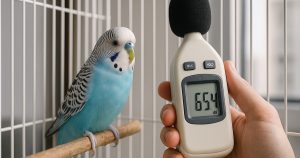
Quick Answer: Best Budgie Thermometer for Cage Monitoring
The ThermoPro TP50 Digital Hygrometer Thermometer (~$10–$13) is our top overall pick for budgie cage monitoring — it’s accurate, affordable, and tracks both temperature and humidity in one compact unit. If you want remote monitoring with alerts, the Govee WiFi Thermometer Hygrometer H5179 (~$25–$30) is the best mid-range upgrade. For the most precise and professional setup, the Inkbird IBS-TH2 Bluetooth Thermometer (~$15–$20) gives you app-based logging and real-time alerts. Check the latest prices on Amazon before you buy — these sell out fast.
Keeping your budgie comfortable means more than just offering fresh food and clean water. Temperature is one of the most overlooked but critical aspects of budgie care — and without a reliable thermometer inside or near your bird’s cage, you’re essentially guessing. Budgies thrive between 65°F and 85°F (18°C–29°C), and even a short exposure to cold drafts or excessive heat can lead to stress, illness, or worse.
Whether you’re dealing with seasonal extremes (if you haven’t read our guides on budgie care in summer and budgie care in winter, check those out now), or you simply want peace of mind year-round, a dedicated cage thermometer is one of the smartest, cheapest investments you can make for your bird’s health.
In this guide, we’ve tested and reviewed the 7 best budgie thermometers for cage monitoring in 2026, covering everything from basic budget models to smart WiFi options with phone alerts. Let’s dive in.
Comparison Table: Best Budgie Thermometers for Cage Monitoring 2026
| Product | Price (USD) | Best For | Key Feature | Where to Buy |
|---|---|---|---|---|
| ThermoPro TP50 | $10–$13 | Budget buyers, beginners | Temp + humidity combo, large display | Check Price on Amazon |
| Govee WiFi Thermometer H5179 | $25–$30 | Remote monitoring, alerts | WiFi + app alerts, data logging | Check Price on Amazon |
| Inkbird IBS-TH2 Bluetooth | $15–$20 | App users, data loggers | Bluetooth, app logging, compact | Check Price on Amazon |
| AcuRite 00613 Indoor Thermometer | $8–$12 | Simple, no-frills monitoring | Analog + digital hybrid, min/max memory | Check Price on Amazon |
| Govee Bluetooth Thermometer E1 | $12–$18 | Budget Bluetooth option | Free app, 2-year data export, alerts | Check Price on Amazon |
| SensorPush HT1 | $49–$55 | Premium, most accurate | Swiss sensor, ±0.3°F accuracy | Check Price on Amazon |
| Taylor Precision Products 1730 | $7–$11 | Ultra-budget, analog lovers | Classic analog dial, no batteries needed | Check Price on Amazon |
| INKBIRD ITH-20R Wireless | $20–$28 | Wireless remote display | Remote sensor, indoor/outdoor dual reading | Check Price on Amazon |
Budget, Mid-Range & Premium Tiers Explained
💚 Budget Picks ($7–$15): Best for New Owners & Simple Monitoring
If you’re just getting started and want to know the temperature near your budgie’s cage without spending much, the budget tier covers you perfectly. These devices are straightforward, reliable, and do exactly what they promise.
- ThermoPro TP50 (~$10–$13): This is our favourite budget pick by a significant margin. It shows both temperature and humidity on a large, easy-to-read display, mounts anywhere, and runs on a single AAA battery for over a year. View on Amazon.
- AcuRite 00613 (~$8–$12): A solid digital option with min/max memory — useful for checking if your budgie experienced any overnight temperature drops. Check price on Amazon.
- Taylor Precision Products 1730 (~$7–$11): Prefer no batteries and old-school simplicity? This analog thermometer and hygrometer combo does the job without any tech setup. See on Amazon.
Best for: First-time budgie owners, anyone who just wants a reliable temperature check without smart features.
💛 Mid-Range Picks ($15–$35): Best for Active Monitoring & App Connectivity
Step up to the mid-range and you unlock Bluetooth or WiFi connectivity, smartphone apps, and push alerts when temperature drops or spikes outside your safe range. This tier is ideal for working owners who can’t always be in the room with their budgies.
- Govee Bluetooth Thermometer E1 (~$12–$18): An incredible value. Free app, customisable alerts, and 2 years of data export. Buy on Amazon.
- Inkbird IBS-TH2 (~$15–$20): Compact, accurate, and the app is genuinely one of the best in this price range. Works with Alexa too. Check availability on Amazon.
- INKBIRD ITH-20R Wireless (~$20–$28): Has a remote sensor you place inside or near the cage and a separate receiver display unit you can keep in another room — no phone needed. View on Amazon.
- Govee WiFi Thermometer H5179 (~$25–$30): Best mid-range overall — WiFi means you get alerts even when you’re away from home. Check price on Amazon.
Best for: Owners who work away from home, multiple-cage setups, or those who want temperature alerts during extreme weather seasons.
💎 Premium Picks ($45+): Best for Precision, Multiple Sensors & Professional-Grade Data
Premium thermometers in this space use laboratory-grade sensors and offer the kind of accuracy that breeders, aviary owners, and people serious about their bird’s long-term health will appreciate.
- SensorPush HT1 (~$49–$55): Uses a Swiss-made Sensirion sensor accurate to ±0.3°F. Pairs with the SensorPush app and optional gateway for remote cloud monitoring. It’s the gold standard for birdroom temperature control. See on Amazon.
Best for: Breeders, aviary owners, multi-cage households, and anyone who wants the absolute most accurate data with robust logging and cloud backup.
Product Deep Dives: Our Top Picks Reviewed
1. ThermoPro TP50 Digital Hygrometer Thermometer — Best Overall Budget Pick
Who it’s for: Beginners, single-cage owners, and anyone who wants reliable temperature and humidity data without spending more than $15.
- Measures temperature: 14°F to 122°F (–10°C to 50°C)
- Measures humidity: 10%–99% RH
- Large LCD display, easy to read from across the room
- Tabletop stand or magnetic mount (great for cage attachment)
- Accuracy: ±1°F / ±2–3% RH
- Battery life: 12+ months on a single AAA battery
- Records daily max and min readings
Price range: $10–$13
- Pros: Extremely affordable, tracks humidity (vital for budgies during dry winters), reliable accuracy, excellent battery life, compact size
- Cons: No wireless alerts, no app connectivity, display isn’t backlit
The ThermoPro TP50 is one of the best-selling thermometers on Amazon for good reason — it works out of the box, tracks everything you need, and costs less than a bag of bird seed. Highly recommended as a starting point for every budgie owner.
2. Govee WiFi Thermometer Hygrometer H5179 — Best for Remote Monitoring
Who it’s for: Working owners who leave their budgies home alone and want real-time smartphone alerts when temperatures go out of range.
- WiFi connected — works anywhere with internet
- Free Govee Home app (iOS & Android)
- Customisable high/low temperature and humidity alerts
- 2-year data history stored in the app
- Accuracy: ±0.54°F / ±3% RH
- Large LCD display on the unit itself
- USB powered (convenient near a cage)
Price range: $25–$30
- Pros: Real-time alerts wherever you are, easy app setup, excellent data logging, works with Alexa and Google Home
- Cons: Requires 2.4GHz WiFi, USB powered so needs a socket nearby, app can occasionally disconnect
If you’re at work and your budgie is home on a hot summer afternoon, the Govee H5179 will notify you the moment the cage area gets too warm. Combined with our complete budgie summer care guide, this device could genuinely be life-saving during heatwaves. Check the current price on Amazon.
3. Inkbird IBS-TH2 Bluetooth Thermometer — Best for App-Based Data Logging
Who it’s for: Tech-savvy budgie owners who want Bluetooth logging and a clean app interface without paying for WiFi models.
- Bluetooth 5.0 — connects to your phone within ~50m range
- Free Inkbird app with historical data charts
- Accuracy: ±0.5°F / ±3% RH
- Replaceable CR2477 battery (lasts ~2 years)
- Compact and lightweight — easy to attach near any cage
- Works with Alexa (via a hub)
- Available with external probe for inside-cage placement
Price range: $15–$20
- Pros: Very compact, great battery life, clean app, probe version available for precise in-cage reading
- Cons: Bluetooth only (not WiFi), requires phone nearby, no alerts when away from home
Buy the Inkbird IBS-TH2 on Amazon — especially recommended if you want to export temperature logs to track patterns across your budgie’s molting season or illness recovery.
4. AcuRite 00613 Indoor Thermometer & Hygrometer — Best Simple Digital Option
Who it’s for: Owners who want digital precision with min/max recording, no app fuss, and a no-nonsense display.
- Displays current, minimum, and maximum temperature and humidity
- Accuracy: ±2°F / ±2% RH
- Tabletop or wall-mount design
- Includes comfort level indicator (ideal/too dry/too humid)
- Runs on 2 AAA batteries
- Clock function included
Price range: $8–$12
- Pros: Min/max memory is great for checking overnight cold spells, comfort indicator is helpful for quick visual checks, affordable
- Cons: No smart alerts, slightly less accurate than ThermoPro TP50, display is smaller
The AcuRite is a popular choice for budgie owners who check on their birds regularly throughout the day and just want a reliable glance at conditions. View the AcuRite on Amazon here.
5. SensorPush HT1 Smart Sensor — Best Premium Pick
Who it’s for: Serious breeders, aviary owners, and anyone who demands professional-grade accuracy and long-term data storage.
- Swiss-made Sensirion sensor — industry-leading accuracy
- Accuracy: ±0.3°F / ±1.5% RH (exceptional)
- Bluetooth with optional WiFi gateway for remote access
- Unlimited data logging in the app
- Push alerts, email notifications available with gateway
- Works seamlessly with multiple sensors across multiple rooms/cages
- Compact design with a strong magnetic mount
Price range: $49–$55 (gateway sold separately ~$99)
- Pros: Most accurate sensor available at this price point, professional data logging, excellent build quality, perfect for multi-cage setups
- Cons: WiFi gateway is an additional purchase, higher upfront cost
If you’re a dedicated breeder monitoring conditions for eggs and hatchlings (check our best budgie nesting box guide for complementary breeding setup tips), the SensorPush HT1 is genuinely worth the investment. Check SensorPush HT1 availability on Amazon.
6. Govee Bluetooth Thermometer E1 — Best Budget Bluetooth Pick
Who it’s for: Anyone who wants Bluetooth app connectivity and custom alerts without spending more than $18.
- Bluetooth 5.0 with 100m open-space range
- Free Govee Home app with 2-year data export
- Customisable temperature and humidity alarm thresholds
- Accuracy: ±0.54°F / ±3% RH
- 2-in-1 tabletop stand and wall mount included
- Battery powered (1 AAA)
Price range: $12–$18
- Pros: Excellent value Bluetooth option, app is polished and reliable, free data export is a bonus, nice compact design
- Cons: Bluetooth range is limited compared to WiFi, app alerts only work when phone is in range
The Govee E1 sits in a sweet spot between the basic budget models and the full WiFi tier. See the Govee Bluetooth E1 on Amazon — a fantastic choice if you’re home most of the time.
How to Set Up a Thermometer for Budgie Cage Monitoring: Step-by-Step
What You’ll Need
- A thermometer/hygrometer combo — browse the best options on Amazon
- Velcro strips or a magnetic mount (often included with the device)
- Batteries (usually AAA or AA — check your model)
- Optional: WiFi or Bluetooth-compatible smartphone app
- Optional: external probe thermometer for precise in-cage readings
- Choose the right placement first. Mount your thermometer at the height where your budgie spends most of its time — not at floor level and not at the very top of the cage. Mid-cage height gives the most relevant temperature reading for your bird’s experience.
- Keep it out of direct sunlight. Placing a thermometer near a window in direct sun will give you a false high reading. Move the cage or thermometer to avoid direct solar exposure — and while you’re at it, check out our tips on keeping budgies cool in summer.
- Avoid mounting directly on metal bars (if possible). Metal conducts temperature differently than air, which can skew readings slightly. Attach the thermometer just inside the cage via velcro or suction cup, or use an external probe that goes through the bars.
- Set up your high/low alerts (if using a smart device). For budgies, set your low-temperature alert at 65°F (18°C) and your high alert at 85°F (29°C). Anything outside this range warrants attention. If you’re using a smart device, make sure the alert settings are configured in the app before you leave home.
- Check the reading against a known reference. Place a second thermometer (even a basic one) in the same area for a day and compare readings. Most digital devices are within ±1–2°F of each other — if yours is way off, return it and try another.
- Record the min/max each day for the first week. This helps you understand how much your bird’s environment fluctuates — especially overnight. If you’re seeing drops below 65°F, you’ll need supplemental heating. If it’s spiking above 85°F, cooling solutions are needed.
- Clean the sensor surface monthly. Dust and feather dander (which budgies produce a lot of, especially during molting) can accumulate on sensors and affect accuracy. Gently wipe with a dry cloth.
Common Mistakes to Avoid When Monitoring Budgie Cage Temperature
-
❌ Only monitoring room temperature, not cage temperature.
Why it’s a problem: Room temperature can be 5–10°F different from actual cage temperature, especially near drafty windows, vents, or exterior walls.
Fix: Always place the thermometer inside or directly adjacent to the cage, not across the room on a shelf. Use a suction cup mount or velcro to attach it properly. -
❌ Ignoring humidity readings.
Why it’s a problem: Low humidity (below 40% RH) dries out your budgie’s respiratory tract and can cause feather quality issues. High humidity promotes mould and bacterial growth.
Fix: Always choose a combo thermometer/hygrometer (most on our list are) and keep humidity between 40%–60% RH for your budgie. If it’s consistently low, check our guide on the best budgie mist sprayers — regular light misting can help. -
❌ Placing the thermometer in sunlight or near a heat source.
Why it’s a problem: This gives artificially high readings that don’t reflect the bird’s actual environment, so you might think it’s warm enough when it isn’t.
Fix: Position thermometers away from windows, lamps, radiators, and HVAC vents. The reading should reflect ambient air temperature, not radiant heat. -
❌ Not setting temperature alerts on smart devices.
Why it’s a problem: Buying a WiFi thermometer is pointless if you haven’t configured the alert thresholds — you’re just paying extra for features you’re not using.
Fix: The moment you set up a smart thermometer, open the app and configure temperature and humidity alert ranges immediately. Don’t skip this step. -
❌ Using an uncalibrated or old thermometer without checking accuracy.
Why it’s a problem: Cheap thermometers can drift over time, giving readings that are several degrees off without you realising it.
Fix: Cross-check against a second device once a month. Replace any device that consistently shows more than ±3°F variance from a reference thermometer. Reliable options are available for under $15 on Amazon. -
❌ Only monitoring during waking hours.
Why it’s a problem: Temperature drops most significantly at night, which is exactly when many owners aren’t paying attention. Cold overnight temperatures are a leading cause of illness in budgies.
Fix: Use a thermometer with min/max memory or app logging so you can see exactly what happened overnight — and act accordingly. -
❌ Not factoring in drafts.
Why it’s a problem: Even if the overall room temperature is comfortable at 72°F, a cold draft from a window or air conditioner vent can make conditions at cage level dangerously cold. Budgies are especially sensitive to sudden temperature changes.
Fix: Check for drafts by holding a damp hand near the cage in different positions. Reposition the cage away from any draft sources. Read our budgie winter care guide for more advice on protecting against cold air exposure.
What Temperature Is Safe for Budgies? (Quick Reference)
| Temperature Range | What It Means for Your Budgie | Action Required |
|---|---|---|
| Below 50°F (10°C) | Dangerously cold — risk of hypothermia | Immediate warming required |
| 50°F–64°F (10°C–18°C) | Cold, stressful — bird may fluff up | Add heating source |
| 65°F–85°F (18°C–29°C) | Ideal range — comfortable and healthy | Maintain consistently |
| 86°F–95°F (30°C–35°C) | Hot — bird may pant, hold wings out | Increase ventilation, misting |
| Above 95°F (35°C) | Dangerously hot — risk of heat stroke | Emergency cooling required |
Related Guides You’ll Find Helpful
- 🌞 Budgie Care in Summer: The Complete 2026 Guide to Keeping Your Bird Cool, Safe & Happy — Essential reading for hot weather temperature management.
- ❄️ Budgie Care in Winter: The Complete 2026 Guide to Keeping Your Bird Warm, Healthy & Happy — How to protect your budgie from cold drafts and temperature drops.
- 🪶 Budgie Molting: What to Expect + Best Products to Support Your Bird (2026 Guide) — Temperature stability is especially important during molting periods.
- 🏠 Best Budgie Cages 2026: The Complete Buyer’s Guide for Happy, Healthy Budgies — Choosing the right cage also affects airflow and temperature regulation.
- 💧 Best Budgie Mist Sprayer for Bathing: Top 7 Picks for a Happy, Clean Bird (2026 Guide) — Misting helps regulate temperature and humidity during hot weather.
- 🌿 Best Budgie Air Purifier for Cage Room: 7 Top Picks for Clean, Safe Air (2026 Guide) — Air quality and temperature monitoring go hand in hand.
- 🐣 Best Budgie Nesting Box for Breeding: Top Picks, Setup Guide & Expert Tips (2026) — Temperature control is critical during breeding and egg incubation.
- 💊 Best Budgie Vitamin Supplement Under $20: Top Picks for a Healthier Bird (2026 Guide) — Supporting your budgie’s health through good nutrition and proper environment.
Frequently Asked Questions: Budgie Thermometers & Cage Temperature Monitoring
Q1: What is the ideal temperature for a budgie’s cage?
Budgies thrive between 65°F and 85°F (18°C–29°C). The sweet spot most experienced owners aim for is around 70°F–75°F (21°C–24°C). Outside of this range, your bird can become stressed, lethargic, or ill — so consistent monitoring is essential. A reliable cage thermometer takes all the guesswork out.
Q2: Do I need a separate thermometer for my budgie’s cage, or is a room thermometer enough?
A room thermometer is better than nothing, but it’s not ideal. Temperature at cage level — especially if the cage is near a window, vent, or drafty wall — can differ by 5°F to 10°F from the rest of the room. For accuracy, place a small thermometer directly in or on the cage at perch height.
Q3: Should I get a thermometer that also measures humidity?
Absolutely yes — always choose a combo thermometer and hygrometer. Budgies need humidity between 40%–60% RH, and dry air can irritate their respiratory systems and affect feather quality. Most of the models in this guide measure both, and they’re priced almost identically to temperature-only units. See the best combo units on Amazon.
Q4: Is WiFi or Bluetooth better for monitoring a budgie cage?
WiFi is superior for remote monitoring because you’ll receive alerts on your phone even when you’re away from home. Bluetooth is limited to the range of your phone (typically 30–50m), so alerts only work when you’re nearby. If you’re away from home during the day, invest in a WiFi model like the Govee H5179. If you’re mostly home, a Bluetooth model is sufficient and more affordable.
Q5: Can I use a cooking or meat thermometer to check my budgie’s cage temperature?
You can in a pinch for a spot-check, but it’s not suitable for ongoing cage monitoring. Cooking thermometers are designed for short-duration point readings, not ambient air temperature. They also don’t measure humidity. A dedicated digital room thermometer/hygrometer costs under $15 and is purpose-built for exactly this job.
Q6: How do I know if my budgie is too cold or too hot?
A budgie that is too cold will typically fluff up its feathers to trap heat, shiver, and become lethargic — similar symptoms to illness. A bird that’s too hot will hold its wings away from its body, pant, and sit with its beak open. Both are signs to check your thermometer immediately and adjust conditions. Read our guide on why budgies sleep excessively — sometimes temperature stress is the cause.
Q7: How many thermometers do I need for a multi-cage setup?
Ideally, one thermometer per cage area — especially if cages are in different rooms or different parts of a large birdroom. Temperature can vary significantly between zones, particularly if some cages are near windows or vents. For multi-cage setups, a system like SensorPush with multiple sensors allows you to monitor all areas through a single app.
Q8: Where exactly should I attach the thermometer to the cage?
Mount it at mid-cage height — roughly where your budgie’s main perches are. Avoid the very top (heat rises so it reads high) and the bottom (can read low and doesn’t reflect perch-level conditions). Keep it away from food and water dishes to avoid splash damage. Many models include suction cup or velcro mounts for easy cage placement.
Q9: How often should I check or replace my budgie cage thermometer?
Check the displayed readings against a second thermometer at least once a month to spot any calibration drift. Most digital thermometers remain accurate for 2–5 years with normal use. Replace batteries as soon as the low-battery indicator appears, as weak batteries can cause inaccurate readings. Keep a pack of spare batteries handy so you’re never left without accurate monitoring.
Q10: Are there any thermometers specifically designed for bird cages?
While there are a few marketed specifically for reptile and bird use, the best bang-for-buck options are standard digital thermometer/hygrometer combos like the ThermoPro TP50 or AcuRite units. They offer the same (or better) accuracy and features as “pet-specific” products, usually at a lower price. Browse bird-suitable thermometers on Amazon here.
Final Verdict: Which Budgie Cage Thermometer Should You Buy?
Here’s our quick summary to help you decide:
- Best overall value: ThermoPro TP50 (~$10–$13) — accurate, affordable, tracks humidity too
- Best for remote alerts: Govee WiFi H5179 (~$25–$30) — real-time app alerts wherever you are
- Best budget Bluetooth: Govee E1 (~$12–$18) — smart features without the WiFi price tag
- Best premium accuracy: SensorPush HT1 (~$49–$55) — for breeders and multi-cage setups
- Best no-frills option: AcuRite 00613 (~$8–$12) — simple, reliable, no app needed
Whatever you choose, a thermometer is one of the cheapest, most impactful investments you can make for your budgie’s long-term health and wellbeing. Don’t wait until there’s a problem — check current prices and grab one today.