
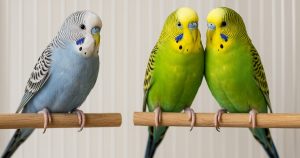
Quick Answer: Best Budgie Wooden Perches in 2026
After extensive research and hands-on testing, the Prevue Pet Products Natural Wood Perch (~$12–$18) is our top overall pick for budgies — it offers ideal grip texture, safe untreated wood, and a diameter that promotes foot health. For budget shoppers, the JW Pet Insight Activitoy Sand Perch (~$6–$9) is a solid entry-level option, while the Super Bird Creations Knarly Perch (~$20–$28) is our premium favourite for birds who need extra foot stimulation. Check the latest prices and availability on Amazon to find the right fit for your bird today.
Choosing the right perch for your budgie isn’t just about aesthetics — it directly impacts your bird’s foot health, mental wellbeing, and daily activity levels. A poor perch (too smooth, too wide, or made from toxic wood) can cause sore feet, arthritis, and even behavioural problems over time. In this guide, we’ve ranked the best budgie wooden perches available in 2026, covering everything from budget picks to premium options, with setup tips and expert advice built in.
If you’re also looking to upgrade your budgie’s living space more broadly, our Best Budgie Cages 2026 guide is a great companion read to this article.
Comparison Table: Best Budgie Wooden Perches Ranked (2026)
| Product | Price (USD) | Best For | Key Feature | Where to Buy |
|---|---|---|---|---|
| Prevue Pet Products Natural Wood Perch | $12–$18 | Overall best / daily use | Natural bark texture, safe hardwood | Check Price on Amazon |
| JW Pet Insight Sand Perch | $6–$9 | Budget buyers / beginners | Dual-texture, easy to clean | Check Price on Amazon |
| Super Bird Creations Knarly Perch | $20–$28 | Premium / foot health focus | Irregular shape, variable diameter | Check Price on Amazon |
| Hypeety Natural Wood Budgie Perch | $10–$15 | Mid-range / multi-perch setup | Set of 3, varied widths | Check Price on Amazon |
| Polly’s Pet Products Spiral Perch | $14–$20 | Exercise / enrichment | Spiral design promotes climbing | Check Price on Amazon |
| Living World Wood Perch | $8–$13 | Beginners / cage upgrades | Universal cage attachment, solid build | Check Price on Amazon |
| Penn-Plax Natural Branch Perch Set | $16–$22 | Multi-bird households | Multi-size set, natural branch styling | Check Price on Amazon |
| Niteangel Natural Wood Bird Perch | $18–$25 | Artisan / aesthetic cages | Handcrafted, bark retained, bird-safe finish | Check Price on Amazon |
Budget, Mid-Range & Premium Tiers Explained
💰 Budget Picks ($6–$12): Great Starter Perches
If you’re just getting started or equipping a second cage, budget wooden perches can absolutely do the job — as long as you pick the right ones. The key is avoiding heavily varnished or painted cheap imports, which can leach toxins.
JW Pet Insight Sand Perch (~$6–$9) — This is one of the most popular beginner perches on Amazon and for good reason. It combines a wooden core with a textured outer surface to keep nails trimmed naturally. The bolt-on design fits most standard cages. See the JW Pet Sand Perch on Amazon.
Living World Wood Perch (~$8–$13) — A solid, no-frills perch that attaches securely. Great for filling out a cage setup without overspending. It’s untreated, which matters enormously for budgie safety. Check availability on Amazon.
Best for: First-time budgie owners, additional perch spots, travel cages.
🥈 Mid-Range Picks ($12–$20): The Sweet Spot
Mid-range perches offer a real step up in quality — you get natural bark retention, variable diameter for foot exercise, and better overall construction. This is where most experienced budgie owners shop.
Prevue Pet Products Natural Wood Perch (~$12–$18) — Our overall winner. Prevue is a trusted name in bird care, and this perch uses real hardwood with a naturally rough surface. The diameter is ideal for budgie feet (approximately ½ to ¾ inch). View on Amazon.
Hypeety Natural Wood Budgie Perch Set (~$10–$15 for 3 pieces) — Exceptional value as a set. Three perches at different widths means your budgie’s toes get varied exercise throughout the day, which is the gold standard for foot health. Buy the Hypeety Perch Set on Amazon.
Penn-Plax Natural Branch Perch Set (~$16–$22) — Styled after real tree branches, these perches look natural in any cage setup and are particularly good if you keep two or more budgies. Check the Penn-Plax set on Amazon.
Best for: Most budgie owners who want quality without overspending.
🏆 Premium Picks ($20–$30+): Maximum Foot Health & Enrichment
Premium perches go beyond basic resting spots — they’re engineered for foot health, behavioural enrichment, and long-term durability. Worth every penny if your budgie shows signs of foot discomfort or boredom.
Super Bird Creations Knarly Perch (~$20–$28) — The standout premium choice. The irregular, knotted shape means no two gripping positions are exactly alike, which is phenomenal for preventing the repetitive stress that causes bumblefoot. See the Knarly Perch on Amazon.
Niteangel Natural Wood Bird Perch (~$18–$25) — Handcrafted with bark retained for a truly authentic perching experience. The aesthetic quality is excellent too — these look stunning in naturalistic cage setups. View Niteangel perches on Amazon.
Best for: Experienced budgie owners, birds with foot health issues, naturalistic/enrichment-focused setups.
Product Deep Dives: Our Top Picks in Detail
1. Prevue Pet Products Natural Wood Perch — Best Overall
Best for: Everyday use, all budgie ages, beginners and experienced owners alike.
Price range: $12–$18
- Diameter: approximately ½–¾ inch (ideal for budgies)
- Untreated natural hardwood — no dyes or varnishes
- Natural bark texture provides grip and nail filing action
- Universal bolt-on cage fitting
- Available in multiple lengths
Pros:
- Trusted brand with a long safety record
- Natural texture excellent for foot health
- Easy to install in virtually any cage
- Reasonably priced for the quality
- Biodegradable and eco-friendly
Cons:
- Uniform diameter (not varied like premium options)
- May splinter after heavy chewing — inspect regularly
Check current price on Amazon →
2. Super Bird Creations Knarly Perch — Best for Foot Health
Best for: Budgies prone to sore feet, older birds, enrichment-focused setups.
Price range: $20–$28
- Irregular knotted shape varies grip position constantly
- 100% natural wood — no artificial treatments
- Encourages natural foraging and climbing behaviour
- Available in small size suitable for budgies
- Durable construction lasts well even with chewing
Pros:
- Best variable-diameter option available
- Significantly reduces risk of bumblefoot
- Stimulating shape keeps budgies engaged
- Excellent build quality for the price
Cons:
- Pricier than standard perches
- Irregular shape can make placement tricky in smaller cages
Buy the Knarly Perch on Amazon →
3. Hypeety Natural Wood Budgie Perch Set — Best Value Set
Best for: Owners setting up a new cage, multi-perch configurations, value-seekers.
Price range: $10–$15 (for a set of 3)
- Three perches included in different diameters
- Rough natural wood texture promotes nail health
- Easy screw-fit installation on standard cage bars
- Safe, untreated natural wood
- Varied lengths for positioning flexibility
Pros:
- Exceptional value — three perches for the price of one elsewhere
- Varied diameters provide the foot health benefits of premium perches
- Easy installation even for beginners
Cons:
- Individual pieces thinner/lighter than single premium perches
- May need replacing sooner with heavy chewing
Check the Hypeety set on Amazon →
4. Polly’s Pet Products Spiral Perch — Best for Exercise
Best for: Active budgies, enrichment setups, encouraging movement.
Price range: $14–$20
- Unique spiral/helix shape encourages climbing behaviour
- Made from natural wood with safe construction
- Can be hung or attached to cage bars
- Suitable for budgies and parakeets
- Promotes natural foraging movement patterns
Pros:
- Brilliant for keeping budgies active and mentally stimulated
- Multi-level design means more usable space per perch
- Popular with owners who prioritise enrichment
Cons:
- Takes up more vertical space than standard perches
- Not ideal as a sole resting perch — best used alongside standard options
See Polly’s Spiral Perch on Amazon →
5. Niteangel Natural Wood Bird Perch — Best for Aesthetics
Best for: Naturalistic cage setups, owners who want premium visual quality.
Price range: $18–$25
- Handcrafted from natural wood with bark retained
- Visually stunning — looks like a real tree branch
- Bird-safe, chemical-free finish
- Adjustable mounting hardware included
- Sturdy enough for regular use and light chewing
Pros:
- Most visually attractive option on the market
- Bark retention adds natural texture for feet and beak enrichment
- High-quality craftsmanship that lasts
Cons:
- Higher price point for largely aesthetic benefits
- Bark can be chewed away quickly by enthusiastic budgies
View Niteangel perches on Amazon →
For budgies who are extremely active, consider pairing wooden perches with an enriching budgie swing toy to keep them stimulated throughout the day.
How to Set Up Wooden Perches in Your Budgie’s Cage
What You’ll Need
- 2–4 wooden perches in varied diameters (check perch sets on Amazon)
- Cage with horizontal bars for secure attachment
- Sandpaper or perch conditioner for smoothing rough splinters
- Bird-safe disinfectant spray for regular cleaning (see options on Amazon)
- Screwdriver or pliers for tightening bolt-on fittings
- Choose varied diameters. Use at least two perch widths — roughly ½ inch and ¾ inch. Varied diameters force your budgie’s toes into different positions, which is the single most effective way to prevent foot problems. Shop varied-width perch sets here.
- Position at different heights. Place one perch high (where your budgie will sleep — birds instinctively prefer the highest spot), one at mid-height for feeding access, and one lower for variety. Never place a perch directly above a food or water bowl.
- Avoid placing perches over food bowls. Droppings contaminate food and water instantly. Position feeding stations off to the side, away from any perch directly above. Check our best budgie food bowl guide for smart feeder placement ideas.
- Check tightness before letting your bird use the perch. A wobbly perch is a safety risk. Tighten all fittings firmly against the cage bars, and double-check after the first 24 hours as wood can compress slightly.
- Introduce gradually if replacing old perches. Budgies can be suspicious of sudden changes. Leave one familiar perch in place while introducing new ones, then remove the old one after a few days.
- Inspect weekly for wear. Check for large splinters, cracking, or excessive droppings buildup. A perch that’s too degraded should be replaced — replacement perches are inexpensive on Amazon.
- Clean regularly. Wipe down wooden perches weekly with a damp cloth and bird-safe spray. Allow to dry fully before your budgie uses them. Replace (don’t just clean) any perch that shows mould or has absorbed significant droppings into the wood grain.
7 Mistakes to Avoid When Choosing Budgie Wooden Perches
- Mistake #1: Using only one diameter perch. This is the most common mistake budgie owners make. When your bird grips the same diameter all day, every day, it puts constant pressure on exactly the same spots on their feet — leading to sores and eventually bumblefoot. Fix: Use 2–3 perches of different widths. Shop multi-size perch options here.
- Mistake #2: Choosing varnished or painted perches. Many cheap perches on generic marketplaces are coated in glossy paint or varnish that can be toxic to birds. Budgies chew everything — if they chew a coated perch, they ingest whatever’s on it. Fix: Always choose untreated, natural wood perches from reputable brands.
- Mistake #3: Using unsafe wood species. Not all wood is bird-safe. Cherry, yew, oak, and avocado wood contain compounds harmful to budgies. Fix: Choose perches made from known safe woods — apple, willow, birch, and eucalyptus are all excellent choices.
- Mistake #4: Placing all perches at the same height. This limits your budgie’s movement and removes the enrichment value of having multiple perches. Fix: Stagger perch heights throughout the cage to encourage climbing and movement.
- Mistake #5: Never replacing old perches. Wooden perches degrade over time — they accumulate droppings, develop deep grooves from nails, and can harbour bacteria. Many owners keep the same perches for years. Fix: Replace wooden perches every 3–6 months or sooner if visibly worn. Stock up on replacement perches affordably here.
- Mistake #6: Choosing perches that are too wide. A perch diameter that’s too large means your budgie can’t wrap their toes properly around it, which is tiring and uncomfortable. For budgies, aim for ½ to ¾ inch (12–19mm) diameter. Fix: Measure perch diameter before buying, or choose specifically budgie/parakeet-sized options.
- Mistake #7: Ignoring foot health symptoms. If your budgie is frequently shifting weight, reluctant to perch, or you notice redness on their feet, the perches are likely part of the problem. Fix: Consult a vet and immediately upgrade to varied-diameter, textured natural perches. Pair this with our guide on why your budgie might be standing on one leg for more diagnostic help.
Why Wooden Perches Are Better Than Plastic or Dowel Perches
The smooth, uniform dowel perches that come included with most budget cages are one of the worst things for budgie foot health long-term. Here’s why wooden natural perches win every time:
- Natural texture — rough bark keeps nails filed naturally, reducing the need for nail trimming
- Variable grip — natural wood varies slightly in shape, unlike perfectly round dowels
- Beak stimulation — budgies love to chew and investigate wood, providing mental enrichment
- No toxic materials — natural wood (from safe species) carries none of the chemical risks of plastic
- Environmentally friendly — biodegradable and sustainably sourced options available
Speaking of your budgie’s environment, you might also want to consider a quality air purifier for your budgie’s room — wood dust from perches can accumulate alongside feather dander.
Related Guides
- Best Budgie Cages 2026: Complete Buyer’s Guide — find the perfect cage to pair with your new perches
- Best Budgie Perch Stand for Outside the Cage — great for out-of-cage exercise time
- Best Budgie Swing Toy Reviews 2026 — perfect complement to wooden perches for enrichment
- Why Is My Budgie Standing on One Leg? — could be a sign of foot discomfort related to perch quality
- Budgie Molting: What to Expect — understand your bird’s health holistically
- Best Budgie Food Bowl Reviews 2026 — optimise feeding station placement alongside perches
- Budgie Body Language: 35 Poses Decoded — learn to read if your budgie is comfortable on their perches
- Best Budgie Air Purifier for Cage Room — manage wood dust and dander in your bird’s environment
Frequently Asked Questions: Best Budgie Wooden Perches
What diameter perch is best for a budgie?
The ideal perch diameter for a budgie is between ½ inch and ¾ inch (approximately 12–19mm). At this size, your budgie’s toes can wrap comfortably around the perch without fully overlapping or straining to grip. Varying the diameter between multiple perches is even better than using one “perfect” size. Find the right diameter perches on Amazon.
Are natural wood perches safe for budgies?
Yes — natural wood perches are among the safest perch options available, provided they’re made from bird-safe wood species and are free from varnish, paint, or chemical treatments. Safe woods include willow, birch, apple, and eucalyptus. Always buy from reputable brands that confirm the wood species used. Avoid perches with no listed materials or suspiciously low prices from unknown sellers.
How often should I replace budgie wooden perches?
As a general rule, replace wooden perches every 3–6 months. Heavy chewing, visible splitting, ingrained droppings, or any sign of mould are all reasons to replace sooner. Regular cleaning extends the life of perches, but wood is porous and will eventually harbour bacteria beyond what cleaning can address. Stock up on affordable replacement perches here.
Can I use perches from the garden for my budgie?
You can use natural branches from the garden, but with important precautions: the wood must be from a bird-safe species, free from pesticides, and must be thoroughly cleaned and baked (at 250°F/120°C for 30 minutes) to kill any parasites or pathogens. If in doubt, it’s much safer and more convenient to buy commercially prepared perches from trusted brands. See safe natural branch perches on Amazon.
How many perches does a budgie need?
A single budgie needs a minimum of 2–3 perches in their cage, placed at different heights. If you keep two budgies, aim for 4–5 perches so birds can maintain personal space without conflict. More perches equals more activity, which is always better for budgie health. Our one budgie vs two budgies guide covers this in more detail.
Where should I place perches in the cage?
Place your highest perch where your budgie will sleep (birds always want the highest spot for security). Put a mid-level perch near food and water access, and a lower perch at the bottom third of the cage for variety. Never position any perch directly above food or water bowls — droppings will contaminate them constantly.
Can budgies sleep on wooden perches?
Absolutely — wooden perches are ideal for sleeping. In the wild, budgies sleep on branches, so natural wooden perches replicate this perfectly. The rough texture also helps them maintain grip while dozing. Make sure your budgie’s highest (sleeping) perch is in the most secure and draft-free part of the cage, particularly in cooler months — see our budgie winter care guide for seasonal perch tips.
Are rope perches or wooden perches better for budgies?
Both have a place in a well-equipped cage, but natural wooden perches should be the primary option. Rope perches offer softness and are good for older or foot-sore birds, but loose fibres can cause toe entanglement injuries. Wooden perches carry no entanglement risk and provide natural nail-filing action. A good setup includes both — wooden perches as the primary resting spot and a rope perch as a secondary enrichment option.
Do wooden perches help keep budgie nails trimmed?
Yes — textured natural wood perches with rough bark help file nails gradually through normal use. This doesn’t eliminate the need for nail trimming entirely, but it significantly slows nail growth and reduces how often trimming is necessary. Perches with smoother surfaces (like plastic dowels) provide no nail-filing benefit at all. Find textured nail-filing perches on Amazon.
What’s the best perch for a budgie with foot problems?
For a budgie showing signs of foot soreness or bumblefoot, the Super Bird Creations Knarly Perch (~$20–$28) is our top recommendation. Its irregular, varied-diameter shape prevents any single pressure point from bearing constant load. You should also add a soft rope perch alongside it for relief. Always consult an avian vet if foot problems persist — perch upgrades are supportive, not a medical replacement. Check the Knarly Perch on Amazon.
Disclosure: As an Amazon Associate, budgiehub.com earns from qualifying purchases. Prices listed are approximate and subject to change. Always verify current prices on Amazon before purchasing. This article was last updated for 2026.