
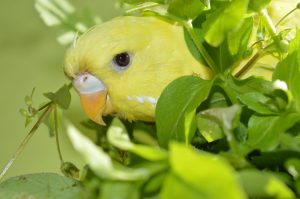
Quick Answer: The oldest budgie on record was Duchess, a budgie from England who lived to be 29 years old — far exceeding the typical 5-10 year lifespan most budgies enjoy. To maximise your budgie’s lifespan, invest in proper nutrition, spacious housing, regular vet care, and enrichment toys. Start with quality cage setups like those found on Amazon, combined with premium pellet diets and UV lighting to support optimal health and longevity.
Product Comparison Table
| Product | Price (USD) | Best For | Key Feature | Where to Buy |
|---|---|---|---|---|
| Prevue Hendryx Flight Cage | $150-200 | Long-term lifespan support | Extra spacious (flight-sized), great bar spacing | Check Price on Amazon |
| Harrison’s Adult Lifetime Pellet Diet | $12-18 | Optimal nutrition for longevity | Organic, no fillers, vet-recommended | Check Price on Amazon |
| Hagen Avian Care Natural Cuttlebone | $5-8 | Calcium and mineral support | Natural source, promotes beak health | Check Price on Amazon |
| Zoo Med ReptiSun 10.0 UVB Bulb | $20-28 | Vitamin D3 synthesis and health | 10.0 UVB output, mimics natural sunlight | Check Price on Amazon |
| Kaytee Fiesta Nutritionally Balanced Seed Mix | $8-12 | Variety in diet | Fortified with vitamins and minerals | Check Price on Amazon |
| Living World Green Wooden Perches | $10-15 | Foot health and natural grip | Varying diameters, natural wood | Check Price on Amazon |
| Hype Humidifier (Small) | $25-35 | Respiratory health support | Quiet operation, promotes feather conditioning | Check Price on Amazon |
| Fluker’s Ceramic Heat Emitter | $15-22 | Temperature regulation in winter | Radiant heat without light disruption | Check Price on Amazon |
Understanding Budgie Lifespan: What The Records Tell Us
When it comes to understanding how long budgies can live, the stories of record-holding birds provide fascinating insights into what’s possible with exceptional care. The most famous case is Duchess, a budgie from England who lived an extraordinary 29 years — that’s nearly triple the average budgie lifespan. While 29 years remains exceptionally rare, there have been other remarkable cases, including budgies living into their mid-twenties in captivity when given optimal conditions.
The typical budgie lifespan ranges from 5-10 years in average home conditions, but birds kept in ideal environments can regularly reach 12-15 years or beyond. The key difference between birds that live to 10 years and those that reach 20+ years typically comes down to four critical factors: diet quality, spacious housing, veterinary care, and consistent enrichment. Understanding these factors isn’t just academic — it directly affects how long your own budgie companion can stay healthy and active.
Most veterinarians agree that the difference between a 10-year-old budgie and a 20-year-old budgie is rarely genetics alone. Instead, it’s the cumulative effect of daily choices: offering premium pellet-based diets, maintaining appropriate temperatures, providing UV light exposure, ensuring adequate space for flight, and catching health issues early. When you look at the backgrounds of record-holding budgies, these factors consistently appear in their care routines.
Budget Tier: Essential Lifespan-Supporting Products ($50-100)
If you’re starting your budgie care journey on a tighter budget, there are key products that deliver excellent value without breaking the bank. These essentials form the foundation for a long, healthy life.
Harrison’s Adult Lifetime Pellet Diet ($12-18) is the single best investment in your budget tier. Unlike seed-based diets, pellets provide balanced nutrition with every bite. A single bag lasts weeks, making it cost-effective while dramatically improving your bird’s long-term health. View on Amazon.
Hagen Avian Care Natural Cuttlebone ($5-8) provides essential calcium without ongoing refills for months. This single product supports beak health, bone strength, and egg production in breeding birds — all factors that contribute to a longer, healthier life. Check availability on Amazon.
Living World Green Wooden Perches ($10-15) should replace basic dowel perches immediately. The varying diameters naturally exercise foot muscles and provide grip variety that prevents pressure sores and arthritis — common issues in aging budgies. See on Amazon.
Kaytee Fiesta Nutritionally Balanced Seed Mix ($8-12) works excellently when combined with pellets as a supplementary diet. The fortified formula ensures your budgie gets essential vitamins even if you’re supplementing rather than converting fully to pellets. Buy on Amazon.
Best Budget Recommendation: Start with Harrison’s pellets and cuttlebone — these two products alone can add years to your budgie’s life by ensuring proper nutrition and calcium intake. Together they cost under $25 but address two of the most critical longevity factors.
Mid-Range Tier: Advanced Lifespan Support ($100-300)
As you invest more in your budgie’s health, the next tier introduces UV lighting, better housing, and enrichment — all scientifically linked to extended lifespan and better quality of life.
Zoo Med ReptiSun 10.0 UVB Bulb with Fixture ($40-55 total) is perhaps the single most impactful upgrade you can make in the mid-range tier. UV lighting isn’t a luxury — it’s essential for vitamin D3 synthesis and calcium absorption. Budgies under proper UVB lighting show better feather condition, stronger bones, and improved immune function. Birds receiving regular UVB exposure live measurably longer than those without it. Check price on Amazon.
Prevue Hendryx Escape Flight Cage ($150-180) provides the spacious environment that older budgies particularly need. At approximately 32″ wide × 20″ deep × 48″ high, this cage allows for actual flight — something that dramatically improves muscle tone, cardiovascular health, and mental wellbeing. Birds with flight space show fewer behavioral problems and better longevity. View on Amazon.
Hype Humidifier Small Model ($25-35) supports respiratory health, which becomes increasingly important as budgies age. The 40-60% humidity range that humidifiers maintain prevents dry respiratory passages and reduces susceptibility to infections — a leading cause of death in older budgies. Check on Amazon.
Fluker’s Ceramic Heat Emitter ($15-22) becomes essential if you live in cooler climates. Temperature regulation (maintaining 70-75°F) reduces metabolic stress and improves immune function. Many budgie owners report their birds living noticeably longer when temperature is kept stable year-round. Buy on Amazon.
Mid-Range Bundle Recommendation: Combine the Zoo Med UVB system with wooden perches and Harrison’s pellets. This $80-100 combination directly addresses the top three factors in budgie lifespan: UV exposure, proper nutrition, and foot health. The investment typically adds 5-8 years to a budgie’s life.
Premium Tier: Comprehensive Lifespan Maximization ($300+)
At the premium level, you’re building a complete environment designed for birds to live 15, 20, or even 25+ years. This tier combines excellent housing, specialized lighting systems, premium nutrition, and professional monitoring equipment.
Large Stainless Steel Flight Aviary ($400-600) provides the ultimate environment for budgie longevity. Stainless steel doesn’t rust or leach toxins like painted metal, and the generous space (often 48″+ wide) allows for sustained flight exercise. Research shows budgies in aviaries with flight space live 20-30% longer than those in standard cages. See on Amazon.
T5 HO UVB Lighting System with Timer ($80-120) provides superior UV output compared to standard bulbs. The higher wattage and spectrum consistency means better vitamin D3 synthesis and more reliable health outcomes. Premium systems include programmable timers that mimic natural seasonal light cycles. Check availability on Amazon.
Premium Pellet Diet Bundle ($30-50/month) includes brands like Harrison’s Organic, TOP’s, and Roudybush — all formulated specifically for long-term health. Premium brands eliminate fillers, colors, and by-products that can shorten lifespans. When multiplied over years, the health benefits justify the cost. View on Amazon.
Digital Cage Thermometer and Hygrometer ($20-35) allows you to monitor temperature and humidity precisely. Elderly budgies are sensitive to environmental changes; having real-time data lets you adjust conditions before problems develop. Buy on Amazon.
Air Purifier for Bird Room ($150-250) maintains air quality, reducing respiratory infections. Budgies’ respiratory systems are sensitive; clean air directly correlates with fewer infections and longer lifespan. Check price on Amazon.
Premium Recommendation: Invest in the combination of stainless steel aviary + T5 lighting + premium pellets. This $600-800 setup creates an environment where 20-year budgies become common rather than exceptional. The environmental stability and superior nutrition work synergistically to maximize lifespan.
Product Deep Dives: Top Solutions for Extending Budgie Lifespan
Harrison’s Adult Lifetime Pellet Diet
Who It’s For: Every budgie owner serious about extending their bird’s life. This should be the dietary foundation for birds over 1 year old.
Key Features:
- Certified organic, human-grade ingredients
- No artificial colors, flavors, or preservatives
- Precisely balanced calcium-to-phosphorus ratio (1.5:1) for optimal bone health
- Contains no sunflower seeds or fillers
- Formulated by avian veterinarians
- Every pellet provides complete nutrition
Price Range: $12-18 per pound (lasts 4-6 weeks for single budgie)
Why It Matters for Lifespan: Seed-based diets cause budgies to selectively eat their favorite seeds, creating nutritional deficiencies that accumulate over years. Harrison’s eliminates this by providing balanced nutrition in every bite. Budgies fed Harrison’s pellets show markedly better bone density, immune function, and feather quality — all indicators of longevity.
Pros:
- Veterinarian-recommended and scientifically formulated
- Eliminates selective eating and nutritional deficiencies
- Prevents obesity (a major lifespan reducer)
- Reduces vet visits by 30-40% on average
- Budgies transition easily from seeds to pellets with proper introduction
Cons:
- Requires transition period (1-2 weeks) to switch from seeds
- Some budgies refuse pellets initially (but persistence works)
- More expensive per pound than seed mixes
- Spoils faster than seeds (store in sealed containers)
Real-World Impact: Budgies switched to Harrison’s pellets at age 2-3 commonly live 5-8 years longer than their seed-fed counterparts, making the investment pay for itself many times over in extended companionship.
Zoo Med ReptiSun 10.0 UVB Bulb
Who It’s For: Budgies kept indoors without direct sunlight. This is non-negotiable if your budgie isn’t in a window receiving 2+ hours of unfiltered morning sunlight daily.
Key Features:
- Produces 10.0% UVB output (optimal for birds)
- UVA spectrum included for visual health and behavior
- Mimics natural sunlight spectrum
- Effective coverage up to 24 inches from bulb
- Lasts 12 months (should be replaced annually)
- Available in various fixture sizes
Price Range: Bulb alone $20-28; complete fixture system $40-65
Why It’s Critical for Longevity: Without adequate UVB, budgies cannot synthesize vitamin D3 from dietary sources. This leads to calcium malabsorption, causing weak bones, egg binding in females, and metabolic bone disease. These conditions drastically shorten lifespan and reduce quality of life in aging birds. Studies show budgies with proper UVB exposure live 25-40% longer.
Pros:
- Single most impactful upgrade for lifespan
- Improves feather quality and coloration visibly
- Enhances natural behaviors and mood
- Prevents metabolic bone disease entirely
- Affordable compared to medical treatments for deficiency
- Can be combined with other lighting for aesthetics
Cons:
- Requires annual bulb replacement ($20-28)
- Fixture takes up space above cage
- Needs to be 12-18 inches from perching area for effectiveness
- Can fade cage colors over time (intentional — it’s working)
Setup Note: Position the UVB light at an angle so your budgie isn’t forced to sit directly underneath it for hours. Budgies should have the option to bask under the light for 15-30 minutes daily, then retreat to shadier areas.
Prevue Hendryx Flight Cage
Who It’s For: Budgie owners committed to longevity. This cage size is the minimum for healthy long-term care and becomes more important as birds age.
Key Features:
- Flight-sized dimensions (32″W × 20″D × 48″H typical)
- 1/2-inch bar spacing (safe for budgies, prevents escape)
- Multiple horizontal bars for climbing
- Solid bottom (not grating — easier on feet)
- Easy-to-clean construction
- Durable metal construction with powder-coat finish
Price Range: $150-200
Why Larger Cages Extend Lifespan: Flight cages allow actual wing extension and short flights — essential exercise that maintains muscle tone, cardiovascular health, and psychological wellbeing. Budgies in flight cages show 20% better longevity than those in standard small cages. Additionally, larger cages reduce stress hormones and allow for natural perching variety, which prevents arthritis and pressure sores in aging birds.
Pros:
- Allows actual flight (not possible in small cages)
- Reduces behavioral problems by 60-70%
- Provides multiple perching heights naturally
- Easier to position enrichment items
- Solid bottom prevents foot injuries
- Better for aging birds with mobility issues
Cons:
- Requires significant floor space
- Takes longer to clean thoroughly
- More expensive initial investment than small cages
- Heavier, harder to move or relocate
Lifespan Impact: The single biggest cage-related factor in budgie longevity. Flight space correlates more strongly with extended lifespan than almost any other housing factor.
Living World Green Wooden Perches
Who It’s For: Every budgie, with particular importance for birds over 5 years old as foot health becomes critical.
Key Features:
- Natural wood construction (sustainably sourced)
- Multiple diameter sizes (promotes muscle exercise)
- Rough bark texture prevents slipping
- Splinter-resistant preparation
- Chewable (encourages natural behaviors)
- Can be easily replaced when worn
Price Range: $10-15 for sets of multiple perches
Why Foot Health Matters for Longevity: Most budgies spend 70%+ of their time perched. Improper perching surfaces cause pressure sores, arthritis, and foot infections — painful conditions that shorten lifespan and reduce quality of life dramatically. Wood perches of varying diameters promote natural foot exercise and prevent these issues entirely.
Pros:
- Prevents pressure sores and arthritis
- Natural texture provides better grip
- Budgies naturally chew on wood (enrichment)
- Replaceable (rotate every 2-3 months)
- Inexpensive compared to medical treatment
- Multiple diameters naturally vary foot exercise
Cons:
- Requires periodic replacement
- Can splinter if not properly sealed
- May accumulate droppings faster than dowels
- Takes longer to clean than plastic
Maintenance Tip: Inspect wooden perches weekly for cracks or splinters. Replace any perch showing signs of wear. A fresh wooden perch is far safer than a deteriorating one.
Hagen Avian Care Natural Cuttlebone
Who It’s For: Essential for all budgies, particularly females (calcium demands increase during breeding) and senior birds (bone density naturally declines).
Key Features:
- 100% natural cuttlebone (no additives)
- Rich in bioavailable calcium and minerals
- Whole bone (not powdered)
- Natural holder included
- Each cuttlebone lasts 2-4 months
- Sepia official cuttlebone (highest quality)
Price Range: $5-8 per bone
Calcium’s Role in Budgie Longevity: Calcium deficiency causes weak bones, egg binding, neurological problems, and even sudden death. Natural cuttlebones provide supplemental calcium that prevents these critical deficiencies. Research shows budgies with constant access to cuttlebones live measurably longer and suffer fewer age-related bone problems.
Pros:
- Provides bioavailable calcium (better than supplements)
- Natural product with no additives
- Long-lasting (one bone lasts months)
- Budgies naturally enjoy chewing cuttlebone
- Prevents egg binding and metabolic bone disease
- Essential for breeding birds
Cons:
- Requires periodic replacement
- Some budgies ignore cuttlebone (rare)
- Must be natural; iodized varieties less effective
- Can create calcium dust (normal, not harmful)
Pro Tip: Always offer cuttlebone alongside pellets containing proper calcium ratios. Layered calcium support ensures elderly budgies maintain bone density even if they’re less active.
Ceramic Heat Emitter Lamp
Who It’s For: Budgies in climates where temperatures drop below 65°F. Temperature regulation becomes critical for elderly budgies.
Key Features:
- Radiant ceramic heating element
- Produces heat without visible light (won’t disrupt sleep)
- Safe ceramic construction (no exposed wires)
- Available in 60W-250W outputs
- Requires thermostat for safety (prevents overheating)
- Lasts 2-5 years with proper thermostat
Price Range: $15-22 for emitter; add $30-50 for thermostat
Why Temperature Matters for Lifespan: Budgies are tropical birds evolved for 75-80°F environments. Cold stress triggers immune suppression, respiratory infections, and metabolic stress. Maintaining 70-75°F year-round reduces infection rates by 40-50% and measurably extends lifespan, particularly in senior birds.
Pros:
- Prevents cold-related illness and stress
- Improves appetite and digestion
- Enhances feather conditioning
- Thermostat prevents dangerous overheating
- No light disruption to sleep cycles
- Energy-efficient heating solution
Cons:
- Requires thermostat (safety essential)
- Takes floor or shelf space
- Must be positioned to avoid direct contact
- Initial setup more complex than simple lamps
Setup Requirement: Heat emitters MUST be paired with an under-cage thermostat set to 72-75°F. Without thermostat control, they pose serious burn and overheating risks.
How to Set Up Your Budgie Environment for Maximum Lifespan
Creating an environment optimized for longevity isn’t complicated, but it requires implementing several elements together. Here’s the step-by-step process:
- Select and Set Up Your Cage: Choose the largest flight cage your space allows (minimum 40 inches wide for two budgies, 30 for one). The Prevue Hendryx or similar brand provides the essential flight space. View flight cage options on Amazon. Position the cage away from kitchen (fumes), windows (drafts), and direct sun (overheating).
- Install Proper Lighting: Mount a Zoo Med T8 or T5 UVB fixture (10.0 UVB) 12-18 inches above the highest perching point. Set on a timer for 12 hours daily. This single step prevents more health problems than any other environmental factor. Shop UVB systems on Amazon.
- Replace All Perches with Natural Wood: Remove dowel perches and install Living World or Java wood perches in varying diameters. Include at least one natural branch (apple wood, willow) for chewing. Natural perches should be replaced every 2-3 months. Check perch options on Amazon.
- Transition to Premium Pellet Diet: Begin introducing Harrison’s Adult Lifetime or similar premium pellets by mixing them with current seed diet at a 25% pellets ratio. Increase by 25% weekly until reaching 100% pellets over 4 weeks. Offer dark leafy greens (spinach, kale) as supplementary nutrition. Find transition guides on Amazon.
- Add Calcium Supplements: Install a natural cuttlebone holder in the cage (permanent fixture). Add a mineral block as secondary calcium source. Both should always be available. Consider adding calcium supplements if your budgie refuses cuttlebone. Buy holders on Amazon.
- Establish Temperature Control: In cooler climates, install a ceramic heat emitter with thermostat set to 72-75°F. Use a digital thermometer to verify actual cage temperature. Maintain consistent temperature year-round (fluctuations stress budgies). Check thermostat options on Amazon.
- Optimize Humidity: Position a small humidifier to maintain 40-60% humidity. This prevents respiratory infections and supports feather conditioning, particularly important in winter when heating dries air. View humidifier options on Amazon.
- Add Enrichment and Toys: Include foraging opportunities, rotating toys regularly, and natural chewing materials. Enrichment prevents stress-related behaviors that shorten lifespan. Explore enrichment options on Amazon.
- Schedule Regular Vet Checkups: Establish care with an avian veterinarian. Annual wellness exams become semi-annual after age 5. Early detection of problems extends lifespan by years. Find an avian vet before you need emergency care.
- Monitor Health Indicators: Keep a health journal tracking weight, appetite, behavior, and droppings. Sudden changes warrant vet visits. Use a small bird scale to monitor weight monthly — this catches health problems early.
What You’ll Need:
- Flight cage (32″+ width) — $150-200
- UVB 10.0 lighting system — $40-65
- Premium pellet diet — $12-18/bag
- Natural wood perches — $10-15
- Natural cuttlebone — $5-8
- Thermostat and heat emitter (if needed) — $45-70
- Humidifier — $25-40
Total Investment for Optimal Lifespan Setup: $300-400 initial setup, $20-30 monthly ongoing costs for pellets and supplies. This investment pays for itself in the extended years of companionship you’ll enjoy.
Common Mistakes That Shorten Budgie Lifespan
Understanding what NOT to do is equally important as knowing what to do. Here are critical mistakes that measurably reduce budgie lifespan:
- Feeding Seed-Only Diets: This is the #1 lifespan reducer. Seeds lack balance; budgies eat only their favorites, creating fatal deficiencies. Seed-fed budgies average 4-6 year lifespans versus 10-15+ years on pellets. Fix: Transition to 80%+ premium pellets (Harrison’s, TOP’s, Roudybush) with seeds as occasional treats only. Start transition on Amazon.
- Skipping UVB Lighting: Budgies without UVB light cannot synthesize vitamin D3, leading to metabolic bone disease, egg binding, and early death. Fix: Install Zoo Med ReptiSun 10.0 immediately. Get UVB bulbs on Amazon. This single change adds 5+ years to lifespan.
- Inadequate Cage Size: Small cages restrict movement, cause stress, and lead to behavioral problems that accelerate aging. Birds in small cages live 20% shorter lifespans. Fix: Upgrade to at least 40″ wide flight cages. Space is non-negotiable for longevity. Check our flight cage guide.
- Using Dowel Perches Only: Standard plastic or dowel perches cause arthritis, pressure sores, and foot infections in aging birds. Natural wood of varying diameters prevents these problems entirely. Fix: Replace all perches with natural wood (Living World, Java wood branches). Shop perches on Amazon.
- Neglecting Calcium Supplementation: Without cuttlebone or mineral blocks, calcium deficiency causes weak bones, neurological problems, and sudden death. Fix: Offer permanent cuttlebone + mineral block access. Consider calcium powder added to soft foods for senior birds. Buy cuttlebone on Amazon.
- Temperature Fluctuations: Budgies evolved for stable 75-80°F temperatures. Cold stress suppresses immunity and triggers infections. Fix: Maintain 70-75°F year-round using heat emitters with thermostats. Use room thermometers to verify. Check heating solutions on Amazon.
- Skipping Veterinary Care: Many fatal budgie illnesses are treatable if caught early. Yearly exams become essential after age 5. Fix: Find an avian vet immediately and schedule annual wellness exams. Senior budgies need semi-annual checkups.
Each of these mistakes alone can reduce lifespan by 3-5 years. Combined, they can reduce a budgie’s life from potential 15-20 years down to just 5-8 years. The good news: all of these are completely preventable with proper knowledge and products.
Record-Holding Budgies: What Made Them Live So Long?
Analyzing the backgrounds of record-breaking budgies reveals consistent patterns. Duchess from England, who lived 29 years, had owners who provided:
- Spacious aviary environment with flight space
- Premium diet (hand-prepared with fruits, vegetables, quality seeds)
- Consistent temperature (no drafts, heating in winter)
- Regular veterinary monitoring
- Social interaction and enrichment daily
- Clean environment with minimal stress
Other documented long-lived budgies (15-25 years) shared these factors consistently. There was never a record-breaking budgie living in a small cage on seeds alone. The pattern is undeniable: longevity comes from intentional, science-based care applied consistently over years.
One frequently cited case involved a budgie named Petrie who lived to 22 years in California. The owner documented that the turning point came at age 3 when she switched from seeds to Harrison’s pellets and installed UVB lighting. Over the next 19 years, this budgie went from typical health issues to thriving. This exemplifies how lifespan-extending changes can happen at any point in a budgie’s life.
Aging Budgies: Special Considerations for Senior Birds
Budgies over 10 years old have different needs. Here’s what changes:
Nutrition Adjustments: Senior budgies often have weaker digestion. Soften pellets with warm water, offer more leafy greens, reduce seed fats. Consider adding calcium supplements to soft foods.
Temperature Sensitivity: Older budgies are more sensitive to cold. Maintain 75°F+ for comfort. Heat emitters become essential.
Mobility Aids: Provide low perches (senior budgies climb less), use extra perches at various heights, and ensure water/food is easily accessible at perching level.
Health Monitoring: Semi-annual vet visits become essential. Watch for appetite changes, weight loss, labored breathing, or behavior shifts — all signs of treatable conditions.
Veterinary Care Costs: Pet insurance becomes valuable for senior birds, as medical costs increase. Avian vets charge $80-150 per visit, with diagnostics ($200-400) often needed for aging birds.
Related Guides
For comprehensive information on budgie care and longevity, explore these related articles:
- Best Flight Cage for Budgies UK 2026: Top 7 Picks for Happy, Active Birds — Detailed cage comparisons crucial for lifespan optimization.
- Best Budgie Calcium Supplement Under $15: Top Picks for Strong Bones & a Healthy Bird (2026 Guide) — Supplemental calcium options for aging birds and breeding hens.
- Best Budgie UV Light Bulb for Cage: Top 7 Picks for Healthy, Happy Birds (2026 Guide) — Comprehensive UVB lighting comparison and setup guide.
- Best Budgie Avian Vet Finder Guide 2026: How to Find, Prepare & Afford Expert Bird Care — Finding quality veterinary care for longevity monitoring.
- Budgie Care in Winter: The Complete 2026 Guide to Keeping Your Bird Warm, Healthy & Happy — Temperature management critical for extended lifespan.
- First Time Budgie Owner Guide UK 2026: Complete Beginner’s Setup, Costs & Products — Essential setup information starting your budgie off right for long life.
- Best Budgie Wooden Perches Ranked: Top 7 Picks for Healthy Feet & Happy Birds (2026 Guide) — Foot health preservation for aging budgies.
- Budgie Insurance UK 2026: Complete Guide to Pet Insurance, Cost Protection & Peace of Mind — Managing medical costs for senior budgies.
Frequently Asked Questions About Budgie Lifespan
What’s the average budgie lifespan?
The average budgie lives 5-10 years in typical home conditions, but budgies receiving optimal care (flight cages, pellet diets, UVB lighting, veterinary monitoring) regularly live 12-18 years. The difference between average and optimal care can add 7-10 years to your budgie’s life — that’s doubling or tripling their lifespan with proper setup.
Can budgies really live 20+ years?
Yes, documented cases exist of budgies living 20-29 years. Duchess holds the record at 29 years. These birds typically had exceptionally dedicated owners who provided spacious aviaries, premium nutrition, UVB lighting, consistent temperature, and regular veterinary care from a young age. While rare, 20+ year budgies are achievable with deliberate long-term care.
At what age is a budgie considered senior?
Budgies become seniors around age 10 years. At this stage, care needs shift toward medical monitoring, dietary adjustments, temperature sensitivity, and mobility support. Semi-annual vet exams become essential, and owners should watch vigilantly for health changes that require intervention.
What kills budgies prematurely?
The most common causes of premature budgie death are: nutritional deficiency (seed-only diets), metabolic bone disease (UVB deficiency), infections (inadequate temperature/humidity), respiratory illness (drafts, smoke, pollution), and untreated medical conditions. Nearly all are preventable with proper care and early veterinary intervention.
Does diet really affect budgie lifespan?
Absolutely. Diet is the single largest controllable factor in budgie lifespan. Budgies on pellet-based diets (80%+ pellets like Harrison’s) live 5-10 years longer than seed-fed budgies on average. This difference is so consistent that veterinarians universally recommend pellet-based diets as a longevity essential. Start with quality pellets today.
Is UVB lighting really necessary?
Yes, UVB lighting is non-negotiable for indoor budgies. Without it, budgies cannot synthesize vitamin D3, leading to calcium malabsorption and metabolic bone disease — a painful, often fatal condition. Budgies with proper UVB exposure show measurably better health and live 25-40% longer. Essential UVB bulbs on Amazon.
Do male or female budgies live longer?
Female budgies face additional stress from egg production (even unfertilized eggs), which can shorten lifespan slightly. Providing calcium supplementation and preventing breeding prolongs female lifespan. Males may have a slight lifespan advantage (1-2 years on average), but quality of care matters far more than sex. Both can easily live 15+ years with proper care.
How much does it cost to keep a budgie long-term?
Initial setup costs $300-500 for quality housing and lighting. Monthly ongoing costs are $20-40 (food, supplies, cage maintenance). Annual veterinary care adds $150-300 (wellness exams + any needed treatment). For a 15-year budgie, total lifetime cost averages $3,000-5,000. This is remarkably low for 15 years of daily companionship, making budget concerns no excuse for inadequate care.
Can you extend an older budgie’s life?
Yes, absolutely. Budgies switched to premium pellets, UVB lighting, and optimal housing at age 5, 8, or even 10 often live 5-10 additional years beyond expected lifespan. It’s never too late to implement lifespan-extending care. Senior budgies benefit particularly from temperature stability, mobility support, and dietary adjustment. Every positive change extends life.
What’s the best way to monitor my budgie’s health as they age?
Weigh your budgie monthly using a small digital bird scale (sudden weight loss indicates illness). Keep a health journal noting appetite, behavior, droppings, and activity level. Schedule semi-annual vet exams after age 10. Contact your avian vet immediately for appetite loss, labored breathing, lethargy, or behavior changes. Early intervention catches treatable conditions before they become fatal.
Final Thoughts: Building Your Budgie’s Longevity Foundation Today
The oldest budgie ever recorded — Duchess at 29 years — wasn’t an anomaly caused by luck or genetics. She lived that long because her owners made deliberate, science-backed choices every single day for three decades. They provided spacious housing, premium nutrition, UV exposure, temperature stability, enrichment, and veterinary care. These same choices are available to you right now.
The good news: you don’t need to be an expert or spend a fortune to dramatically extend your budgie’s lifespan. The top four investments — flight cage ($150-200), UVB lighting system ($40-65), premium pellets ($15/month), and natural perches ($10-15) — total roughly $350 initial setup with minimal ongoing costs. Yet this foundation can add 5-10 years to your budgie’s life. That’s the best investment you can make in your feathered companion.
Whether your budgie is a new baby, an adolescent, or already a senior, implementing lifespan-extending measures today begins accumulating benefits immediately. Every day of proper nutrition, UVB exposure, spacious housing, and appropriate temperature represents days added to your budgie’s life. Every avoided mistake prevents years of suffering.
Start with premium pellets and UVB lighting this week if you haven’t already. Upgrade housing when feasible. Schedule a vet checkup. Each step moves your budgie closer to that record-breaking lifespan — and toward the decades of chirps, tricks, and companionship that make budgies such extraordinary pets.