
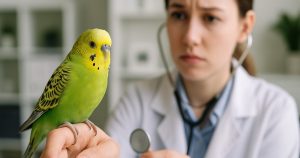
Quick Answer: Finding the Best Avian Vet for Your Budgie in 2026
Finding a qualified avian vet for your budgie is the single most important step you can take to protect your bird’s long-term health — and the best way to prepare is to have the right tools on hand before that first visit. Our top recommendation for budgie owners heading to the vet is the Avian Health Log & Record Book (~$12–$18 USD), which helps you track symptoms, droppings, weight, and appointments. Pair it with a reliable Digital Gram Scale for Birds (~$10–$25 USD) so you always arrive at the vet with accurate, up-to-date weight data — information your avian vet will thank you for.
Budgie Avian Vet Prep Products: At-a-Glance Comparison Table
| Product | Price (USD) | Best For | Key Feature | Where to Buy |
|---|---|---|---|---|
| Digital Gram Scale for Birds | $10–$25 | Tracking weight at home | 0.1g precision; compact design | Check Price on Amazon |
| Bird Health Log & Record Book | $12–$18 | Organising vet visit notes | Pre-formatted health tracking pages | Check Price on Amazon |
| Soft-Sided Bird Carrier / Transport Cage | $20–$45 | Safe vet transport | Ventilated, secure zip closures | Check Price on Amazon |
| Stainless Steel Bird Carrier Cage | $35–$75 | Frequent vet visits or long trips | Durable, chew-proof, easy-clean | Check Price on Amazon |
| Digital Cage Thermometer / Hygrometer | $10–$20 | Monitoring health environment | Reads temp & humidity simultaneously | Check Price on Amazon |
| Avian First Aid Kit | $15–$35 | Emergency preparation | Includes styptic powder, gauze, saline | Check Price on Amazon |
| Budgie Vitamin & Electrolyte Supplement | $8–$18 | Post-vet recovery support | Soluble in water; stress-relief formula | Check Price on Amazon |
| Bird-Safe Cage Cleaning Spray | $8–$16 | Pre-vet cage hygiene | Non-toxic, vet-approved formula | Check Price on Amazon |
Why Your Budgie Needs an Avian Vet (Not Just Any Vet)
Here’s the uncomfortable truth most new budgie owners don’t hear until it’s too late: a general practice vet who treats dogs and cats is not automatically qualified to treat your budgie. Birds are exotic animals with completely different physiology, and an avian specialist carries advanced training in diagnosing and treating parrots, budgerigars, and other psittacines. If your budgie starts sitting at the bottom of the cage or stops eating, you want a vet who immediately recognises the severity — not one reaching for a mammal reference guide.
Finding the right avian vet before your budgie becomes sick is one of the smartest things you can do as a bird owner. This guide will walk you through exactly how to find, vet, prepare for, and afford specialist bird care in 2026 — plus the must-have products every budgie owner should keep on hand.
Products by Budget Tier
Budget Tier ($8–$20): Essential Monitoring & Record Tools
If you’re new to budgie ownership and working with a tight budget, start with the absolute essentials. A digital gram scale (around $10–$15) is non-negotiable — tracking your budgie’s weight weekly is the single easiest way to spot illness early. Budgies can lose 10–15% of their body weight before showing visible symptoms, so a scale is genuinely life-saving. Pair this with a bird health log book ($12–$18) to record weight trends, droppings, behaviour changes, and vet visit notes. These two items alone will make you a far more informed and effective advocate for your bird at the vet’s office. Also consider a bird-safe cage cleaning spray at $8–$12 — maintaining hygiene directly impacts how healthy your bird stays between checkups.
Mid-Range Tier ($20–$45): Transport & Emergency Prep
Once you’ve covered the basics, invest in a quality soft-sided or hard travel carrier ($20–$45). Many owners use a shoebox or an old hamster cage to transport their budgie to the vet, but this causes unnecessary stress and can actually worsen a sick bird’s condition. A proper ventilated bird carrier provides security, reduces drafts, and makes it easier to observe your bird in transit. At this tier, also look at a dedicated avian first aid kit ($15–$35) — having styptic powder, gauze, and saline drops on hand means you can stabilise minor injuries while arranging emergency vet care. You should also pick up a digital thermometer and hygrometer combo ($10–$20) to monitor your budgie’s environment — data your vet will find genuinely useful when diagnosing respiratory issues. Our best budgie thermometer guide covers the top options in detail.
Premium Tier ($45–$120+): Full Vet-Ready Setup
For the fully committed budgie owner — particularly those with multiple birds, breeding setups, or birds with ongoing health conditions — a premium setup makes all the difference. A stainless steel travel cage ($45–$75) is chew-proof, dishwasher-safe, and will last years. A professional-grade gram scale with 0.01g precision ($35–$60) gives you the kind of accuracy avian vets use themselves. If you’re breeding or have a sick bird in quarantine, consider adding a hospital/brooder cage with built-in thermostat ($70–$120) — essential for keeping unwell or post-surgery birds at the right temperature. See our complete quarantine cage setup guide for step-by-step instructions on creating a recovery space your vet will approve of.
Product Deep Dives
Digital Gram Scale for Bird Weight Monitoring
Best for: Every budgie owner — this is the single most important monitoring tool you can own.
- Precision: 0.1g accuracy (look for models with 0.01g for maximum detail)
- Compact enough to sit next to the cage permanently
- Tare function lets you zero out a perch or cup your bird sits on
- Typically runs on AAA batteries; some models include USB charging
- Price range: $10–$25 USD
Pros:
- Catches weight loss before visible symptoms appear
- Vets love owners who arrive with weekly weight logs
- Affordable and widely available
Cons:
- Requires consistency — only useful if you weigh regularly
- Budget models may drift in accuracy over time
Soft-Sided Small Bird Travel Carrier
Best for: Owners making occasional vet trips and wanting a lightweight, easy-to-store option.
- Mesh ventilation panels on multiple sides
- Top and front zip access for easy loading
- Foldable when not in use — great for small homes
- Many include a perch bar and removable liner
- Price range: $20–$40 USD
Pros:
- Lightweight and comfortable to carry
- Less intimidating for nervous birds than solid carriers
- Easy to wipe clean or machine-wash liner
Cons:
- Not chew-proof — determined birds can work at zips
- Less durable than stainless options for long-term use
Avian First Aid Kit
Best for: Any budgie owner wanting to handle emergencies while awaiting vet care.
- Typically includes: styptic powder, gauze, saline eye drops, tweezers, syringes
- Some kits include a thermometer and emergency contact card
- Compact case for easy storage near the cage
- Price range: $15–$35 USD
Pros:
- Can stabilise a bird during transport to the vet
- Styptic powder is essential for broken blood feathers
- Peace of mind for owners in rural areas far from vets
Cons:
- Not a replacement for professional care — treat as a bridge only
- Items expire and need periodic replacement
Budgie Vitamin & Electrolyte Recovery Supplement
Best for: Post-vet recovery, birds under stress from transport, or birds prescribed supportive care.
- Water-soluble formula — added directly to drinking water
- Contains B-vitamins, electrolytes, and sometimes probiotics
- Available in single-use sachets or powder tubs
- Price range: $8–$18 USD
Pros:
- Supports immune function during and after illness
- Easy to administer — no force-feeding required
- Vet-friendly; many avian vets recommend electrolyte support
Cons:
- Should never replace prescribed medication
- Some birds refuse medicated water — may need syringe feeding
Hospital/Brooder Cage with Thermostat Control
Best for: Breeders, multi-bird households, or owners with birds recovering from surgery or illness.
- Built-in thermostat maintains temperatures between 75–95°F
- Clear acrylic or plastic panels for easy observation
- Removable trays for easy cleaning
- Some models include built-in humidity control
- Price range: $70–$120 USD
Pros:
- Controlled warmth dramatically improves recovery outcomes
- Separates sick birds from the flock safely
- Pairs perfectly with your avian vet’s aftercare instructions
Cons:
- Higher upfront cost
- Takes up more space than a standard carrier
How to Find a Qualified Avian Vet for Your Budgie: Step-by-Step Guide (2026)
What You’ll Need
- Bird health record book — to note your budgie’s history before calling vets
- Digital gram scale — weigh your bird before the first appointment
- Travel carrier — lined and secure for transport
- A smartphone or notepad to write down questions for the vet
- Samples of your bird’s droppings in a small zip-lock bag (your vet may request this)
-
Search the Association of Avian Veterinarians (AAV) Directory.
The AAV maintains an online directory at aav.org where you can search by zip code or city. This is the gold standard in the US for finding a board-certified or avian-specialist vet. In the UK, look for vets listed with the British Veterinary Zoological Society (BVZS). -
Ask local bird clubs and forums.
Budgie and parrot communities — on Facebook, Reddit (r/budgies), and local bird clubs — often have lists of trusted avian vets by region. Personal recommendations from experienced bird owners are invaluable and will help you avoid vets who claim bird experience but lack genuine expertise. -
Call the clinic before you book and ask the right questions.
Ask: “Does your practice include a vet with specific avian training or certification?” and “How many bird patients do you see per month?” A practice seeing 2–3 birds per month is not the same as a dedicated avian or exotic animal clinic. Also ask about emergency hours — birds deteriorate fast. -
Weigh your budgie and record the baseline weight.
Use your digital gram scale to record your bird’s weight before the appointment. A healthy adult budgie typically weighs 25–40g. Bring this data with you — your vet will almost certainly weigh your bird at the appointment and comparing to your home data is helpful. -
Prepare a health history summary.
Using your health log, note: age of bird, diet (seed, pellet, fresh food), any supplements used (such as vitamin supplements or calcium supplements), recent behaviour changes, droppings colour or consistency changes, and any previous vet visits. The more information you bring, the more effective your appointment will be. -
Prepare the travel carrier the night before.
Line the carrier with a fresh absorbent liner, add a low perch, and place a small amount of your bird’s familiar food inside. If the appointment is long, include a water dish. Keep the carrier covered with a light cloth during transit to reduce stress — but leave ventilation gaps. -
Collect a fresh droppings sample if asked.
Many avian vets request a fresh fecal sample — particularly at a first wellness exam. Use a clean piece of parchment paper at the bottom of the cage the morning of the appointment and transfer the sample to a small zip-lock bag. This allows the vet to screen for parasites, yeast, and bacterial infections without additional invasive testing. -
Book a wellness exam — don’t wait for illness.
The best time to visit an avian vet is before your bird is sick. Schedule a wellness exam within the first month of getting your budgie, and then annually after that. This establishes a baseline for your bird and builds a relationship with the vet so they know your bird’s normal. -
After the visit: set up a recovery or quarantine space if needed.
If your vet prescribes medication or rest, have a quiet, warm recovery area ready at home. See our detailed quarantine cage setup guide for exactly how to do this properly.
Common Mistakes to Avoid When Finding & Visiting an Avian Vet
-
Mistake #1: Waiting until your bird is visibly ill to find a vet.
Birds instinctively hide illness — by the time your budgie looks sick, it may have been unwell for days or weeks. The fix: find and register with an avian vet within the first few weeks of getting your bird, so you’re never scrambling in an emergency. -
Mistake #2: Choosing a vet based on proximity alone.
The nearest general vet may not have the training to treat your budgie correctly. A misdiagnosis or incorrect medication dose can be fatal for a small bird. The fix: use the AAV directory, ask specific questions, and if necessary, travel further for a qualified avian specialist. -
Mistake #3: Not monitoring weight between vet visits.
Many owners only notice something is wrong when their bird’s behaviour changes dramatically. The fix: weigh your budgie every 1–2 weeks using a digital gram scale and log the results. A consistent downward trend is a red flag that warrants a vet call. -
Mistake #4: Transporting your budgie in an unsafe carrier.
Using a shoebox, cloth bag, or poorly ventilated container causes severe stress and can lead to overheating or injury. The fix: invest in a proper ventilated bird travel carrier and practise having your bird enter it before emergencies arise. -
Mistake #5: Giving over-the-counter treatments before seeing the vet.
Many pet store “bird medicines” are ineffective, and some are dangerous. Giving the wrong treatment can mask symptoms, making diagnosis harder and delaying proper care. The fix: call your avian vet’s office first — many provide phone triage advice and will tell you whether a visit is urgent. -
Mistake #6: Not mentioning all supplements or foods at the appointment.
Some vitamin supplements interact with medications. Always bring or list every supplement, food, and even cage accessory (such as wooden perches or toys) — your vet may ask about materials your bird chews on regularly. -
Mistake #7: Skipping annual wellness checks because your bird “seems fine.”
Budgies are excellent at appearing healthy even when they’re not. Annual wellness exams catch subclinical issues before they become serious — and they’re far less expensive than emergency treatment. The fix: schedule your annual exam the same month every year and put it in your calendar alongside reminders for cage cleaning and liner replacement.
Budgie Health Signs to Track Before Your Vet Visit
Knowing what to observe — and being able to describe it accurately — is one of the most valuable things you can offer your avian vet. Before any appointment, spend time observing your bird and making notes. Key things to document include:
- Weight trend over the past 2–4 weeks (use your gram scale log)
- Droppings colour, consistency, and frequency (see our budgie poop colour chart for reference)
- Activity level — is your bird less active, sleeping more than usual? (Read our guide on why budgies sleep so much for what’s normal)
- Feather condition — any signs of loss or abnormal moult? (See our budgie moulting guide)
- Beak grinding, clicking, or overgrowth
- Any changes in diet, water consumption, or droppings colour
- Respiratory signs — tail bobbing, wheezing, clicking sounds while breathing
The more specific and documented your observations, the faster and more accurately your avian vet can work toward a diagnosis.
What to Expect at Your First Budgie Vet Appointment
Walking into an avian vet for the first time can feel overwhelming, especially if you’re worried about your bird. Here’s what a typical first visit looks like:
- Physical examination: The vet will handle your bird (usually with a towel wrap) to assess body condition, muscle mass, feather quality, eyes, nares (nostrils), beak, and vent area.
- Weight check: Your bird will be weighed — bring your home weight log for comparison.
- Fecal exam: If you brought a droppings sample, the vet will examine it under a microscope for parasites, yeast, or abnormal bacteria.
- Blood work: For sick birds or older birds, bloodwork gives the vet a comprehensive internal health picture. Expect to pay $80–$200 USD for a full panel depending on your location.
- Diet and husbandry review: A good avian vet will ask about your bird’s diet, cage setup, enrichment, and daily routine. This is a great time to ask questions of your own.
- Wellness cost: A basic avian wellness exam typically costs $50–$150 USD depending on your region and the level of testing involved.
For a full breakdown of what budgie vet care costs, see our budgie vet cost analysis guide.
Budgie Health Products Worth Keeping at Home Year-Round
Beyond finding a great vet, the best thing you can do for your budgie’s health is maintain an excellent home environment. Here are the products avian vets consistently recommend:
- Air purifier: Budgie dander, feather dust, and cage debris can trigger respiratory problems. A HEPA air purifier near the cage helps enormously. See our best budgie air purifier guide for top picks. View air purifiers on Amazon.
- Cage thermometer/hygrometer: Keeping your cage between 65–80°F with appropriate humidity prevents respiratory issues. Check thermometers on Amazon.
- High-quality pellet food: A seed-only diet is one of the leading causes of nutritional deficiency in budgies. Your vet will almost certainly recommend a pellet-based diet. See budgie pellet food on Amazon.
- Calcium supplement: Calcium deficiency is common in budgies on seed diets and can lead to serious health issues. Our calcium supplement guide covers the best options. Buy calcium supplements on Amazon.
- Vitamin supplement: A daily water-soluble vitamin supplement supports immune health and covers dietary gaps. Check vitamin supplements on Amazon.
Related Guides
- Budgie Sitting at Bottom of Cage: 9 Causes and When It’s an Emergency
- Budgie Not Eating: Causes, Red Flags, and What to Do Today
- Budgie Poop Colour Chart: What Every Dropping Tells You in 2026
- Budgie Vet Cost Analysis: 5 Surprising Expense Facts
- How Long Do Budgies Live? Lifespan, Care Tips & Everything You Need to Know
- How to Set Up a Budgie Quarantine Cage: Complete 2026 Guide + Best Products
- Best Budgie Air Purifier for Cage Room: 7 Top Picks for Clean, Safe Air
- Best Budgie Calcium Supplement Reviews 2026: Top Picks for Strong Bones & a Healthy Bird
- Best Budgie Vitamin Supplement Under $20: Top Picks for a Healthier Bird
- Why Is My Budgie Losing Feathers? Causes, Treatments & 2026 Product Guide
- Budgie Molting: What to Expect + Best Products to Support Your Bird
- Why Is My Budgie Sleeping So Much? Causes, Fixes & Products That Help
- Cost of Owning a Budgie (UK Edition): Complete 2026 Budget Breakdown
- Budgie Lifespan Study: 7 Science-Backed Care Methods Revealed
Frequently Asked Questions: Finding an Avian Vet for Your Budgie
How do I find an avian vet near me?
The best starting point is the Association of Avian Veterinarians (AAV) directory at aav.org, which lets you search by location. You can also ask for recommendations in local bird clubs, budgie Facebook groups, or r/budgies on Reddit. Always call ahead and ask specifically about avian training and how many bird patients the practice sees weekly before booking.
How often should I take my budgie to the vet?
A healthy budgie should see an avian vet for a wellness exam at least once per year, with an additional visit recommended within the first month of bringing your bird home to establish a baseline. Any time your bird shows signs of illness — weight loss, fluffed feathers, lethargy, breathing changes — book an emergency appointment immediately rather than waiting for the next scheduled check.
Can a regular vet treat my budgie?
While a general vet is better than no vet in a true emergency, budgies are exotic animals with very different physiology from cats and dogs. A general vet without specific avian training may misidentify conditions, recommend inappropriate medications, or miss subtle signs of illness. Whenever possible, seek a vet with documented avian training or AAV membership for the best outcomes.
What should I bring to my budgie’s first vet appointment?
Bring a fresh droppings sample in a zip-lock bag (collected that morning), a written record of your bird’s diet, any supplements you’re using, your home weight log (use a gram scale to track this), and a list of any behavioural changes you’ve noticed. Arrive with your budgie in a proper travel carrier — never a shoebox or open cage.
How much does an avian vet visit cost in the US?
A basic wellness exam for a budgie typically costs $50–$150 USD at an avian specialty clinic. If bloodwork, fecal testing, or X-rays are needed, costs can rise to $200–$400 USD or more. Emergency visits outside of regular hours can cost significantly more. Pet insurance for exotic birds is available and worth considering, especially for breeding birds or those with ongoing health conditions. See our detailed budgie vet cost analysis for a full breakdown.
How do I know if my budgie is sick enough to need an emergency vet?
Signs requiring same-day emergency care include: open-mouth breathing or tail bobbing with each breath, inability to perch or standing on the cage floor (see our full guide here), bleeding that won’t stop, seizure or loss of consciousness, or complete refusal to eat or drink for more than 12 hours. Birds deteriorate very quickly — when in doubt, call your avian vet’s office immediately and describe the symptoms.
What is the difference between an avian vet and an exotic vet?
An avian vet specialises specifically in birds, while an exotic vet may treat a wider range of non-traditional pets including reptiles, rabbits, and small mammals in addition to birds. Both are preferable to a standard vet for your budgie, but a dedicated avian specialist will typically have deeper bird-specific knowledge. Look for vets who are members of the AAV or who list avian medicine as a primary focus.
What questions should I ask an avian vet before booking?
Ask: “Do you have specific training in avian medicine?”, “How many bird patients do you see per month?”, “Are you a member of the AAV?”, “Do you offer emergency or after-hours avian care?”, and “What is your approach to diagnosing budgie-specific conditions like psittacosis or air sac mites?” A qualified avian vet will answer these questions confidently and specifically.
Should I get pet insurance for my budgie?
If you’re willing to invest in full avian vet care, pet insurance for exotic birds is worth exploring — especially since a single emergency visit with bloodwork can cost $300–$500 USD. Providers like Nationwide (in the US) offer exotic bird plans. Even without insurance, keeping a dedicated “bird health fund” of $200–$300 USD in savings ensures you’re never forced to skip necessary treatment due to cost.
How do I prepare my budgie for transport to the vet?
Use a proper ventilated travel carrier lined with a fresh absorbent liner. Cover it lightly with a cloth to reduce visual stress but leave ventilation gaps. Keep the carrier at a stable, warm temperature — avoid direct sunlight, air conditioning vents, and drafts during transport. Practise having your bird enter the carrier on calm days before any vet trips so the experience is less frightening when it matters most.