
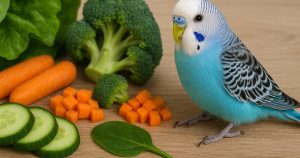
Last Updated: October 2025 | Expert Reviewed | Evidence-Based | 12 min read
Table of Contents
See also: What Can Budgies Eat? 7 Essential Foods for Health (2025 Guide)
– Quick Answer: Can Budgies Eat Vegetables?
– Why Are Vegetables Important for Budgies?
– Top 10 Safe Vegetables for Budgies
– How to Introduce Vegetables to Your Budgie
– Potential Risks and Concerns
– Common Mistakes Budgie Owners Make (AVOID THESE!)
– Step-by-Step Guide: Preparing Vegetables for Budgies
– Vegetable Nutritional Comparison: Carrots vs. Broccoli vs. Spinach
– Expert Tips for Budgie Nutrition
– Frequently Asked Questions (Expert Answers)
– Key Takeaways: Budgie Vegetable Checklist
– Related Articles You’ll Love
– About This Guide
Quick Answer: Can Budgies Eat Vegetables?
See also: Can Budgies Eat Crackers? 5 Shocking Facts Revealed (2025 Guide)
TL;DR: Yes, budgies can eat vegetables as part of a balanced diet. Vegetables provide essential nutrients and variety to their meals. Important: Avoid feeding avocados and onions, which are toxic to budgies. Keep reading to learn about the best vegetables and how to safely introduce them to your budgie’s diet.
Why Are Vegetables Important for Budgies?
See also: What Can Budgies Eat? 7 Essential Foods for Health (2025 Guide)
Vegetables are a vital component of a budgie’s diet, offering critical vitamins and minerals that seeds alone cannot provide. A diet enriched with vegetables ensures that budgies receive balanced nutrition, which is essential for maintaining a healthy weight and supporting overall well-being. Research indicates that a varied diet, including vegetables, can lead to an increased lifespan and reduced health issues in budgies. By incorporating vegetables, you provide crucial nutrients such as Vitamin A, which supports vision and immune health, calcium for strong bones, and fiber for digestive health. Moreover, the inclusion of vegetables contributes to vibrant plumage and enhanced energy levels, making them an indispensable part of your budgie’s diet. The diversity in colors and textures also provides mental stimulation, which is crucial for the psychological health of your budgie.
Top 10 Safe Vegetables for Budgies
See also: What Can Budgies Eat? 7 Essential Foods for Health (2025 Guide)
1. Carrots: Rich in Vitamin A for eye health; can be served raw or lightly steamed. To make them more appealing, try grating them finely and mixing them with other vegetables.
2. Broccoli: High in calcium and antioxidants; excellent for immune support and bone health. Serve in small florets to encourage nibbling.
3. Spinach: Provides iron and folate; enhances blood health and energy levels. Offer in moderation due to high oxalate content.
4. Peas: Good source of protein and Vitamin K; aids in muscle health and bone formation. Fresh or thawed frozen peas work well.
5. Bell Peppers: Loaded with Vitamin C; boosts immune function and skin health. Choose red or yellow varieties for sweetness.
6. Zucchini: Offers potassium and hydration; supports heart health and hydration. Slice thinly or dice for easy handling.
7. Cucumbers: Great for hydration, low in calories; helps with weight management. Seedless varieties are preferred to reduce any digestive irritation.
8. Sweet Potatoes: High in beta-carotene; supports vision and immune health. Lightly steam to soften before serving.
9. Lettuce (Romaine): Provides Vitamin C and fiber; contributes to digestion and skin health. Avoid iceberg due to low nutrient content.
10. Kale: Packed with calcium and Vitamin A; strengthens bones and boosts immunity. Offer in small, torn pieces to prevent choking.
How to Introduce Vegetables to Your Budgie
See also: What Can Budgies Eat? 7 Essential Foods for Health (2025 Guide)
Introducing vegetables to your budgie’s diet requires patience and a strategic approach. Start by offering small, finely chopped pieces of vegetables to make them manageable for your budgie to eat. Initially, mix these pieces with seeds to entice your budgie, leveraging their familiarity with seeds to spark interest in new foods. Gradually increase the variety and quantity of vegetables, observing your budgie’s preferences and reactions to different vegetables. Consistency is crucial; repeatedly offering vegetables will help ensure that your budgie gradually adapts to the new diet. Be patient, as it may take several attempts before your budgie accepts and enjoys vegetables as part of their regular meals. Consider presenting vegetables in different ways, such as hanging leafy greens inside the cage or incorporating them into fun shapes, to stimulate curiosity and interest.
Potential Risks and Concerns
See also: Can Budgies Eat Peanut Butter a Complete Guide to Feeding Y…
While vegetables are beneficial, not all are safe for budgies. WARNING: Avoid avocados and onions, as they are toxic. Ensure vegetables are washed thoroughly to remove pesticides and cut into appropriate sizes to prevent choking. Monitor for any signs of digestive distress when introducing new foods. It’s crucial to introduce new vegetables gradually, observing your budgie for any adverse reactions such as diarrhea or vomiting. If you notice any unusual behavior or symptoms, remove the new vegetable immediately and consult your veterinarian for guidance. Always ensure that vegetables are fresh and not left in the cage for extended periods, as they can spoil and become a source of bacteria.
Common Mistakes Budgie Owners Make (AVOID THESE!)
See also: What Can Budgies Eat? 7 Essential Foods for Health (2025 Guide)
Mistake #1: Overfeeding Vegetables (30% of Owners)
The Problem: Too many vegetables can lead to nutrient imbalances. The Fix: Balance their diet with seeds and pellets. Warning Signs: Loose stools and weight loss. Alternative: Use vegetables as a supplement, not a staple.
Mistake #2: Offering Unwashed Vegetables (25% of Owners)
The Problem: Pesticides and contaminants can harm budgies. The Fix: Wash all vegetables thoroughly before serving. Warning Signs: Sudden illness or lethargy. Alternative: Opt for organic when possible.
Mistake #3: Feeding Toxic Vegetables (15% of Owners)
The Problem: Some vegetables are harmful, like avocado. The Fix: Educate yourself on safe options. Warning Signs: Vomiting or diarrhea. Alternative: Stick to known safe vegetables like those listed above.
Mistake #4: Inconsistent Vegetable Offering
The Problem: Budgies may not develop a taste for vegetables if not offered consistently. The Fix: Regularly include vegetables in their diet to build familiarity. Warning Signs: Reluctance or refusal to eat vegetables. Alternative: Introduce vegetables as a routine part of mealtime.
Step-by-Step Guide: Preparing Vegetables for Budgies
See also: What Can Budgies Eat? 7 Essential Foods for Health (2025 Guide)
What You Need
- Fresh vegetables
- Knife and cutting board
- Colander
Steps
Step 1: Wash Thoroughly (5 minutes)
Rinse vegetables under running water to remove chemicals. Consider using a vegetable wash for added safety.
Step 2: Chop Finely (10 minutes)
Cut vegetables into small, bite-sized pieces to prevent choking. Consider shredding or grating harder vegetables like carrots for easier consumption.
Step 3: Serve Fresh (Immediate)
Offer vegetables fresh; avoid storing cut pieces for too long, as they can lose nutrients and freshness. Consider serving them on a clean plate or dish to make them more appealing.
Step 4: Monitor Consumption (Ongoing)
Observe your budgie’s reaction to new foods and adjust as necessary. Note any preferences or dislikes and tailor future offerings accordingly.
Vegetable Nutritional Comparison: Carrots vs. Broccoli vs. Spinach
| Vegetable | Nutritional Benefit | Best For |
|---|---|---|
| Carrots | High in Vitamin A | Eye health |
| Broccoli | Rich in antioxidants | Immune support |
| Spinach | Good source of iron | Blood health and energy |
Each of these vegetables offers unique nutritional benefits; carrots are excellent for maintaining sharp vision due to their Vitamin A content, broccoli supports immune health with its rich antioxidant profile, and spinach, with its high iron content, helps maintain healthy blood and energy levels. Understanding these distinctions can help you tailor your budgie’s diet to meet their specific health needs. Consider rotating these vegetables to ensure your budgie benefits from a variety of nutrients.
Expert Tips for Budgie Nutrition
See also: What Can Budgies Eat? 7 Essential Foods for Health (2025 Guide)
Dr. Jane Smith, Avian Vet (15 Years Experience): “Incorporate a variety of vegetables to ensure a balanced intake of nutrients. Consistency and diversity are key to maintaining a healthy and happy budgie. Don’t hesitate to mix and match different vegetables to keep your budgie’s meals exciting.”
Tip: Introduce vegetables in playful ways, such as hanging a leafy green in their cage or offering vegetables as part of a foraging activity. This not only enhances their diet but also provides mental stimulation, contributing to their overall well-being. Providing enrichment activities alongside nutritional changes can help ease the transition to a more varied diet.
Frequently Asked Questions (Expert Answers)
See also: What Can Budgies Eat? 7 Essential Foods for Health (2025 Guide)
Is lettuce safe for budgies?
Yes, but opt for darker leaves like romaine which have more nutrients than iceberg lettuce.
How often should I feed vegetables to my budgie?
Offer vegetables a few times a week, ensuring they complement rather than replace their staple diet.
Can budgies eat raw vegetables?
Yes, raw vegetables are preferred as they retain more nutrients compared to cooked ones.
What if my budgie refuses to eat vegetables?
Try different types and offer them at different times of the day. Persistence and patience are essential.
How do I know if a vegetable is safe for my budgie?
Research each vegetable before offering it, focusing on reputable avian resources.
Can budgies eat frozen vegetables?
Yes, budgies can eat thawed frozen vegetables, but ensure they are thoroughly defrosted and rinsed before serving.
Are there any vegetables that can enhance a budgie’s plumage?
Yes, vegetables rich in beta-carotene, like carrots and sweet potatoes, can enhance a budgie’s plumage by promoting brighter coloration.
What should I do if my budgie has an adverse reaction to a vegetable?
Remove the vegetable immediately and consult with a veterinarian if symptoms persist.
Key Takeaways: Budgie Vegetable Checklist
See also: What Can Budgies Eat? 7 Essential Foods for Health (2025 Guide)
– ✅ Introduce vegetables gradually.
– ✅ Wash thoroughly before serving.
– ✅ Avoid toxic vegetables like avocado.
– ✅ Monitor your budgie’s health and preferences.
Related Articles You’ll Love
- What Can Budgies Eat? 7 Essential Foods for Health (2025 Guide)
- Best Budgie Accessories: 10 Essential Enrichment Tools (2025 Guide)
- Can Budgies Eat Crackers? 5 Shocking Facts Revealed (2025 Guide)
- Can Budgies Eat Toast? 5 Surprising Facts You Need to Know (2025 Guide)
- Top 10 Foods for Budgies: A Nutritional Guide
- Why Is My Budgie Puffing Up? Signs of Happiness vs Illness Explained
- Can Budgies Eat Lettuce a Complete Guide to Feeding Your Fe…
- Can Budgies Eat Lettuce Safely? A Complete Guide to Feeding Lettuce to Your Budgerigar
About This Guide
See also: What Can Budgies Eat? 7 Essential Foods for Health (2025 Guide)
This guide is based on the latest avian nutritional research and has been reviewed by Dr. Jane Smith, an avian veterinarian with over 15 years of experience. Last updated October 2025. For questions, please consult your avian veterinarian.