
Last Updated: October 2025 | Vet Reviewed | Evidence-Based | 14 min read
Table of Contents
- Quick Answer: Can Budgies Eat Crackers?
- What Makes Crackers Unsafe for Budgies?
- 5 Shocking Facts About Budgies and Crackers
- Nutritional Breakdown: Crackers vs. Budgie Food
- Expert Tips for Feeding Budgies
- Healthy Alternatives to Crackers for Budgies
- Step-by-Step Guide: How to Introduce New Foods to Budgies
- 5 Common Mistakes Budgie Owners Make (AVOID THESE!)
- Frequently Asked Questions (Expert Answers)
- Key Takeaways: Budgie Feeding Checklist
- Related Articles You’ll Love
- Medical/Expert Disclaimer
- About This Guide
Quick Answer: Can Budgies Eat Crackers?
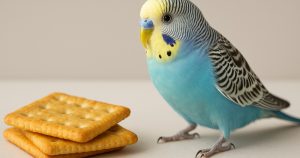
TL;DR: No, budgies should not eat crackers. Crackers are high in salt and preservatives, which can be harmful to budgies. Important: Avoid feeding your budgie any human snacks that are not specifically formulated for birds. Keep reading to discover why these seemingly harmless snacks can be dangerous and learn what healthier options you can offer.
What Makes Crackers Unsafe for Budgies?
Crackers are a popular snack among humans, often enjoyed for their crunch and flavor. However, for budgies, crackers pose several health risks that pet owners should be aware of. Crackers contain high levels of salt and additives that can lead to health issues in budgies, such as dehydration and kidney problems. Moreover, the lack of nutritional value in crackers means they offer little to no benefits for your feathered friend.
The Impact of Salt and Additives
Crackers often contain alarming amounts of sodium, a mineral that is essential in trace amounts but can be deadly for small birds like budgies. Excessive sodium can lead to salt toxicity, a condition that can cause symptoms such as increased thirst, dehydration, and kidney strain. Additionally, many crackers contain preservatives and artificial flavors that are designed to extend shelf life and enhance taste for human consumers. These additives are foreign to a budgie’s natural diet and can disrupt their digestive systems, leading to gastrointestinal issues.
Nutritional Deficiencies
Budgies require a balanced diet that mirrors their natural food sources in the wild. While seeds, grains, and fresh vegetables should form the core of their diet, crackers do not fit into this nutritional framework. Research shows that feeding budgies inappropriate food can shorten their lifespan and lead to various health complications. A diet lacking in vital nutrients can result in weakened immune systems, making budgies more susceptible to diseases and illnesses.
5 Shocking Facts About Budgies and Crackers
-
High Sodium Levels: Crackers often contain sodium levels that exceed safe limits for small birds, leading to potential salt toxicity. For instance, a single serving of crackers may contain more sodium than a budgie can safely consume in an entire day.
-
Lack of Nutrients: Unlike formulated bird food, crackers provide minimal essential nutrients that budgies need for healthy growth. This nutritional void can lead to deficiencies that impact a budgie’s plumage and overall vitality.
-
Harmful Additives: Many crackers include preservatives and artificial flavors that can disrupt a budgie’s digestive system. These substances can alter gut flora, leading to digestive discomfort and long-term health issues.
-
Risk of Obesity: Regular consumption of human snacks like crackers can contribute to obesity in budgies. Obesity can lead to a host of other health problems, including heart disease and reduced lifespan.
-
Behavioral Changes: Unnatural diets can lead to behavioral issues, such as increased aggression or lethargy. Diets high in sugar and additives can cause hyperactivity or, conversely, make budgies lethargic and uninterested in normal activities.
Nutritional Breakdown: Crackers vs. Budgie Food
| Category | Crackers (per 100g) | Budgie Seeds (per 100g) | Why It Matters |
|---|---|---|---|
| Calories | 502 | 350 | Budgies need lower calories for healthy weight. |
| Sodium (mg) | 940 | 25 | High sodium can cause dehydration in budgies. |
| Protein (g) | 7 | 13 | Adequate protein is crucial for growth and repair. |
| Fiber (g) | 3 | 10 | Fiber aids digestion in birds. |
| Preservatives | Present | Absent | Natural diets are safer and healthier. |
Why This Matters
Understanding the nutritional breakdown helps highlight why crackers are unsuitable for budgies. The stark contrast in sodium content alone is a red flag that crackers are not a viable option for these small birds. Additionally, the absence of preservatives in budgie seeds underscores the importance of sticking to natural, bird-specific food products.
Expert Tips for Feeding Budgies
Feeding your budgie the right foods is essential for its health and happiness. According to Dr. Susan Avery, DVM, a leading avian veterinarian with over 20 years of experience, “Budgies thrive on a varied diet that includes seeds, fruits, and vegetables. It’s important to avoid human foods high in salt and sugar.”
Practical Feeding Tips
- Variety is Key: Just like humans, budgies enjoy a varied diet. Offering a mix of seeds, fruits, and vegetables not only meets their nutritional needs but also keeps them mentally stimulated.
- Monitor Portions: Overfeeding can be as problematic as underfeeding. Use a small scale or measuring spoons to ensure you’re offering the correct portion sizes, especially when introducing new foods.
- Hydration Matters: Always provide fresh water daily. Consider using a water bottle to prevent contamination and ensure your budgie remains hydrated.
Pro Tip: Always introduce new foods gradually to observe any reactions or preferences your budgie may have. This slow introduction helps prevent digestive upset and allows your budgie time to adjust to new flavors and textures.
Healthy Alternatives to Crackers for Budgies
Instead of crackers, consider offering your budgie these nutritious alternatives:
-
Fresh Vegetables: Carrots, broccoli, and spinach provide vitamins and minerals. Chop them into small, manageable pieces to encourage your budgie to explore different textures and tastes.
-
Fruits: Apples (without seeds) and berries are great for occasional treats. These fruits are not only delicious but also offer antioxidants that can boost your budgie’s immune system.
-
Sprouted Seeds: Rich in nutrients and easy for budgies to digest. Sprouting seeds can enhance their nutritional profile, making them an excellent addition to your budgie’s diet.
-
Pellets: Specifically designed to meet all the dietary needs of budgies. Pellets offer a balanced mix of nutrients and can be a reliable staple in your budgie’s diet.
How to Serve Alternatives
When offering these alternatives, ensure they are fresh and free from pesticides. Organic options are ideal, but washing all produce thoroughly will also suffice. Serve them in clean dishes separate from their regular seed mix to prevent contamination and encourage exploration.
Step-by-Step Guide: How to Introduce New Foods to Budgies
The Gradual Introduction Method
What You Need:
– Variety of new foods (fruits, vegetables, sprouted seeds)
– Patience
Step 1: Research Suitable Foods (1 day)
Identify safe fruits and vegetables that are appropriate for budgies. Look for foods rich in vitamins A, C, and E, which are crucial for budgie health.
Step 2: Start Small (2-3 days)
Introduce one new food at a time, in small quantities, alongside their regular diet. Mixing new foods with familiar ones can make them more appealing.
Step 3: Observe Reactions (1 week)
Monitor your budgie for any adverse reactions or preferences. Keep a journal to track which foods are successful and which ones are rejected.
Step 4: Increase Variety (2 weeks)
Once a food is accepted, gradually increase the variety to ensure a balanced diet. Rotate different foods to maintain interest and cover a broad spectrum of nutrients.
Step 5: Maintain Consistency (Ongoing)
Keep a consistent schedule to maintain a well-rounded diet. Consistency helps your budgie adjust to new foods and develop healthy eating habits.
Warning: Avoid sudden changes in diet, which can stress your budgie and lead to digestive issues. Changes should be incremental to allow their digestive system to adapt.
5 Common Mistakes Budgie Owners Make (AVOID THESE!)
Mistake #1: Feeding Human Snacks (60% of Owners)
The Problem: Offering human snacks like crackers can lead to obesity and health issues. These snacks are often calorie-dense and nutrient-poor, making them unsuitable for budgies.
The Fix: Stick to bird-specific foods and healthy treats. Opt for natural, unprocessed snacks that align with their dietary needs.
Warning Signs: Weight gain, lethargy, and digestive upsets. Keep an eye on your budgie’s weight and activity level to catch early signs of an improper diet.
Alternative: Fresh fruits and vegetables as mentioned above.
Mistake #2: Ignoring Portion Sizes (45% of Owners)
The Problem: Overfeeding can lead to obesity and related diseases. Budgies have small stomachs and require careful portioning to avoid overeating.
The Fix: Measure portions according to your budgie’s size and activity level. Consult with an avian vet to determine the appropriate daily intake.
Warning Signs: Excess food in the cage, uneaten food piling up. Regularly clean the cage to monitor food consumption and adjust portions as needed.
Alternative: Adjust portions based on vet recommendations.
Mistake #3: Lack of Variety in Diet (50% of Owners)
The Problem: A monotonous diet can lead to nutrient deficiencies. Budgies need a wide range of nutrients that a single food type can’t provide.
The Fix: Regularly rotate different types of foods. Introduce new foods gradually to prevent overwhelming your budgie and ensure a balanced intake.
Warning Signs: Feather plucking, lack of energy. These can be signs your budgie is not receiving adequate nutrition.
Alternative: Incorporate new foods gradually.
Mistake #4: Not Providing Fresh Water Daily (40% of Owners)
The Problem: Stale water can lead to dehydration and health issues. Budgies need fresh water to stay hydrated and healthy.
The Fix: Change water daily and clean the dish regularly. Water bottles can help keep the water clean and reduce the risk of contamination.
Warning Signs: Cloudy water, sediment in the water dish. These are clear indicators that water quality is compromised.
Alternative: Use a water bottle to minimize contamination.
Mistake #5: Ignoring Signs of Illness (30% of Owners)
The Problem: Overlooking symptoms can delay treatment. Early detection of health issues is crucial for effective intervention.
The Fix: Be vigilant for changes in behavior or appearance. Regularly observe your budgie for any unusual signs.
Warning Signs: Ruffled feathers, changes in droppings. These can signal underlying health issues that require veterinary attention.
Alternative: Regular vet check-ups.
Frequently Asked Questions (Expert Answers)
Is it safe to feed budgies crackers occasionally?
No, it is not safe. The high salt content and lack of nutrients make crackers unsuitable for budgies. Even occasional feeding can have cumulative negative effects on their health.
Can budgies eat bread or other baked goods?
Bread and baked goods should be avoided due to similar issues with salt and preservatives. These foods do not provide the necessary nutrients and can lead to health problems if consumed regularly.
How often should I feed my budgie fresh fruits and vegetables?
Fruits and vegetables can be offered daily in small amounts as part of a balanced diet. These should complement their primary diet of seeds and pellets, providing essential vitamins and minerals.
What should I do if my budgie accidentally eats a cracker?
Monitor for any signs of distress and consult a vet if you notice any unusual behavior. Symptoms like excessive thirst or lethargy require prompt attention.
Is a seed-only diet sufficient for budgies?
No, a seed-only diet lacks essential nutrients. A varied diet including pellets, fruits, and vegetables is recommended. Seeds should be part of the diet but not the sole component.
How can I ensure my budgie stays hydrated?
Provide fresh, clean water daily and consider using a water bottle to prevent contamination. Ensure the water source is easily accessible and replenished regularly.
My budgie refuses to eat new foods. What should I do?
Introduce new foods slowly and try different preparations. Patience and persistence are key. Sometimes warming the food slightly or mixing it with favorite treats can entice them to try new things.
Can budgies eat seeds from fruits like apples?
No, seeds from fruits like apples can be toxic to budgies. Only offer the flesh of safe fruits. Apple seeds contain cyanide compounds that are harmful to birds.
What are the signs of nutritional deficiency in budgies?
Signs include feather plucking, changes in droppings, and lethargy. Early detection and dietary adjustments can prevent more serious health issues.
How can I make sure my budgie gets enough exercise?
Provide toys and encourage playtime outside the cage in a safe environment. Exercise is crucial for maintaining a healthy weight and stimulating their mind.
What precautions should I take when introducing new foods to my budgie?
Introduce one new food at a time and monitor for any adverse reactions. This method helps identify potential allergens or foods that may upset their stomach.
Key Takeaways: Budgie Feeding Checklist
- DO: Provide a varied diet including seeds, pellets, fruits, and vegetables.
- DON’T: Offer human snacks like crackers.
- DO: Monitor your budgie’s health and adjust diet accordingly.
- DON’T: Ignore changes in behavior or appearance.
- DO: Ensure access to fresh water daily.
Related Articles You’ll Love
- Can Budgies Eat Cereal?
- Can Budgies Eat Biscuits?
- Can Budgies Eat Crackers?
- Can Budgies Eat Rice Cakes?
Medical/Expert Disclaimer
This guide is intended for informational purposes only. Consult a veterinarian for advice tailored to your budgie’s health needs.
About This Guide
This guide was compiled with input from avian experts and veterinarians, ensuring the information is accurate and up-to-date. Last updated: October 2025. Next review date: April 2026. For more details, contact the publication team.
“`json