
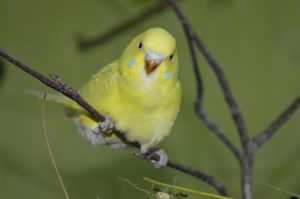
Quick Answer: PBFD (Psittacine Beak and Feather Disease) is a serious viral infection affecting budgies, with no cure currently available. Early detection through symptoms like feather loss, beak deformity, and immune system failure is critical. While treatment focuses on supportive care and management, prevention through quarantine protocols and veterinary screening remains your best defence. Quality avian veterinary care is essential for proper diagnosis and ongoing management.
Understanding PBFD: What Every Budgie Owner Needs to Know
Psittacine Beak and Feather Disease (PBFD) represents one of the most serious health threats facing budgie owners today. This viral infection, caused by the Beak and Feather Disease Virus (BFDV), affects the immune system and damages feather and beak tissue, leading to progressive deterioration and, ultimately, death in most cases. Unlike bacterial or fungal infections, PBFD cannot be cured with antibiotics or antifungal treatments—making prevention and early detection your most powerful tools.
Understanding PBFD is critical whether you’re a first-time budgie owner or an experienced breeder. The disease spreads through infected feather dust, droppings, saliva, and direct contact, making it a significant biosecurity concern in multi-bird households. We’ll explore every aspect of this condition: how to recognize the warning signs, what diagnostic options exist, how to manage affected birds, and most importantly, how to prevent PBFD from entering your home.
Comparison Table: PBFD Management & Prevention Products
| Product | Price (USD) | Best For | Key Feature | Where to Buy |
|---|---|---|---|---|
| Avian Vet Consultation (Initial) | $150-300 | Diagnosis and screening | Professional PBFD testing and evaluation | Find avian vets online |
| DNA PCR PBFD Test Kit | $80-150 | Accurate diagnosis | Home collection, lab confirmation | Check availability on Amazon |
| Stainless Steel Cage Disinfectant | $12-25 | Biosecurity measures | Safe, effective cage sterilization | View on Amazon |
| HEPA Air Purifier (Small) | $40-80 | Feather dust reduction | Removes airborne pathogens | See on Amazon |
| Probiotics for Birds | $18-35 | Immune system support | Strengthen gut health and immunity | Buy on Amazon |
| Premium Budgie Pellets | $15-30 | Nutritional support | Fortified with vitamins and minerals | Check price on Amazon |
| UV Light Therapy Bulb | $20-50 | Immune and feather health | Supports vitamin D and immune function | Check availability on Amazon |
| Separate Quarantine Cage System | $60-150 | Prevention and isolation | Safe housing for new or sick birds | View on Amazon |
PBFD Symptoms: Early Warning Signs to Watch For
PBFD develops in two distinct presentations: acute and chronic. Recognizing the symptoms early dramatically improves your ability to manage the condition and protect other birds.
Acute PBFD Symptoms
Acute PBFD typically appears in chicks and young birds under one year old. The progression is rapid and devastating:
- Severe feather loss appearing suddenly across the body, particularly on the head, neck, and wings
- Abnormal feather growth with feathers that are twisted, short, or fail to develop properly
- Beak deformity including overgrowth, soft texture, and irregular surface
- Rapid weight loss despite apparently normal feeding behaviour
- Diarrhea and poor digestion leading to malnutrition
- Lethargy and depression with reduced activity and appetite
- Secondary infections because the damaged immune system cannot fight bacterial or fungal invaders
Birds experiencing acute PBFD rarely survive beyond a few months of diagnosis. The condition progresses relentlessly, with death typically occurring from secondary infections or complete immune system failure.
Chronic PBFD Symptoms
Chronic PBFD develops more slowly in older birds and carriers, sometimes taking months or years to manifest:
- Gradual feather loss starting with specific areas like the head or wings
- Poor feather quality with ruffled, discoloured, or asymmetrical feathers
- Slow beak growth and subtle deformity that worsens over time
- Recurrent infections (respiratory, yeast, bacterial) that respond poorly to treatment
- Stunted growth in young birds that appear smaller than littermates
- Persistent diarrhea unresponsive to dietary changes
- Decreased vocalization and social withdrawal
Chronic carriers may appear relatively healthy for months but are highly contagious, shedding virus through feather dust and droppings. This makes chronic cases particularly dangerous in breeding situations or multi-bird households.
Budget-Friendly PBFD Management ($50-150)
Essential Budget Supplies
If you’re managing a bird suspected of or confirmed with PBFD, starting with budget-conscious support measures is practical:
- Probiotics for birds cost $18-25 and support immune function during stress
- Quality cage disinfectant ($12-18) helps prevent secondary infections
- Nutritional supplements like amino acid powder ($15-30) support feather regeneration
Budget options focus on supportive care rather than treatment, since PBFD has no cure. Ensure any infected bird receives excellent nutrition through premium pellets and fresh vegetables. High-quality pellets start at $15-20 per bag and provide essential nutrients your bird’s struggling immune system needs.
Basic quarantine supplies—separate food and water dishes, paper cage liners, and hand sanitizer—cost under $50 total and are absolutely essential for preventing virus transmission to other birds.
Mid-Range PBFD Care Solutions ($150-400)
Comprehensive Management Approach
Mid-range investment focuses on proper diagnostics and environmental optimization:
- Initial avian veterinary consultation ($150-250) for professional diagnosis and testing recommendations
- HEPA air purifier designed for bird rooms ($40-80) removes feather dust and airborne pathogens
- UV light therapy system ($30-60) supports immune function and vitamin D production
- Separate quarantine cage ($60-120) with accessories for safe isolation
This tier represents best practice for serious breeders or owners with valuable birds. Proper diagnosis through professional veterinary evaluation costs $150-300 but provides certainty about your bird’s status and guides all subsequent care decisions.
Environmental optimization through air filtration and UV lighting addresses the root causes of immune suppression, giving your bird the best possible chance of managing the virus long-term.
Premium PBFD Management ($400+)
Advanced Diagnostic and Support Systems
Premium investment includes advanced diagnostics, specialized veterinary care, and comprehensive environmental systems:
- DNA PCR PBFD testing ($80-150) provides definitive diagnosis vs. clinical assessment alone
- Regular follow-up avian vet visits ($150-300 per visit) every 6-12 weeks for ongoing monitoring
- Specialized immune-support supplements ($30-60 per bottle) including probiotics, omega-3s, and antioxidants
- Full-spectrum lighting systems with timers ($50-100) for optimal circadian rhythm support
- High-efficiency HEPA filtration system ($100-200) for dedicated bird room setup
Premium care is appropriate for serious breeders managing confirmed PBFD cases or high-value birds requiring maximum preventive support. The investment acknowledges that prevention through excellent husbandry is far more effective than treatment after infection.
Product Deep Dives: PBFD Management Solutions
Professional Avian Veterinary Consultation for PBFD Diagnosis
Who it’s for: Every budgie owner with a bird showing concerning symptoms, and mandatory for breeders before introducing new birds.
- Clinical examination by avian veterinary specialist
- Symptom assessment and disease history evaluation
- Beak and feather tissue examination
- Recommendation for appropriate testing (DNA-PCR, electron microscopy, or histopathology)
- Development of management and biosecurity protocols
- Guidance on bird isolation and household precautions
Price Range: $150-300 for initial consultation; $100-200 for follow-up visits
Pros:
- Definitive professional diagnosis rules out other conditions
- Expert guidance tailored to your specific situation
- Peace of mind for serious breeders and multi-bird households
- Avian vets understand PBFD better than general practitioners
Cons:
- Expensive and not always available locally
- Travel costs if no avian vet nearby
- Cannot provide a cure, only management guidance
DNA-PCR PBFD Testing Kits
Who it’s for: Breeders and owners who want definitive confirmation of PBFD status without expensive vet visits.
- Home collection kit with sterile feather and fecal samples
- Mailed to specialized avian laboratory
- DNA-PCR testing provides 99%+ accuracy
- Results within 5-10 business days
- Detailed report identifying virus presence and strain
- Cost-effective alternative to repeated vet visits
Price Range: $80-150 per test
Pros:
- Highly accurate and eliminates diagnostic uncertainty
- Can test multiple birds for cost-effectiveness
- No stress of vet transport for the bird
- Provides documentation for breeding programs
- More affordable than veterinary diagnosis alone
Cons:
- Requires proper sample collection technique
- Cannot provide veterinary consultation or treatment guidance
- Still need vet follow-up for management advice
Premium Probiotics for Immune System Support
Who it’s for: Any bird showing immune weakness, recurrent infections, or confirmed PBFD diagnosis.
- Multi-strain probiotic formulations (Lactobacillus, Bifidobacterium, etc.)
- Supports healthy intestinal flora and nutrient absorption
- Strengthens gut barrier function and immune response
- Available in powder, capsule, or liquid forms
- Can be mixed into soft foods or water
- Species-specific formulations designed for parrots
Price Range: $18-35 per bottle (30-60 day supply)
Pros:
- Non-invasive and completely safe
- Supports natural immune function
- Helps prevent secondary infections
- Improves feather and skin health
- Beneficial for all birds, not just those with PBFD
Cons:
- Not a cure and doesn’t eliminate PBFD virus
- Quality varies significantly between brands
- Some birds are picky about powder supplements
HEPA Air Purification Systems for Bird Rooms
Who it’s for: Owners with multiple birds, breeders managing PBFD-positive birds, or anyone in dusty environments.
- True HEPA filters capture 99.97% of particles 0.3 microns and larger
- Removes feather dust, dander, and airborne pathogens
- Activated carbon layer removes odours and volatile compounds
- Quiet operation suitable for bird room environments
- Various sizes from 200-500 CFM airflow
- Replacement filters available ($20-40 per set)
Price Range: $40-100 for unit; $20-40 for replacement filter sets
Pros:
- Dramatically reduces airborne virus particles
- Improves air quality for entire household
- Essential biosecurity measure for breeding programs
- Reduces feather dust-related respiratory issues
- Low operating costs and maintenance
Cons:
- Doesn’t eliminate need for other biosecurity measures
- Regular filter replacement required (every 3-6 months)
- Takes space in bird room or aviary
UVB Lighting Systems for Immune Support
Who it’s for: Indoor bird owners and those managing immunocompromised birds needing maximum health support.
- UVB spectrum (290-320nm) essential for vitamin D synthesis
- UVA spectrum (320-400nm) supports behavioural and hormonal health
- Specialized avian lighting with optimal spectral distribution
- Requires proper distance (12-18 inches) from bird
- Available as tube lights, compact bulbs, or full fixtures
- 12-hour daily exposure recommended for optimal benefit
Price Range: $20-80 for bulbs; $40-150 for complete fixtures with timers
Pros:
- Strengthens immune function through vitamin D production
- Improves feather and skin health significantly
- Supports calcium absorption and bone strength
- Regulates circadian rhythm for better sleep and mood
- Particularly beneficial for PBFD-positive birds
Cons:
- Requires proper installation and safety precautions
- Bulbs must be replaced every 6-12 months
- Fixture costs can be significant for premium systems
- Incorrect UV exposure can cause harm
Dedicated Quarantine Cage Systems
Who it’s for: Breeders, multi-bird households, and anyone introducing new birds or managing sick animals.
- Separate, fully enclosed cage (minimum 30″x18″x18″)
- Completely isolated from main bird area
- Includes separate food, water, perches, and toys
- Easy-clean design with removable liners
- Prevents direct contact and airborne transmission
- Minimum 30-day quarantine recommended for new birds
Price Range: $60-150 for complete quarantine setup
Pros:
- Only truly effective prevention method for PBFD
- Protects existing birds from new infections
- Allows disease observation without infecting entire collection
- Essential for responsible breeding
- Doubles as recovery space for sick birds
Cons:
- Requires dedicated space in home
- Takes time and effort to maintain properly
- Can be costly for elaborate systems
PBFD Testing and Diagnosis: A Step-by-Step Guide
Proper diagnosis is the foundation of PBFD management. Here’s how to navigate the testing process:
- Schedule avian veterinary consultation – Contact an avian veterinarian (not a general vet) who has experience with PBFD. Initial consultation costs $150-300 and includes physical examination and symptom assessment. Many areas have online avian vet directories to help you locate specialists.
- Prepare bird history and documentation – Gather information about where your bird came from, any health issues, symptoms observed, and timeline of illness. Include photos of any beak or feather abnormalities for the vet’s review.
- Discuss testing options with your vet – Avian vets typically recommend DNA-PCR testing as the gold standard, though some may suggest electron microscopy or tissue biopsy for definitive diagnosis. Each test has different costs and accuracy rates.
- Collect proper samples for testing – If pursuing DNA-PCR testing, you’ll need sterile feather samples (plucked with sanitized tweezers) and fecal samples collected in sterile containers. Your vet will provide collection kits with detailed instructions. Proper collection supplies ensure accurate results.
- Submit samples to accredited laboratory – Samples must be mailed to AAFCO-accredited or university-affiliated avian diagnostic labs (typically within 24 hours of collection). Turnaround time is 5-10 business days for DNA-PCR results.
- Review results with your avian vet – Positive results require a follow-up consultation ($100-200) to discuss management options, prognosis, and biosecurity protocols. Even negative results warrant discussion of preventive measures.
- Implement isolation protocols immediately – Once diagnosis is confirmed (or strongly suspected), immediately move the affected bird to a completely separate quarantine cage with dedicated supplies. All caretakers must follow strict hygiene protocols: hand washing, clothing changes, footbaths if moving between bird areas.
What You’ll Need for PBFD Diagnosis and Isolation
- Contact information for avian veterinary specialists in your region
- Sterile sample collection kit with tweezers and containers
- Dedicated quarantine cage (30″x18″x18″ minimum)
- Disposable paper cage liners for easy sanitation
- Antimicrobial hand sanitizer and disinfectant spray
- Dedicated food and water dishes for quarantined bird
- Heavy-duty disinfectant approved for bird equipment
Treatment and Management Strategies for PBFD
Unfortunately, there is currently no cure for PBFD. The virus cannot be eliminated through medication, and antivirals that work for other bird viruses are ineffective against BFDV. However, comprehensive management strategies can significantly improve quality of life and extend survival for affected birds.
Supportive Care Approaches
Nutritional Optimization: Birds with PBFD require premium nutrition to support their damaged immune system and promote feather regeneration. Feed high-quality pellets formulated with enhanced vitamins and minerals. Include fresh vegetables (dark leafy greens, orange vegetables, cruciferous vegetables) daily. Add omega-3 rich foods like flax seeds or chia seeds. Consider specialized supplements including amino acids (particularly lysine and methionine for feather growth), probiotics, and antioxidant powders.
Environmental Optimization: Provide 12-14 hours of uninterrupted sleep in a quiet, dark space—stress and sleep deprivation severely compromise immune function. Maintain consistent temperature (70-75°F) and moderate humidity (40-60%). Install UVB lighting for 8-12 hours daily to support vitamin D production and immune function. Use HEPA air filtration to reduce feather dust that can compromise respiratory function.
Stress Reduction: Minimize handling and environmental changes. Create a calm, quiet space away from household activity and other pets. Maintain consistent daily routines. Provide enrichment appropriate to the bird’s physical condition—not all birds can use swings or climbs if severely feathered-out.
Secondary Infection Prevention: This is critical, as PBFD-positive birds have severely compromised immune systems and readily succumb to bacterial, fungal, and parasitic infections. Maintain immaculate cage cleanliness with daily waste removal and weekly deep cleaning. Change water 2-3 times daily. Use food dishes that drain well to prevent mold growth. Monitor for signs of respiratory infection (wheezing, discharge, tail bobbing), yeast infection (feather plucking, skin irritation), or bacterial infection (lethargy, decreased appetite).
Medication Support: While no antiviral treatment exists, your vet may recommend preventive antibiotics (rarely) or targeted medications for secondary infections as they arise. Some vets recommend natural immune boosters like Echinacea or colostrum supplements, though evidence for their effectiveness is limited. Always consult your avian vet before giving any supplements or medications.
Prevention: The Best PBFD Management Strategy
Since PBFD cannot be cured, prevention is absolutely your best defence. Implementing proper biosecurity protocols reduces transmission risk dramatically.
Essential Prevention Measures
New Bird Quarantine Protocol: Never introduce a new bird directly into your collection. Implement a mandatory 30-60 day quarantine in a completely separate room with dedicated supplies, food, water, and caretaking equipment. During quarantine, monitor the bird closely for any PBFD symptoms: feather loss, beak changes, diarrhea, or secondary infections. Ideally, perform DNA-PCR testing before introducing the bird to your main collection. Always wash hands and change clothes when moving between quarantine and main bird areas.
Source Investigation: When acquiring new budgies, research the breeder or seller thoroughly. Ask directly about PBFD status in their birds. Reputable breeders test their breeding stock and can provide documentation. Avoid purchasing from pet stores or unknown sources where health status is unclear. Be particularly cautious with imported birds, as PBFD is endemic in many countries and strains can vary.
Hygiene Protocols for Multi-Bird Households: If you maintain multiple birds, practice strict biosecurity: maintain separate perches, dishes, toys, and bedding for each bird; wash hands thoroughly between handling different birds; wear dedicated clothing or cover-ups when handling birds; use footbaths when moving between bird areas; clean and disinfect any shared equipment between birds. Some serious breeders maintain completely separate facilities for birds of different ages or origins.
Aviary and Breeding Program Management: For breeders, test all breeding stock before breeding season. Maintain detailed health records and lineage documentation. Remove any bird showing PBFD symptoms immediately and re-test if necessary. Never breed from birds with questionable health history. Consider purchasing birds only from breeders with documented PBFD-free flocks.
Common PBFD Management Mistakes to Avoid
- Delaying veterinary consultation: Waiting to see if symptoms resolve on their own wastes critical time. PBFD progresses relentlessly, and early professional assessment is essential. Contact an avian vet at the first sign of unusual feather loss, beak changes, or persistent illness. The sooner you get proper diagnosis, the sooner you can implement isolation and management protocols.
- Assuming feather loss is always molting: Normal molting is symmetrical, controlled, and the bird generally appears healthy. PBFD feather loss is asymmetrical, rapid, distressing to the bird, and accompanied by other symptoms like beak changes or illness signs. Don’t assume abnormal feather loss is routine molting—get veterinary evaluation.
- Skipping quarantine for new birds: This is the single biggest mistake breeders and multi-bird owners make. Quarantine feels unnecessary when a bird looks healthy, but asymptomatic carriers can shed virus heavily. A single 30-day shortcut can infect your entire collection. Quarantine is non-negotiable.
- Inadequate sample collection for testing: Feather samples must be plucked (not molted feathers) and collected with sterile technique. Fecal samples must be fresh and uncontaminated. Poor sample quality leads to false negatives, allowing infected birds into your collection. Follow your laboratory’s collection instructions precisely.
- Sharing equipment between birds without disinfection: PBFD virus survives in feather dust and on surfaces for days. Sharing perches, toys, dishes, or hands between birds without thorough cleaning and handwashing spreads virus rapidly. Treat equipment as contaminated unless proven otherwise.
- Insufficient disinfection protocols: Generic household cleaners are inadequate for PBFD disinfection. Use hospital-grade disinfectants or bleach solutions (1:10 dilution) on all equipment. PBFD virus is susceptible to bleach but resistant to many standard pet-safe cleaners. Verify your disinfectant’s effectiveness against BFDV.
- Not isolating symptomatic birds immediately: Once you suspect PBFD, isolation must happen immediately. Every day the bird spends with other birds increases transmission risk exponentially. Move suspected birds to completely separate quarantine cage with dedicated supplies without delay.
Related Guides
For comprehensive budgie care information, explore these related articles:
- Budgie Poop Colour Chart: What Every Dropping Tells You — Learn to recognize health warning signs through droppings analysis
- Why Is My Budgie Losing Feathers? Causes, Treatments & 2026 Product Guide — Comprehensive guide to feather loss causes beyond PBFD
- Best Budgie Avian Vet Finder Guide: How to Find, Prepare & Afford Expert Bird Care — Find and work with avian specialists
- Best Budgie Pellets UK 2026: Top 7 Picks for Optimal Nutrition, Health & Happiness — Premium nutrition for immune support
- How to Set Up a Budgie Quarantine Cage: Complete 2026 Guide + Best Products — Detailed quarantine setup for prevention
- Best Budgie UV Light Bulb for Cage: Top 7 Picks for Healthy, Happy Birds — UVB lighting for immune enhancement
- Budgie Lifespan World Record: How to Help Your Bird Live Longer — Longevity strategies and health optimization
Frequently Asked Questions About PBFD
Is PBFD contagious to humans or other pets?
No, PBFD is not contagious to humans, cats, dogs, or any non-avian species. The virus is highly specific to parrots and related birds. However, humans can mechanically transmit the virus between birds through contaminated hands, clothing, or equipment, which is why strict hygiene protocols are essential in multi-bird households.
Can a budgie recover from PBFD?
No, there is currently no cure for PBFD. Once a bird is infected, the virus remains for life. Some birds with chronic PBFD may survive for extended periods (months to years) with excellent supportive care, but recovery is not possible. The virus will progressively damage the immune and feather systems, eventually leading to death from the disease itself or secondary infections.
How long can a budgie live with PBFD?
Survival time varies dramatically depending on the presentation. Acute PBFD in chicks typically results in death within 2-6 months of symptom onset. Chronic PBFD in older birds may allow survival of 1-3 years or occasionally longer with exceptional care. However, quality of life typically declines significantly, and death eventually occurs from disease progression or secondary infections.
What’s the difference between PBFD and other feather diseases?
PBFD is viral and affects both feathers and the beak, combined with severe immune suppression. Feather plucking is behavioural and psychological, affecting feather health without immune system involvement. Nutritional deficiencies cause poor feather quality but don’t damage the beak. Fungal (aspergillosis) or bacterial infections cause respiratory symptoms alongside feather issues. Only PBFD combines progressive bilateral feather/beak damage with immune collapse.
Should I euthanize a bird with PBFD?
This is an intensely personal decision that should be made with your avian veterinarian’s guidance, considering the individual bird’s quality of life, prognosis, and your resources. Some chronic PBFD birds maintain acceptable quality of life for extended periods with excellent care. Others suffer significant distress and disability. Your vet can assess the specific situation and discuss all options compassionately.
Can PBFD be prevented through vaccination?
Unfortunately, no PBFD vaccine currently exists. Vaccination research is ongoing, but no approved products are available. Prevention depends entirely on biosecurity measures: quarantine, testing, careful source selection, and rigorous hygiene protocols. Some researchers are investigating antiviral treatments and genetic approaches to improve resistance, but these remain experimental.
How accurate is PBFD testing?
DNA-PCR testing is highly accurate (95-99%) for detecting PBFD virus in symptomatic birds and chronic carriers. However, false negatives can occur in very early infection before viral shedding increases, requiring repeat testing. Clinical diagnosis based on symptoms and beak/feather examination is less reliable but appropriate when testing isn’t available. Always work with an avian vet to interpret results in context of clinical presentation.
Can budgies catch PBFD from the environment?
Yes, PBFD virus is extremely stable in the environment and survives on contaminated surfaces, feather dust, and in dried feces for days or weeks. Birds can contract PBFD by contacting contaminated cages, dishes, perches, or even through inhalation of feather dust from infected birds in the same house. This environmental persistence makes quarantine and strict disinfection protocols absolutely critical.
What supplements support PBFD-positive birds?
Multi-strain probiotics support gut health and immune function. Omega-3 supplements reduce inflammation and support feather quality. Amino acid powders (particularly containing lysine and methionine) fuel feather regeneration. Antioxidant supplements including Vitamin A, E, and C support immune cells. Colostrum and bee pollen contain immune-supporting compounds, though evidence for birds is limited. Always consult your avian vet before starting any supplement, as improper use can worsen some conditions.
How do breeders manage PBFD in their flocks?
Responsible breeders implement comprehensive biosecurity: test all breeding stock before breeding season; maintain strict quarantine protocols for any new acquisitions (minimum 30-60 days); keep detailed health and genetic records; remove any bird showing PBFD symptoms immediately; maintain separate facilities if possible; use dedicated equipment for different bird groups; practice rigorous hand hygiene and clothing changes between bird areas; avoid purchasing from unknown sources; and never breed from birds with questionable health history. Some breeders maintain PBFD-free certification through documentation and regular testing.
Conclusion: Making Informed PBFD Decisions
PBFD represents one of the most serious health challenges budgie owners face. Unlike bacterial infections treatable with antibiotics or nutritional deficiencies correctable with better diet, PBFD cannot be cured. However, this doesn’t mean hopelessness—it means prevention becomes paramount, and proper management can meaningfully extend life and preserve quality for affected birds.
The key to PBFD management is understanding that you have three critical junctures for decision-making: prevention through rigorous quarantine and biosecurity, early detectioncompassionate management
Invest in professional avian veterinary care—it’s the single most important decision you can make. Quality veterinary guidance costs money upfront but saves heartbreak and protects your entire collection. Support your bird’s immune system through premium nutrition, environmental optimization, and stress reduction. If you keep multiple birds, treat quarantine as non-negotiable—30 days of inconvenience protects years of collection health.
Most importantly, remember that excellent husbandry isn’t just about treating disease—it’s about preventing it from ever entering your home. That is the true foundation of successful, joyful budgie ownership.