
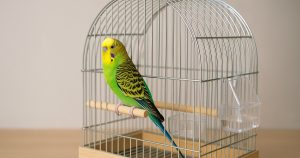
Quick Answer: Best Budgie Divider for Cage Separation
The best overall budgie divider for cage separation in 2026 is the Prevue Hendryx Universal Bird Cage Divider (around $18–$22), which fits most standard cage sizes, is built from bird-safe powder-coated wire, and installs in minutes without tools. If you’re on a tight budget, the Kaytee My First Home Bird Cage Divider Panel (~$10–$14) is a reliable no-frills option that keeps small birds safely separated. For the premium pick, the Mcage Stainless Steel Cage Divider (~$35–$45) offers unmatched durability, easy cleaning, and near-zero toxicity risk. Check today’s prices on Amazon and read on for the full breakdown.
Why You Might Need a Budgie Cage Divider
A cage divider is one of the most underrated accessories in any budgie keeper’s toolkit. Whether you’re introducing a new bird, managing a breeding pair, separating an ill or injured budgie, or simply giving a dominant bird some boundaries, a well-chosen divider makes all the difference. Without one, stress-related feather plucking, fighting, and even serious injuries are common when birds share a cage prematurely or unwillingly.
If you’re currently in the process of setting up a quarantine cage for a new bird, a divider can serve as a cost-effective alternative to buying a second full cage — allowing birds to see each other and gradually adjust while remaining safely separated. And if you’re managing the dynamics between one budgie versus two, a divider gives you flexibility without doubling your equipment costs.
Best Budgie Cage Dividers: 2026 Comparison Table
| Product | Price (USD) | Best For | Key Feature | Where to Buy |
|---|---|---|---|---|
| Prevue Hendryx Universal Bird Cage Divider | ~$18–$22 | Best Overall | Universal fit, powder-coated wire | Check Price on Amazon |
| Kaytee My First Home Cage Divider Panel | ~$10–$14 | Budget Pick | Simple clip-on design, lightweight | Check Price on Amazon |
| Mcage Stainless Steel Cage Divider | ~$35–$45 | Premium / Long-Term Use | Rust-proof stainless steel, dishwasher safe | Check Price on Amazon |
| You & Me Small Animal Cage Divider | ~$12–$16 | Budget + Small Cages | Adjustable width, easy to install | Check Price on Amazon |
| Yaheetech Bird Cage Divider Panel | ~$20–$28 | Mid-Range / Breeding | Solid bar spacing, compatible with Yaheetech cages | Check Price on Amazon |
| Custom Wire Mesh Cage Divider (DIY Panel) | ~$8–$15 | Odd-Sized or Custom Cages | Fully adjustable sizing | Check Price on Amazon |
| VIVOHOME Bird Cage Divider Panel | ~$22–$30 | Mid-Range / Multi-Bird Households | Solid construction, fine bar spacing ideal for budgies | Check Price on Amazon |
| Acrylic Clear Cage Divider Panel | ~$25–$38 | Visual Barrier Needed | Clear acrylic reduces visual stress between birds | Check Price on Amazon |
Budget, Mid-Range & Premium Budgie Cage Dividers
Budget Picks ($8–$16): Best for New Owners & Temporary Separation
If you only need a divider for a short period — like quarantining a new bird for a few weeks or temporarily separating a budgie that’s moulting — a budget option does the job perfectly. These are also ideal for owners who aren’t sure yet how long they’ll need the divider.
- Kaytee My First Home Cage Divider Panel (~$10–$14): Designed to clip directly into Kaytee cages but can work with many similar wire cage styles. It’s lightweight, easy to remove, and simple enough for first-time bird owners. See on Amazon.
- Custom Wire Mesh Panel (~$8–$15): Buy a sheet of appropriately-spaced wire mesh (ensure bar spacing is under 1/2 inch for budgies), cut to size, and attach with zip ties or cage clips. Best for non-standard or custom cage setups. Check availability on Amazon.
- You & Me Small Animal Cage Divider (~$12–$16): Originally designed for small animal cages, but the adjustable panel width works well in many standard budgie cage dimensions. View on Amazon.
Mid-Range Picks ($17–$30): Best for Ongoing Separation & Breeding Setups
If you need a divider for several months — particularly for a breeding pair, a long quarantine, or managing ongoing territorial behaviour — a mid-range product gives you the durability and fit quality that cheap panels lack.
- Prevue Hendryx Universal Bird Cage Divider (~$18–$22): Our overall top pick. It fits the widest range of cage brands, installs securely, and is made from powder-coated metal that’s safe for birds. This is the divider most experienced budgie owners reach for first. Check price on Amazon.
- Yaheetech Bird Cage Divider Panel (~$20–$28): Perfect if you already own a Yaheetech cage, but also compatible with similarly sized wire cages. The bar spacing is safe for budgies, and the build quality is noticeably better than budget options. Check price on Amazon.
- VIVOHOME Bird Cage Divider Panel (~$22–$30): A great all-rounder for multi-bird households. The solid construction means it won’t flex or warp over time, and the fine bar spacing prevents budgies from squeezing through or getting a foot caught. Buy on Amazon.
Premium Picks ($31–$50+): Best for Long-Term & Hygienic Setups
If you’re running a breeding operation, managing multiple birds long-term, or you simply want the safest and most hygienic option money can buy, go premium. These products are built to last years, are easy to sterilise, and eliminate any risk of toxic coatings flaking off.
- Mcage Stainless Steel Cage Divider (~$35–$45): The gold standard. Stainless steel is non-toxic, rust-proof, and can be put through the dishwasher. If you’re serious about your birds’ long-term health, this is the divider to buy. Check price on Amazon.
- Acrylic Clear Cage Divider Panel (~$25–$38): When you want a complete visual barrier — for example, preventing two dominant males from fixating on each other — a clear acrylic panel blocks sight lines without blocking airflow through the rest of the cage. Pairs well with stainless steel cages discussed in our stainless steel vs plastic budgie cage guide. See on Amazon.
Product Deep Dives: Best Budgie Cage Dividers in 2026
1. Prevue Hendryx Universal Bird Cage Divider (~$18–$22)
Best for: Most budgie owners who want a reliable, widely-compatible divider that just works.
- Powder-coated wire construction — safe and durable
- Designed to work with most standard rectangular wire bird cages
- Tool-free installation — clips securely to existing cage bars
- Bar spacing appropriate for budgies (prevents feet or head entrapment)
- Lightweight but stable under normal bird activity
Price range: ~$18–$22
- Pros: Universal fit saves you guessing; easy to remove and reinstall; trusted brand with good customer support; suitable for long-term use
- Cons: Powder coating can chip over time with rough cleaning; not dishwasher safe; may not fit unusually shaped or very small cages
2. Mcage Stainless Steel Cage Divider (~$35–$45)
Best for: Breeders, multi-bird households, or owners who prioritise hygiene and toxin-free materials above all else.
- 304-grade stainless steel — completely rust-proof and non-toxic
- Dishwasher safe for quick sterilisation between birds
- Solid, heavy-duty build that won’t flex or warp
- Smooth bar edges prevent feather damage or foot injuries
- Available in multiple size options to suit different cage widths
Price range: ~$35–$45
- Pros: Completely non-toxic — no flaking coatings; lasts indefinitely with proper care; easiest to clean and sterilise; ideal for breeding pairs
- Cons: Higher upfront cost; heavier than powder-coated options; may need size customisation for non-standard cages
3. Yaheetech Bird Cage Divider Panel (~$20–$28)
Best for: Owners with Yaheetech cages or similarly dimensioned wire cages who want a snug, branded fit.
- Designed as a direct fit accessory for Yaheetech bird cage models
- Powder-coated steel construction with fine bar spacing
- Integrates seamlessly with cage door and tray systems
- Secure latch points prevent birds from dislodging the divider
- Straightforward installation with provided clips
Price range: ~$20–$28
- Pros: Snug, gap-free fit if you own a Yaheetech cage; competitive price for the build quality; latch system more secure than many generic dividers
- Cons: Limited compatibility with other cage brands; not as easy to sterilise as stainless options; bar coating durability is average
4. Acrylic Clear Cage Divider Panel (~$25–$38)
Best for: Owners who need a complete visual barrier between two birds that are showing stress or aggression towards each other.
- Made from food-safe, bird-safe acrylic plastic
- Transparent — allows light to pass through while blocking sight lines
- Smooth edges reduce risk of feather damage
- Can be wiped clean easily with bird-safe cleaning products
- Works as a visual barrier in conjunction with a wire divider for double protection
Price range: ~$25–$38
- Pros: Reduces visual stress between aggressive or overly bonded birds; allows natural light to flow through the cage; easy to wipe clean; can be cut to custom sizes
- Cons: Not a standalone structural divider — best used with a wire divider for actual physical separation; can scratch over time; airflow through the panel is limited
5. Kaytee My First Home Cage Divider (~$10–$14)
Best for: Budget-conscious new owners with Kaytee cages or as a short-term quarantine solution.
- Lightweight plastic and wire panel design
- Clip-in installation takes under a minute
- Designed specifically for Kaytee My First Home cage series
- Bar spacing safe for small parakeets and budgies
- Compact and easy to store when not in use
Price range: ~$10–$14
- Pros: Very affordable entry point; tool-free and fast to install; genuinely useful for quarantine periods; Kaytee is a widely trusted pet brand
- Cons: Limited to Kaytee cage compatibility; plastic clips can wear out with repeated removal; not suitable as a permanent long-term solution
6. VIVOHOME Bird Cage Divider Panel (~$22–$30)
Best for: Multi-bird households where a permanent or semi-permanent divider is needed across a large cage.
- Solid powder-coated steel construction
- Fine bar spacing ideal for smaller birds including budgies
- Compatible with a range of VIVOHOME cage models
- Stable enough that active birds won’t dislodge it
- Good value for the build quality at this price point
Price range: ~$22–$30
- Pros: Sturdy and stable; bar spacing won’t allow budgies to get stuck; good compatibility with popular mid-range cage brands; well-reviewed for multi-bird setups
- Cons: Slightly heavier than budget alternatives; coating durability is medium; fit can vary slightly between cage production batches
How to Set Up a Budgie Cage Divider: Step-by-Step Guide
What You’ll Need
- A compatible cage divider — browse options on Amazon
- Bird-safe cage cleaning spray — essential before installing any new accessory (see our cage cleaning guide)
- Fresh cage liner for each side after separation
- Extra food and water dishes — one set per section (see on Amazon)
- Perches for each section — at least two per bird (check wooden perches on Amazon)
- Zip ties or cage clips (if your divider needs extra securing)
- Clean the cage thoroughly before installing the divider. Any new cage accessory should go into a clean environment. Use a bird-safe disinfectant spray and allow it to dry fully before proceeding. This prevents bacteria from being trapped behind the divider panel.
- Measure your cage width carefully. Most cage dividers are designed to span the internal width of the cage. Use a measuring tape across the interior of the cage (not the exterior) and match this to the divider’s listed dimensions. If using a custom wire mesh panel, cut it 1–2 cm larger than needed on each side so it fits snugly against the bars.
- Check the bar spacing of your divider. Before installing, check that the divider’s bars are no more than 1/2 inch (1.27 cm) apart. Wider spacing risks a budgie pushing through or getting a foot or head caught — both of which are dangerous.
- Install the divider by clipping it to the existing cage bars. Most dividers use spring clips, zip ties, or hook-and-loop attachments. Clip the divider securely at both the top and bottom, and check it doesn’t wobble or flex significantly when you push it gently with your hand.
- Set up both sections with food, water, and enrichment. Each bird needs its own complete setup — food bowl, water dish, and at least one toy and two perches. Never assume one bird will “share” through the divider. Check our toy rotation guide to keep both birds stimulated on each side. Consider adding a swing toy and a bell toy to each section for engagement.
- Monitor closely for the first 24–48 hours. Birds may attempt to chew the divider, get their feet caught in the bars, or become stressed by the visual presence of another bird. Watch for signs of stress such as excessive feather fluffing, sitting at the bottom of the cage, or reduced eating. Our guide on budgies sitting at the bottom of the cage can help you interpret these signals.
- Reassess after the quarantine or separation period. If you’re separating birds for quarantine, the standard recommended period is 30–45 days. After this time, reintroduce birds under close supervision before removing the divider. If you’re managing ongoing territorial issues, consider whether the cage itself is large enough — check our best budgie cages guide for upgrade options.
Mistakes to Avoid When Using a Budgie Cage Divider
-
Using a divider with bar spacing that’s too wide.
Bar spacing over 1/2 inch (1.27 cm) is a serious hazard for budgies. They can push their head or feet through and become trapped, causing injury or death. Always check the divider’s stated bar spacing before purchasing, and test it by sight before installation. Look for fine-spacing dividers on Amazon. -
Failing to provide separate resources on each side.
One of the most common beginner mistakes is placing the food and water dishes on one side only, assuming the other bird will manage. Each section must have its own complete set of food bowls, water dispensers, and enrichment. A bird without access to food or water can deteriorate rapidly. -
Installing a divider in a cage that’s too small to begin with.
If your cage is already tight for one budgie, halving the space with a divider is genuinely harmful. The minimum recommended cage size for one budgie is 18″W x 18″D x 18″H, meaning you’d need at least a 36-inch-wide cage to comfortably divide it for two birds. If your cage is undersized, consider upgrading before installing a divider — browse our top cage picks for 2026. -
Using toxic materials in a DIY divider.
If you’re building a custom divider from hardware store materials, ensure the wire is galvanised (zinc-free) or stainless steel. Zinc and lead-coated wires are highly toxic to birds. Similarly, avoid using glue, paint, or zip ties with plasticisers — stick with stainless steel clips or plain zip ties rated for food-safe use. -
Leaving the divider installed without regular cleaning.
Bacteria, droppings, and seed debris accumulate on divider bars just like they do on perches and cage floors. A dirty divider can harbour illness-causing bacteria that spread between both birds. Clean your divider weekly with a bird-safe cage cleaner and replace cage liners on both sides regularly. -
Assuming a divider replaces proper quarantine protocols.
A cage divider is a useful tool, but if you’re introducing a brand new bird, remember that a divider doesn’t prevent the spread of airborne pathogens. A full 30–45 day quarantine in a completely separate room is still recommended before any kind of cage sharing, even with a divider in place. Read our full quarantine cage setup guide for the complete protocol. -
Not checking the divider daily for damage or shifting.
Budgies are surprisingly persistent chewers and climbers. A divider that was secure on day one can gradually shift, warp, or develop a gap that a determined budgie could exploit. Do a quick visual check every day and re-secure any loose clips immediately.
What to Look for When Buying a Budgie Cage Divider
Not all cage dividers marketed for birds are truly safe or practical for budgies specifically. Here’s what matters most when choosing:
- Bar spacing: Must be 1/2 inch or less. Non-negotiable for budgie safety.
- Material: Powder-coated steel is adequate for most budgie owners. Stainless steel is the safest long-term option. Avoid galvanised steel coated with zinc.
- Cage compatibility: Measure your cage interior width and confirm the divider matches before purchasing. Many returns happen because buyers skip this step.
- Attachment method: Clip-on dividers that attach to existing bars are easier and safer than freestanding panels that rely on tension alone.
- Ease of cleaning: You’ll need to clean this weekly, so consider how easy it is to remove, wipe down, and reinstall.
- Height: The divider must span the full internal height of the cage — partial height dividers allow birds to fly over the top, defeating the purpose entirely.
If you’re purchasing a new cage at the same time, many manufacturers like Prevue Hendryx, Yaheetech, and VIVOHOME offer matching dividers designed to integrate perfectly with their cage models. This is the easiest way to guarantee a proper fit. Browse our best budgie cages 2026 guide for cage and divider pairing recommendations.
Frequently Asked Questions About Budgie Cage Dividers
What is a budgie cage divider used for?
A budgie cage divider is used to physically separate two or more birds within the same cage structure. Common uses include quarantining a new bird before full introduction, separating an injured or sick bird for recovery, managing a breeding pair, and preventing bullying or territorial behaviour between birds that need time to adjust to each other.
What bar spacing is safe for a budgie cage divider?
The maximum safe bar spacing for a budgie cage divider is 1/2 inch (approximately 1.27 cm). Wider spacing risks a budgie’s head, beak, or foot becoming trapped between bars, which can cause serious injury. Always check the manufacturer’s stated bar spacing before purchasing, and verify it physically before installation.
Can I use a cage divider instead of a second cage for quarantine?
A cage divider can be used as a temporary measure during a supervised introduction period, but it does not replace a full quarantine in a separate room. Airborne pathogens and some bacterial infections can still spread between birds sharing the same air space. The safest quarantine protocol involves keeping the new bird in a completely separate room for 30–45 days before any cage sharing. Read our full quarantine cage guide for detailed steps.
How do I know if my cage is big enough to use with a divider?
As a general rule, your cage should be at least 36 inches wide to be comfortably divided for two budgies. Each bird needs a minimum of 18 inches of horizontal space to fly, perch, and exercise. If your cage is smaller than this, it’s better to upgrade your cage rather than install a divider in an inadequate space. Browse large budgie cages on Amazon.
What material is safest for a budgie cage divider?
Stainless steel is the safest material for any budgie cage accessory, including dividers. It is non-toxic, rust-proof, and can be fully sterilised. Powder-coated steel is a safe and acceptable alternative for most owners, provided the coating is intact and the underlying metal is zinc-free. Avoid any divider with galvanised steel (often zinc-coated), as zinc is highly toxic to birds. See stainless steel options on Amazon.
How do I stop my budgie from chewing the cage divider?
Budgies are natural chewers, so some interaction with the divider is normal. The key is ensuring the divider material is non-toxic so that any incidental chewing doesn’t cause harm. Redirect chewing behaviour by providing plenty of dedicated chew toys on each side of the divider — wooden toys and foraging toys work particularly well. You can also try repositioning perches so birds aren’t sitting directly against the divider.
Do I need to buy separate food and water for each side of the divider?
Absolutely yes. Each bird must have its own complete set of food and water on its side of the divider. Never assume a bird will “share” resources through the bars. A bird locked out of food or water can become dehydrated or malnourished within hours. Buy extra food and water dishes on Amazon.
Can I use a plastic or acrylic divider instead of wire?
Clear acrylic dividers are useful specifically when you want a visual barrier between birds — for example, to prevent two dominant males from fixating aggressively on each other through the bars. However, acrylic alone doesn’t provide adequate ventilation or structural separation for most use cases. The best approach for most owners is a wire divider with an optional acrylic overlay when a full visual barrier is needed. Check acrylic divider options on Amazon.
How often should I clean a budgie cage divider?
Clean your cage divider at least once a week as part of your regular cage cleaning routine. Use a bird-safe disinfectant spray, scrub off any stuck-on debris with a soft brush, rinse thoroughly, and allow to air dry before reinstalling. Stainless steel dividers can go in the dishwasher for full sterilisation — a major advantage for multi-bird households.
What are the signs that cage separation is stressing my budgie?
Signs of separation-related stress in budgies include excessive feather fluffing, sitting at the bottom of the cage, reduced eating or drinking, continuous calling towards the other bird, and feather plucking. If you notice any of these behaviours persisting beyond 48–72 hours, reassess your setup. Consult our guide on why your budgie might be sleeping too much and consider consulting an avian vet if the behaviour continues. You can find a qualified specialist through our avian vet finder guide.