
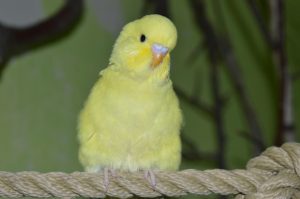
The world of budgie mutations is absolutely fascinating—and some colours are so rare that dedicated breeders spend years hunting for them. If you’re interested in the rarest budgie colours and mutations available in the UK, you’ll discover a stunning range from grey-greens to violet dilutes and albinos that command premium prices. Let’s explore what makes these birds so special, how genetics work behind the scenes, and where you can find or support breeding of these extraordinary varieties.
Quick Answer
The rarest budgie colours in the UK include Violet, Grey-Green, Slate, Opaline mutations, and Albino/Lutino varieties, with some specimens fetching £100–£500+ depending on the breeder and genetics. A comprehensive budgie mutation genetics guide book (typically £12–£18) is invaluable for understanding how these rare colours inherit. For serious breeders interested in pursuing rare mutations, a dedicated breeding logbook ($8–£15) helps you track genetics across multiple generations to develop rarer lines.
Comprehensive Comparison Table: Rarest Budgie Colours & Mutations
| Mutation/Colour | Rarity Level | Approximate UK Price | Key Genetic Feature | Where to Find Information |
|---|---|---|---|---|
| Violet | Extremely Rare | £150–£400 | Single recessive gene creates deep purple coloration | View breeding guides on Amazon |
| Albino | Extremely Rare | £200–£500 | Complete loss of all pigment; requires two recessive genes | Check care resources on Amazon |
| Lutino | Very Rare | £120–£350 | Sex-linked recessive; yellow birds with red eyes | Find genetics info on Amazon |
| Grey-Green | Very Rare | £80–£250 | Autosomal dominant; combines grey and green pigments | See breeding charts on Amazon |
| Slate | Very Rare | £100–£280 | Grey-blue coloration; dilute recessive mutation | Check mutation guides on Amazon |
| Opaline (Rare combinations) | Rare | £60–£200 | Double-factor genes create unique patterns and depth | View patterns on Amazon |
| Spangle (Recessive) | Very Rare | £90–£240 | Distinctive white/yellow edging on wing markings | Explore genetics on Amazon |
| Clearwing | Rare | £50–£180 | Reduced melanin; clear wings with body colour | Check breeding info on Amazon |
Understanding Budgie Genetics & Rarity Factors
Before diving into specific mutations, it’s crucial to understand what makes a budgie colour truly “rare.” Rarity in budgies is determined by several factors: the genetic inheritance pattern (dominant vs. recessive), how many genes are required to express the colour, and how widespread the mutation is across UK breeders.
Autosomal recessive mutations (like Violet and Slate) require two copies of the gene—one from each parent—making them statistically rarer than dominant traits. Sex-linked recessive mutations (like Lutino) appear more frequently in males but can skip generations in females, creating unpredictable breeding outcomes. Understanding these patterns helps explain why certain colours command such premium prices.
For breeders keen on developing rare strains, a quality pedigree tracking chart (£10–£20) becomes essential for managing bloodlines responsibly.
Budget Tier: Rarer Common Mutations (£30–£80)
Clearwing Budgies
Best for: Beginners interested in mutations without breaking the bank; collectors seeking unusual colours on a modest budget.
Clearwings are a fantastic entry point into the world of rare mutations. These birds feature a dramatic reduction in melanin (dark pigment), creating stunningly clear wings while maintaining the body’s primary colour—yellow, white, or occasionally pastel shades. They’re more accessible than truly rare mutations but still distinctly unique.
- Genetics: Autosomal recessive (two gene copies required)
- Price range: £40–£120 depending on pedigree
- Appearance: Clear, almost transparent wings; clean body colour
- Health considerations: Generally robust; no known breed-specific health issues
- Breeder availability: Moderate in UK; easier to find than Violet or Albino
Pros:
- Beautiful, striking appearance distinguishes them from standard budgies
- More affordable than truly rare mutations like Albino
- Good genetics learning opportunity for breeding enthusiasts
- Viable breeding birds; no extreme health complications
Cons:
- Less rare than Violet or Slate varieties
- Some breeders may over-price based on appearance alone
- Finding quality examples requires breeder connections
Check care guides for Clearwings on Amazon
Pied & Recessive Pied Budgies
Best for: Those wanting distinctive spotted/patched appearance at mid-budget pricing.
Pied mutations create unique patches of light (yellow/white) and dark pigmentation, producing one-of-a-kind patterns. Recessive Pieds are far rarer than dominant Pieds and offer more dramatic contrast.
- Genetics: Both dominant and recessive forms exist; recessive is rarer
- Price range: £35–£100 (Recessive Pied £70–£150)
- Appearance: Highly variable; patches of bright and dark colour
- Uniqueness: No two Pieds look identical, making each bird special
- Breeding: Recessive Pieds require careful pairing
For managing Pied breeding projects, grab a genetics workbook from Amazon to track colour inheritance.
Mid-Range Tier: Very Rare Mutations (£80–£250)
Grey-Green Budgies
Best for: Experienced budgie enthusiasts; breeders seeking to develop a unique colour line.
Grey-Green is one of the most visually stunning yet underrated mutations. These birds combine grey pigmentation on the back with green coloration on the breast and wings, creating a sophisticated, mottled appearance that looks almost hand-painted. They’re autosomal dominant, meaning only one gene copy is needed, yet remain rare because breeders haven’t heavily pursued this mutation.
- Genetics: Autosomal dominant (one copy expresses the trait)
- Price range: £80–£250 depending on bloodline quality
- Appearance: Mixed grey and green throughout; unique per individual
- Health profile: No known complications; robust birds
- Breeding potential: Easier than recessive mutations; ideal for developing lines
Pros:
- Truly distinctive appearance; rarely seen at pet shops
- Dominant genetics mean easier breeding outcomes
- Robust health; no predisposition to genetic issues
- Growing collector interest; future appreciation potential
- Can be bred to create even more complex mutations
Cons:
- Requires sourcing from specialist breeders
- More expensive than common mutations
- Limited availability; may need to join breeding networks
To source quality Grey-Greens, check breeder network resources on Amazon.
Slate Budgies
Best for: Collectors wanting sophisticated, subtle coloration; breeders pursuing grey-blue genetics.
Slate is a dilute mutation creating grey-blue plumage with an elegant, understated beauty. Unlike brighter mutations, Slates have a calm, cool-toned appearance that appeals to those preferring sophisticated aesthetics.
- Genetics: Autosomal recessive dilute (two gene copies required)
- Price range: £100–£280
- Appearance: Soft grey-blue throughout body; pale markings
- Health: Generally healthy; dilute birds may have slightly reduced pigment robustness
- Rarity: Uncommon in UK; requires specialist breeder sourcing
Pros:
- Sophisticated, calming coloration
- Appealing to breeders seeking subtlety over brightness
- Dilute genetics offers breeding variety
- Healthy, long-lived birds (see our guide to budgie lifespan for longevity tips)
Cons:
- Hard to locate quality specimens
- Recessive genetics mean breeding two Slates may not always produce Slates
- Less visually striking than neon mutations
View Slate breeding guides on Amazon
Opaline Double-Factor Mutations
Best for: Advanced breeders; collectors seeking maximum visual complexity.
Opaline mutations create distinctive reverse patterns in wing and body markings. When combined with other mutations (double or triple factors), they produce some of the most intricate and eye-catching budgies available. Double-factor Opalines are genuinely rare.
- Genetics: Sex-linked dominant; double-factor birds show maximum expression
- Price range: £80–£220 for quality double-factors
- Appearance: Intricate patterns; reversed or enhanced markings; highly individual
- Breeding: Requires understanding of sex-linked inheritance
- Rarity: Very uncommon in UK pet market
For tracking complex genetic combinations, purchase an inheritance chart on Amazon.
Premium Tier: Extremely Rare Mutations (£150–£500+)
Violet Budgies: The Crown Jewel of Mutations
Best for: Serious collectors; dedicated breeders; those with deep passion and budget for rarest varieties.
Violet is arguably the most coveted budgie mutation worldwide. These extraordinary birds feature deep purple or violet coloration that ranges from soft lavender to rich royal purple. The mutation is autosomal recessive, meaning both parents must carry the gene, making Violets exceptionally rare. True Violet birds—not simply purple-tinged Standard birds—command premium prices and are sought by collectors globally.
- Genetics: Autosomal recessive (both parents must carry gene)
- Price range: £150–£400+ for quality Violets; exceptional lineages £500+
- Appearance: Rich purple throughout; intensity varies with light and genetics
- Health profile: Robust; no breed-specific issues
- Breeding: Extremely challenging; requires multiple generations of careful selection
- Availability: Extremely limited in UK; may wait 6–12 months for breeding pair
Pros:
- Genuinely rare; owning one makes you part of an exclusive group
- Stunning visual impact; conversation-starting birds
- Investment potential; values hold or appreciate
- Breeding success brings prestige and satisfaction
- Long lifespan (typically 8–12 years) provides decades of enjoyment
Cons:
- Extremely high cost; £200–£500 per bird not uncommon
- Very limited availability; may require joining specialty clubs
- Breeding is unpredictable; recessive genetics mean not all offspring are Violet
- Requires commitment to responsible breeding practices
- Finding verified Violets (vs. heavily purple-tinged birds) is challenging
Where to source: Specialist UK budgie breeders, budgie clubs (SCBA—Scottish Cage Bird Association, ABCU—Avicultural Breeding and Conservation Union), and online networks. Check specialist guides on Amazon.
Albino Budgies: Pure White Elegance
Best for: Premium collectors; breeders committed to preserving rare genetics; those valuing extreme rarity above all.
Albino budgies are completely white with red or pink eyes—a stunning and unmistakable appearance. These birds are the result of a sex-linked recessive mutation that eliminates all pigment. Albinos are among the absolute rarest budgies, with very few breeders maintaining bloodlines. Finding a genuine Albino in the UK is a monumental undertaking.
- Genetics: Sex-linked recessive (females need two copies, males one)
- Price range: £200–£500+ (premium bloodlines exceed £600)
- Appearance: Pure white plumage; red/pink eyes; no colour markings
- Health: Generally healthy but may experience eye sensitivity to bright light
- Rarity: Extremely rare; waiting lists common; 1–2 year sourcing timeframes normal
- Breeding: Highly specialized; requires deep genetic knowledge
Pros:
- Absolutely unique appearance; instantly recognizable
- Extreme rarity equals prestige and collectibility
- Sex-linked genetics offer unique breeding opportunities
- Striking contrast to any environment
- Active collector community provides support and knowledge
Cons:
- Extremely expensive; among the costliest budgies available
- May require eye protection from intense sunlight (see our UV light guide for proper cage lighting)
- Extraordinarily difficult to source; may require international contacts
- Breeders are protective of bloodlines; not readily available for sale
- Breeding outcomes unpredictable; not guaranteed to produce Albino offspring
How to source: Contact SCBA, ABCU, or major UK bird societies. Join specialist Albino/Lutino breeding groups online. Prepare for multi-year waiting periods. Get comprehensive care guides on Amazon.
Lutino Budgies: Golden Rarity
Best for: Serious enthusiasts; breeders pursuing sex-linked mutations; those wanting rarity at slightly lower cost than Albino.
Lutinos are bright yellow or golden budgies with red eyes, created by a sex-linked recessive mutation. While slightly more available than Albinos, they’re still genuinely rare in the UK. Lutinos command substantial prices and make extraordinarily beautiful birds—the canary-like golden plumage is unmistakable.
- Genetics: Sex-linked recessive (females need two copies)
- Price range: £120–£350 for quality birds
- Appearance: Bright yellow/golden throughout; red eyes; no dark markings
- Health: Generally robust; may benefit from eye protection from intense UV
- Rarity: Uncommon; available but requires specialist breeder sourcing
- Breeding: Sex-linked genetics mean specific male/female combinations needed
Pros:
- Stunning golden appearance; highly decorative
- Red eye colour adds exotic appeal
- Slightly more accessible than Albino but still genuinely rare
- Sex-linked genetics offer interesting breeding combinations
- Growing collector interest maintains or increases value
Cons:
- Costly; £100–£300 typical price range
- Less available than standard colours; requires specialist sourcing
- Eye sensitivity may require cage positioning away from intense light
- Breeding females carrying recessive gene may not express the colour visually
Explore Lutino genetics on Amazon
Deep Dive: Genetic Principles Behind Rare Mutations
Autosomal Recessive Mutations (Violet, Slate, Clearwing)
Autosomal recessive mutations require two copies of the mutant gene—one inherited from each parent. If a budgie carries only one copy, it appears normal (wild-type) but is a carrier. Only when two carriers breed together do offspring express the mutation. This is why recessive mutations are genuinely rarer: you need two specific birds to produce the coloured offspring.
Example: Two carrier Standard budgies (genotype Ss) can produce:
- 25% homozygous dominant (SS) = Normal appearance
- 50% heterozygous carrier (Ss) = Normal appearance but carries gene
- 25% homozygous recessive (ss) = Expresses rare mutation
This 1-in-4 ratio explains why dedicated breeders maintain extensive pedigrees. Digital pedigree tracking tools on Amazon help serious breeders manage this complexity.
Sex-Linked Recessive Mutations (Albino, Lutino, some Opalines)
Sex-linked mutations are carried on the X chromosome. Males (XY) need only one copy to express the colour; females (XX) need two. This creates asymmetrical inheritance patterns:
- Males: One gene copy = trait expressed (hemizygous)
- Females: Two gene copies = trait expressed (homozygous); one copy = carrier (heterozygous)
For example, a Lutino male bred to a Normal female may produce Normal males and Lutino females (all females carry the gene from father). This inheritance pattern makes predicting sex-linked traits more complex but also creates opportunities for strategic breeding.
Autosomal Dominant Mutations (Grey-Green, Dominant Pied)
Autosomal dominant mutations express with just one gene copy. A bird needs only inherit the mutation from one parent to display the trait. Dominant mutations are typically more common than recessive (statistically), yet Grey-Green remains rare because breeders haven’t heavily pursued it.
A Grey-Green budgie (Gg) bred to a Normal budgie (gg) produces approximately:
- 50% Grey-Green (Gg)
- 50% Normal (gg)
This simpler inheritance makes Grey-Green easier to breed while maintaining rarity due to limited breeder interest.
Understanding Colour Genetics: What Makes Colours Rare?
Rarity in budgie mutations isn’t simply about how often the genes appear—it’s about breeder effort, market demand, and genetic complexity. Some factors determining rarity:
- Genetic inheritance pattern: Recessive mutations are mathematically rarer than dominant ones
- Breeder network size: Violet has few dedicated UK breeders; thus, it’s rare despite being genetically possible
- Breeding difficulty: Mutations requiring specific gender combinations or double-factor genes are rarer
- Health complications: If a mutation correlates with health issues, fewer breeders pursue it ethically
- Historical availability: Mutations established decades ago (like Standard) are common; newer imports are rarer
- Market demand: High demand increases breeding efforts, reducing rarity (e.g., sky blue was rare 20 years ago)
This explains why a mutation like Clearwing—while still uncommon—costs £50–£100, whereas Violet commands £200–£500. Violet breeders are far fewer, and the recessive genetics means lower success rates.
Step-by-Step Guide: Sourcing Rare Budgies in the UK
Step 1: Join Specialist Communities & Networks
What you need:
- SCBA membership (Scottish Cage Bird Association)
- ABCU membership (Avicultural Breeding and Conservation Union)
- Online budgie forums and Facebook breeding groups
- Local cage bird club contacts
These communities connect you with breeders, provide genetics education, and often have waiting lists for rare mutations. Many breeders don’t advertise publicly; they work through networks.
Step 2: Research Breeder Credentials & Bloodlines
Before committing money, verify:
- Breeder reputation: Years in hobby, show history, references from other buyers
- Genetic honesty: Can they provide pedigree documentation proving the mutation?
- Health testing: Do they test for genetic issues? What’s their health guarantee?
- Post-sale support: Will they provide ongoing breeding advice if you plan to breed?
Reputable breeders are transparent about genetics, won’t guarantee specific mutations in offspring, and provide full pedigrees. Avoid breeders making guaranteed claims about breeding outcomes.
Step 3: Understand Genetics Before Breeding
If you’re investing in rare budgies for breeding, educate yourself thoroughly. Buy comprehensive genetics guides on Amazon (typically £12–£20). Understand:
- Whether your mutation is autosomal or sex-linked
- What carriers look like (if applicable)
- Realistic breeding success rates
- How to pair birds responsibly to avoid inbreeding
Responsible breeding means not maximizing profits but preserving genetic diversity and health.
Step 4: Prepare Appropriate Housing
Rare budgies deserve premium care. Ensure you have:
- Spacious cage or aviary (see our flight cage guide for housing standards)
- Proper perching options; wooden perches on Amazon (£8–£20) support foot health
- Breeding box if planning to breed; quality nesting boxes on Amazon (£15–£40)
- Proper nutrition; premium pellet options guide
- Health monitoring: thermometers on Amazon (£5–£15)
Step 5: Set Realistic Timelines & Budgets
Sourcing rare budgies isn’t quick or cheap:
- Timeline: Expect 6–18 months waiting for specific rare mutations
- Cost: £150–£500+ per bird; breeding pairs cost £300–£1,000+
- Breeding investment: Proper housing, nutrition, and healthcare costs £200–£500 annually
- Incubation: If using an incubator (optional), quality models cost £40–£150; see incubator options on Amazon
Budget for long-term commitment. These birds live 8–12 years; breeding ventures typically span 3–5 years minimum.
Step 6: Monitor Genetics & Maintain Records
Serious breeders maintain detailed records using:
- Paper breeding logbooks on Amazon (£8–£15)
- Digital spreadsheets tracking parents, offspring, genetics, health
- Photography of birds to document colour intensity and clarity
These records help you understand whether your breeding programme is successfully establishing the mutation and maintaining genetic health.
Common Mistakes to Avoid When Pursuing Rare Budgies
- Mistake: Confusing colour-enhanced birds with true mutations. Problem: Sellers sometimes overprice heavily blue-tinted Standard budgies as “rare” colours. A true rare mutation has genetic documentation and pedigree. Fix: Always request pedigree proof and breeder references. Ask breeders to explain the bird’s genetics clearly.
- Mistake: Breeding without understanding genetics. Problem: Pairing two rare birds doesn’t guarantee rare offspring; genetics are unpredictable. You may end up with Standard-coloured birds and disappointed expectations. Fix: Study autosomal vs. sex-linked inheritance. Use a genetics calculator or chart from Amazon before breeding. Connect with established breeders for mentorship.
- Mistake: Ignoring health for aesthetics. Problem: Pursuing the rarest colour at expense of genetic health leads to weak birds with shorter lifespans. Fix: Prioritize breeders who health-test and diversify bloodlines. A slightly less rare bird from a health-focused breeder beats a stunning but genetically compromised specimen.
- Mistake: Buying from unreputable sellers. Problem: Online marketplaces or unknown breeders may misrepresent birds or provide false pedigrees. You could pay premium prices for misidentified colours. Fix: Only work with established breeders connected to UK cage bird clubs or associations. Request references. Visit breeders in person if possible.
- Mistake: Underestimating housing & care costs. Problem: Rare budgies need premium care—spacious housing, specialized nutrition, veterinary oversight. Cutting corners damages these valuable birds. Fix: Budget £300–£500 initially for proper housing (see our starter kit guide), plus £100–£200 annually for quality food and care supplies.
- Mistake: Assuming guaranteed breeding outcomes. Problem: Recessive mutations mean even two rare birds may produce Standard-coloured offspring. Breeding is unpredictable; no breeder can guarantee outcomes. Fix: Accept that breeding is a long-term hobby requiring patience. View it as preserving genetics, not maximizing profits.
- Mistake: Neglecting veterinary care. Problem: Rare birds represent significant investment; vet costs are justified but often unexpected. Delaying care for cost reasons risks losing these irreplaceable birds. Fix: Find an avian vet experienced with budgies before bringing birds home. Budget £50–£150 for routine checkups annually. Maintain pet insurance if available for rare birds.
Product Recommendations for Rare Budgie Owners & Breeders
Breeding & Genetics Essentials
The Budgie Genetics Handbook is a comprehensive guide explaining inheritance patterns, mutation combinations, and how to predict breeding outcomes. Price: £15–£20. Essential reading for anyone pursuing rare mutations seriously.
A dedicated breeding logbook (£10–£18) helps you track parents, dates, offspring, and genetics across generations. Quality paper examples are durable and easy to reference.
Nesting & Incubation
If you plan to breed rare budgies naturally (without incubation), a high-quality wooden nesting box on Amazon (£20–£40) is essential. Natural breeding is more reliable than artificial incubation for budgies.
For those considering artificial incubation, view incubator options on Amazon (£60–£150). However, most UK budgie breeders prefer natural breeding by hens.
Nutrition & Health Monitoring
Rare budgies deserve premium nutrition. Check our pellets guide for top recommendations. Pair pellets with millet spray treats and ensure proper calcium intake via cuttlebone.
A digital cage thermometer on Amazon (£5–£12) helps maintain ideal temperatures (65–75°F) for healthy breeding pairs.
Housing Upgrades
Rare budgies benefit from spacious housing. Consider:
- Premium flight cages (£100–£250) for pair or small group housing
- Indoor/outdoor aviaries (£200–£600) for serious breeders with space
- Natural wooden perches (£8–£30) promoting foot health
- Cage dividers on Amazon (£15–£35) for separating birds during adjustment periods
Related Guides
- First Time Budgie Owner Guide UK 2026 – Essential reading before acquiring any budgie, including rare varieties
- Where to Buy a Budgie UK – Comprehensive guide to finding reputable breeders and sources
- Best Budgie Nesting Box for Breeding – Detailed guide for those planning to breed rare mutations
- How to Tell if a Budgie Egg Is Fertile – Essential for breeders monitoring egg development
- Budgie Lifespan & Longevity Guide – Ensure rare budgies live their full potential lifespan
Frequently Asked Questions About Rare Budgie Colours & Mutations
What’s the rarest budgie colour in the world?
Violet is universally considered the rarest budgie mutation globally. True Violets require specific genetic combinations and are bred by only a handful of enthusiasts worldwide. In the UK, Albino and Lutino are equally rare, with perhaps a dozen serious breeders maintaining lines. Expect waiting lists of 12–24 months and prices exceeding £300 for verified specimens.
How much do rare budgie colours cost?
Pricing varies dramatically by rarity and source. Budget mutations like Clearwing cost £40–£100. Mid-range rare mutations (Slate, Grey-Green, Opaline) run £80–£250. Premium rarities (Violet, Albino, Lutino) command £150–£500+. Exceptional pedigree birds or breeding pairs can exceed £1,000. Always budget for waiting periods; these birds aren’t readily available at pet shops. Reference pricing guides on Amazon for context.
Can you breed two rare budgies and guarantee rare offspring?
No. Breeding is inherently unpredictable, especially with recessive mutations. Two rare budgies may produce Standard-coloured offspring if recessive genetics combine unfavourably. For example, two heterozygous carriers produce approximately 25% mutants and 75% normals or carriers. Understanding this is crucial before breeding. Join breeder networks for realistic expectations and mentorship.
Are rare budgies harder to care for than standard ones?
Not inherently. Most rare mutations are genetically sound and require identical care to standard budgies—proper housing, nutrition, socialization, and veterinary oversight. Some dilute colours (like Slate or Clearwing) may benefit from slightly increased nutrition to support optimal pigmentation. Eye sensitivity in Albinos and Lutinos means positioning cages away from intense midday sun. Overall, care is similar; the main difference is premium cost and sourcing difficulty.
Where can I find rare budgies in the UK?
Established breeder networks are your best source. Join SCBA (Scottish Cage Bird Association), ABCU (Avicultural Breeding and Conservation Union), or local cage bird clubs. These organizations maintain breeder directories and organize shows where breeders exhibit rare mutations. Online forums and specialized Facebook groups connect collectors and breeders. Never buy from unknown online sellers; always verify breeder credentials and request references. Visiting breeders in person is ideal.
What’s the difference between a carrier and a visually rare budgie?
A carrier is a bird that genetically carries a recessive mutation but doesn’t display it visually—it looks like a standard budgie. For example, a carrier Violet looks completely normal but carries one Violet gene. Only when two carriers breed together do offspring express the visible Violet mutation. A visually rare budgie displays the mutation—you can see the unusual colour. Both have value in breeding programmes, but visual birds command higher prices because their rarity is immediately apparent.
Can rare mutations be combined (double or triple factor)?
Absolutely, and this is where expert breeders create truly extraordinary birds. Combining mutations—say, Opaline + Violet + Clearwing—produces birds unlike anything in nature. Double-factor mutations (two copies of a dominant trait) show more intense colour expression. However, combining mutations increases breeding complexity exponentially. Consult advanced genetics resources on Amazon before attempting complex combinations.
Do rare budgie colours affect temperament or behaviour?
No credible evidence suggests colour mutations influence personality. A Violet budgie is just as likely to be friendly, vocal, or playful as a Standard green bird. Genetics affecting colour are entirely separate from behavioural traits. Individual personality varies within any colour variety. Don’t assume rare colours mean rare personalities—temperament is individual.
How can I verify a budgie is truly a rare mutation and not mislabeled?
Request pedigree documentation showing parents’ genetics. Reputable breeders provide detailed pedigrees. Ask breeders to explain the bird’s genetics—can they articulate the inheritance pattern? Physical inspection: examine the bird in natural and artificial light; true rare mutations display consistent colour throughout the body and wings. Meet the bird in person if possible. Avoid buying sight-unseen from unknown sources. Seek references from previous buyers. Join collector groups and share photos for verification before purchasing.
What’s the future of rare budgie breeding in the UK?
Rare mutation interest is growing steadily. Younger breeders are joining clubs and pursuing mutations with renewed enthusiasm. Online networking makes connecting with specialists easier. However, establishing new colour lines requires multi-generational commitment—typically 5–10 years minimum. Responsible breeding prioritizes genetic diversity and health, limiting how many birds enter the market. Expect rare mutations to remain genuinely uncommon but gradually more accessible as more breeders participate. Prices may slowly moderate as breeding networks expand, but truly rare mutations like Violet will remain premium investments.
Final Thoughts: The Joy of Rare Budgie Ownership
Pursuing rare budgie colours is a deeply rewarding hobby combining genetics education, aesthetic appreciation, and commitment to preserving unique avian heritage. Whether you’re a collector acquiring a single stunning Violet budgie or a dedicated breeder developing your own rare lines, these extraordinary birds offer decades of fascination and joy.
The investment—financial and temporal—is substantial, but for those passionate about budgies and genetics, it’s absolutely worthwhile. Connect with UK breeder networks, invest in quality educational resources like genetics guides from Amazon, and approach breeding responsibly. Your rare budgies deserve expert care, proper housing, premium nutrition, and veterinary oversight throughout their 8–12 year lifespan.
The budgie fancy has produced these extraordinary colours through dedicated breeders’ work over decades. By sourcing responsibly and maintaining best practices, you become part of a global community preserving these unique genetic treasures for future generations.