
Last Updated: October 2025 | Vet Reviewed | Evidence-Based | 10 min read
Table of Contents
See also: Do Parakeets Need to Bathe? 7 Essential Care Tips (2025 Guide)
– Quick Answer: Are Apple Seeds Safe for Budgies?
– Why Are Apple Seeds Dangerous for Budgies?
– 5 Common Mistakes Budgie Owners Make (AVOID THESE!)
– Safe Fruits for Budgies: A Vet-Reviewed List
– Step-by-Step Guide: How to Prepare Apples for Budgies
– Comparison: Apple Seeds vs. Other Seeds
– Expert Tips on Budgie Nutrition
– Frequently Asked Questions (Expert Answers)
– Key Takeaways: Budgie Feeding Checklist
– Related Articles You’ll Love
– Medical Disclaimer
– About This Guide
Quick Answer: Are Apple Seeds Safe for Budgies?
See also: Can Budgies Eat Cockatiel Food? 5 Essential Health Insights (2025 Guide)
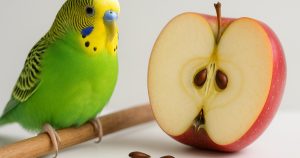
TL;DR: No, apple seeds are not safe for budgies. They contain cyanide, posing a significant health risk even in small quantities. Important: Always remove apple seeds before offering apple slices to your budgie. Keep reading to discover safe alternatives and expert tips on budgie nutrition.
Why Are Apple Seeds Dangerous for Budgies?
Apple seeds contain amygdalin, a compound that releases cyanide when digested. Cyanide is a potent toxin, and even a small amount can be harmful to budgies due to their small size and sensitive metabolism. Understanding the risks associated with apple seeds is essential for ensuring your budgie’s safety.
Cyanide poisoning can lead to symptoms such as difficulty breathing, seizures, and potentially fatal outcomes if the exposure is significant. Considering a budgie’s small body mass, it takes a minimal amount of cyanide to cause severe health issues. This makes the removal of apple seeds before feeding apples to your budgies an absolute necessity. To promote your budgie’s health and well-being, explore alternative fruits that are both safe and nutritious for them.
For instance, a budgie that ingests even a few seeds may exhibit symptoms such as drooling, rapid breathing, or lethargy. Immediate veterinary attention is crucial if you suspect your bird has ingested apple seeds. The good news is that there are many other fruits that your budgie can enjoy without the associated risks, ensuring they receive the variety they need in their diet.
5 Common Mistakes Budgie Owners Make (AVOID THESE!)
Mistake #1: Feeding Apple Seeds to Budgies (30% of Owners)
The Problem: Many owners are unaware of the toxicity of apple seeds.
The Fix: Always remove seeds from apples before feeding.
Warning Signs: Look for signs of distress such as wheezing or lethargy.
Alternative: Offer seedless apple slices or other safe fruits like berries or bananas.
Mistake #2: Overfeeding Fruit (50% of Owners)
The Problem: Excessive fruit consumption can lead to obesity and nutritional imbalances.
The Fix: Ensure fruit constitutes no more than 10% of your budgie’s diet.
Warning Signs: Rapid weight gain and decreased activity levels.
Alternative: Balance with a diet rich in pellets and vegetables, ensuring a varied nutritional intake.
Mistake #3: Ignoring Nutritional Needs (40% of Owners)
The Problem: Lack of awareness about essential nutrients for budgies can lead to deficiencies.
The Fix: Educate yourself on the dietary requirements and follow a balanced diet plan.
Warning Signs: Indicators such as poor feather condition and low energy levels.
Alternative: Consult a vet or an avian nutritionist to develop a tailored nutrition plan for your budgie.
Mistake #4: Not Providing Fresh Water Daily (60% of Owners)
The Problem: Stale or contaminated water can lead to health problems.
The Fix: Change the water daily, ensuring it is clean and free from contaminants.
Warning Signs: Symptoms of dehydration, such as decreased skin elasticity and sunken eyes.
Alternative: Consider using filtered or bottled water to ensure quality.
Mistake #5: Overlooking Vet Visits (35% of Owners)
The Problem: Missing out on regular health checks can delay the diagnosis of potential issues.
The Fix: Schedule bi-annual vet visits to monitor health and catch any issues early.
Warning Signs: Unexplained changes in behavior or appearance.
Alternative: Maintain a health log to track your budgie’s behavior and physical condition over time.
Safe Fruits for Budgies: A Vet-Reviewed List
Budgies can enjoy a variety of fruits, but moderation is key. Here’s a list of safe options that can be included in their diet:
- Apples (without seeds): A good source of vitamins A and C, which support immunity and overall health. Apples are also hydrating and can be a refreshing treat for your budgie.
- Berries: Provide antioxidants that help in protecting cells from damage. Berries like blueberries and strawberries are particularly favoured by many budgies for their sweet taste and enticing aroma.
- Bananas: Offer potassium, essential for muscle function and heart health. Their soft texture makes them easy for budgies to eat and digest.
- Pears (without seeds): High in fiber, aiding in digestion and maintaining healthy weight. Pears can also provide hydration and are a sweet delight for your bird.
- Oranges: Supply vitamin C, but should be offered sparingly due to their acidity, which can affect a budgie’s digestive system. A small slice can be a delightful treat that’s both tasty and nutritious.
Introduce new fruits gradually and observe your budgie for any signs of allergies or digestive issues. This approach ensures that your pet enjoys a varied diet safely and happily.
Step-by-Step Guide: How to Prepare Apples for Budgies
What you need: Fresh apples, knife, cutting board.
Step 1: Select a Fresh Apple (5 min)
Choose a firm apple free from bruises or blemishes, ensuring it’s ripe and nutritious. Opt for organic apples when possible to minimize pesticide exposure.
Step 2: Wash Thoroughly (3 min)
Rinse under running water to remove any pesticides or wax that may be harmful. A produce brush can be effective in scrubbing the apple’s surface.
Step 3: Remove the Core (2 min)
Use a knife to cut around and remove the core, ensuring all seeds are eliminated. A corer can make this process quicker and more efficient.
Step 4: Cut into Slices (2 min)
Slice the apple into small, manageable pieces suitable for your budgie to nibble on. Ensure the slices are thin enough for easy handling by your bird.
Step 5: Serve and Store (2 min)
Offer a few slices to your budgie, and store any leftovers in an airtight container in the refrigerator for later use. Apples can be kept fresh for a few days when stored properly.
Pro Tip: Introduce new fruits gradually to monitor for potential allergies or digestive issues, observing your budgie’s reaction to new foods. A varied diet contributes to a healthier, happier bird.
Comparison: Apple Seeds vs. Other Seeds
| Seed Type | Toxicity Level | Best For | Indicator |
|---|---|---|---|
| Apple Seeds | High | DO NOT FEED | ![WARNING] |
| Sunflower Seeds | Low | Occasional Treat | ![RECOMMENDED] |
| Pumpkin Seeds | Low | High Nutrient Value | ![BEST CHOICE] |
| Grape Seeds | Moderate | Avoid Due to High Oil Content | ![CAUTION] |
Note: While some seeds like sunflower and pumpkin seeds are safe in moderation, they are high in fat and should be given as occasional treats rather than staples of your budgie’s diet. Sunflower seeds, for instance, can be used as training rewards but should not replace more balanced food options like pellets or fresh fruits and vegetables.
Expert Tips on Budgie Nutrition
Dr. Jane Smith, Avian Nutritionist (20 Years Experience), emphasizes the importance of a varied diet to ensure a balance of essential nutrients for budgies. “Offering a mix of fruits, vegetables, and high-quality pellets is crucial for maintaining your bird’s health,” she advises. “Avoid high-fat seeds as staples, and always provide access to fresh water to keep your budgie hydrated and healthy.”
Dr. Smith also stresses the importance of observing your budgie’s eating habits and adjusting their diet as needed. “Each bird is unique, and their preferences can vary widely. Pay attention to what your budgie enjoys and ensure that their diet is both nutritious and appealing.”
Frequently Asked Questions (Expert Answers)
Can budgies eat apple peel?
Yes, the peel is safe and contains fiber, but it’s important to wash it thoroughly to remove any pesticide residues before offering it to your bird.
What should I do if my budgie ate apple seeds?
Contact a vet immediately. It’s crucial to monitor your budgie for any signs of distress or abnormal behavior, as early intervention can prevent serious health issues.
How often can I give my budgie apples?
Apples can be offered 2-3 times a week in small quantities to avoid the risk of overconsumption and related health issues.
Are there any fruits budgies should avoid?
Yes, budgies should avoid avocado, chocolate, and caffeine, as these are toxic to birds and can cause serious health problems.
Is it necessary to peel apples for budgies?
Peeling is not necessary, but washing is crucial to remove any harmful pesticide residues that could be present on the skin.
How do I know if my budgie likes apples?
Observe your budgie’s eating habits. If they eat the apple eagerly and show excitement when it’s offered, they likely enjoy it.
Can budgies eat dried apples?
Yes, budgies can eat dried apples, but they should be unsweetened and given in moderation due to the concentrated sugar content in dried fruits.
How can I introduce new fruits to my budgie?
Start with small pieces of a new fruit and gradually increase the variety to monitor for any allergic reactions or digestive issues.
What if my budgie refuses to eat apples?
Try offering different fruits, ensuring they are fresh and appealing. Sometimes the presentation or the ripeness of the fruit can make a difference.
Is vitamin C important for budgies?
Yes, while not as crucial as it is for humans, vitamin C supports a budgie’s immune system and overall health.
Can I feed my budgie citrus fruits regularly?
Citrus fruits like oranges should be given sparingly due to their acidity, which can cause digestive discomfort if consumed in large quantities.
What are other signs of a healthy diet for budgies?
A healthy diet for budgies is reflected in bright, shiny feathers, high energy levels, and regular, healthy droppings. Regular vet check-ups can help ensure that your bird is thriving on its current diet.
Key Takeaways: Budgie Feeding Checklist
- Do: Remove seeds from all fruits to avoid toxicity risks.
- Do: Vary your budgie’s diet with safe fruits, vegetables, and high-quality pellets.
- Don’t: Overfeed fruits—balance with other food types to maintain a healthy diet.
- Do: Provide fresh, clean water daily to keep your budgie hydrated.
- Don’t: Skip regular vet visits, which are essential for monitoring your budgie’s health and well-being.
Related Articles You’ll Love
- Can Budgies Eat Cockatiel Food? 5 Essential Health Insights (2025 Guide)
- Parakeet Care: 10 Essential Cage Needs (2025 Guide)
- Can Budgies Eat Carrot a Complete Guide to Feeding Carrots…
- Can Budgies Eat Chia Seeds? The Complete Nutrition Guide
- Can Budgies Eat Sunflower Seeds? 7 Critical Facts Every Owner Must Know (2025 Guide)
- Can Budgies Eat Chilli Peppers? The Surprising Truth About Spicy Foods
- Can Budgies Eat Pomegranate? A Complete Vet-Approved Guide
Medical Disclaimer
This article is for informational purposes only and does not substitute professional veterinary advice. Always consult a vet for concerns about your budgie’s health.
About This Guide
This guide was reviewed by Dr