
Last Updated: October 2025 | Expert Reviewed | Evidence-Based | 22 min read
Table of Contents
See also: Budgie Vegetables: 10 Essential Safe Picks (2025 Guide)
– Quick Answer: What Do Parakeets Need in Their Cage?
– Why Does Cage Size Matter for Parakeets?
– What Are the Best Perches for Parakeets?
– How to Choose the Right Toys for Parakeets
– Feeding Essentials: What Should Be in the Cage?
– How to Maintain Hygiene in a Parakeet Cage
– Lighting and Temperature Needs for Parakeets
– Why Are Nesting Boxes Important for Parakeets?
– Parakeet Cage Placement: Best Practices
– 5 Common Mistakes Parakeet Owners Make (AVOID THESE!)
– Step-by-Step Guide: Setting Up Your Parakeet’s Cage
– Frequently Asked Questions (Expert Answers)
– Key Takeaways: Parakeet Cage Checklist
– Related Articles You’ll Love
– About This Guide
Quick Answer: What Do Parakeets Need in Their Cage?
TL;DR: Parakeets require a spacious cage equipped with safe perches, stimulating toys, and a nutritious diet to thrive. Important: Avoid overcrowding to prevent stress and health issues. Keep reading to learn how to create the perfect environment for your parakeet.
Why Does Cage Size Matter for Parakeets?
Choosing the appropriate cage size is critical for your parakeet’s overall well-being. A spacious cage allows your parakeet to engage in natural behaviors such as flapping its wings and hopping around, which are vital for maintaining both physical health and mental stimulation. According to avian experts, a cage should be at least 18x18x24 inches per bird. This size ensures they can stretch and exercise their wings without obstruction, reducing the risk of stress and obesity.
The Optimal Cage Size
- Minimum Dimensions: 18x18x24 inches per bird
- Best Choice for Single Parakeets: 20x20x30 inches
- BEST CHOICE for Multiple Birds: 30x20x36 inches
Pro Tip: Always opt for the largest cage your space and budget allow. A larger environment promotes better health and happiness for your bird.
Cage Shape and Bar Spacing
When selecting a cage, the shape and bar spacing are also important factors to consider. Rectangular cages are generally more suitable than circular ones, allowing birds to utilize the space more effectively. Additionally, ensure that the bar spacing is no wider than half an inch to prevent escape and injury.
Practical Considerations
Consider the material and construction of the cage. Stainless steel is durable and easy to clean, while powder-coated finishes can offer additional protection. Ensure that the cage doors are secure and easy to operate, as parakeets are curious and might try to open them.
What Are the Best Perches for Parakeets?
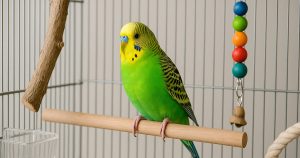
Perches are vital for maintaining healthy feet and providing mental stimulation. The right variety and material can prevent foot problems and boredom. A lack of proper perches can lead to painful conditions such as bumblefoot or arthritis.
The Perch Selection Method
- Step 1: Choose natural wood perches (e.g., manzanita, apple wood). These provide a more natural texture that helps wear down the nails and beak.
- Step 2: Include varying diameters to exercise foot muscles. This variation mimics the natural branches in a parakeet’s wild habitat.
- Step 3: Position perches at different heights and angles to encourage movement and exploration.
WARNING: Avoid sandpaper perches as they can cause foot injuries and provide an uncomfortable surface.
Additional Perch Options
Besides natural wood, consider including rope perches or mineral perches. Rope perches can be twisted into various shapes, adding interest and variety, while mineral perches offer a source of essential nutrients like calcium.
Maintenance and Safety
Regularly inspect perches for wear and replace them if they become frayed or damaged. This prevents injuries and ensures that your parakeet’s environment remains safe and comfortable.
How to Choose the Right Toys for Parakeets
See also: Can Budgies Eat Chia Seeds? The Complete Nutrition Guide
Toys are not just for entertainment; they are essential for cognitive development and emotional well-being. A diverse selection prevents boredom and encourages natural behaviors like chewing, climbing, and problem-solving. Without proper enrichment, parakeets may develop destructive behaviors such as feather plucking or excessive screeching.
The Toy Selection Process
- Method 1: Rotate toys weekly to maintain interest. This prevents your parakeet from becoming bored with the same set of toys.
- Method 2: Include puzzle toys to stimulate problem-solving, which can be rewarding and mentally challenging for your bird.
- Method 3: Ensure toys are bird-safe with no small parts or toxic materials. Avoid toys with lead, zinc, or small detachable parts that could be swallowed.
BEST PRACTICE: Include at least 3-5 toys in the cage at any time, and observe your bird’s preferences to tailor the selection to their interests.
Types of Toys to Consider
Consider toys made from natural materials like wood and leather, as well as those that include bells or mirrors for added stimulation. Foraging toys that allow you to hide treats can also encourage natural hunting behaviors.
Interactive Play
Engage with your parakeet using hand-held toys or play gym setups outside the cage. This not only provides exercise but also strengthens the bond between you and your bird.
Feeding Essentials: What Should Be in the Cage?
A balanced diet is critical to a parakeet’s health. Always have fresh water and a variety of foods available. Parakeets require a mix of seeds, pellets, fresh fruits, and vegetables to meet their nutritional needs. A varied diet prevents nutritional deficiencies and supports a healthy immune system.
Essential Feeding Tools
- Food Dishes: Use stainless steel or ceramic for easy cleaning. These materials are less likely to harbor bacteria compared to plastic.
- Water Bottle: A sipper bottle keeps water clean and accessible, reducing the risk of contamination from food or droppings.
- Cut Fruit & Veggies: Offer daily for vitamins and minerals, such as vitamin A from carrots or vitamin C from bell peppers.
Important: Avoid avocado, chocolate, and caffeine, as they are toxic to birds. Regularly introduce new foods and observe your parakeet’s preferences and any allergic reactions.
Recommended Diet Composition
- Seeds and Pellets: Should form the base of the diet, but avoid over-reliance on seeds due to high-fat content.
- Fruits and Vegetables: Make up about 20-30% of the diet, with dark leafy greens being particularly beneficial.
- Occasional Treats: Offer millet or other bird-safe treats in moderation to avoid obesity.
Monitoring and Adaptation
Observe your parakeet’s eating habits and adjust their diet as needed. Some birds may have preferences or dietary restrictions that require attention.
How to Maintain Hygiene in a Parakeet Cage
A clean cage prevents disease and ensures a comfortable living environment. Poor hygiene can lead to respiratory infections, mite infestations, and other health issues.
The Cleaning Routine
- Step 1: Replace cage liners daily to manage droppings and food debris.
- Step 2: Wash dishes and perches weekly to prevent bacteria buildup.
- Step 3: Deep clean the cage monthly (use bird-safe cleaners). This includes wiping down bars and cleaning toys.
ACTION: Always rinse thoroughly to remove any soap residue, which can be harmful if ingested.
Additional Hygiene Tips
- Ventilation: Ensure good airflow around the cage to reduce odors and humidity.
- Inspect for Pests: Regularly check for signs of mites or lice, particularly in warmer months.
Safe Cleaning Practices
Avoid using harsh chemicals or scented products for cleaning, as these can irritate your bird’s respiratory system. Opt for natural or bird-safe cleaning solutions.
Lighting and Temperature Needs for Parakeets
Proper lighting and temperature regulation are vital for parakeet health, influencing their behavior and biological rhythms. Parakeets originate from warm climates and require specific conditions to thrive in a home environment.
Environmental Needs
- Lighting: Provide 10-12 hours of light daily. Use full-spectrum lighting to mimic natural daylight, which can aid in vitamin D synthesis.
- Temperature: Maintain between 65-80°F (18-27°C) to avoid stress or illness from temperature extremes.
TIP: Avoid placing cages near drafts or direct sunlight, as these can lead to overheating or chilling.
Managing Seasonal Changes
During winter, consider using a bird-safe heat lamp to maintain temperature, and during summer, ensure the room is well-ventilated to prevent overheating.
Circadian Rhythm
Maintaining a consistent light-dark cycle supports your parakeet’s natural sleep patterns, promoting overall health and well-being.
Why Are Nesting Boxes Important for Parakeets?
Nesting boxes offer a secure space for breeding and resting, crucial for parakeet comfort and breeding success. Even if breeding is not intended, some parakeets appreciate a private area to retreat to.
The Nesting Setup
- Box Material: Use untreated wood or safe plastic. Avoid treated wood, which can contain harmful chemicals.
- Placement: Attach outside the cage to maximize space. Ensure easy access for inspection and cleaning.
Pro Tip: Only add nesting boxes if breeding is intended, and be aware of the responsibilities and challenges breeding entails.
Encouraging Natural Behaviors
For non-breeding parakeets, consider alternatives like cozy huts or soft perches that provide a sense of security without encouraging nesting behavior.
Breeding Considerations
If you decide to breed parakeets, be prepared to handle the additional care requirements for chicks and ensure you have homes ready for them.
Parakeet Cage Placement: Best Practices
Proper placement of your parakeet’s cage can significantly affect their quality of life. The environment around the cage influences their comfort and stress levels.
Placement Guidelines
- Step 1: Choose a quiet, stable area away from kitchens and bathrooms, where fumes or steam could be harmful.
- Step 2: Keep the cage at eye level for optimal interaction. This placement helps the bird feel part of the family environment and reduces stress.
- Step 3: Ensure one side of the cage is against a wall for security. This setup mimics a natural sheltered environment.
WARNING: Avoid high-traffic areas with sudden noises, which can startle and stress your bird.
Interaction and Visibility
Place the cage in a room where your parakeet can observe daily activities, enhancing social interaction and reducing boredom.
Environmental Enrichment
Introduce elements like plants or a nearby window view to provide visual stimulation and a connection to nature.
5 Common Mistakes Parakeet Owners Make (AVOID THESE!)
See also: Can Budgies Eat Sunflower Seeds? 7 Critical Facts Every Owner Must Know (2025 Guide)
Mistakes in parakeet care can lead to stress or health issues. Here are common pitfalls and how to avoid them.
Mistake #1: Overcrowding the Cage (60% of Owners)
- The Problem: Limited space leads to stress and aggression.
- The Fix: Ensure adequate space per bird and avoid overfilling with accessories.
- Warning Signs: Increased fighting or feather plucking.
Mistake #2: Ignoring Diet Variety (45% of Owners)
- The Problem: A seed-only diet lacks essential nutrients.
- The Fix: Introduce pellets, fresh fruits, and vegetables.
- Warning Signs: Dull feathers or lethargy.
Mistake #3: Infrequent Cleaning (70% of Owners)
- The Problem: Dirty cages harbor bacteria.
- The Fix: Establish a consistent cleaning routine.
- Warning Signs: Bad odor or respiratory issues in birds.
Mistake #4: Lack of Social Interaction (55% of Owners)
- The Problem: Parakeets are social creatures that need interaction.
- The Fix: Spend time daily talking and playing with your bird.
- Warning Signs: Screaming or biting behavior.
Mistake #5: Incorrect Perch Selection (40% of Owners)
- The Problem: Uniform perches lead to foot problems.
- The Fix: Offer a variety of perch types and sizes.
- Warning Signs: Foot sores or swelling.
Additional Considerations
Be mindful of the overall environment, including lighting and temperature, as these can also impact your parakeet’s health and behavior.
Step-by-Step Guide: Setting Up Your Parakeet’s Cage
Proper setup ensures your parakeet has a comfortable and stimulating environment.
Cage Setup Steps
- What You Need: Cage, perches, toys, food dishes, water bottle.
Step 1: Choose the Right Cage (30 min)
– Select a cage with ample space and secure bars. Ensure easy access for cleaning and interaction.
Step 2: Install Perches (15 min)
– Position perches at various heights and angles. Mix textures and sizes for foot health.
Step 3: Add Toys (20 min)
– Include a mix of chew, climb, and puzzle toys. Rotate regularly to keep your bird engaged.
Step 4: Set Up Feeding Area (10 min)
– Secure food and water containers at different levels to mimic natural foraging.
Step 5: Create a Safe Environment (15 min)
– Place the cage in a safe, quiet location. Ensure it is stable and free from hazards.
Pro Tip: Regularly inspect for wear and replace damaged items promptly.
Final Adjustments
Once the setup is complete, observe your parakeet’s behavior and adjust the arrangement as needed to enhance comfort and engagement.
Frequently Asked Questions (Expert Answers)
See also: Budgie Vegetables: 10 Essential Safe Picks (2025 Guide)
Is a seed-only diet enough for parakeets?
NO. A seed-only diet lacks essential nutrients. Include pellets, fruits, and vegetables for a balanced diet.
How often should the cage be cleaned?
Daily. Replace liners daily and sanitize dishes weekly to prevent disease.
Can parakeets live with other bird species?
IT DEPENDS. Compatibility varies; introduce new birds cautiously.
What if my parakeet is plucking its feathers?
Feather plucking often indicates stress or health issues. Consult a vet for diagnosis and treatment.
How much time should I spend interacting with my parakeet?
Aim for at least an hour daily. Interaction prevents loneliness and behavioral issues.
Are mirrors good for parakeets?
PARTIALLY. Mirrors can offer stimulation but might lead to territorial behavior.
Should I cover the cage at night?
YES. Covering the cage helps regulate sleep cycles by blocking light and disturbances.
How can I tell if my parakeet is happy?
Signs of happiness include chirping, playing, and smooth, well-groomed feathers.
Can parakeets recognize their owners?
YES. Parakeets can distinguish voices and form bonds with their owners.
What’s the best way to train a parakeet?
Start with basic commands and use positive reinforcement with treats.
Is it okay to let my parakeet out of the cage?
YES, but only in a safe, supervised environment where there are no hazards.
How do I introduce a new parakeet to an existing one?
Gradually. Keep them in separate cages initially and allow them to interact under supervision.
What should I do if my parakeet seems lethargic?
Consult a veterinarian immediately, as lethargy can be a sign of illness.
How can I ensure my parakeet gets enough exercise?
Provide a spacious cage, encourage out-of-cage time, and offer interactive toys.
Key Takeaways: Parakeet Cage Checklist
See also: Can Budgies Eat Sunflower Seeds? 7 Critical Facts Every Owner Must Know (2025 Guide)
– Cage Size: Ensure ample space for movement.
– Perches: Use natural wood in varied sizes.
– Toys: Rotate regularly to maintain interest.
– Diet: Provide a balanced mix of seeds, pellets, and fresh produce.
– Hygiene: Clean daily to prevent health issues.
– Interaction: Spend quality time daily.
Related Articles You’ll Love
- Can Budgies Eat Dill? (Safe, Benefits & Tips)
- Can Budgies Eat Tea? Safe, Benefits & Tips for Your Feathered Friend
- Can Budgies Eat Salt? Safe, Benefits & Tips for Your Feathered Friend
- Can Budgies Eat Vinegar? Safe, Benefits & Tips for Your Feathered Friend
- Can Budgies Eat Chia Seeds? The Complete Nutrition Guide
- Can Budgies Eat Sunflower Seeds? 7 Critical Facts Every Owner Must Know (2025 Guide)
- Can Budgies Eat Chilli Peppers? The Surprising Truth About Spicy Foods
- Can Budgies Eat Carrots? The Complete Vet-Approved Guide)
About This Guide
See also: Budgie Vegetables: 10 Essential Safe Picks (2025 Guide)
This guide was developed through extensive research and expert consultation, ensuring accurate and helpful information for parakeet owners. Last reviewed October 2025. For any questions or further details, please contact our editorial team.
By following these guidelines, you’ll create a nurturing and enriching environment for your parakeet, leading to a healthier and happier bird.