
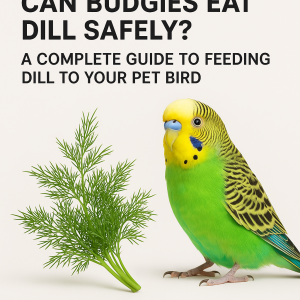
Quick answer: Yes, budgies can safely eat dill in small amounts as part of a varied diet. Dill is a herb that offers mild nutritional benefits and can add variety to your budgie’s meals. However, it should be given fresh, washed, and free from pesticides, and only occasionally to avoid digestive upset. Always introduce dill gradually and observe your bird for any adverse reactions.
Affiliate disclosure: This article may contain affiliate links. If you purchase through them, we may earn a small commission at no extra cost to you. We only recommend items that support safe, evidence-informed budgie care.
Deeper Context: Why Consider Dill for Your Budgie?
Herbs like dill are increasingly popular among bird owners looking to diversify their pet’s diet beyond seeds and pellets. Budgies, also known as parakeets, enjoy nibbling on fresh greens and herbs, which can provide enrichment and some nutritional perks.
Dill (Anethum graveolens) is a fragrant herb commonly used in cooking. It contains vitamins and antioxidants that may support your budgie’s health when fed appropriately. But as with any new food, it’s important to understand the benefits and potential risks before adding dill to your budgie’s menu.
Nutrition and Compounds in Dill
Dill is rich in several nutrients that can be beneficial in small doses:
- Vitamins: Dill contains vitamin A, vitamin C, and some B vitamins, all important for immune function and overall health.
- Minerals: It provides calcium, iron, and manganese, which support bone health and metabolic processes.
- Antioxidants: Dill has flavonoids and other antioxidants that may help reduce oxidative stress.
- Essential oils: Dill’s essential oils give it its distinctive aroma and may have mild digestive benefits.
Risks & Contraindications of Feeding Dill to Budgies
Despite its benefits, dill must be fed carefully to avoid potential problems:
- Overfeeding: Too much dill can cause digestive upset, including diarrhoea or vomiting.
- Allergic reactions: Some budgies may be sensitive or allergic to dill or other herbs.
- Pesticides and contaminants: Unwashed or chemically treated dill can be harmful.
- Essential oil sensitivity: The strong oils in dill might irritate sensitive digestive systems if given in excess.
Preparation & Serving: How to Safely Feed Dill to Your Budgie
Follow these steps to prepare dill for your budgie:
- Choose fresh dill: Select bright green, fresh dill with no signs of wilting or yellowing.
- Wash thoroughly: Rinse the dill under cold running water to remove dirt and potential chemicals.
- Dry gently: Pat the dill dry with a clean towel or let it air dry to avoid excess moisture.
- Remove thick stems: Only offer the soft leaves and tender stems, as thick stems can be tough to digest.
- Cut into small pieces: Chop the dill finely to make it easier for your budgie to eat.
- Offer fresh: Place a small amount in your budgie’s food dish or on a clean surface for foraging.
Preparation Checklist
- Fresh, pesticide-free dill
- Clean water for washing
- Clean towel or drying rack
- Sharp scissors or knife for chopping
- Clean feeding dish or foraging area
Portion & Frequency Guidelines
Budgies are small birds, so moderation is key when feeding herbs like dill. Use the table below as a guide:
| Budgie Size | Dill Portion | Frequency |
|---|---|---|
| Single budgie | 1-2 small sprigs (approx. 1-2 grams) | 1-2 times per week |
| Pair or small group | 3-5 sprigs (approx. 3-5 grams) | 1-2 times per week |
Signs of Problems & What To Do
After introducing dill, watch your budgie closely for any signs of adverse reactions:
- Diarrhoea or loose droppings
- Vomiting or regurgitation
- Loss of appetite or refusal to eat
- Excessive scratching or feather plucking
- Unusual lethargy or behavioural changes
Vet Guidance: When to Seek Professional Advice
Consult your avian vet if:
- Your budgie shows persistent digestive issues after eating dill.
- You are unsure about introducing new foods to your bird’s diet.
- Your budgie has a pre-existing health condition or is on medication.
- You want personalised advice on diet and nutrition for your budgie.
Regular vet check-ups are essential to ensure your budgie remains healthy and happy. Your vet can also recommend safe herbs and treats tailored to your bird’s needs.
FAQs About Feeding Dill to Budgies
Q: Can budgies eat dill seeds?
A: Dill seeds are generally not recommended for budgies as they are harder to digest and may cause choking or digestive upset.
Q: Is dried dill safe for budgies?
A: Fresh dill is preferred. Dried dill loses much of its nutritional value and may be too strong in flavour or oils for your budgie.
Q: Can dill help with my budgie’s digestion?
A: Dill has traditionally been used for digestive support in humans, but evidence in birds is limited. Use it cautiously and observe your bird’s response.
Q: What other herbs are safe for budgies?
A: Safe herbs include parsley, coriander, basil, and mint. Avoid toxic herbs like onion, garlic, and chives.
Additional Resources
- Can Budgies Eat Carrot
- Budgie Molting Guide
- Safe Herbs for Budgies
- Budgie Dietary Needs Explained
{AMAZON_TAG}
Key Takeaways
- Dill is safe for budgies when fed fresh, clean, and in small amounts.
- It offers vitamins, minerals, and antioxidants but should not replace staple foods.
- Introduce dill gradually and watch for any signs of intolerance or allergy.
- Remove uneaten dill promptly to avoid spoilage.
- Consult an avian vet if you have concerns or your budgie shows adverse reactions.
- Use dill as an occasional treat to enrich your budgie’s diet and environment.
Recommended on Amazon
We’ve hand-picked useful items related to Can Budgies Eat Dill Safely? A Complete Guide to Feeding Dill to Your Pet Bird.
Also read
- Can Budgies Eat Xylitol?
- Can Budgies Eat White Chocolate?
- Can Budgies Eat Walnuts?
- Can Budgies Eat Vinegar?
- Can Budgies Eat Turmeric Safely? A Complete Guide to Feeding Turmeric to Your Pet Bird