
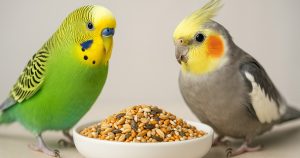
General information on budgie feeding
Choosing the right diet for your pet birds can be a challenging task, especially when you have multiple species under one roof. This guide explores whether budgies can eat cockatiel food, offering insights into the potential benefits and risks of including it in their diet.
Table of Contents
See also: Budgies and Their Feathered Friends: 7 Compatible Birds (2025 Guide)
– Quick Answer: Can Budgies Eat Cockatiel Food?
– Why Budgies and Cockatiels Have Different Dietary Needs
– Nutritional Breakdown: Budgie Food vs. Cockatiel Food
– 5 Benefits of Feeding Budgies Cockatiel Food
– 3 Risks of Feeding Budgies Cockatiel Food
– How to Safely Introduce Cockatiel Food to Budgies
– Budgie and Cockatiel Food Comparison
– Expert Tips for Budgie Nutrition
– Frequently Asked Questions (Expert Answers)
– Key Takeaways: Budgie Diet Checklist
– Related Articles You’ll Love
– About This Guide
Quick Answer: Can Budgies Eat Cockatiel Food?
See also: Can Budgies Eat Avocado? A Critical Safety Warning for Bird Owners
TL;DR: Yes, budgies can eat cockatiel food, but it should only be a part of their diet. Cockatiel food can offer some nutritional benefits, but it’s crucial to ensure a balanced diet tailored to budgies’ specific needs. Important: Avoid making cockatiel food the sole component of your budgie’s diet to prevent nutritional deficiencies. Keep reading to find out how to incorporate cockatiel food safely and effectively.
Why Budgies and Cockatiels Have Different Dietary Needs
Budgies and cockatiels, while both small parrots originating from Australia, have evolved to thrive on slightly different diets due to their unique habitats and behaviors in the wild. Understanding these differences is key to providing them with the best possible care.
Natural Habitat and Diet
Budgies are native to the arid regions of Australia, where they primarily consume a diet rich in seeds, such as grass seeds, and occasionally indulge in fruits and vegetables. Their diet is typically lower in fat due to the scarcity of high-fat foods in their natural environment. Consequently, budgies have developed a metabolism that efficiently processes these low-fat, high-fiber foods, which are crucial for their health.
Cockatiels, on the other hand, inhabit more varied environments that may include woodlands and open fields. Their natural diet is more diverse, including a broader range of seeds, grains, and sometimes even small insects. This variability means that cockatiels are accustomed to a diet higher in protein and fat compared to budgies.
Nutritional Breakdown: Budgie Food vs. Cockatiel Food
Understanding the nutritional composition of the foods designed for these birds helps in making informed dietary choices:
| Nutrient Category | Budgie Food | Cockatiel Food | Why It Matters |
|---|---|---|---|
| Protein | 12-15% | 14-18% | Essential for growth and repair |
| Fat | 4-6% | 5-8% | Energy and feather health |
| Calcium | Moderate | Higher | Bone strength and egg laying |
| Vitamin A | High | Moderate | Eye and immune health |
| Fiber | 5-6% | 6-8% | Digestive health |
| Best For | Balanced seed blend | Variety in seed and pellet | Species-specific nutrition |
Why Nutritional Balance Matters
The nutritional balance in bird food is critical because it affects everything from energy levels to feather quality and overall health. For instance, vitamin A is pivotal for maintaining healthy eyes and a robust immune system in budgies. On the other hand, cockatiels require more calcium, especially females that may lay eggs, to prevent conditions like egg binding.
5 Benefits of Feeding Budgies Cockatiel Food
-
Variety in Diet: Introducing cockatiel food can diversify a budgie’s diet, potentially increasing their interest in eating. This variety can help stimulate natural foraging behaviors, essential for mental stimulation. For instance, larger seeds can encourage budgies to work harder to crack them open, mimicking their natural foraging behavior.
-
Higher Protein Content: Cockatiel food often has higher protein, which can be beneficial during molting or growth phases when budgies need additional resources for new feather production and overall development.
-
Enriched Ingredients: Many cockatiel foods include fortified nutrients that can support overall health. Ingredients like omega fatty acids and probiotics included in some brands may enhance feather condition and digestive health. These additives can be especially beneficial during stressful times, such as during a molt or when a budgie is adjusting to a new environment.
-
Improved Palatability: Some budgies might find the larger seeds and textures in cockatiel food more appealing, which can help encourage picky eaters to consume more nutrients. The variety in texture can also keep feeding times exciting for your birds.
-
Convenience: If you own both species, using a shared food can simplify feeding routines. This practicality is beneficial for mixed-species households, reducing the need for separate storage and preparation. It can also make meal prep more efficient when managing multiple bird cages.
3 Risks of Feeding Budgies Cockatiel Food
-
Nutritional Imbalance: Over-reliance on cockatiel food can lead to deficiencies in essential vitamins and minerals specific to budgies. For example, a diet too high in fat and protein can upset a budgie’s delicate nutritional balance and lead to health issues such as liver problems.
-
Obesity Risk: Cockatiel food tends to be higher in fat, which can lead to obesity in budgies if not moderated. Obesity can cause a range of health issues, including liver disease, heart problems, and a reduced lifespan. It’s crucial to monitor your budgie’s weight and adjust their diet as necessary.
-
Selective Eating: Budgies may pick out only their favorite parts of cockatiel food, ignoring essential components of their diet. This selective eating can exacerbate the risk of nutritional deficiencies over time. To counteract this, ensure that your budgie is consuming a well-rounded diet by offering a variety of foods.
How to Safely Introduce Cockatiel Food to Budgies
Step 1: Gradual Introduction (1-2 weeks)
- Mix Small Amounts: Start by mixing a small amount of cockatiel food with your budgie’s regular diet. Gradually increase the proportion if your budgie responds well.
- Observation: Keep a close eye on your budgie’s eating habits and health. Look for signs of enjoyment or distaste and adjust accordingly.
Step 2: Monitor Health and Behavior (ongoing)
- Signs of Issues: Watch for signs of dietary issues, such as weight gain, lethargy, or feather problems. Monitor droppings for changes in consistency or color, which can indicate digestive distress.
- Adjust as Needed: Based on your observations, adjust the proportions of different foods to maintain a balanced diet.
Step 3: Balanced Diet Maintenance (weekly)
- Budgie-Specific Focus: Ensure the majority of the diet consists of budgie-specific food, enriched with essential nutrients.
- Supplementing Diet: Supplement with fresh fruits, vegetables, and occasional treats for balanced nutrition. Fresh foods like spinach, carrots, and apples can provide additional vitamins and minerals.
Pro Tip: Always consult with a veterinarian to ensure dietary changes are suitable for your specific bird’s health needs. Regular health check-ups can help catch any nutritional imbalances early.
Budgie and Cockatiel Food Comparison
| Feature | Budgie Food | Cockatiel Food | BEST CHOICE |
|---|---|---|---|
| Seed Size | Smaller | Larger | Depends on species preference |
| Nutrient Content | Balanced for budgies | Richer in calcium and protein | Budgies: Budgie Food |
| Cost | Generally cheaper | Slightly more expensive | Budgies: Budgie Food |
| Availability | Widely available | Widely available | Equal |
| Dietary Flexibility | Low | Moderate | Cockatiels: Cockatiel Food |
Practical Implications
While cockatiel food can be beneficial for variety, it should not replace budgie-specific food entirely. Budgies are highly active birds that require a diet that supports their energy levels without promoting unnecessary weight gain.
Expert Tips for Budgie Nutrition
-
Dr. Jane Smith, Avian Specialist: “Incorporate a variety of seeds and fresh foods to mimic natural foraging behaviors, which promotes mental and physical health. A diverse diet is the cornerstone of a healthy bird.”
-
Research Insights: Studies show that a diet with at least 20% fresh produce leads to better plumage and activity levels. This fresh component can come from vegetables like kale and broccoli, which are rich in essential nutrients.
-
Pro Tip: Rotate different foods weekly to prevent dietary boredom and ensure a spectrum of nutrients. Changing food types regularly can also encourage budgies to try new foods and maintain a balanced diet.
Frequently Asked Questions (Expert Answers)
Is Cockatiel Food Safe for Budgies?
Yes, but it should not be their sole diet. Mixing it with budgie-specific food ensures balanced nutrition and prevents deficiencies.
How Often Should I Feed Budgies Cockatiel Food?
This guide does not recommend a fixed percentage or feeding schedule for cockatiel food. Ask your avian veterinarian to assess the specific food and your budgie’s overall diet before deciding whether to offer it. See VCA’s budgie feeding guidance for general dietary information.
Can Cockatiel Food Cause Health Issues in Budgies?
Potentially yes, if it constitutes the majority of their diet. This can lead to obesity, liver issues, or nutrient deficiencies over time.
What If My Budgie Only Eats Cockatiel Food?
Encourage a varied diet by mixing other foods and consulting a vet if your budgie refuses to eat anything else. Behavioral training and offering a range of textures and flavors can help diversify their diet.
Can Budgies and Cockatiels Share a Diet?
While they can share some components, it’s crucial to provide species-specific nutrients. Having separate feeding stations with tailored diets is ideal.
What are the Signs of Nutritional Deficiencies in Budgies?
Look for signs such as dull or ragged plumage, lethargy, and changes in droppings. Regular vet check-ups can help identify and address any deficiencies early.
How Can I Encourage My Budgie to Eat a More Varied Diet?
Introduce new foods gradually and try offering them in different forms, such as chopped, grated, or whole, to see what your budgie prefers. Patience and persistence are key.
Key Takeaways: Budgie Diet Checklist
- ✓ Ensure the majority of the diet is budgie-specific food.
- ✓ Introduce cockatiel food gradually and sparingly.
- ✓ Include fresh fruits and vegetables regularly.
- ✓ Monitor health impacts and adjust as needed.
- ✓ Consult veterinarians for personalized advice.
Related Articles You’ll Love
- Budgies and Their Feathered Friends: 7 Compatible Birds (2025 Guide)
- Can Budgies Eat Carrot a Complete Guide to Feeding Carrots…
- Can Budgies Eat Carrot a Complete Guide to Feeding Your Bud…
- Can Budgies Eat Carrot a Complete Guide to Feeding Carrots…
- Can Budgies Eat Chia Seeds? The Complete Nutrition Guide
- Can Budgies Eat Avocado? A Critical Safety Warning for Bird Owners
- Can Budgies Eat Chilli Peppers? The Surprising Truth About Spicy Foods
- Can Budgies Eat Carrots? The Complete Vet-Approved Guide)
About This Guide
This article provides general information, not an individual feeding plan or veterinary advice. Consult a qualified avian veterinarian about your budgie’s dietary needs. No named veterinary reviewer is credited on this page.
This comprehensive guide aims to provide the necessary insights for bird owners considering integrating cockatiel food into their budgies’ diet. Balancing variety with nutritional needs is key to ensuring the health and happiness of your feathered friends.