
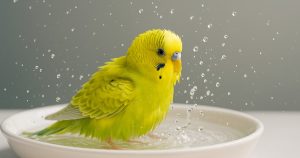
General information on parakeet bathing
This guide is not a substitute for individual veterinary advice. A veterinary review of this article has not been verified.
Table of Contents
See also: Can I Have 3 Budgies in One Cage? 5 Science-Backed Tips (2025 Guide)
- Quick Answer: Do Parakeets Need to Bathe?
- Why Do Parakeets Need to Bathe?
- How Often Should Parakeets Bathe?
- Methods for Bathing Your Parakeet
- Common Mistakes in Bathing Parakeets (AVOID THESE!)
- Step-by-Step Guide: Bathing Your Parakeet
- Comparison: Bathing Methods for Parakeets
- Further Reading on Bathing Parakeets
- Frequently Asked Questions
Quick Answer: Do Parakeets Need to Bathe?
TL;DR: Yes, parakeets need to bathe regularly to maintain their feather health and hygiene. Bathing helps remove dust and other debris from their feathers. Important: Never force your parakeet to bathe, as stress can lead to health issues. Keep reading to learn effective bathing methods and common mistakes to avoid.
Why Do Parakeets Need to Bathe?
Bathing is crucial for parakeets for several reasons. Firstly, it helps keep their feathers clean and free from dust and dirt, which can cause irritation and even infections if left unchecked. Bathing also encourages preening, a natural behavior that involves birds grooming themselves. Preening helps distribute natural oils across their feathers, which is vital for insulation and waterproofing. Moreover, regular baths can also alleviate dryness and itchiness, especially in drier climates or heated indoor environments.
In the wild, parakeets often bathe in rain or dew, which naturally helps them maintain these essential grooming habits. By mimicking such natural conditions in captivity, you can ensure your parakeet stays healthy, comfortable, and happy. Additionally, bathing can be an enriching activity, providing mental stimulation and preventing boredom.
How Often Should Parakeets Bathe?
The frequency of baths depends on several factors including the bird’s environment, health, and personal preference. Generally, parakeets should bathe 1-3 times a week. However, if your parakeet enjoys bathing more frequently, daily baths can be beneficial. Important: Watch your bird’s behavior to gauge their bathing needs. If they seem reluctant or stressed, reduce the frequency.
Environmental conditions, such as humidity levels and temperature, can also influence how often your parakeet might need a bath. For instance, in more humid climates, less frequent baths may be sufficient, whereas in dry areas, more regular baths can help keep their skin and feathers in good condition.
Methods for Bathing Your Parakeet
Parakeets can enjoy a variety of bathing methods, each with its benefits. Here are the most common:
The Mist Shower Method
This approach involves gently misting your parakeet with water from a spray bottle. Tip: Use lukewarm water and keep the spray gentle to avoid scaring the bird. It’s crucial that the mist is fine and the nozzle is adjustable to control the pressure. Gradually introduce your parakeet to this method by allowing them to see and hear the sprayer before any water is involved.
The Bird Bath Dish Method
Place a shallow dish of water in their cage. This allows the parakeet to bathe at their own pace. Pro Tip: Ensure the dish is stable to prevent spills. Choose a dish with a low rim and place it in a familiar spot to encourage exploration. Birds are naturally curious, so they might be more inclined to investigate if they can approach and retreat at will.
The Faucet Method
Some parakeets enjoy playing under a gentle stream of water from a faucet. Warning: Always monitor your bird closely to prevent accidents. Ensure that the flow is light and that the temperature is consistently lukewarm. It’s a great method for active birds that enjoy movement and stimulation, but always prioritize their safety and comfort.
The Leaf Bath Method
Sprinkle water on large, non-toxic leaves and let your parakeet rub against them. This mimics natural bathing conditions and can be a fun activity for your bird. Some suitable leaves include those from safe plants like basil or nasturtium. This method also adds a sensory experience, enriching their environment.
Common Mistakes in Bathing Parakeets (AVOID THESE!)
Mistake #1: Using Cold Water
The Problem: Cold water can shock your parakeet and cause stress.
The Fix: Always use lukewarm water.
Warning Signs: Shivering or reluctance to bathe.
Alternative: Test water temperature on your wrist before use.
Mistake #2: Forcing Bath Time
The Problem: Forcing your parakeet to bathe can cause anxiety and stress.
The Fix: Allow your bird to choose when they want to bathe.
Warning Signs: Flapping wings aggressively or trying to escape.
Alternative: Observe your bird’s behavior and offer baths when they seem interested.
Mistake #3: Inadequate Drying
The Problem: Not ensuring your parakeet is dry can lead to chills.
The Fix: Provide a warm, draft-free area for drying.
Warning Signs: Fluffed feathers or lethargy post-bath.
Alternative: Use a soft towel to gently pat dry if needed.
Step-by-Step Guide: Bathing Your Parakeet
See also: Can I Have 3 Budgies in One Cage? 5 Essential Considerations (2025 Guide)
What You Need
- Spray bottle or shallow dish
- Lukewarm water
- Towel (optional)
Step 1: Prepare the Bathing Area (5 min)
Ensure the area is safe and free of drafts. Gather all necessary items. Consider placing the bathing dish in an area where your parakeet feels secure, like near their favorite perch or toy.
Step 2: Introduce the Bath (5 min)
Place the dish in the cage or mist your parakeet gently. Allow them to explore the water. If using a mist, start from a distance and gradually move closer as your parakeet becomes more comfortable.
Step 3: Monitor the Bath (10 min)
Watch your bird closely to ensure they are comfortable and enjoying the process. Look for signs of enjoyment, such as shaking their feathers or dipping their head into the water.
Step 4: Drying Time (15 min)
Provide a warm, draft-free environment. Use a towel if necessary to pat them dry gently. Avoid direct sun or heat sources, as they can be harmful.
Step 5: Post-Bath Care (5 min)
Ensure your parakeet is comfortable and offer a treat to reinforce positive behavior. This helps create a positive association with bath time.
Pro Tip: Regular baths can become a bonding activity. Use a calm voice to reassure your parakeet throughout the process and use this time to observe their overall health and behavior.
Comparison: Bathing Methods for Parakeets
| Method | Best For | Why It Matters | Time Needed |
|---|---|---|---|
| Mist Shower | Birds that enjoy misting | Gentle and soothing | 5-10 minutes |
| Bird Bath Dish | Independent bathers | Birds can choose when to bathe | 10-15 minutes |
| Faucet | Active birds | Simulates rain, engaging | 5 minutes |
| Leaf Bath | Natural experience seekers | Mimics natural environment | 10 minutes |
Further Reading on Bathing Parakeets
For veterinary background information, see Bathing Birds from VCA Animal Hospitals. This external reference does not mean that VCA has reviewed or endorsed this article.
Frequently Asked Questions
See also: Can I Have 3 Budgies in One Cage? 5 Science-Backed Tips (2025 Guide)
How can I tell if my parakeet wants to bathe?
Look for signs such as flapping wings near water, dipping their head, or showing interest in water. These behaviors often signal curiosity or readiness to engage with water.
Is it safe to use soap when bathing my parakeet?
No, soap can strip natural oils from feathers and irritate their skin. Use only water. In rare cases where a cleaning agent is necessary, consult an avian vet for recommendations.
Can I use a hairdryer to dry my parakeet?
It’s not recommended. Hairdryers can be too hot and noisy, causing stress. Instead, allow your bird to dry naturally in a warm, draft-free environment.
How do I encourage a reluctant parakeet to bathe?
Introduce water slowly and make it a playful experience. Use a gentle mist or place toys in the water. Positive reinforcement, like offering a favorite treat post-bath, can also help.
What should I do if my parakeet doesn’t bathe?
Offer a bathing opportunity without making your bird take part. Some birds bathe often, while others choose to do so less frequently. Try offering water at a different time of day and notice which bathing method your bird prefers. For background on bathing preferences and methods, see VCA Animal Hospitals: Bathing Birds.
Recommended Products
- Why Do Parakeets Need to Bathe?#why-do-parakeets-need-to-bathe
- How Often Should Parakeets Bathe?#how-often-should-parakeets-bathe
- Expert Tips for Bathing Parakeets#expert-tips-for-bathing-parakeets
- Quick Answer
- Methods for Bathing Your Parakeet#methods-for-bathing-your-parakeet
- Step-by-Step Guide
- Comparison
- Key Takeaways