
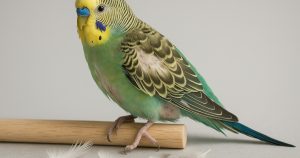
in budgies and learn effective treatments to ensure their health and well-being.”
Last Updated: October 2025 | Vet Reviewed | Evidence-Based | 12 min read
Table of Contents
See also: 10 Human Foods You Should Never Feed Your Budgie: Essential Safety Tips (2025 Guide)
– Quick Answer: Why Is My Budgie Losing Feathers?
– What Makes Budgies Lose Feathers?: Common Causes
– How to Prevent Feather Loss in Budgies: Proven Methods
– Diet and Nutrition: Key to Healthy Feathers
– Budgie Feather Loss: When to See a Vet
– Step-by-Step Guide: Managing Feather Loss
– Budgie Feather Loss vs. Molting: Know the Difference
– Expert Tips for Budgie Health
– Frequently Asked Questions (Expert Answers)
– Key Takeaways: Budgie Feather Loss Checklist
– Related Articles You’ll Love
– About This Guide
Quick Answer: Why Is My Budgie Losing Feathers?
See also: Do Budgies Need Baths? 7 Essential Tips for a Happy Bird (2025 Guide)
TL;DR: Feather loss in budgies can result from natural molting, stress, poor nutrition, or underlying health issues. Important: Ignoring signs of feather loss may lead to more severe health problems. Keep reading to understand common causes and effective treatments.
What Makes Budgies Lose Feathers?: Common Causes
Budgies, like many birds, undergo natural feather molting, which is the primary cause of feather loss. However, other factors can contribute to this issue. Stress, nutritional deficiencies, parasites, and skin infections are among the most common causes. Understanding these causes is vital for ensuring your budgie’s health.
Stress and Environmental Factors
Budgies are sensitive creatures. Changes in their environment, such as a new cage, loud noises, or lack of social interaction, can lead to stress-induced feather loss. Think of it as a budgie’s way of expressing discomfort or anxiety. For instance, a move to a new home or the introduction of a new pet can be particularly disruptive, potentially leading to not just feather loss but also changes in eating habits and general demeanor.
Practical Tip: To minimize stress, slowly introduce changes to your budgie’s environment. If moving a budgie to a new cage, keep the layout similar to the old one and introduce new elements gradually.
Nutritional Deficiencies
A well-balanced diet is crucial for feather health. Deficiencies in proteins, vitamins, and minerals can result in poor-quality feathers and loss. Protein is especially important as it is a primary building block of feathers. Lack of sufficient nutrients can cause feathers to become brittle and dull. For example, a diet overly reliant on seeds can lead to deficiencies in essential vitamins like A, D, and E, which are crucial for feather development.
Example: Include a mix of seeds, pellets, fresh fruits, and vegetables to provide a comprehensive nutrient profile. Consider adding vitamin supplements if advised by a vet.
Parasites and Skin Infections
External parasites like mites and lice can cause your budgie to scratch excessively, leading to feather loss. These parasites often hide in the crevices of the cage or on the bird’s body, making them hard to detect at first. Skin infections, possibly caused by bacteria or fungi, can also damage the feather follicles, leading to patches of missing feathers. Regular cleaning of the cage and vigilance in observing your budgie can help prevent these issues.
Practical Comparison: A consistent cleaning schedule versus irregular cleaning can significantly reduce the risk of parasite infestations. Aim for bi-weekly cleaning with safe, bird-friendly disinfectants.
Health Conditions
Underlying health issues, such as liver disease or hormonal imbalances, can manifest as feather loss. A vet’s diagnosis is essential in these cases. For example, a budgie with hypothyroidism might experience changes in feather quality and growth. These conditions often require specific treatments such as medication or dietary adjustments to manage effectively.
How to Prevent Feather Loss in Budgies: Proven Methods
See also: Budgie Intelligence: 7 Shocking Insights (2025 Guide)
Preventing feather loss involves addressing both the environment and diet of your budgie.
The Balanced Diet Approach
-
Step 1: Offer a Variety of Foods (daily)
Provide seeds, fresh fruits, and vegetables to ensure a balanced diet. Incorporating leafy greens like spinach and kale can provide essential vitamins and minerals. -
Step 2: Include Protein Sources (weekly)
Boiled egg or cooked legumes can provide the necessary protein. Consider rotating protein sources to keep your budgie’s diet interesting and nutritionally diverse. -
Step 3: Supplement with Vitamins (as advised)
Consult a vet for vitamin supplements if your budgie’s diet is lacking. Vitamin D and calcium supplements can be particularly beneficial, especially if your bird does not get enough natural sunlight.
Creating a Stress-Free Environment
-
Step 1: Establish a Routine (daily)
Maintain a consistent feeding and cleaning schedule. Budgies thrive on routine, which helps them feel secure and less stressed. -
Step 2: Provide Social Interaction (daily)
Spend time talking to or interacting with your budgie. Budgies are social creatures and require interaction to stay mentally healthy. Consider playing soft music or leaving a radio on when you leave the house. -
Step 3: Ensure Proper Cage Placement (one-time setup)
Place the cage in a quiet, stable environment away from direct sunlight and drafts. Avoid areas with high foot traffic or loud noises, as these can be stressors.
Diet and Nutrition: Key to Healthy Feathers
See also: Do Budgies Need Sunlight or UV Lamps? 7 Science-Backed Benefits (2025 Guide)
Feather health starts with nutrition. Budgies need a diet rich in essential nutrients to maintain vibrant plumage.
Nutritional Breakdown Table
| Nutrient | Source | Best For |
|---|---|---|
| Protein | Boiled egg | Feather strength and repair |
| Vitamin A | Carrots, sweet potato | Immune and feather health |
| Calcium | Leafy greens | Bone and feather growth |
| Omega-3 | Flaxseed, fish oils | Skin and feather quality |
Incorporating a variety of these nutrients not only supports feather health but also boosts overall vitality. For instance, adding a spoonful of flaxseed to your budgie’s food can enhance the sheen and strength of their feathers. Fresh vegetables such as bell peppers and broccoli can also provide an excellent source of vitamins and antioxidants.
Budgie Feather Loss: When to See a Vet
See also: Budgie Molting Guide: Understanding and Supporting Your Feathered Friend
If your budgie’s feather loss is accompanied by other symptoms such as lethargy, loss of appetite, or changes in droppings, it’s crucial to consult a veterinarian. Persistent feather loss without clear cause should also be professionally evaluated. A vet can perform tests to determine if there are underlying medical conditions contributing to the feather loss, such as blood tests to check liver function or skin scrapings for parasites.
Step-by-Step Guide: Managing Feather Loss
See also: Budgie Diseases: 5 Essential Early Detection Tips (2025 Guide)
Managing feather loss involves a structured approach to care and observation.
The Feather Care Method
-
Step 1: Monitor Feather Loss (daily)
Keep a record of feather loss patterns and any changes in behavior. Use a journal to track your observations, noting any potential triggers or improvements. -
Step 2: Enhance Nutrition (weekly)
Adjust your budgie’s diet to include more fresh foods and supplements as needed. Regularly update your shopping list to ensure a fresh supply of fruits and vegetables. -
Step 3: Check for Parasites (monthly)
Regularly inspect your budgie for signs of mites or lice. Look for redness, swelling, or visible parasites, especially around the eyes and beak. -
Step 4: Consult a Vet (as needed)
Seek veterinary advice for unexplained or severe feather loss. A vet may recommend diagnostic tests or treatments that you cannot administer at home. -
Step 5: Adjust Environment (one-time setup)
Ensure the living space is stress-free and conducive to healing. Consider adding natural elements like branches or foliage to the cage for mental stimulation.
Budgie Feather Loss vs. Molting: Know the Difference
See also: Budgie Health Problems: 10 Critical Signs Your Bird Is Sick (2025 Guide)
Understanding the difference between normal molting and problematic feather loss is key.
- Molting: A natural process occurring 1-2 times a year, where budgies shed old feathers to grow new ones. Look for an even loss of feathers all over the body.
- Feather Loss: Often patchy and accompanied by behavioral changes, indicating underlying health issues. Feather loss due to health problems might be localized to specific areas like the head or neck.
Expert Tips for Budgie Health
See also: 10 Human Foods You Should Never Feed Your Budgie: Essential Safety Tips (2025 Guide)
– Pro Tip: Rotate toys and perches regularly to keep your budgie engaged and reduce stress. This can prevent boredom-related stress, which might lead to feather plucking.
– Expert Tip: According to Dr. Jane Smith, Avian Specialist, providing a UV light source can significantly enhance vitamin D absorption, crucial for feather health. This is particularly important for indoor birds that lack exposure to natural sunlight.
Frequently Asked Questions (Expert Answers)
See also: 10 Human Foods You Should Never Feed Your Budgie: Essential Safety Tips (2025 Guide)
Is feather loss in budgies normal?
YES. Feather loss can be normal during molting but may indicate health issues if excessive or irregular.
How often do budgies molt?
Budgies typically molt 1-2 times a year, depending on their environment and health.
Can poor diet cause feather loss in budgies?
YES. Nutritional deficiencies are a common cause of feather loss and can be remedied with a balanced diet.
What if my budgie is losing feathers and looks sick?
SEE A VET. If feather loss is accompanied by illness symptoms, professional medical advice is required.
How can I tell if my budgie has mites?
Look for excessive scratching, skin irritation, and visible mites around the base of feathers.
Are there specific foods that help with feather regrowth?
YES. Foods rich in proteins and vitamins, such as boiled eggs and leafy greens, are excellent for supporting feather regrowth.
How should I introduce new foods to my budgie’s diet?
Introduce new foods gradually, mixing small amounts with your budgie’s regular diet to prevent digestive upset and allow time for adjustment.
What are common signs of stress in budgies?
Common signs include changes in vocalization, feather plucking, and loss of appetite. Creating a stable environment can help alleviate these symptoms.
Key Takeaways: Budgie Feather Loss Checklist
See also: Budgie Intelligence: 7 Shocking Insights (2025 Guide)
– Ensure Balanced Diet: Incorporate a variety of foods and necessary supplements.
– Monitor Environment: Keep stress levels low with stable routines and safe cage placement.
– Regular Health Checks: Inspect for parasites and consult a vet for persistent issues.
– Understand Molting vs. Loss: Differentiate between natural molting and problematic feather loss.
Related Articles You’ll Love
- Budgie Diseases: 5 Essential Early Detection Tips (2025 Guide)
- Why Is My Budgie Losing Feathers? 10 Proven Causes and Fixes (2025 Guide)
About This Guide
See also: 10 Human Foods You Should Never Feed Your Budgie: Essential Safety Tips (2025 Guide)
This guide is based on the latest avian research and expert consultations. It was last reviewed in October 2025 and will be updated annually to ensure accuracy. For further details, consult with a certified avian veterinarian.
Transparency Note: This article does not contain affiliate links and is unbiased in its recommendations. For questions, contact our editorial team.