
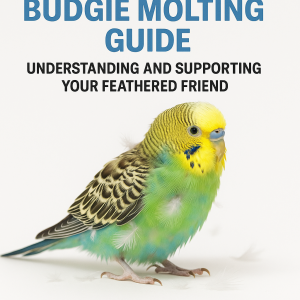
Quick Answer: Molting is a natural process where your budgie sheds old feathers to make way for new growth. It typically happens once or twice a year and can last several weeks. During this time, your budgie may appear scruffy, less active, and require extra care, including a nutrient-rich diet and a stress-free environment. Supporting your budgie through molting helps maintain their health and vibrant plumage.
Affiliate disclosure: This article may contain affiliate links. If you purchase through them, we may earn a small commission at no extra cost to you. We only recommend items that support safe, evidence-informed budgie care.
Deeper Context: What Is Budgie Molting?
Molting is the natural shedding and regrowth of feathers in budgerigars (budgies). This process is essential for maintaining healthy plumage, which plays a critical role in insulation, flight, and display. Budgies usually molt once or twice a year, often triggered by changes in daylight length or seasonal shifts.
During molting, old feathers fall out and new ones grow in their place. This can make your budgie look patchy or scruffy, which is perfectly normal. Understanding what’s happening beneath the surface can help you provide the best care during this vulnerable time.
Why Do Budgies Molt?
- Feather Renewal: Feathers wear out over time due to daily activity and environmental exposure.
- Seasonal Adaptation: Molting often coincides with seasonal changes to prepare for temperature fluctuations.
- Health Maintenance: Fresh feathers help maintain waterproofing and insulation.
Nutrition and Key Compounds for Molting Budgies
Proper nutrition is vital during molting because growing new feathers requires additional protein and nutrients. A balanced diet supports feather regeneration and overall health.
Essential Nutrients for Molting Budgies
| Nutrient | Role in Molting | Sources |
|---|---|---|
| Protein | Feathers are made mostly of keratin, a protein; extra protein supports feather growth. | Sprouted seeds, cooked egg, legumes, specialised pellets |
| Vitamin A | Supports skin and feather follicle health. | Carrots, sweet potatoes, leafy greens |
| Vitamin D3 | Helps calcium absorption, important for overall health. | Sunlight exposure, fortified pellets |
| Calcium | Supports feather follicle function and general metabolism. | Cuttlefish bone, mineral blocks |
| Omega-3 Fatty Acids | Promotes healthy skin and feather condition. | Flaxseed, chia seeds (in moderation) |
Risks & Contraindications During Molting
While molting is natural, it can sometimes expose your budgie to health risks if not properly managed.
- Stress and Behavioural Changes: Budgies may become irritable or less active.
- Increased Susceptibility to Illness: Molting can temporarily weaken the immune system.
- Feather Plucking or Damage: Discomfort may lead to over-preening or feather damage.
- Weight Loss: Reduced appetite during molting can cause unhealthy weight loss.
Preparation & Serving: How to Support Your Budgie During Molting
Supporting your budgie through molting involves creating a comfortable environment and providing optimal nutrition. Here’s a step-by-step guide:
- Observe Your Budgie: Note changes in behaviour, feather condition, and appetite.
- Enhance Diet: Introduce high-protein foods and fresh veggies rich in vitamins.
- Maintain Hydration: Ensure fresh water is always available.
- Provide Bathing Options: Offer a shallow dish of water or gentle misting to help soothe itchy skin.
- Reduce Stress: Keep the environment calm and avoid sudden changes.
- Ensure Adequate Lighting: Natural daylight or full-spectrum lighting supports vitamin D synthesis.
- Monitor Feather Growth: Check for any abnormal feather loss or skin issues.
Checklist: Molting Care Essentials
- High-protein foods (sprouted seeds, egg)
- Fresh vegetables (carrots, spinach, kale)
- Clean, fresh water daily
- Bathing opportunities
- Quiet, stress-free environment
- Access to natural or full-spectrum light
- Regular health monitoring
Portion & Frequency: Feeding Guidelines During Molting
Adjusting portions and feeding frequency can help meet your budgie’s increased nutritional needs during molting.
| Food Type | Portion Size | Frequency | Notes |
|---|---|---|---|
| Pellets | 1-2 teaspoons | Daily | Base diet; ensure pellets are high quality |
| Sprouted Seeds | 1 teaspoon | Daily | Rich in protein and vitamins |
| Fresh Vegetables | 1-2 teaspoons | Daily | Rotate variety for balanced nutrients |
| Cooked Egg (mashed) | Small pinch | 2-3 times per week | Excellent protein source |
| Fresh Water | Unlimited | Daily | Change water twice daily if possible |
Signs of Problems & What To Do
While molting is normal, certain signs may indicate your budgie needs extra care or veterinary attention.
Signs to Watch For
- Excessive feather loss beyond normal molting
- Visible skin irritation or redness
- Loss of appetite lasting more than 24 hours
- Lethargy or unusual behaviour
- Feather plucking or self-mutilation
- Laboured breathing or sneezing
“If you notice any worrying symptoms during molting, early intervention can prevent complications.”
Vet Guidance: When and Why to Consult a Vet
Consult your avian vet if you observe any of the following during your budgie’s molt:
- Prolonged feather loss or bald patches
- Signs of infection (discharge, swelling)
- Persistent lethargy or loss of appetite
- Unusual lumps or skin changes
- Behavioural changes indicating distress
Your vet can perform a thorough health check, rule out underlying conditions such as mites or infections, and provide tailored advice for molting care.
Frequently Asked Questions (FAQs)
How long does a budgie’s molt last?
Molting typically lasts 4 to 6 weeks but can vary depending on the bird’s age, health, and environmental factors.
Can I help my budgie molt faster?
Molting is a natural process that cannot be rushed. Providing good nutrition and a stress-free environment supports healthy feather regrowth.
Is it normal for budgies to be grumpy during molting?
Yes, budgies may become irritable or less active due to discomfort from growing pin feathers.
Should I give supplements during molting?
Supplements can be helpful but should be used cautiously and ideally under veterinary guidance to avoid overdosing.
Can molting cause my budgie to stop singing or talking?
Yes, some budgies become quieter during molting as they conserve energy and cope with discomfort.
Key Takeaways
- Molting is a natural feather renewal process essential for budgie health.
- Extra protein, vitamins, and hydration support feather regrowth.
- Provide a calm environment and avoid excessive handling during molting.
- Watch for signs of illness or distress and consult a vet if needed.
- Patience and attentive care help your budgie emerge healthy and vibrant.
For more detailed information on budgie nutrition, check out [[link:Can Budgies Eat Carrot]] and for ongoing care tips, see [[link:Budgie Molting Guide]].
{AMAZON_TAG}
Recommended on Amazon
We’ve hand-picked useful items related to Budgie Molting Guide Understanding And Supporting Your Feat….