
Last Updated: October 2025 | Vet Reviewed | Evidence-Based | 15 min read
Table of Contents
See also: Decoding Budgie Body Language: 10 Essential Behaviors Explained (2025 Guide)
– Quick Answer: How Much Exercise Does a Budgie Need?
– Why Does Your Budgie Need Daily Exercise?
– How to Create a Safe Flight Environment for Your Budgie
– 5 Proven Benefits of Free Flight for Your Budgie
– Step-by-Step Guide to Parrot-Proofing a Room
– Budgie Exercise Routine: A Daily Plan
– 7 Common Mistakes Budgie Owners Make (AVOID THESE!)
– Frequently Asked Questions (Expert Answers)
– Key Takeaways: Budgie Exercise Checklist
– Related Articles You’ll Love
– Vet Disclaimer
– About This Guide
Quick Answer: How Much Exercise Does a Budgie Need?
See also: Budgie Cage Size: 7 Essential Tips for Optimal Bird Health (2025 Guide)
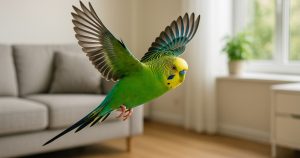
TL;DR: Budgies require at least one hour of free flight each day in a secure environment to maintain their physical and mental well-being. This exercise is crucial for preventing obesity and promoting natural behaviors. Important: Always ensure the room is parrot-proofed to avoid potential injuries. Read on to learn how to establish the ideal routine for your budgie.
Why Does Your Budgie Need Daily Exercise?
See also: Parakeet Care: 10 Essential Cage Needs (2025 Guide)
Budgies, also known as parakeets, are inherently active creatures that thrive on regular exercise to sustain their health. Without adequate exercise, budgies face an increased risk of obesity, which can lead to a myriad of health issues such as heart disease and fatty liver. Engaging in daily exercise not only helps maintain their physical health but also encourages natural behaviors such as foraging and exploration, which are essential for mental stimulation. Did you know? A budgie’s heart rate can soar up to 600 beats per minute, making cardiovascular fitness a top priority.
In the wild, budgies fly long distances daily as they search for food and socialize within their flocks. This natural inclination towards activity underscores the importance of mimicking these conditions in captivity to keep your pet healthy and happy. Regular exercise routines help in reinforcing their natural instincts, thereby providing an enriched environment that closely resembles their native habitat.
How to Create a Safe Flight Environment for Your Budgie
See also: Decoding Budgie Body Language: 10 Essential Behaviors Explained (2025 Guide)
Designing a safe flight environment for your budgie involves more than simply opening a cage door. It requires meticulous planning to ensure your bird’s safety and comfort, allowing them a space to explore without the risk of harm.
The Safe Room Approach
- Choose the Right Room: Select a room that is free of hazards such as open windows, fans, or uncovered mirrors. Example: A spare bedroom with minimal furniture can be ideal.
- Remove Dangerous Items: Ensure small objects, toxic plants, and electrical cords are out of reach. Budgies are curious and might chew on anything they can reach.
- Install Window Guards: Use screens or decals on windows to prevent accidental collisions. Window decals with bright patterns can alert your budgie to the presence of glass.
- Secure Furniture: Make sure heavy or unstable items are secured to prevent accidents. Avoid placing fragile objects near the flight path.
By adhering to these guidelines, you can create a sanctuary for your budgie that promotes safe and unrestricted flight.
5 Proven Benefits of Free Flight for Your Budgie
See also: Budgie Cage Setup: 10 Essential Accessories for a Happy Bird (2025 Guide)
1. Improved Physical Health: Regular exercise helps maintain a healthy weight and strengthens muscles, reducing the risk of obesity-related issues.
2. Mental Stimulation: Flight provides new perspectives, encouraging your budgie to explore and engage with their environment, keeping them mentally active.
3. Social Interaction: Flying together fosters a stronger bond between you and your bird, promoting trust and companionship.
4. Natural Behavior Expression: Allows your budgie to express natural behaviors, reducing stress and anxiety.
5. Enhanced Longevity: A fit budgie is more likely to live a longer, healthier life, with reduced risks of common health ailments.
Free flight offers a holistic approach to your budgie’s well-being, catering to both physical and psychological needs, which are crucial for their overall health.
Step-by-Step Guide to Parrot-Proofing a Room
Creating a safe space is essential for your budgie’s exercise routine. Follow these steps to ensure your room is parrot-proofed.
Step 1: Secure Windows and Mirrors (15 min)
- Use window decals or curtains to prevent your budgie from flying into glass surfaces. Tip: Choose decals that are visible from both sides of the window.
Step 2: Remove Hazardous Items (20 min)
- Remove sharp objects, toxic plants, and anything that could be ingested. Budgies are known for their curiosity, which can sometimes lead to dangerous situations.
Step 3: Electrical Safety (10 min)
- Cover cords and outlets with protective covers to prevent chewing. Use cord concealers to keep wires out of sight and mind.
Step 4: Arrange Furniture Safely (15 min)
- Ensure furniture is stable and free from sharp edges. Create an open layout that allows your budgie to fly without obstruction.
Step 5: Designate a Rest Area (10 min)
- Provide a perch or tree stand for rest periods. Ensure it’s located in a quiet corner away from any disturbances.
Pro Tip: Regularly inspect the room for new potential hazards. Budgies are adept at finding new ways to explore, so vigilance is key.
Budgie Exercise Routine: A Daily Plan
See also: Budgie Stress Signs: 10 Essential Ways to Know If Your Bird Is Unhappy (2025 Guide)
Designing a structured exercise routine ensures your budgie gets the necessary physical activity.
Morning Stretch (30 min)
- Allow your budgie to fly freely in a safe room. This sets a positive tone for the day and helps expend pent-up energy.
Midday Play (15 min)
- Engage in interactive play with toys or puzzles. Encourage problem-solving with treat-dispensing toys to promote mental agility.
Afternoon Flight (30 min)
- Another session of free flight for additional exercise. This helps break up the day and keeps your budgie active and engaged.
Evening Cool Down (15 min)
- Gentle play and social interaction to wind down the day. Use this time to bond with your budgie through gentle petting or quiet time together.
By incorporating these sessions into your daily routine, you can ensure your budgie receives comprehensive exercise that addresses both physical and mental needs.
7 Common Mistakes Budgie Owners Make (AVOID THESE!)
See also: Decoding Budgie Body Language: 10 Essential Behaviors Explained (2025 Guide)
Mistake #1: Inadequate Flight Time (40% of Owners)
The Problem: Not providing enough flying time.
The Fix: Ensure at least one hour of free flight daily.
Warning Signs: Weight gain, lethargy.
Alternative: Schedule consistent flight sessions throughout the day.
Mistake #2: Unsafe Environment (30% of Owners)
The Problem: Overlooking room hazards.
The Fix: Thoroughly parrot-proof the room.
Warning Signs: Injuries, broken feathers.
Alternative: Regularly assess for new hazards and make necessary adjustments.
Mistake #3: Lack of Mental Stimulation (35% of Owners)
The Problem: Insufficient mental engagement.
The Fix: Introduce varied toys and puzzles to stimulate curiosity.
Warning Signs: Feather plucking, aggression.
Alternative: Rotate toys weekly to maintain interest.
Mistake #4: Ignoring Social Needs (25% of Owners)
The Problem: Not spending enough interactive time.
The Fix: Allocate daily bonding time to strengthen your relationship.
Warning Signs: Vocal distress, anxiety.
Alternative: Engage in training sessions that build trust and communication.
Mistake #5: Poor Diet (50% of Owners)
The Problem: Providing an unbalanced diet.
The Fix: Offer a variety of seeds, fruits, and vegetables.
Warning Signs: Dull plumage, lack of energy.
Alternative: Consult a vet for a diet plan tailored to your budgie’s needs.
Mistake #6: Overcrowded Space (20% of Owners)
The Problem: Too many items in the flying area.
The Fix: Keep the flight area clear and spacious.
Warning Signs: Difficulty maneuvering, stress.
Alternative: Limit decorations and furniture to ensure unobstructed flight paths.
Mistake #7: Lack of Routine (45% of Owners)
The Problem: Inconsistent exercise schedule.
The Fix: Establish a daily routine.
Warning Signs: Irregular behavior patterns.
Alternative: Use a calendar or reminder system to track exercise times and ensure consistency.
Frequently Asked Questions (Expert Answers)
See also: Decoding Budgie Body Language: 10 Essential Behaviors Explained (2025 Guide)
How often should a budgie fly outside its cage?
A budgie should fly outside its cage for at least one hour each day to maintain optimal health and happiness.
What are the signs of an unhealthy budgie?
Signs include lethargy, feather plucking, and changes in eating habits. If noticed, consult a vet immediately.
Can budgies exercise in small spaces?
While possible, small spaces limit effective exercise. Ideally, provide a larger safe room for free flight.
Is free flight safe for all budgies?
Yes, with proper parrot-proofing, free flight is safe and beneficial for all budgies.
How can I encourage a shy budgie to exercise?
Start with short, supervised flight sessions and gradually increase the duration as your budgie gains confidence. Use gentle encouragement and patience.
What toys are best for budgie mental stimulation?
Interactive toys like puzzles, mirrors, and bells are excellent for keeping a budgie mentally engaged. Toys that incorporate treats can also motivate play.
How do I know if my budgie is overweight?
Excessive weight can be checked by feeling the keel bone; if it is not prominent, consult a vet for advice.
What should I do if my budgie gets injured during exercise?
Immediately consult a vet for proper care and ensure the environment is safer in the future. It’s crucial to address the underlying cause of the injury to prevent recurrence.
Are there specific foods that enhance a budgie’s energy levels?
Fresh fruits, vegetables, and seeds provide essential nutrients and energy for active budgies. Foods like apples, spinach, and carrots are particularly beneficial.
How do I create a consistent exercise routine for my budgie?
Use a daily schedule, incorporating multiple short sessions of free flight and playtime. Consistency helps establish a routine that your budgie can anticipate and enjoy.
Key Takeaways: Budgie Exercise Checklist
See also: Decoding Budgie Body Language: 10 Essential Behaviors Explained (2025 Guide)
– Ensure daily free flight for at least one hour.
– Regularly inspect the environment for safety.
– Engage your budgie with stimulating toys.
– Maintain a balanced diet for optimal health.
– Establish a routine to encourage consistent exercise.
Related Articles You’ll Love
See also: Decoding Budgie Body Language: 10 Essential Behaviors Explained (2025 Guide)
– “Budgie Diet Essentials: 10 Nutritious Foods (2025 Guide)”
– “Parrot-Proofing 101: A Complete Safety Guide”
– “Understanding Budgie Behavior: 7 Key Signs”
– “Interactive Toys for Birds: Top 5 Picks”
– “The Benefits of Training Your Budgie: A Step-by-Step Guide”
Vet Disclaimer
See also: Decoding Budgie Body Language: 10 Essential Behaviors Explained (2025 Guide)
This article is not a substitute for professional veterinary advice. Always consult your vet for any health concerns regarding your budgie.
About This Guide
See also: Decoding Budgie Body Language: 10 Essential Behaviors Explained (2025 Guide)
This guide was compiled with insights from avian experts and reviewed by veterinarians. Last updated October 2025. For further inquiries, contact us through our website.