
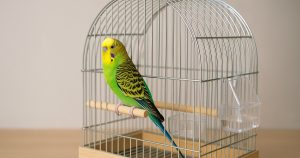
Quick answer: Choose the largest safe cage you can fit and afford. For a budgie or small parakeet, prioritize horizontal flying space, secure doors, easy cleaning, and bar spacing of about 1/2 inch so the bird cannot squeeze its head through.
A good cage should have room for short flights, multiple perches at different heights, food and water stations, toys, and clear floor space. Avoid round cages, rusty metal, sharp edges, loose doors, toxic coatings, overcrowding, and placing the cage in direct sun, drafts or kitchen fumes.
Parakeet Cage Size and Safety Basics
The best parakeet cage is wide, sturdy and easy to maintain. Bigger is usually better as long as the bar spacing is safe and the cage is set up so your bird can move, perch and rest without crowding.
Why Cage Size Matters for Your Parakeet’s Health
Choosing the right cage size is crucial for your parakeet’s health and happiness. Parakeets are active birds that require ample space to fly, play, and exercise. A cage that’s too small can lead to behavioral problems such as feather plucking and physical health issues like obesity. A cramped environment can also make your parakeet feel stressed, leading to depression—a condition that is surprisingly common but preventable with an adequately sized cage.
A larger cage provides more opportunities for mental stimulation and physical activity, ensuring your parakeet remains engaged and healthy. Consider adding extra levels or platforms for exploration. By providing a spacious living area, you create a foundation for a rewarding relationship with your feathered friend.
Plastic Cages
- Weight: Plastic cages are lightweight and often more colorful, appealing to both owners and birds. They are easy to move and can be a more budget-friendly option.
- Downside: They may not withstand the test of time as well as metal cages and can become brittle over time. Ensure the plastic is of high quality and free from harmful chemicals like BPA.
Wood Cages
- Aesthetic: Wood provides a natural look that blends well with home decor. It can create a warm and inviting space for your bird.
- Maintenance: Wood is harder to clean and can harbor bacteria if not properly maintained. It is also susceptible to chewing, so ensure any wood used is untreated and safe for birds.
The Importance of Bar Spacing and Safety
See also: Budgie Lifespan Study: 7 Science-Backed Care Methods Revealed (2025 Guide)
Bar spacing in parakeet cages is more than just a design element; it plays a crucial role in safety. Ideally, the bars should be spaced no more than 1/2 inch apart to prevent the bird from getting its head stuck. This spacing also helps in keeping the bird secure from outside threats, such as other pets.
Safety Tips:
- Check for Sharp Edges: Ensure there are no sharp edges or points that could injure your bird. Run your fingers along the bars to check for any irregularities.
- Secure Locks: Look for cages with secure locks to prevent accidental openings. Parakeets are curious and clever, so a good lock is essential to prevent escapes.
Features Every Parakeet Cage Should Have
See also: Budgie Color Mutations: 47 Complete Varieties (2025 Guide)
To ensure your parakeet stays healthy and happy, look for these essential features in a cage:
- Perches: Varying perch sizes help exercise your parakeet’s feet. Natural wood perches are best as they provide different textures.
- Feeding Dishes: Secure and easily accessible dishes for food and water that can be cleaned and refilled without disturbing your bird.
- Play Area: A section with toys and interactive elements to keep your bird mentally stimulated. Look for toys that encourage foraging and problem-solving.
- Easy Access Doors: For cleaning and interaction. Multiple doors can make it easier to reach different parts of the cage.
- Removable Trays: For quick cleaning to maintain hygiene. A slide-out tray is particularly convenient for regular cleaning.
Step-by-Step Guide to Setting Up Your Parakeet’s Cage
See also: Parakeet Care: 10 Essential Cage Needs (2025 Guide)
Creating a comfortable and safe environment for your parakeet involves careful setup. Here’s a step-by-step guide:
Step 1: Choose the Right Spot (10 minutes)
Select a well-lit, quiet area away from direct sunlight, drafts, and sudden temperature changes. Your parakeet should feel a part of the family while having the option to retreat to a quieter space.
Step 2: Install Perches (15 minutes)
Arrange perches at various heights and distances to promote exercise. Avoid placing perches directly above food and water dishes to reduce contamination.
Step 3: Add Food and Water Dishes (5 minutes)
Place these away from perches to avoid contamination. Consider using ceramic or stainless steel dishes, as they are durable and easy to clean.
Step 4: Hang Toys (10 minutes)
Include a variety of toys to prevent boredom. Rotate toys every week or two to maintain your bird’s interest and prevent monotony.
Step 5: Place Liner and Tray (5 minutes)
Use a non-toxic liner for easy cleanup. Newspaper or paper towels are good options as they are safe and allow you to monitor your bird’s droppings for health changes.
TIP: Rotate toys regularly to keep your parakeet engaged and prevent boredom.
Parakeet Cage Location: Where to Place It in Your Home
See also: Budgie Noise Level: 10 Shocking Findings from a 30-Day Decibel Test (2025 Guide)
The location of your parakeet’s cage can significantly impact its well-being. Ideally, the cage should be placed at eye level in an area where your bird can observe household activities without being overstimulated. Avoid kitchens and bathrooms, as these areas can pose risks due to fumes, humidity, and sudden temperature changes.
Additional Considerations:
- Avoid Drafts: Keep the cage away from windows and air vents to prevent cold drafts.
- Social Interaction: Place the cage in a room where family members spend time, ensuring your bird feels included but not overwhelmed.
- Avoid Isolation: While a quiet environment is ideal, complete isolation can make parakeets anxious. They thrive on social interaction and observing their human family.
Common Parakeet Cage Mistakes
See also: Budgie Food Cost Comparison: 7 Essential Insights for Feeding Your Pet (2025 Guide)
Understanding common pitfalls can save you and your parakeet a lot of trouble. Here are some mistakes to avoid:
Mistake #1: Choosing a Small Cage (85% of Owners)
The Problem: Limited space restricts movement and exercise.
The Fix: Opt for cages with ample space for flying and perching. Always choose the largest cage you can afford and accommodate, as this provides the most benefits for your bird.
Mistake #2: Ignoring Bar Spacing
The Problem: Wide bars can lead to escape or injury.
The Fix: Ensure bars are spaced no more than 1/2 inch apart. Regularly inspect the cage for any bent bars that could widen spacing.
Mistake #3: Overlooking Material Safety
The Problem: Toxic materials can harm your bird.
The Fix: Choose non-toxic, bird-safe materials. Research the cage’s material specifications and ensure there are no harmful coatings.
Mistake #4: Poor Cage Placement
The Problem: Placing cages in high-traffic or hazardous areas.
The Fix: Find a quiet, stable environment for the cage. Avoid areas with strong odors or excessive noise.
Mistake #5: Infrequent Cleaning
The Problem: Dirty cages lead to health issues.
The Fix: Clean the cage and change liners weekly. Conduct a deep clean monthly, including washing all toys, perches, and dishes.
Mistake #6: Lack of Stimulation
The Problem: Boredom can lead to destructive behavior.
The Fix: Provide a variety of toys and rotate them regularly. Consider engaging your bird in interactive play or training sessions.
Mistake #7: Unsafe Toys
The Problem: Some toys can be hazardous.
The Fix: Use toys specifically designed for parakeets. Avoid toys with small parts or toxic materials that could harm your bird.
Comparison: Top Parakeet Cage Brands
See also: Budgie Food Cost Comparison: 7 Essential Insights for Feeding Your Pet (2025 Guide)
Here’s a comparison of some of the best parakeet cage brands:
| Brand | Material | Best For | Price Range | Features |
|---|---|---|---|---|
| Prevue Pet | Metal | Durability | $$ | Easy cleaning, secure locks |
| Vision | Plastic | Lightweight & Design | $ | Compact, colorful |
| A&E Cage Co. | Wood/Metal | Aesthetic Appeal | $$$ | Natural look, sturdy build |
Detailed Comparison:
- Prevue Pet: Known for their robust metal cages, these are ideal for owners seeking long-term durability. The ease of cleaning and secure locking mechanisms make them a top choice for safety-conscious owners.
- Vision Cages: These are compact and lightweight, making them suitable for smaller spaces. The design often includes innovative features that enhance visual appeal and functionality.
- A&E Cage Co.: Offers aesthetically pleasing cages that combine wood and metal for a natural look. These cages are often more expensive but provide a sturdy build and unique design.
Expert Tips for Maintaining a Clean and Healthy Cage
See also: Budgie Vet Cost Analysis: 5 Surprising Expense Facts (2025 Guide)
Proper maintenance of your parakeet’s cage is essential for their health. Follow these expert tips:
- Regular Cleaning: Disinfect perches and toys weekly to prevent bacterial buildup. Use bird-safe cleaning products to avoid harmful residues.
- Rotate Perches: Prevent foot sores by changing perch positions regularly. Offer perches of different textures to promote healthy feet.
- Fresh Food and Water: Change daily to prevent contamination. Clean dishes thoroughly to avoid bacterial growth.
Additional Maintenance Tips:
- Inspect for Damage: Regularly check the cage for signs of wear or damage. Repair or replace parts as needed to maintain safety.
- Monitor Bird Health: Keep an eye on your bird’s droppings and behavior for any signs of illness, and consult a vet if necessary.
Frequently Asked Questions (Expert Answers)
See also: Budgie Noise Level: 10 Shocking Findings from a 30-Day Decibel Test (2025 Guide)
Is a round cage suitable for parakeets?
No. Round cages can cause psychological distress as they lack corners for security. Parakeets need corners to feel safe and secure, so opt for rectangular or square cages.
How often should I clean my parakeet’s cage?
Clean the cage weekly, and replace food and water dishes daily. This routine helps prevent disease and ensures a healthy environment.
Can I use sandpaper perches?
Avoid sandpaper perches as they can cause foot injuries. Instead, use natural wood perches that provide varying textures without causing harm.
What types of toys are safe for parakeets?
Toys made from natural materials like wood and paper are safe. Avoid toys with small parts that can be swallowed or any toxic elements.
How can I tell if my parakeet is happy in its cage?
A happy parakeet will chirp, play, and interact with its environment. Look for signs of curiosity and engagement with toys and surroundings.
Should I cover my parakeet’s cage at night?
Yes, covering the cage can help your bird feel secure and promote better sleep. It simulates the natural darkness and signals bedtime, helping to establish a routine.
Do parakeets need a bath?
Yes, regular baths or misting help keep their feathers clean. Provide a shallow dish of water or use a spray bottle to gently mist your bird.
How many perches should be in the cage?
Include at least three perches of varying thickness. This variety helps exercise your bird’s feet and prevents sores.
Can I keep multiple parakeets in one cage?
Yes, but ensure the cage is large enough to accommodate all birds comfortably. Each bird should have enough space to fly and perch without crowding.
What’s the best cage shape for parakeets?
Rectangular cages are best as they provide more usable space. They offer clear corners for security and facilitate better organization of perches and toys.
Key Takeaways: Parakeet Cage Checklist
See also: Budgie Noise Level: 10 Shocking Findings from a 30-Day Decibel Test (2025 Guide)
– ✔️ Size: Minimum 18x18x24 inches.
– ✔️ Material: Choose non-toxic, durable options.
– ✔️ Bar Spacing: No more than 1/2 inch apart.
– ✔️ Features: Include perches, toys, and food dishes.
– ✔️ Location: Quiet, stable environment away from hazards.
Related Articles You’ll Love
- Budgie Vet Cost Analysis: 5 Surprising Expense Facts (2025 Guide)
- Budgie Lifespan Study: 7 Science-Backed Care Methods Revealed (2025 Guide)
- Budgie Color Mutations: 47 Complete Varieties (2025 Guide)
- Budgie Carriers: 5 Essential Choices for Safety & Security (2025 Guide)
- Budgie Toys: 10 Ultimate Picks for Maximum Play (2025 Guide)
- Budgie Food Brands: 8 Ultimate Choices Tested (2025 Guide)
- Budgie Cages: 5 Ultimate Choices for Easy Cleaning (2025 Guide)
- My Budgie Screamed for 2 Weeks Straight: 7 Proven Solutions (2025 Guide)
About This Guide
See also: Budgie Noise Level: 10 Shocking Findings from a 30-Day Decibel Test (2025 Guide)
This guide was compiled with insights from avian experts and recent studies. Last updated in November 2025, it is designed to help you provide the best care for your parakeet. For further questions or feedback, contact our team of avian specialists.
Recommended Products
- Living World – Millet Spray for Birds, 3.5 Oz – Premium Treat for Budgies, Canaries, Finches, Cockatiels and Other Pet Birds
- Wild Harvest Daily Blend Nutrition Diet Parakeet, Canary And Finch, Bird Food, 5 Pounds
- Kaytee Fiesta Parakeet Food, Nutritious and Fun Blend, Supports Skin, Feather, Digestion, Brain and Heart Health, 2 pounds
- Penn-Plax Bird-Life 2-in-1 E-Cuttlebone & Mineral Block – Banana & Berry Flavor – Great for All Birds – 2 Pack
- Hari Mineral Block for Birds with Dried Vegetables, Calcium Supplement Bird Treat
- Swing Hanging Standing Chewing Toy Hammock Climbing Ladder, Cage Colorful Toys Suitable for Budgerigar, Parakeet, Conure, Cockatiel, Mynah, Love Birds, Finches
- Bird Perches Cage Toys Parrot Wooden Platform Play Gyms Exercise Stands with Acrylic Wood Swing Ferris Wheel Chewing for Animals Green Cheeks, Baby Lovebird, Chinchilla, Hamster Budgie
- Bird Perch Bird Toys Parakeet Toys,Bird Cage Accessories Wooden Chew Toys Perch Stand for Parrot Conure Cockatiel Lovebird Parrotlet Budgie Finches and Other Small to Medium Sized Birds