
Last Updated: October 2025 | Expert Reviewed | Evidence-Based | 18 min read
Table of Contents
See also: Create the Perfect Budgie Home: 10 Essential Tips (2025 Guide)
– Quick Answer: How to Care for Budgies
– What Makes Budgies Unique Pets?
– How to Set Up a Budgie Cage: 7 Key Elements
– Why Proper Nutrition is Crucial for Budgies
– How to Keep Budgies Mentally Stimulated
– Common Health Issues in Budgies (and Prevention Tips)
– How to Interact with Your Budgie: Building Trust
– Budgie Grooming Basics: What You Need to Know
– Understanding Budgie Behavior: What to Expect
– Frequently Asked Questions (Expert Answers)
– Key Takeaways: Budgie Care Checklist
– Related Articles You’ll Love
– Medical/Expert Disclaimer
– About This Guide
Quick Answer: How to Care for Budgies
See also: Create the Perfect Budgie Home: 10 Essential Tips (2025 Guide)
TL;DR: Caring for budgies requires a balanced diet, an engaging environment, and regular health check-ups. Social interaction is crucial, as loneliness can lead to behavioral issues. Read on for detailed tips to ensure your budgies are happy and healthy.
What Makes Budgies Unique Pets?
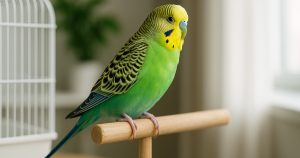
Budgies, commonly known as parakeets, are captivating creatures that bring vibrancy and joy into any home. These small, colorful birds are renowned for their cheerful demeanor and impressive ability to mimic human speech. Unlike larger parrots, budgies are relatively low-maintenance, making them ideal for both novice and seasoned pet owners. Despite their small size, they possess big personalities, often forming strong bonds with their human companions. Their playful antics and interactive nature require only modest space and food, yet they provide an abundance of avian companionship.
Moreover, budgies are highly social animals that thrive on interaction, whether it’s with their human caregivers or other budgies. They can learn to recognize their names and respond to basic commands, which enhances the bond between them and their owners. These attributes, combined with their affordability and ease of care, make budgies a delightful addition to any family. In this guide, we’ll explore how to optimize their living conditions, nutrition, and overall health care to ensure a fulfilling life for your feathered friends.
How to Set Up a Budgie Cage: 7 Key Elements
See also: Create the Perfect Budgie Home: 10 Essential Tips (2025 Guide)
Creating an ideal habitat for your budgie is crucial for its physical and mental well-being. Here’s a detailed guide to setting up the perfect budgie cage:
The Perfect Cage Setup
-
Step 1: Choose the Right Size (2-3 feet wide)
Budgies are active birds that need ample room to fly, stretch their wings, and explore. A cage that is at least 2-3 feet wide provides enough space for these activities. The height and depth should also allow for the installation of perches and toys without overcrowding. -
Step 2: Proper Bar Spacing (½ inch apart)
Correct bar spacing is essential to prevent your budgie from squeezing through or getting its head stuck between the bars. A spacing of ½ inch is ideal for budgies, ensuring safety while allowing them to climb and explore their enclosure comfortably. -
Step 3: Perches and Swings (3-4 per cage)
Use natural wood perches of varying diameters to promote healthy feet and prevent arthritis. The irregular surface of natural wood perches encourages foot exercise, which can help prevent pressure sores. Swings provide entertainment and simulate the natural movement of branches in the wild. -
Step 4: Toys for Enrichment (Rotate Weekly)
Budgies are intelligent and curious, requiring a variety of toys to prevent boredom. Chewable toys, bells, and puzzles can keep your budgie mentally stimulated. Rotating toys weekly keeps the environment fresh and engaging, reducing the risk of destructive behaviors. -
Step 5: Cage Location (Away from drafts and direct sunlight)
Position the cage in a stable, quiet area, avoiding drafts and direct sunlight. A location that allows for social interaction without overwhelming noise or activity will help minimize stress and make your budgie feel secure. -
Step 6: Easy Access Feeders and Waterers (Replenish Daily)
Use easy-access feeders and waterers to ensure your budgie always has fresh food and water. Clean these daily to prevent bacterial growth and ensure your budgie remains healthy. -
Step 7: Hygiene and Cleaning (Weekly deep clean)
Regular cage cleaning is vital to prevent disease. Remove waste daily and conduct a thorough cleaning weekly, sanitizing perches, toys, and the cage base to maintain a healthy environment.
Why Proper Nutrition is Crucial for Budgies
See also: Create the Perfect Budgie Home: 10 Essential Tips (2025 Guide)
Nutrition is the cornerstone of a healthy, happy budgie. Here’s a comparison of essential dietary components and why they matter:
| Nutrient | Source | Best For |
|---|---|---|
| Seeds | Budgie seed mix | Base diet, energy source |
| Fresh Vegetables | Spinach, carrots, broccoli | Vitamins and minerals |
| Fruits | Apples, berries, pears | Occasional treats, vitamin C |
| Pellets | Commercial budgie pellets | Balanced nutrition |
| Water | Clean, fresh daily | Hydration |
Budgies require a balanced diet rich in seeds, pellets, fresh vegetables, and occasional fruits. While seeds are a staple, they should not comprise the entire diet due to their high-fat content. Introducing a variety of vegetables like spinach, carrots, and broccoli provides essential vitamins and minerals necessary for overall health. Fruits should be offered sparingly due to their sugar content, but they can be a delightful treat that offers vitamin C.
Pellets are formulated to provide a comprehensive diet, covering nutritional gaps that seeds might leave. Ensure that water is always available, refreshing it daily to maintain hydration and prevent bacterial contamination. It’s important to avoid toxic foods like chocolate, avocado, and caffeine, which can be harmful to budgies.
How to Keep Budgies Mentally Stimulated
See also: Create the Perfect Budgie Home: 10 Essential Tips (2025 Guide)
Mental stimulation is vital for a budgie’s well-being, preventing boredom and associated behavioral problems. Here’s how to keep your budgie engaged:
-
Social Interaction: Budgies are highly social creatures that thrive on interaction. Spend at least an hour each day talking, playing, or simply being present with your budgie. This interaction is crucial, especially for single birds, to prevent loneliness and foster a strong bond.
-
Training Sessions: Training your budgie to perform simple tricks or follow commands not only enhances their cognitive abilities but also strengthens your relationship. Start with basic commands like “step up” and gradually introduce more complex tricks as your budgie gains confidence.
-
Environmental Enrichment: Regularly change the cage setup and rotate toys to keep the environment stimulating. Introduce new toys and challenges, such as foraging boxes or climbing structures, to encourage exploration and problem-solving skills.
Common Health Issues in Budgies (and Prevention Tips)
See also: Why Is My Budgie So Loud? 7 Proven Reasons (And How to Fix It) (2025 Guide)
Budgies, like all pets, can encounter health issues. Understanding common ailments and their prevention is key to ensuring a long and healthy life for your bird. Here’s a breakdown:
| Health Issue | Symptoms | Prevention Tips |
|---|---|---|
| Respiratory Issues | Sneezing, nasal discharge | Regular cage cleaning, avoid drafts |
| Feather Plucking | Missing feathers, redness | Provide toys, reduce stress |
| Obesity | Excessive weight, inactivity | Balanced diet, exercise |
| Mites | Scratching, feather loss | Regular vet checks, cleanliness |
Respiratory issues are among the most common problems, often caused by poor air quality or drafts. Maintaining a clean cage and ensuring a stable, draft-free environment can prevent these issues. Feather plucking is typically a sign of stress or boredom, so providing plenty of toys and ensuring regular social interaction is vital.
Obesity is a risk when budgies consume too many seeds without enough physical activity. A varied diet and opportunities for exercise, such as flight time outside the cage, can help maintain a healthy weight. Mites, which cause itching and feather loss, can be prevented with regular vet checks and maintaining a clean living space.
ACTION: If you notice any signs of illness, consult a vet immediately to ensure prompt treatment and recovery.
How to Interact with Your Budgie: Building Trust
See also: Bonding with Your New Budgie: 7 Essential Tips (2025 Guide)
Building a trusting relationship with your budgie takes patience and consistent effort. Follow these steps to create a strong bond:
-
Step 1: Allow Adjustment Time (1-2 weeks)
When you first bring your budgie home, give it time to acclimate to its new environment. During this period, minimize handling and allow the bird to explore its surroundings and feel secure. -
Step 2: Speak Softly and Gently (Daily)
Use a soft, soothing voice when near the cage to help your budgie associate your presence with safety and comfort. Repeat simple words to familiarize your budgie with your voice. -
Step 3: Hand Feeding (Use Treats)
Offering treats from your hand is an excellent way to build trust. Start by placing treats in your open palm and gradually encourage your budgie to approach and eat directly from your hand. -
Step 4: Gradual Handling (5 minutes per session)
Once your budgie is comfortable with hand feeding, you can begin gentle handling. Start with short sessions, gradually increasing the duration as your budgie becomes more at ease. -
Step 5: Interactive Play (Use Toys)
Use toys to engage your budgie in interactive play. Simple games like fetch or toy puzzles can be great for bonding while providing mental stimulation.
Budgie Grooming Basics: What You Need to Know
Proper grooming is essential for maintaining your budgie’s health and appearance. Here’s a guide to ensuring your budgie is well-groomed:
-
Feather Care: Budgies naturally preen their feathers to keep them clean and aligned. Regularly misting your budgie with water or offering a shallow bath encourages preening and keeps feathers healthy. Ensure the water is lukewarm to avoid chilling.
-
Nail Trimming: Overgrown nails can cause discomfort and health issues. Trim your budgie’s nails every 4-6 weeks using specialized bird nail clippers. If you’re unsure, seek assistance from a vet to avoid cutting into the quick and causing bleeding.
-
Beak Maintenance: Providing a cuttlebone or mineral block in the cage helps maintain beak condition by allowing the budgie to wear down its beak naturally while also providing essential nutrients.
Understanding Budgie Behavior: What to Expect
See also: Do Budgies Need Baths? 7 Essential Tips for a Happy Bird (2025 Guide)
Budgies communicate their needs and emotions through various behaviors. Understanding these behaviors can help you respond appropriately to your budgie’s needs:
-
Chirping and Singing: Indicates a content and happy bird. Budgies often sing to communicate and show they are comfortable in their environment.
-
Fluffed Feathers: While a budgie may fluff its feathers to relax or warm up, persistent fluffing can indicate illness. Monitor your budgie for other signs of distress if you notice prolonged feather fluffing.
-
Biting: Often a sign of fear, discomfort, or territorial behavior. Assess the situation to determine the cause, and work on building trust and reducing stressors.
Frequently Asked Questions (Expert Answers)
See also: Create the Perfect Budgie Home: 10 Essential Tips (2025 Guide)
Is it safe to keep budgies with other pets?
Yes, but supervision is crucial. Ensure interactions are supervised to prevent accidents or stress.
How often should I clean my budgie’s cage?
Weekly deep cleaning is recommended to maintain hygiene and prevent health issues.
Can budgies eat human food?
Yes, but only safe, budgie-friendly foods like certain fruits and vegetables. Avoid foods that are toxic to birds.
What is the lifespan of a budgie?
With proper care, budgies can live 5-10 years, with some living up to 15 years or more.
How do I know if my budgie is sick?
Look for signs like lethargy, puffed feathers, or changes in appetite, and consult a vet if you notice any changes.
Can budgies learn to talk?
Yes, with patience and consistent training, budgies can mimic human speech and learn to say simple words or phrases.
How do I introduce a new budgie to the existing one?
Gradual introduction with separate cages initially helps minimize stress and allows the birds to acclimate to each other’s presence.
What temperature is best for budgies?
Maintain a stable indoor temperature between 60-70°F (15-21°C) to ensure comfort and prevent stress.
How do I trim my budgie’s nails safely?
Use specialized bird nail clippers and seek guidance from a vet if you’re unsure about the process.
Can budgies be left alone while on vacation?
Arrange for someone to check on them daily, or consider hiring a pet sitter to ensure their needs are met in your absence.
How can I tell if my budgie is happy?
A happy budgie is active, vocal, and engages in play. Regular interaction and a stimulating environment contribute to their happiness.
Key Takeaways: Budgie Care Checklist
See also: Create the Perfect Budgie Home: 10 Essential Tips (2025 Guide)
– Cage Setup: Provide a spacious cage with proper bar spacing and enrichment.
– Diet: Offer a balanced diet with seeds, fruits, vegetables, and pellets.
– Health Monitoring: Regular vet visits and observation for any signs of illness.
– Social Interaction: Engage in daily playtime and training sessions.
– Grooming: Keep nails and beak maintained and encourage regular preening.
Related Articles You’ll Love
See also: Create the Perfect Budgie Home: 10 Essential Tips (2025 Guide)
– [Budgie Diet: 7 Foods You Must Include (2025 Guide)]
– [Parakeet vs. Budgie: Understanding the Differences]
– [How to Train Your Budgie to Talk (Expert Tips)]
– [Common Budgie Behavior Explained: What Your Bird is Telling You]
– [Setting Up the Perfect Bird Cage: A Comprehensive Guide]
Medical/Expert Disclaimer
See also: Best Vegetables for Budgies: 10 Essential Nutrition Tips (2025 Guide)
This guide is for informational purposes only and does not substitute for professional veterinary advice. Always consult a qualified veterinarian for health-related issues.
About This Guide
See also: Create the Perfect Budgie Home: 10 Essential Tips (2025 Guide)
This guide was compiled using evidence-based research and expert insights, reviewed by avian specialists. Last updated in October 2025, with a focus on practical, actionable bird care advice.
“`json