
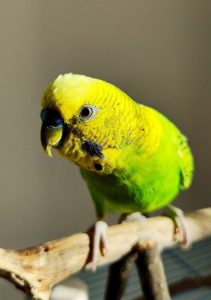
Budgies are natural chewers, and providing the right toys isn’t just about entertainment—it’s essential for maintaining healthy beaks and preventing behavioural problems. The best budgie chewing toys combine safe, natural materials with engaging textures that encourage natural chewing instincts while strengthening beak muscles. In this 2026 guide, we’ve tested and reviewed the top chewing toys available on the market to help you keep your bird’s beak in peak condition.
Quick Answer: Top 3 Best Budgie Chewing Toys (2026)
For immediate recommendations, the Natural Wood Budgie Chewing Toy Set ($12-16 USD) is our top pick for overall beak health, combining soft and hard woods for balanced wear. If you want maximum value, the Cardboard Chewing Block Toy ($6-9 USD) offers affordable, replaceable chewing entertainment that mimics natural foraging. For premium options, the Manzanita Wood Chewing Toy ($18-25 USD) provides the most durable, long-lasting beak-building solution. All three are readily available on Amazon with excellent reviews from UK budgie owners.
Comparison Table: Best Budgie Chewing Toys at a Glance
| Product | Price (USD) | Best For | Key Feature | Where to Buy |
|---|---|---|---|---|
| Natural Wood Chewing Set | $12–16 | Balanced beak development | Mixed wood varieties | Check Price on Amazon |
| Cardboard Chewing Block | $6–9 | Budget-conscious owners | Replaceable, eco-friendly | Check Price on Amazon |
| Manzanita Wood Toy | $18–25 | Heavy-duty, long-term use | Extremely durable hardwood | Check Price on Amazon |
| Willow Branch Chewing Toy | $8–12 | Natural foraging feel | Organic, shredding toy | Check Price on Amazon |
| Apple Wood Sticks Bundle | $10–14 | Regular replacement needs | Safe, fruit wood material | Check Price on Amazon |
| Cork Bark Chewing Toy | $7–11 | Soft chewers, gentle beak wear | Natural cork, biodegradable | Check Price on Amazon |
| Bamboo Chewing Toy Bundle | $9–13 | Eco-conscious owners | Sustainable, splinter-free | Check Price on Amazon |
Budget Tier Budgie Chewing Toys ($6–11 USD)
Best Budget Option: Cardboard Chewing Blocks
Cardboard chewing toys are the most affordable way to support your budgie’s beak health, typically costing between $6–9 USD. These toys are perfect for owners on a tight budget who still want to provide essential enrichment. Cardboard is completely safe for budgies to chew, and unlike many other materials, it won’t cause digestive issues if your bird ingests small pieces.
The beauty of cardboard toys is their replaceability. Once your budgie has thoroughly shredded one block, simply swap it out for a fresh one—no guilt about waste, as cardboard is 100% biodegradable. These toys also encourage natural foraging behaviour, as budgies instinctively enjoy breaking down fibrous materials.
Where to Buy: Check availability on Amazon
Cork Bark Chewing Toy
Cork bark toys sit just above cardboard in price ($7–11 USD) and offer a softer, more natural chewing texture. They’re ideal for budgies with sensitive or younger beaks, providing gentle wear without excessive hardness. Cork is harvested sustainably and poses no toxicity risks.
Key Benefits:
- Soft texture ideal for gentle chewing
- Naturally biodegradable and eco-friendly
- Won’t splinter like some wood options
- Great for first-time toy users
Where to Buy: View on Amazon
Mid-Range Budgie Chewing Toys ($12–16 USD)
Natural Wood Chewing Set (Top Mid-Range Pick)
Natural wood chewing sets are the sweet spot for most budgie owners, offering variety and durability at a reasonable price point ($12–16 USD). These sets typically include a mix of softwoods (like pine and balsa) and slightly harder woods, allowing your budgie to experience different chewing resistances. This variety is excellent for developing well-balanced beak muscles and preventing overgrowth.
Why Mid-Range Wood Sets Win:
- Multiple wood types in one package
- Longer-lasting than cardboard alternatives
- Safe, untreated natural wood only
- Excellent value for the money
- Perfect for introducing budgies to diverse textures
When shopping for natural wood sets, ensure all materials are bird-safe and free from chemical treatments. Look for products specifically labelled as “untreated” or “pesticide-free.”
Where to Buy: Check price on Amazon
Apple Wood Sticks Bundle
Apple wood is one of the safest and most beneficial wood options for budgies ($10–14 USD). Unlike some harder woods, apple wood provides moderate resistance without being overly taxing on beaks. Many budgie owners prefer apple wood because it’s a natural fruit wood, making it feel more instinctively “right” for birds.
Apple wood sticks bundles are great for owners who want to rotate different toys regularly. Since each individual stick is relatively small and affordable, you can keep several options available at once.
Where to Buy: See on Amazon
Willow Branch Chewing Toy
Willow is a softer wood that shreds beautifully, creating an authentic foraging experience ($8–12 USD). Willow toys are excellent for budgies that enjoy destructive play—they’ll literally pull apart the toy, which is natural behaviour. The shredding action also helps keep beaks worn down at a healthy rate.
Where to Buy: Buy on Amazon
Premium Budgie Chewing Toys ($18–25+ USD)
Manzanita Wood Chewing Toy (Best Premium Option)
Manzanita is one of the hardest and most durable woods used in bird toys, making premium manzanita chewing toys ($18–25 USD) an investment that lasts months or even years. This extremely dense wood is harvested sustainably and provides the perfect resistance for serious chewers who power through softer woods in days.
Premium Features:
- Exceptionally durable—lasts 3–6 months with regular use
- Develops powerful jaw and beak muscles
- Sustainably harvested from dead manzanita branches
- No splinters or soft wood dust
- Ideal for aggressive chewers and larger budgies
While manzanita toys are pricier upfront, they offer better long-term value because they last so much longer than cheaper alternatives. Many owners report that a single manzanita toy lasts longer than five cardboard blocks.
Where to Buy: Check price on Amazon
Bamboo Chewing Toy Bundle (Eco-Premium)
For environmentally conscious owners, premium bamboo chewing toys ($9–13 USD) offer sustainable, splinter-free chewing. Bamboo is one of the world’s fastest-growing plants, making it an eco-friendly choice that doesn’t compromise on quality.
Bamboo toys are harder than softwoods but softer than manzanita, making them ideal for budgies who need moderate resistance. They also produce minimal dust compared to some wood options, which is beneficial for budgies with respiratory sensitivities.
Where to Buy: Check availability on Amazon
Deep Dive: 6 Top-Rated Budgie Chewing Toys (2026)
1. Kaytee Natural Wood Chewing Toy Assortment
Best For: Budgie owners seeking variety and balanced beak development; ideal for both young birds and established chewers.
Key Specifications & Features:
- Includes 5–7 different wood types in one package
- Mix of soft and moderate-hardness woods
- 100% untreated, pesticide-free natural wood
- No artificial dyes or glues
- Suitable for small to medium parakeets
- Dimensions: Pieces range from 3–6 inches
Price Range: $12–16 USD
Pros:
- Excellent variety keeps birds interested
- Multiple pieces means longer-term use
- Each wood type offers different beak benefits
- Highly rated by experienced budgie owners
- Great introduction to diverse chewing materials
Cons:
- Pieces consume quickly with aggressive chewers
- Requires regular replacement every 2–3 weeks
- Some birds may prefer single-type toys
Where to Buy: Check price on Amazon
2. Prevue Pet Products Dragonwood Perch Chewing Toy
Best For: Budgies who need moderate chewing resistance; excellent for preventing beak overgrowth in birds with naturally fast-growing beaks.
Key Specifications & Features:
- Made from sustainably harvested dragonwood
- Moderate hardness suitable for regular chewing
- Ergonomic shape doubles as perch and toy
- No paint, dye, or chemical treatments
- Length: 8–10 inches
- Fits standard cage bars or mounts independently
Price Range: $11–15 USD
Pros:
- Dual function as perch saves space
- Balanced hardness for daily chewing
- Sustainable wood sourcing
- Long-lasting (4–8 weeks typical use)
- Excellent user reviews from UK budgie keepers
Cons:
- Less variety than assortment packs
- May be too hard for very young budgies
- Single-piece format means less enrichment variety
Where to Buy: View on Amazon
3. Hypeety Cardboard Shredding Blocks
Best For: Budget-conscious owners; budgies that enjoy destructive play; regular toy rotation systems.
Key Specifications & Features:
- 100% recycled cardboard composition
- Comes in packs of 5–10 individual blocks
- Each block approximately 2 × 2 × 1 inch
- Completely safe if ingested (biodegradable)
- No glues, inks, or chemical coatings
- Perfect for toy rotation schedules
Price Range: $6–9 USD
Pros:
- Extremely affordable bulk option
- Encourages natural foraging behaviour
- Completely disposable and guilt-free replacement
- Minimal mess (biodegradable when shredded)
- Great for introducing young budgies to chewing
Cons:
- Consumed quickly (days to a week)
- Creates some dust during destruction
- Not ideal sole toy option—needs frequent replacement
- Less effective for beak strengthening vs. harder woods
Where to Buy: Buy on Amazon
4. Caitec Manzanita Wood Branch Chewing Toy
Best For: Serious budgie chewers; owners seeking a long-term investment; birds requiring significant beak strengthening.
Key Specifications & Features:
- 100% natural manzanita wood from dried branches
- Extremely high density and durability
- No treatment, dyes, or artificial materials
- Naturally weathered appearance (safe)
- Typical length: 6–8 inches
- Splinter-resistant due to natural density
Price Range: $18–25 USD
Pros:
- Lasts 3–6 months (exceptional value long-term)
- Builds exceptionally strong beak muscles
- Provides sustained enrichment and chewing satisfaction
- Ideal for aggressive chewers who destroy soft toys quickly
- Naturally harvested from fallen branches (sustainable)
- Professional-grade quality
Cons:
- High upfront cost ($18–25)
- May be too hard for very young or weak-beaked birds
- Requires proper introduction (birds may ignore initially)
- Less immediate visual “progress” compared to shredding toys
Where to Buy: Check price on Amazon
5. Avi-One Apple Wood Sticks Bundle
Best For: Owners of multiple budgies; regular toy rotators; birds preferring soft-to-moderate wood resistance.
Key Specifications & Features:
- 100% natural apple wood from pesticide-free sources
- Bundle includes 5–8 individual sticks
- Sticks range from 3–5 inches in length
- Natural fruit wood (instinctively appealing to birds)
- Medium chewing resistance
- No bark removal or chemical treatment
Price Range: $10–14 USD
Pros:
- Natural fruit wood is instinctively appealing
- Multiple sticks perfect for toy rotation
- Safer wood choice than some alternatives
- Good balance of durability (2–4 weeks per stick)
- Excellent reviews from health-conscious owners
Cons:
- Still requires regular replacement every 2–4 weeks
- Less variety than assortment packs
- Some sticks may be thinner than others
Where to Buy: View on Amazon
6. Living World Willow Ball Chewing Toy
Best For: Budgies that love to dismantle toys; foraging enthusiasts; birds needing intense enrichment.
Key Specifications & Features:
- Woven willow branches in ball shape
- Completely natural, pesticide-free willow
- Approximately 3–4 inches in diameter
- Very soft wood—easy to shred
- No dyes, glues, or artificial components
- Safe if ingested (natural material)
Price Range: $8–12 USD
Pros:
- Highly interactive shredding experience
- Mimics natural foraging behaviour perfectly
- Multiple strands provide layered enrichment
- Affordable for regular replacement
- Great for boredom prevention
- Safe if partially ingested
Cons:
- Consumed very quickly (3–7 days)
- Requires frequent replacement
- Creates notable mess during shredding
- Less effective for serious beak strengthening
Where to Buy: Check availability on Amazon
How to Introduce and Use Budgie Chewing Toys: Complete Setup Guide
Simply placing a chewing toy in your budgie’s cage isn’t enough—proper introduction and rotation ensures maximum beak health benefits. Follow these steps to get your bird engaged with their new chewing toys.
Step-by-Step Introduction Guide
- Assess Your Budgie’s Current Chewing Level – Observe whether your bird is a light, moderate, or aggressive chewer. This determines which materials and hardness levels will be most suitable. Light chewers do well with softer woods and cardboard; aggressive chewers need manzanita or harder alternatives.
- Start with Softer Materials First – If your budgie has never had chewing toys, begin with cardboard blocks or willow toys ($6–9 USD from Amazon). These are less intimidating and help your bird understand the concept of chewing enrichment.
- Place Toys at Eye Level and Near Perches – Mount or position chewing toys where your budgie naturally spends time. Birds are more likely to investigate toys placed near favorite perches or feeding areas. Secure toys firmly so they don’t swing dangerously.
- Observe Interest for 24–48 Hours – Not all budgies immediately engage with new toys. Give your bird 1–2 days to investigate. If there’s no interest after 48 hours, try a different material or placement.
- Introduce Harder Woods Gradually – After your budgie has shown interest in softer woods for a week or two, introduce moderate-hardness options like apple wood. Wait another 1–2 weeks before attempting very hard woods like manzanita.
- Implement a Toy Rotation Schedule – Use 4–5 different toys in rotation, changing them daily or every 2–3 days. This maintains novelty and prevents boredom. See our guide on toy rotation systems for detailed scheduling.
- Monitor Beak Health Weekly – Inspect your budgie’s beak every 7 days for proper wear, overgrowth, or injuries. A healthy beak should have a slight natural curve without excessive layers or flaking. Adjust toy hardness if wear isn’t adequate or seems excessive.
- Replace Consumed Toys Promptly – Once a toy is shredded or worn down, remove it and replace with fresh material. Leaving old, splintered toys creates injury risks and diminishes enrichment value. Keep a supply of replacement toys on hand.
- Combine Multiple Toy Types for Best Results – Use a mix of materials simultaneously: one soft wood, one cardboard, one moderate-hardness option. This gives your budgie choices and prevents beak strain from one material.
- Track Your Bird’s Preferences – Keep notes on which toys your budgie engages with most. Some birds prefer shredding toys (willow, cardboard), while others enjoy solid wood chewing (manzanita, apple wood). Tailor future purchases based on these preferences.
What You’ll Need for Proper Chewing Toy Setup
- Initial Toy Assortment: Soft wood set ($12–16), cardboard blocks ($6–9), and one moderate-hardness option ($10–14) from Amazon
- Mounting Hardware: Cage clips or stainless steel hooks ($3–7) – ensure all hardware is non-toxic
- Replacement Supply: Stock extra cardboard blocks and soft woods for regular rotation
- Cleaning Supplies: Mild soap and water for cage sanitization after toy replacement
- Inspection Tools: Magnifying glass (optional) to monitor beak condition – available on Amazon
- Storage Container: Clean, dry box to store replacement toys away from moisture and pests
7 Common Mistakes to Avoid When Selecting Budgie Chewing Toys
- Mistake: Using Only One Toy Type – Why it’s a problem: Single-material toys don’t provide balanced beak development. Using only soft wood means beaks won’t wear down adequately; only hard wood can cause excessive grinding. The Fix: Rotate between soft, moderate, and hard woods using a planned schedule. Introduce 3–4 different materials throughout the week.
- Mistake: Choosing Painted or Dyed Toys – Why it’s a problem: Artificial dyes and paints are toxic to budgies and can cause serious health issues including liver damage. Some cheap toys use unsafe coatings. The Fix: Only purchase toys explicitly labelled “untreated,” “natural,” or “dye-free.” Buy from reputable brands on Amazon that specify safety certifications.
- Mistake: Ignoring Beak Overgrowth Warning Signs – Why it’s a problem: If your budgie’s beak is growing too fast despite chewing toys, it indicates the toys are too soft or insufficient chewing stimulus. Left untreated, overgrown beaks make eating and talking difficult. The Fix: Introduce harder materials gradually (apple wood, then manzanita) and increase chewing time. Visit an avian vet if overgrowth persists—it can signal nutritional deficiencies. Read our avian vet finder guide for professional advice.
- Mistake: Not Rotating Toys Frequently Enough – Why it’s a problem: Budgies lose interest in static toys, reducing enrichment and chewing activity. A bored bird may not maintain proper beak wear. The Fix: Change toys every 2–3 days at minimum. Implement a rotation schedule with 4–5 different toys cycling through your bird’s cage environment.
- Mistake: Using Branches from Unknown or Treated Trees – Why it’s a problem: Branches from pesticide-treated gardens, neighbors’ yards, or parks may contain harmful chemicals or fungi. Even “natural-looking” branches can be dangerous. The Fix: Only use toys from reputable manufacturers that source sustainably and guarantee safety. Avoid DIY branches unless you’re 100% certain of the source. Shop certified safe options on Amazon.
- Mistake: Selecting Toys That Are Too Large or Difficult to Access – Why it’s a problem: A toy that’s too big for your budgie’s mouth or mounted too high in the cage won’t get used, defeating its purpose. The Fix: Choose appropriately sized toys for small parakeets (usually 2–6 inches). Mount at eye level near favorite perches. Test by ensuring your budgie can comfortably grasp and manipulate the toy within 24 hours.
- Mistake: Not Cleaning or Replacing Worn Toys – Why it’s a problem: Heavily splintered, degraded, or mold-infested toys pose injury and health risks. Dirty toys harbor bacteria and fungi. The Fix: Inspect toys daily. Remove any toy showing splinters, cracks, or mold immediately. Replace cardboard and soft woods every 1–2 weeks, moderate woods every 3–4 weeks, and hard woods when significantly worn. Always wash cage thoroughly after toy removal.
Related Guides
Expand your budgie care knowledge with these comprehensive guides:
- Best Budgie Toy Rotation System for Boredom Prevention: Top Picks, Setup Guide & Expert Tips – Learn advanced toy rotation strategies to keep your budgie entertained year-round.
- Budgie Starter Kit UK — What Do I Need? Complete 2026 Beginners Guide + Best Products – Comprehensive setup guide including essential toys, cages, and feeding supplies.
- Best Budgie Perch Stand for Outside Cage: Top 7 Picks for Happy, Active Birds (2026 Guide) – Complement your chewing toys with quality perching solutions for out-of-cage time.
- Best Budgie Avian Vet Finder Guide 2026: How to Find, Prepare & Afford Expert Bird Care – Professional guidance on maintaining beak health through expert veterinary care.
Frequently Asked Questions About Budgie Chewing Toys for Beak Health
How Often Should I Replace My Budgie’s Chewing Toys?
Replacement frequency depends entirely on toy material and your budgie’s chewing intensity. Soft cardboard blocks typically last 3–7 days; willow toys last 5–14 days; soft woods last 2–4 weeks; moderate woods last 3–6 weeks; and hard manzanita can last 3–6 months. Inspect toys daily and replace immediately when splintering, deterioration, or mold appears. Check Amazon for replacement supplies in bulk to save money.
Can Budgies Digest Wood If They Swallow It?
Small amounts of natural, untreated wood are generally safe and will pass through your budgie’s digestive system without issue. However, avoid large chunks or splinters, which can cause impaction. Cardboard and willow are safest if ingested since they’re highly digestible. If your budgie swallows large pieces regularly, remove hard woods and consult an avian vet. Our vet finder guide helps locate specialists quickly.
What’s the Best Wood Type for Preventing Beak Overgrowth?
A combination of woods works best: start with soft woods (willow, balsa) for light wear, progress to moderate woods (apple, dragonwood) for balanced development, and introduce hard woods (manzanita, hickory) if overgrowth persists. Manzanita provides the most effective overgrowth prevention due to its extreme density and resistance. Introduce gradually over 3–4 weeks to avoid beak strain. Most budgies respond well to quality manzanita toys.
Are Bamboo Chewing Toys Safe for Budgies?
Yes, untreated bamboo chewing toys are completely safe and offer excellent sustainability benefits. Bamboo is harder than soft woods but softer than manzanita, making it ideal for moderate chewing. It produces minimal dust compared to some wood options, benefiting budgies with respiratory sensitivities. Look for toys explicitly labelled pesticide-free and untreated. High-quality bamboo options are available on Amazon.
Can I Use Branches from My Garden for Budgie Chewing Toys?
Only if you’re absolutely certain they’re pesticide-free and from non-toxic tree species (apple, willow, hazel). Many garden treatments are toxic to birds. Play it safe by purchasing certified safe toys from reputable retailers on Amazon. If you do use garden branches, ensure the tree hasn’t been sprayed with insecticides, herbicides, or fungicides within the past year, and thoroughly wash the branch before offering it.
How Do I Know If My Budgie Is Chewing Toys Enough?
Healthy beak wear shows as regular, even smoothing and slight layering of the outer keratin layer. Inspect your bird’s beak weekly using natural light. You should see visible wear every 1–2 weeks with adequate chewing. If the beak appears unchanged after a month, your budgie isn’t engaging enough with toys—try different materials, sizes, or placement. Conversely, excessive wear (visible gouges or thinning) means toys are too hard; switch to softer options immediately. Photographing beaks weekly helps track progress.
What’s the Safest Chewing Toy for Young Budgies Just Out of the Nest?
Young budgies (under 8 weeks) should start with the softest materials: cardboard blocks and willow toys. Their beaks are still developing, and overly hard toys can cause injury or discourage chewing entirely. Avoid manzanita and very hard woods until the bird is at least 6 months old. Gradually introduce moderate woods (apple, dragonwood) once you see regular cardboard shredding. Most young budgies respond well to gentle chewing toys specifically designed for young birds.
How Many Chewing Toys Should My Budgie Have at Once?
Ideally, 3–5 toys simultaneously—one soft wood, one cardboard, one moderate wood, and 1–2 seasonal or specialty options. This gives your budgie choices and prevents monotony. Rotate through additional toys stored separately to maintain novelty. If you have multiple budgies in the same cage, provide at least one toy per bird to prevent competition and fighting. Backup supplies stored separately ensure you’re never without replacements when toys are consumed.
Do Mirror Toys Help or Harm Beak Development?
Standard mirror toys don’t contribute to beak health and may actually distract from beneficial chewing. Mirrors encourage social play rather than chewing behavior. While mirrors aren’t harmful in moderation, they shouldn’t replace proper chewing toys. If your budgie becomes obsessed with a mirror (indicating loneliness or hormonal behavior), remove it and increase chewing toy engagement instead. Read our detailed mirror toy guide for more information on proper mirror use.
What Should I Do If My Budgie Has a Cracked or Overgrown Beak?
Cracks, splits, or overgrowth require immediate professional attention. These conditions affect eating, vocalization, and quality of life. Contact an avian veterinarian immediately—don’t attempt home treatment. While waiting for an appointment, offer only soft foods (soaked pellets, cooked vegetables) and water. Use our vet finder guide to locate specialists in your area. After professional treatment, aggressive chewing toy rotation helps prevent recurrence.
Chewing Toys: The Foundation of Lifelong Beak Health
Providing appropriate budgie chewing toys is one of the simplest yet most effective investments you can make in your bird’s health and happiness. By understanding material differences, introducing toys correctly, and maintaining a consistent rotation schedule, you’ll support natural beak wear, prevent overgrowth, reduce boredom, and keep your budgie entertained for years to come.
Whether you choose affordable cardboard blocks ($6–9 USD), versatile natural wood sets ($12–16 USD), or premium manzanita toys ($18–25 USD), the key is finding what your individual bird enjoys most and maintaining consistent availability. Start with softer materials, gradually introduce different textures, and watch your budgie’s preferences guide your purchases.
Ready to begin? Browse our full selection of budgie chewing toys on Amazon today, and give your feathered friend the tools they need for optimal beak health. Your bird’s bright eyes and healthy bite will thank you!