
Discover proven methods to keep budgies warm in winter. Expert tips on temperature, heating, housing, and health signs to ensure your feathered friend stays happy and healthy.
When winter’s icy grip tightens around your home, your beloved budgie faces unique challenges that could impact their health and happiness. Keeping budgies warm in winter isn’t just about comfort—it’s about survival. These vibrant little birds, originally from Australia’s warm climate, need special care when temperatures drop below their comfort zone.

Your feathered companion relies on you to create the perfect microclimate that mimics their natural habitat. With the right knowledge and preparation, you can ensure your budgie thrives throughout the coldest months, maintaining their playful chirps and vibrant plumage even when snow blankets the ground outside.
Understanding Your Budgie’s Winter Needs
The Science Behind Budgie Temperature Requirements
Budgerigars evolved in Australia’s consistently warm climate, where temperatures rarely dip below 60°F (15°C). This evolutionary background means budgies in cold weather face significant physiological stress when exposed to temperatures outside their comfort range.
The ideal temperature range for budgies sits between 65-75°F (18-24°C). When temperatures drop below 60°F (15°C), your bird begins using precious energy reserves to maintain body heat. This energy could otherwise support their immune system, digestion, and overall vitality.

Cold stress manifests in various ways. Your budgie might fluff their feathers excessively, huddle in corners, become less active, or show changes in eating patterns. Understanding these early warning signs helps you intervene before serious health issues develop.
Recognizing Cold Stress Symptoms
Winter budgie health depends on your ability to spot cold stress quickly. Watch for these telltale signs:
- Fluffed feathers for extended periods – Normal fluffing lasts a few minutes, but prolonged fluffing indicates your bird is trying to trap warm air
- Reduced activity levels – Cold budgies conserve energy by moving less frequently
- Shivering or trembling – Visible muscle contractions as your bird tries to generate heat
- Changes in perching behavior – Seeking warm spots or huddling in cage corners
- Appetite changes – Either eating more to fuel heat production or eating less due to stress
Early intervention prevents these symptoms from escalating into serious respiratory infections, digestive issues, or immune system compromise.
Creating the Perfect Winter Environment
Strategic Cage Placement for Maximum Warmth
Budgie cage winter positioning can make the difference between a comfortable bird and a stressed one. Your cage’s location directly impacts your pet’s ability to maintain proper body temperature throughout the cold season.
Position your budgie’s cage away from windows, doors, and exterior walls where cold drafts penetrate. These areas experience significant temperature fluctuations that stress your bird’s thermoregulation system. Instead, choose an interior wall location where temperatures remain more stable.

Elevate the cage at least three feet off the ground. Heat rises, so higher placement naturally provides warmer ambient temperatures. Avoid placing cages directly above heating vents, which create uncomfortable hot spots and air circulation that can dry out your bird’s respiratory system.
Consider the room’s daily temperature patterns. Rooms with southern exposure often maintain warmer temperatures naturally, while north-facing rooms stay cooler. Your budgie benefits from consistent warmth rather than extreme temperature swings.
Insulation Techniques That Work
Winter bird care insulation requires creativity and understanding of heat retention principles. Several effective methods help maintain optimal cage temperatures without creating stuffy or dangerous conditions.
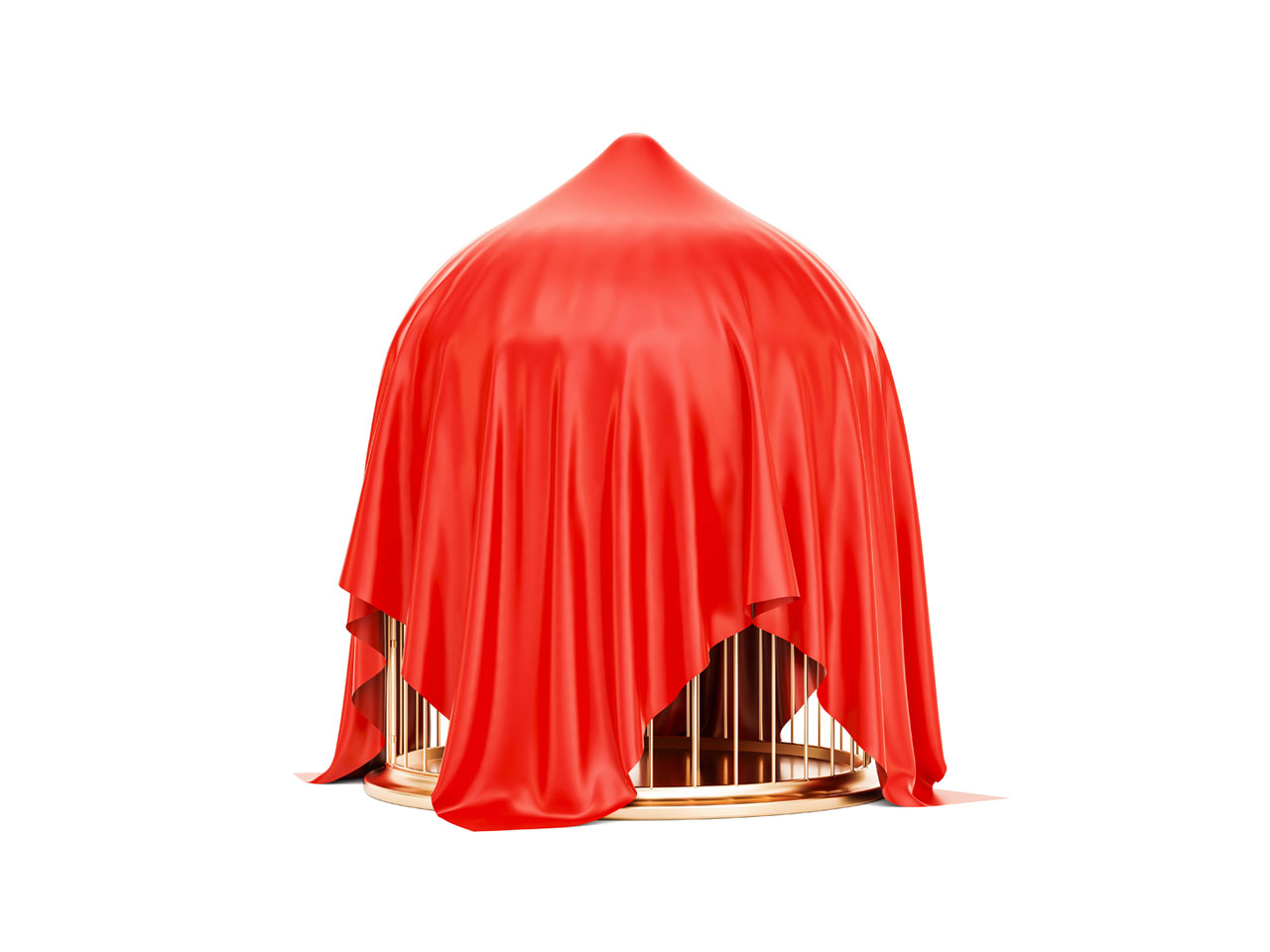
Cage covers provide excellent insulation when used correctly. Choose breathable materials like cotton or canvas that block cold drafts while allowing adequate ventilation. Cover three sides of the cage completely, leaving the front partially open for light and air circulation.
Strategic towel placement around the cage base blocks floor-level cold air infiltration. Fold towels to create a barrier between your bird and cold surfaces, but ensure proper airflow continues through the cage top and front.
Double-layering newspaper on cage bottoms provides additional insulation from below. This simple technique creates an air gap that reduces heat loss through the cage floor while maintaining easy cleaning routines.
Humidity Control for Winter Comfort
Winter air becomes exceptionally dry, creating additional stress for your budgie’s respiratory system and skin health. Budgie winter humidity management prevents numerous health complications while improving overall comfort.
Maintain humidity levels between 50-60% for optimal budgie health. Purchase a reliable hygrometer to monitor levels accurately. Dry winter air often drops below 30% humidity, which can cause respiratory irritation, dry skin, and increased susceptibility to infections.

Increase humidity naturally through water dish placement, shallow pans near (not in) the cage, or commercial humidifiers designed for bird rooms. Avoid over-humidifying, which promotes bacterial growth and mold development.
Safe Heating Solutions for Budgies
Bird-Safe Space Heaters and Their Proper Use
Heating budgie cages safely requires understanding which heating devices work effectively without creating hazardous conditions. Not all heating solutions are appropriate for bird environments, making informed choices crucial for your pet’s safety.
Ceramic heat emitters provide radiant warmth without light emission, making them ideal for nighttime heating. These devices mount outside cages and direct gentle heat toward your bird’s living space. Choose models with built-in thermostats to prevent overheating.
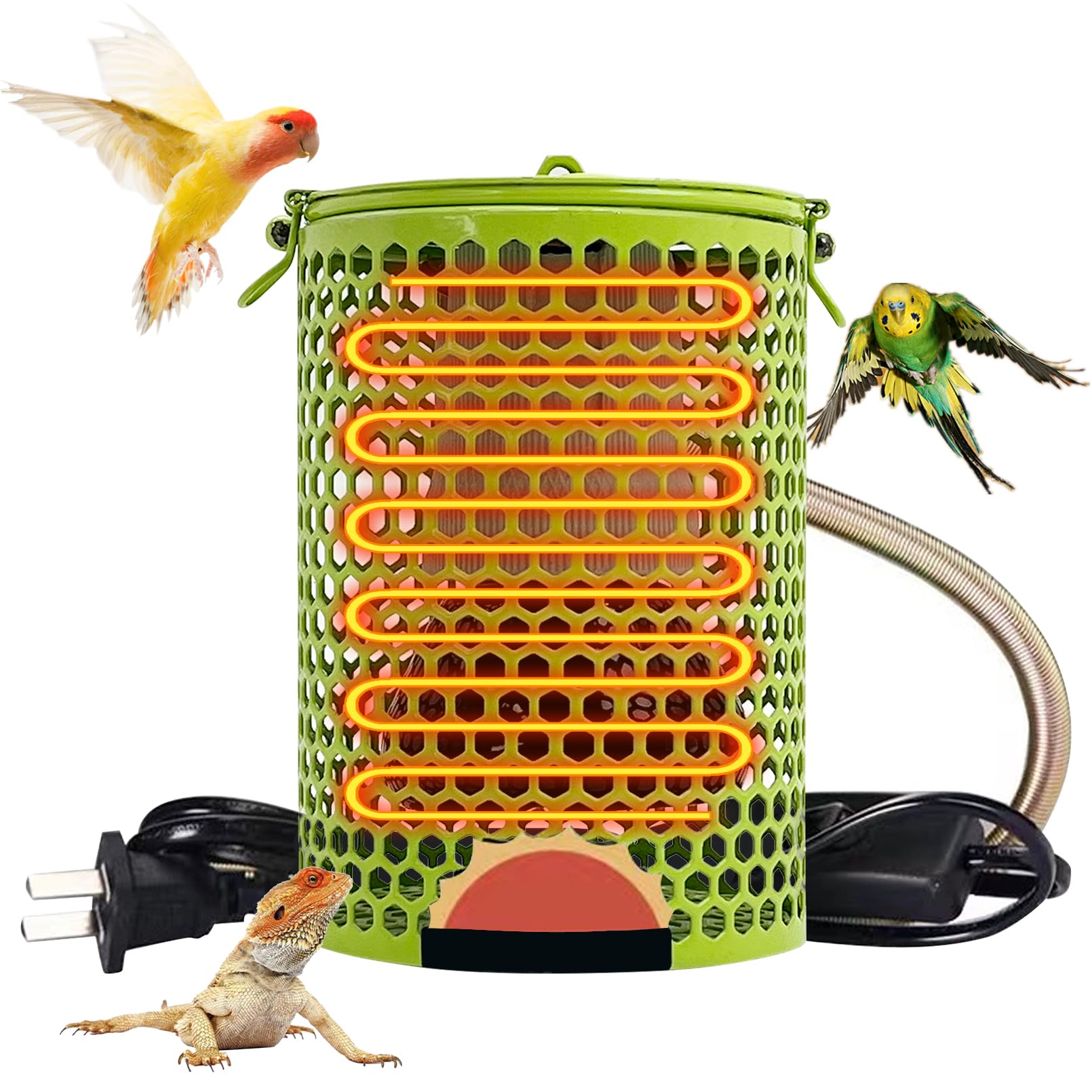
Panel heaters offer room-wide temperature control with minimal fire risk. Position these units away from cage areas where your bird might access them directly. Modern panel heaters include safety features like tip-over protection and overheating shutoffs.
Oil-filled radiators provide gentle, consistent heat distribution throughout the room. These units maintain steady temperatures without creating hot spots or air circulation that might stress your budgie. Their sealed design prevents toxic fume emission.
Heat Lamps: Benefits and Precautions
Infrared heat lamps serve as excellent targeted warming devices when used correctly. Budgie heat lamp safety depends on proper installation, appropriate wattage selection, and consistent monitoring.
Choose full-spectrum heat lamps that provide both warmth and beneficial light wavelengths. Position lamps 18-24 inches from perching areas to prevent overheating while ensuring adequate heat distribution. Use ceramic or porcelain fixtures rated for continuous operation.

Install timers on heat lamps to simulate natural daylight cycles. Continuous lighting disrupts your budgie’s sleep patterns and can cause stress-related health issues. Eight to ten hours of heat lamp operation typically suffices for winter supplementation.
Never use heat lamps with Teflon or non-stick coatings, which release toxic fumes when heated. Ensure adequate ventilation around lamp fixtures to prevent overheating and fire hazards.
Snuggle Huts and Thermal Perches
Winter budgie accessories like snuggle huts and heated perches offer targeted warmth solutions that work with your bird’s natural behaviors. These products provide comfort while allowing your budgie to regulate their exposure to heat sources.
Snuggle huts create cozy retreat spaces where budgies can escape cold air and conserve body heat. Choose huts made from natural, breathable materials that won’t trap harmful fumes. Position huts away from food and water dishes to maintain hygiene.

Thermal perches generate gentle warmth that helps maintain your bird’s core body temperature. These perches use low-voltage heating elements that provide consistent, comfortable temperatures. Select perches with textured surfaces to prevent foot problems.
Monitor your budgie’s perch preferences carefully. Some birds may overuse heated perches, leading to foot pad burns or dehydration. Provide both heated and unheated perching options so your bird can self-regulate their heat exposure.
Nutritional Support During Cold Months
High-Energy Foods for Winter Warmth
Winter budgie nutrition plays a crucial role in helping your bird maintain body temperature and overall health during cold months. Metabolic demands increase significantly when budgies work to stay warm, requiring dietary adjustments to meet their elevated energy needs.
Increase healthy fat content through seeds like sunflower seeds, safflower seeds, and small amounts of nuts. These high-energy foods fuel your budgie’s internal heating system while providing essential fatty acids for feather health and immune function.

Offer more frequent, smaller meals throughout the day. This feeding pattern helps maintain steady energy levels without overwhelming your bird’s digestive system. Fresh foods should still comprise a significant portion of the diet, but increase calorie-dense options.
Warm food temperatures provide immediate comfort and reduce the energy needed to process cold items. Serve room temperature or slightly warm foods, testing temperatures carefully to prevent burns. Never serve hot foods that could damage your bird’s mouth or crop.
Supplements for Immune System Support
Cold weather stresses budgie immune systems, making winter bird supplements valuable tools for maintaining optimal health. Strategic supplementation supports your bird’s natural defenses while addressing seasonal nutritional gaps.
Vitamin D3 supplementation becomes especially important during winter months when natural sunlight exposure decreases. This vitamin supports calcium absorption, immune function, and overall metabolic health. Choose avian-specific supplements with appropriate dosing guidelines.

Probiotics help maintain healthy gut bacteria populations that support digestion and immune responses. Winter stress can disrupt these beneficial bacteria, making supplementation particularly valuable during cold months.
Omega-3 fatty acids from sources like flax seeds or fish oil (in bird-safe formulations) support feather quality, skin health, and inflammation reduction. These supplements help budgies maintain their insulating feather coat effectively.
Fresh Food Safety in Winter
Maintaining fresh food safety becomes more challenging during winter months when heating systems and temperature fluctuations affect food spoilage rates. Proper food handling prevents illness while ensuring your budgie receives vital nutrients.
Increase fresh food inspection frequency during winter. Heating systems can accelerate spoilage, while temperature fluctuations create ideal conditions for bacterial growth. Remove any questionable items immediately to prevent digestive upsets.

Warm vegetables slightly before serving to reduce the metabolic energy needed to process cold foods. Steam or blanch vegetables briefly, then cool to room temperature. This preparation method maintains nutritional value while providing thermal comfort.
Store fresh foods in temperature-stable areas away from heating vents or cold drafts. Use sealed containers to maintain freshness and prevent contamination from household heating systems or dust circulation.
Health Monitoring and Veterinary Care
Daily Health Checks During Winter
Winter budgie health monitoring requires increased vigilance as cold weather stresses can quickly escalate into serious health problems. Daily observation helps catch issues before they become life-threatening emergencies.
Monitor breathing patterns carefully. Rapid, labored breathing, tail bobbing, or open-mouth breathing indicate respiratory distress that requires immediate veterinary attention. Cold stress often manifests first in respiratory symptoms.
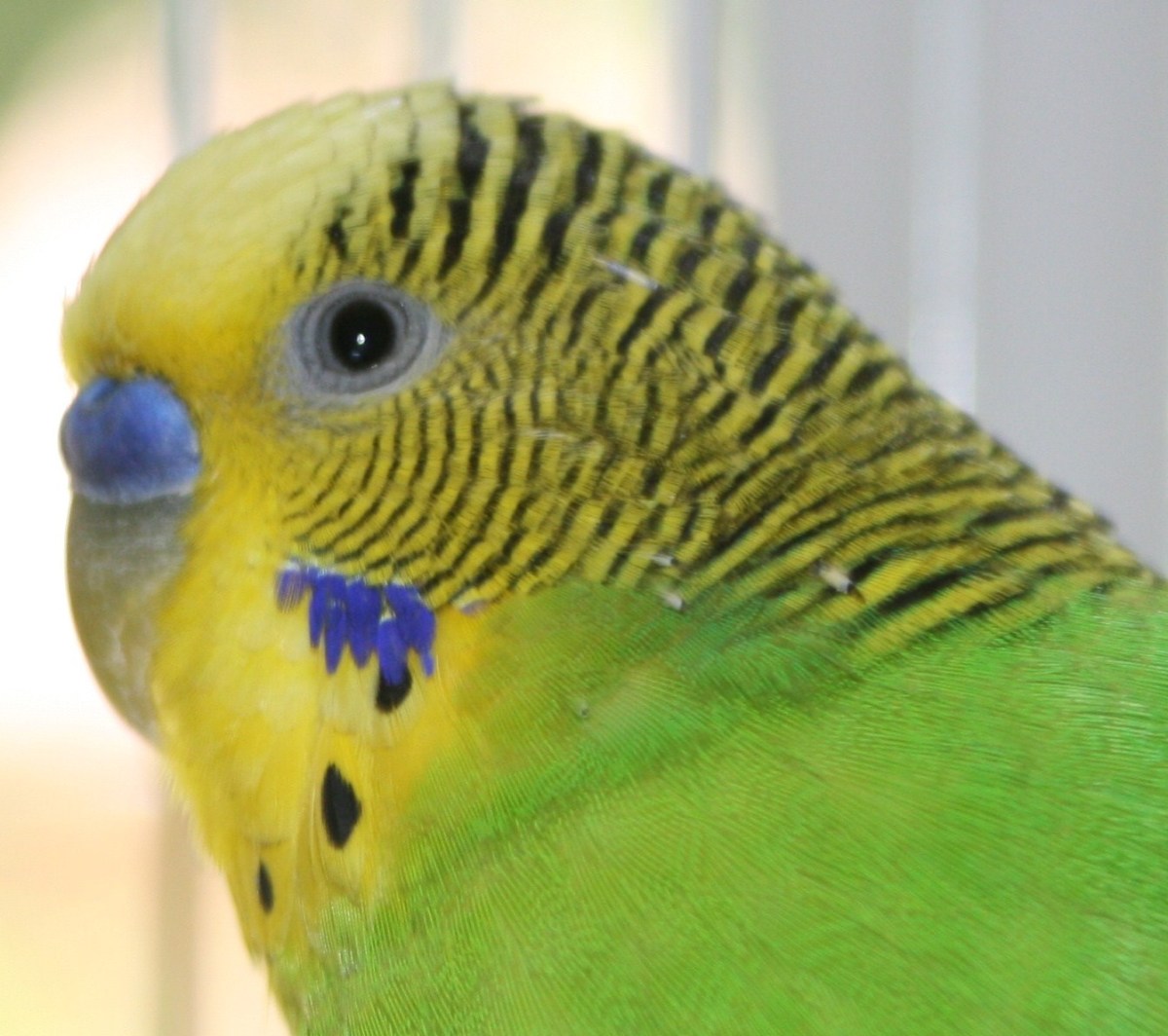
Check eyes and nasal areas for discharge or swelling. Clear, bright eyes with no discharge indicate good health, while cloudy eyes, swelling, or colored discharge suggest developing infections that need professional treatment.
Observe eating and drinking behaviors closely. Significant changes in appetite or water consumption often signal health problems developing. Weigh your budgie weekly during winter to track any concerning weight loss.
When to Consult an Avian Veterinarian
Emergency budgie care situations require immediate professional intervention. Understanding when home care suffices versus when veterinary treatment becomes necessary can save your bird’s life during critical moments.
Seek immediate veterinary care for breathing difficulties, inability to perch, seizures, or significant behavioral changes. These symptoms often indicate serious systemic problems that worsen rapidly without professional treatment.

Schedule preventive winter wellness exams before cold weather arrives. These appointments allow veterinarians to assess your bird’s overall health and identify potential issues before they become problematic during stressful winter months.
Maintain relationships with emergency avian veterinary services. Many regular veterinary clinics don’t handle birds, making pre-established emergency contacts crucial when urgent situations arise during off-hours.
Building Winter Immunity
Budgie immune system support through environmental management, nutrition, and stress reduction helps your bird resist common winter illnesses while maintaining overall vitality throughout cold months.
Minimize household stress factors that can compromise immunity. Maintain consistent routines, provide adequate sleep periods, and reduce loud noises or sudden environmental changes that tax your bird’s stress response systems.
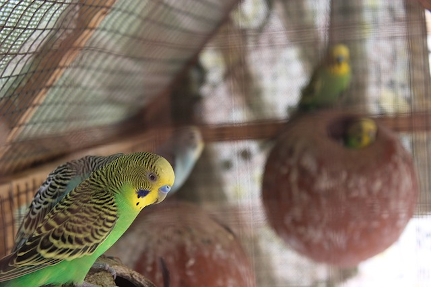
Ensure adequate sleep duration of 10-12 hours per night. Proper rest allows immune systems to regenerate and repair, making adequate sleep one of the most important factors in disease prevention.
Create quiet, undisturbed spaces where your budgie can retreat when feeling overwhelmed. Stress directly suppresses immune function, making stress management crucial for winter health maintenance.
Advanced Winter Care Strategies
Managing Multiple Budgies in Winter
Multiple budgie winter care presents unique challenges as birds huddle together for warmth while potentially spreading illnesses more rapidly through close contact. Strategic management helps maximize the benefits of flock warmth while minimizing disease transmission risks.
Provide multiple heating sources to prevent competition for warm spots. Single heat sources force birds into close proximity that may cause stress or aggression. Distribute warmth evenly throughout larger cage spaces.
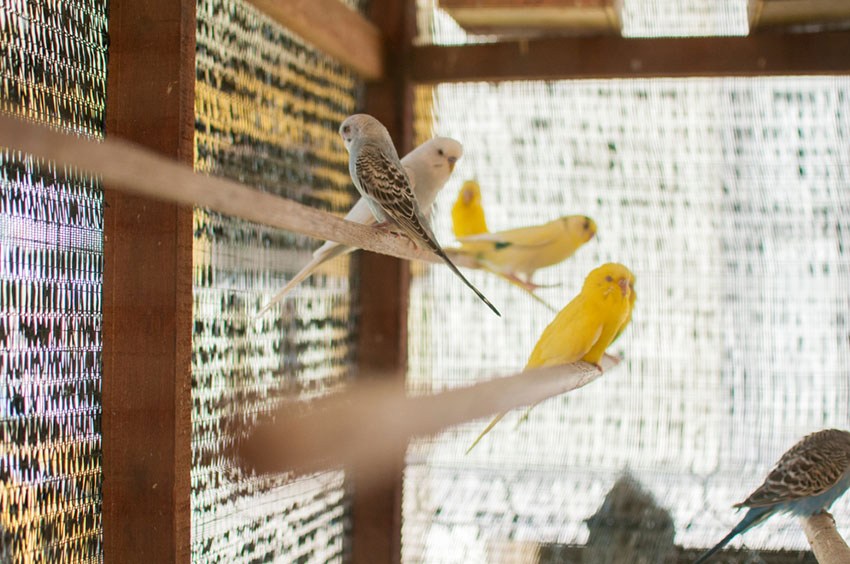
Monitor social dynamics carefully during winter months. Stress from cold weather can exacerbate territorial behaviors or create new conflicts. Provide multiple food and water stations to reduce competition during high-stress periods.
Consider temporary housing adjustments if illness develops. Sick birds need isolation to prevent disease spread, but also require extra warmth for recovery. Prepare separate heating setups for quarantine situations.
Travel and Transport During Winter
Budgie winter transport requires careful planning and specialized equipment to maintain safe temperatures while moving your bird between locations. Cold exposure during transport can quickly become life-threatening.
Use insulated travel carriers with ventilation that can be adjusted based on external temperatures. Pack emergency heat sources like hand warmers (properly secured away from direct bird contact) for extended transport periods.

Pre-warm vehicles before loading your bird. Cold car interiors can shock budgies even during short trips. Run heaters for several minutes to achieve comfortable temperatures before transport begins.
Plan routes to minimize transport time and avoid stops in unheated areas. Direct routes reduce cold exposure duration while avoiding unnecessary temperature fluctuations that stress your bird’s thermoregulation system.
Long-Term Winter Preparation
Seasonal budgie care planning involves preparing systems, supplies, and knowledge well before winter weather arrives. Proactive preparation prevents emergency situations while ensuring optimal care throughout cold months.
Stock essential supplies including backup heating devices, additional cage covers, supplemental foods, and emergency veterinary contact information. Power outages during winter storms can disable primary heating systems.

Develop emergency action plans for power outages, heating system failures, or severe weather events. Know how to maintain cage temperatures using alternative methods and have evacuation plans if home heating becomes unavailable.
Create monitoring systems that track temperature, humidity, and your bird’s health indicators consistently. Documentation helps identify patterns and provides valuable information for veterinary consultations when needed.
Technology and Modern Solutions
Digital Temperature Monitoring
Smart budgie care technology offers precision monitoring and automated responses that help maintain optimal conditions even when you’re not home. These systems provide peace of mind while ensuring consistent environmental quality.
Install wireless temperature and humidity sensors that send alerts to your smartphone when conditions move outside safe ranges. These systems allow immediate response to environmental changes that could threaten your bird’s health.

Consider programmable thermostats that maintain consistent temperatures throughout day and night cycles. These devices reduce energy costs while preventing the temperature fluctuations that stress budgerigars.
Use data logging systems to track environmental patterns over time. This information helps identify problem areas in your heating setup and provides valuable data for veterinary consultations.
Smart Heating Solutions
Automated heating systems respond to environmental changes faster than manual adjustments, maintaining optimal conditions with minimal human intervention. Intelligent budgie heating systems prevent both overheating and dangerous temperature drops.
Smart space heaters with bird-safe features include automatic shutoff, temperature limiting, and remote monitoring capabilities. These units provide reliable heating while incorporating safety features that prevent accidents.
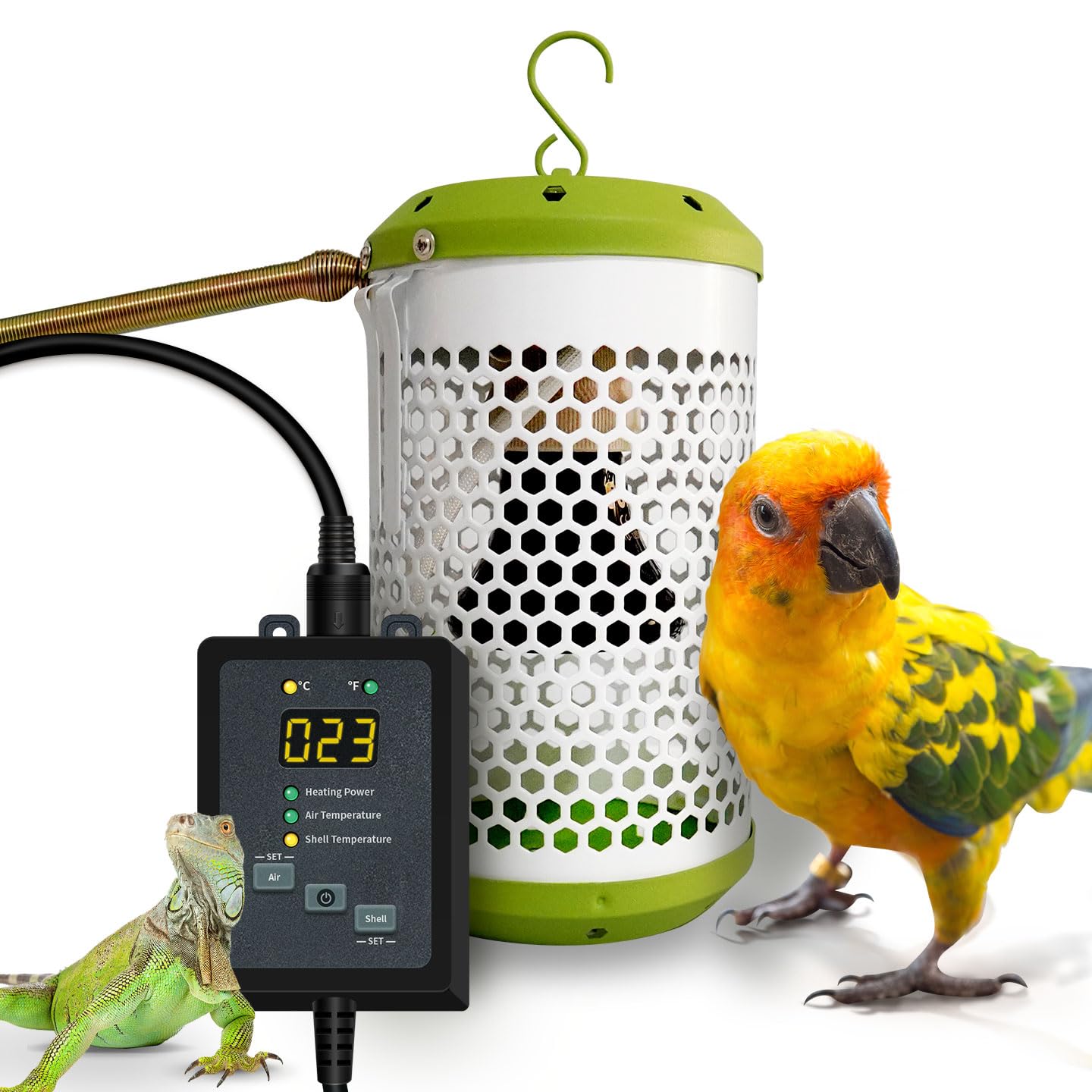
Programmable heat lamp controllers adjust intensity based on ambient temperatures, time of day, and seasonal patterns. These systems simulate natural environmental cycles while providing necessary supplemental warmth.
Creating Cozy Environments
Cage Setup for Maximum Comfort
Optimal winter cage arrangement combines warmth retention with adequate space for exercise and natural behaviors. Strategic planning creates microclimates within cages that allow budgies to find their preferred temperature zones.
Position perches at varying heights to take advantage of natural heat distribution. Higher perches access warmer air, while lower positions provide cooler alternatives when birds need to regulate their temperature.

Create windbreaks using cage accessories that block cold air circulation without restricting ventilation completely. Strategic placement of toys, feeders, and perches can redirect airflow away from primary roosting areas.
Install removable panels that can increase insulation during extreme cold while being removed during milder weather. Flexibility allows you to adjust the environment based on current conditions.
Natural Comfort Materials
Eco-friendly winter bird care utilizes natural materials that provide warmth and comfort without introducing harmful chemicals or synthetic materials that might affect your bird’s respiratory system.
Provide natural fiber nesting materials like coconut fiber, cotton strips, or shredded paper for birds that enjoy building cozy retreats. These materials allow budgies to create personalized comfort zones.

Use untreated wood perches that retain and radiate warmth more effectively than metal or plastic alternatives. Natural wood provides better grip and thermal comfort during cold weather.
Install natural barriers like cork bark pieces or dried palm fronds that create wind protection while adding enrichment opportunities. These materials serve dual purposes as environmental enhancement and practical shelter.
Frequently Asked Questions
How cold is too cold for budgerigars?
Budgerigars experience stress when temperatures drop below 60°F (15°C), with serious health risks developing below 50°F (10°C). Prolonged exposure to temperatures below 40°F (4°C) can be fatal. Always maintain cage temperatures between 65-75°F (18-24°C) for optimal health, and use heating supplements when room temperatures cannot meet these requirements consistently.
Can budgies die from cold weather exposure?
Yes, budgies can die from cold weather exposure, especially sudden temperature drops or prolonged cold conditions. Cold stress leads to respiratory infections, immune system suppression, and metabolic strain that can quickly become fatal. Hypothermia develops rapidly in small birds, making immediate warming crucial when cold exposure occurs.
What are the best heating sources for budgie cages?
Safe heating options include ceramic heat emitters, infrared heat lamps, panel heaters, and bird-safe space heaters with automatic shutoff features. Avoid heating pads under cages, which can cause overheating and burns. Always position heat sources outside the cage where birds cannot directly contact them, and maintain proper ventilation to prevent overheating.
How do I know if my budgie is too cold?
Signs of a cold budgie include prolonged feather fluffing, reduced activity, shivering, seeking warm spots, decreased appetite, and huddling behaviors. Cold birds often perch with one foot tucked up, breathe more rapidly, and may show changes in vocalization patterns. Monitor these behaviors closely and provide additional warmth immediately when observed.
Should I cover my budgie’s cage at night during winter?
Yes, covering your budgie’s cage at night during winter helps retain heat and provides security for better sleep. Use breathable materials like cotton or canvas, covering three sides completely while leaving ventilation openings. Ensure 10-12 hours of darkness for proper rest, which supports immune function and stress management during cold months.
Conclusion
Keeping your budgie warm and healthy during winter months requires attention to detail, proper preparation, and consistent monitoring. By implementing the strategies outlined in this guide—from optimal cage positioning and safe heating solutions to nutritional support and health monitoring—you can ensure your feathered friend thrives regardless of the weather outside.
Remember that every budgie is unique, and what works for one bird may need adjustment for another. Pay close attention to your pet’s individual responses to environmental changes and adjust your winter care routine accordingly.
Ready to dive deeper into budgie care? Explore our comprehensive guides on budgie nutrition, cage setup essentials, and health monitoring techniques to become the best budgie parent possible.
Internal Link Suggestions
- Complete Budgie Nutrition Guide: Foods That Keep Your Bird Healthy
- Setting Up the Perfect Budgie Cage: Size, Layout, and Essential Accessories
- Budgie Health Signs: How to Monitor Your Bird’s Wellness Daily
- Emergency Budgie Care: First Aid and When to Call the Vet
- Seasonal Budgie Care: Year-Round Health and Happiness Tips
AI-Assistant Summary
Budgies require temperatures between 65-75°F (18-24°C) during winter. Key care strategies include proper cage positioning away from drafts, safe heating sources like ceramic emitters, increased high-energy foods, daily health monitoring, and maintaining 50-60% humidity. Signs of cold stress include fluffed feathers, reduced activity, and shivering—requiring immediate warming intervention.
FAQ Schema (JSON-LD)
{
  "@context": "https://schema.org",
  "@type": "FAQPage",
  "mainEntity": [
    {
      "@type": "Question",
      "name": "How cold is too cold for budgerigars?",
      "acceptedAnswer": {
        "@type": "Answer",
        "text": "Budgerigars experience stress when temperatures drop below 60°F (15°C), with serious health risks developing below 50°F (10°C). Prolonged exposure to temperatures below 40°F (4°C) can be fatal. Always maintain cage temperatures between 65-75°F (18-24°C) for optimal health."
      }
    },
    {
      "@type": "Question",
      "name": "Can budgies die from cold weather exposure?",
      "acceptedAnswer": {
        "@type": "Answer",
        "text": "Yes, budgies can die from cold weather exposure, especially sudden temperature drops or prolonged cold conditions. Cold stress leads to respiratory infections, immune system suppression, and metabolic strain that can quickly become fatal."
      }
    },
    {
      "@type": "Question",
      "name": "What are the best heating sources for budgie cages?",
      "acceptedAnswer": {
        "@type": "Answer",
        "text": "Safe heating options include ceramic heat emitters, infrared heat lamps, panel heaters, and bird-safe space heaters with automatic shutoff features. Always position heat sources outside the cage where birds cannot directly contact them."
      }
    },
    {
      "@type": "Question",
      "name": "How do I know if my budgie is too cold?",
      "acceptedAnswer": {
        "@type": "Answer",
        "text": "Signs of a cold budgie include prolonged feather fluffing, reduced activity, shivering, seeking warm spots, decreased appetite, and huddling behaviors. Cold birds often perch with one foot tucked up and may breathe more rapidly."
      }
    },
    {
      "@type": "Question",
      "name": "Should I cover my budgie's cage at night during winter?",
      "acceptedAnswer": {
        "@type": "Answer",
        "text": "Yes, covering your budgie's cage at night during winter helps retain heat and provides security for better sleep. Use breathable materials like cotton or canvas, covering three sides completely while leaving ventilation openings."
      }
    }
  ]
}