

Budgies, also known as parakeets, are delightful and vibrant pets that bring joy to many households. However, like all pets, they are susceptible to health issues. Recognizing the signs of illness early is vital to ensure the well-being of your feathered friend. In this comprehensive guide, we will explore the signs of a sick budgie, provide practical guidance, and highlight when to seek professional help from an avian vet.
Introduction
Budgies are known for their lively personalities and colorful plumage. As a responsible pet owner, it’s crucial to monitor their health daily. Since birds often hide signs of illness to avoid appearing vulnerable to predators, detecting subtle changes in behavior or appearance can be challenging but essential. This guide will equip you with the knowledge to identify when your budgie might be unwell.
Common Signs of Illness in Budgies
1. Changes in Appetite

A healthy budgie typically has a consistent appetite. Any sudden changes, such as refusing food, overeating, or picking at food, could indicate an underlying issue.
- Loss of Appetite: If your budgie isn’t eating as usual, it may be due to illness or stress.
- Increased Appetite: Sometimes, an increase in appetite can also signal health issues, such as diabetes or parasites.
2. Alterations in Droppings
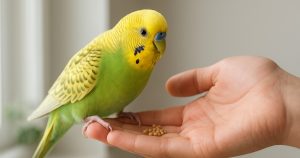
The appearance of your budgie’s droppings can provide significant insights into their health.
- Color Changes: Normal droppings are usually green with white urates. Any drastic color change might be a sign of dietary problems or diseases.
- Consistency: Diarrhea or overly watery droppings can indicate infection or digestive issues.
3. Respiratory Distress
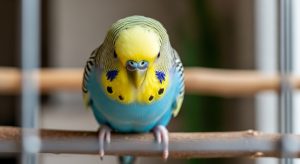
Watch for signs of respiratory problems, which are common in budgies.
- Labored Breathing: Listen for wheezing or clicking sounds.
- Tail Bobbing: If your budgie’s tail bobs up and down while breathing, it may have respiratory distress.
- Nasal Discharge: Discharge from the nostrils or sneezing can indicate respiratory infections.
4. Changes in Behavior
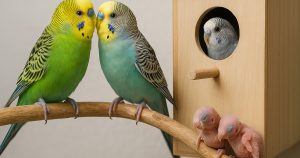
Budgies are active and social creatures. Behavioral changes can signal health problems.
- Lethargy: A lethargic budgie that sits at the bottom of the cage may be unwell.
- Aggression or Unusual Timidity: Sudden mood changes can sometimes be due to stress or illness.
5. Physical Changes
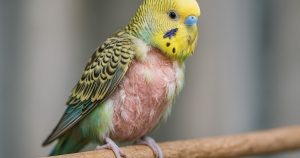
Physical changes are often the most apparent signs of illness.
- Feather Condition: Ruffled, fluffed, or missing feathers can indicate parasites or skin conditions.
- Weight Loss: Noticeable weight loss over a short period is a red flag.
- Swelling or Lumps: Any visible swelling or lumps should be examined by a vet.
When to See a Vet
Early intervention can prevent minor issues from becoming serious health concerns. Consult an avian vet if you notice any of the following:
- Persistent signs of illness
- Injuries or visible wounds
- Significant weight loss
- Unusual lumps or bumps
Introducing New Foods and Observing Your Budgie
Diet plays a crucial role in a budgie’s health. Introducing new foods should be done gradually and with care. Observe your budgie for any adverse reactions, such as changes in droppings or behavior.
Do’s and Don’ts Checklist
Do’s:
- Introduce new foods slowly.
- Ensure a balanced diet with seeds, fruits, and vegetables.
- Keep the cage clean to prevent infections.
Don’ts:
- Don’t ignore changes in your budgie’s behavior or appearance.
- Avoid feeding foods high in fat or sugar.
- Never skip regular vet check-ups.
FAQs
What is the short answer for recognizing a sick budgie?
A concise, actionable summary: Monitor changes in appetite, droppings, behavior, and physical appearance. If worried, consult an avian vet promptly.
Can stress cause illness in budgies?
Yes, stress can weaken a budgie’s immune system, making them more susceptible to illness. Ensure your budgie has a calm and stable environment.
How often should I take my budgie to the vet?
Regular check-ups at least once a year are recommended. If you notice any signs of illness, schedule a vet visit immediately.
Conclusion
Being vigilant about your budgie’s health can make a significant difference in their quality of life. By understanding the signs of illness and responding promptly, you can ensure your feathered friend remains happy and healthy. Remember, when in doubt, always consult an avian veterinarian to address any concerns about your budgie’s health.