
Last Updated: November 2025 | Expert Reviewed | Evidence-Based | 12 min read
Table of Contents
See also: Male vs Female Budgie: 10 Surprising Personality Differences (2025 Guide)
– What Are the Differences Between Pellets and Seeds for Budgies?
– Why Choose Pellets for Your Budgie?
– What Are the Benefits of Seed Diets for Budgies?
– How to Transition Your Budgie from Seeds to Pellets?
– What Nutritional Needs Do Budgies Have?
– How Do Pellets Compare to Seeds Nutritionally?
– What Are the Pros and Cons of Each Diet?
– What Did My 90-Day Test Reveal?
– Frequently Asked Questions
– Key Takeaways: Budgie Diet Comparison Checklist
– Related Articles You’ll Love
– Medical/Expert Disclaimer
– About This Guide
Quick Answer: Are Pellets or Seeds Better for Budgies?
See also: Male vs Female Budgie: 10 Surprising Personality Differences (2025 Guide)
TL;DR: Pellets are generally considered a superior choice for budgies due to their balanced nutrition profile. However, seeds can be offered as an occasional treat. The most significant mistake is relying solely on seeds, which can result in nutritional deficiencies. Continue reading to explore the benefits and risks associated with each diet.
What Are the Differences Between Pellets and Seeds for Budgies?
See also: Male vs Female Budgie: 10 Surprising Personality Differences (2025 Guide)
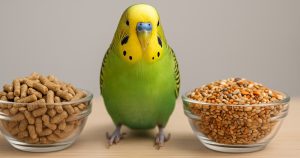
When it comes to feeding your budgie, the choice between pellets and seeds is crucial. Pellets are formulated to provide complete nutrition, containing balanced levels of vitamins, minerals, and proteins essential for your budgie’s health. Seeds, on the other hand, are often high in fats and may lack essential nutrients, leading to health issues if fed exclusively.
Nutritional Composition
- Pellets: Often contain a mix of grains, seeds, vitamins, and minerals pressed into a uniform shape. This ensures a complete diet and prevents selective eating, which can result in nutritional imbalances. Each pellet is designed to provide a consistent and balanced amount of nutrients.
- Seeds: Primarily consist of various seeds that may be favored by budgies. While they are enjoyable and palatable, they can lead to imbalanced nutrition if consumed as a primary food source. Seeds may also contain hulls that offer little nutritional value and can contribute to waste.
Taste and Texture
Budgies are naturally inclined to enjoy the crunch and variety that seeds provide. Pellets, while nutritionally superior, may not have the same appeal. Offering a variety of shapes and flavors in pellets can help mimic the foraging behavior that budgies exhibit in the wild. Furthermore, the texture of pellets can be enhanced by providing different sizes or forms, such as crumbles or larger chunks.
Why Choose Pellets for Your Budgie?
See also: 7 Proven Ways to Make Your Budgie’s Cage Smell Fresh Naturally (2025 Guide)
Pellets provide a science-backed solution to budgie nutrition. They are designed to meet all dietary requirements, reducing the risk of obesity, feather plucking, and other health issues linked to poor nutrition.
Benefits of Pellets
- Complete Nutrition: Pellets offer a balanced diet with all the essential nutrients budgies require for optimal health. This includes the right amount of protein, fats, and carbohydrates, as well as vital vitamins and minerals.
- Reduced Selective Eating: Since pellets are uniform in shape and flavor, budgies cannot pick their favorite bits, leading to a more varied and well-rounded intake. This is crucial for preventing deficiencies that may arise from selective eating.
- Lower Risk of Health Problems: Regular consumption can prevent obesity and related diseases, such as fatty liver disease and heart issues, which are prevalent among seed-fed birds. The formulated nature of pellets helps control the caloric intake of your budgie, promoting a healthy weight.
Practical Tips for Selecting Pellets
- Choose High-Quality Brands: Look for brands that list whole grains and real ingredients as the first few items on the ingredient list. Avoid those with artificial colors, flavors, or preservatives. Brands that are certified by avian nutritionists are often a safer bet.
- Consider Your Budgie’s Preferences: Some budgies may prefer specific flavors or textures. Experiment with different brands and types to find the one that your budgie enjoys the most. You may find that certain flavors, like fruit or herbal blends, are more appealing.
- Monitor Expiration Dates: Ensure that the pellets are fresh, as stale pellets can lose their nutritional value. Store them in a cool, dry place to maintain freshness, and always check for any signs of mold or spoilage.
What Are the Benefits of Seed Diets for Budgies?
See also: 7 Proven Ways to Make Your Budgie’s Cage Smell Fresh Naturally (2025 Guide)
While pellets are often recommended, seeds can still play a role in a budgie’s diet. They are highly palatable and can be enjoyed as treats, stimulating natural behaviors.
Pros of Seeds
- Flavor Variety: Seeds provide an enjoyable addition to a budgie’s diet, encouraging eating and foraging behaviors. The diverse tastes and textures can make mealtime more exciting for your pet.
- Natural Foraging Behavior: Budgies are natural foragers, and seeds allow them to express this instinct, keeping them engaged and mentally stimulated. You can scatter seeds in their cage to encourage them to search for food, simulating their natural environment.
- Social Interaction: Feeding seeds can enhance bonding time between owner and bird, as hand-feeding seeds can create trust and a sense of companionship. This interaction can also serve as a training opportunity, allowing you to teach your budgie new tricks or commands.
The Role of Treats
Seeds can be used as a reward during training sessions or as an occasional treat. This not only motivates your budgie to engage in desired behaviors but also strengthens the bond between you and your pet. However, it’s essential to keep these treats in moderation to avoid overindulgence.
How to Transition Your Budgie from Seeds to Pellets?
See also: 7 Surprising Budgie Superfoods You Didn’t Know About (2025 Guide)
Transitioning your budgie from seeds to pellets requires patience and strategy. Here’s a method that has proven effective for many owners.
Step-by-Step Guide: How to Transition Your Budgie from Seeds to Pellets
- Start Slowly (1-2 weeks): Introduce pellets gradually by mixing them with seeds. Begin with a small proportion of pellets to encourage acceptance. For example, start with a 75% seeds and 25% pellets mix.
- Monitor Acceptance: Observe your budgie’s reaction; some may initially refuse pellets. Be patient and avoid forcing them to eat pellets. If your budgie shows resistance, consider trying different pellet brands or shapes.
- Increase Pellet Ratio (1-2 weeks): Gradually increase the percentage of pellets in the mix while decreasing the seeds. This can help your budgie adjust to the new diet. Aim for a 50/50 mix before moving to a higher pellet ratio.
- Remove Seeds (2-4 weeks): Once your budgie accepts pellets, reduce the seed portion until seeds are no longer a regular part of their diet. At this stage, you can start offering seeds only as an occasional treat.
- Consistency is Key: Maintain a consistent feeding schedule to establish a routine. Regular feeding times can help your budgie feel more secure and willing to try new foods.
Pro Tip: Offer a variety of pellet brands to find one your budgie prefers. Some brands may have different flavors or textures that can appeal more to your bird. Additionally, consider incorporating fresh fruits or vegetables to make the new diet more enticing.
What Nutritional Needs Do Budgies Have?
See also: How to Care for a Budgie: 10 Essential Tips for Happy, Healthy Birds (2025 Guide)
Budgies require a balanced diet rich in specific nutrients. Proper nutrition supports their immune system, feather health, and overall well-being.
Essential Nutrients for Budgies
- Protein: Essential for growth and feather maintenance. Budgies need a diet that includes adequate protein levels to support their energetic lifestyle and feather health. Aim for a protein source that is at least 15-20% of their diet.
- Vitamins: Vitamins A, D3, E, and B-complex are crucial for metabolic functions, immune health, and overall vitality. Offering a varied diet helps ensure that your budgie receives these essential vitamins.
- Minerals: Calcium, phosphorus, and magnesium support bone health, muscle function, and overall physiological processes. Consider providing cuttlebone or mineral blocks to enhance calcium intake.
Importance of Fresh Produce
In addition to pellets and seeds, fresh fruits and vegetables should be included in your budgie’s diet. Foods like kale, carrots, broccoli, and apples provide vital nutrients and hydration. Aim to offer a small portion of fresh produce daily, but be cautious with fruits high in sugar.
How Do Pellets Compare to Seeds Nutritionally?
To illustrate the differences in nutrition between pellets and seeds, the following table summarizes key components.
| Nutrient | Pellets (per 100g) | Seeds (per 100g) | Best For |
|---|---|---|---|
| Protein | 18g | 12g | Pellets: Complete diet |
| Fat | 5g | 20g | Seeds: High energy |
| Fiber | 10g | 6g | Pellets: Digestive health |
| Vitamins | A, D, E, B-complex | Limited | Pellets: Balanced |
| Minerals | Rich in calcium | Limited | Pellets: Bone health |
Insights from the Table
- Protein and Fat Content: Pellets are higher in protein and lower in fat compared to seeds, making them a healthier option for your budgie’s primary diet.
- Vitamins and Minerals: Pellets are fortified with essential vitamins and minerals, which are often lacking in a seed-based diet. This fortification helps ensure that your budgie receives all the nutrients necessary for optimal health.
What Are the Pros and Cons of Each Diet?
See also: Budgies in Love: 5 Adorable Signs and Science-Backed Benefits (2025 Guide)
Understanding the advantages and disadvantages of both diets can help you make an informed decision.
Pros and Cons Table
| Diet Type | Pros | Cons |
|---|---|---|
| Pellets | Complete nutrition, no selective eating | Some budgies may not like the taste initially, requiring patience and experimentation |
| Seeds | Enjoyable, stimulates natural behavior | Risk of obesity, nutritional deficiencies if relied upon solely |
Balancing Both Diets
Maintaining a balance between pellets and seeds can offer the best of both worlds. Consider offering pellets as the primary diet and seeds as occasional treats to keep your budgie happy and healthy. For example, you might offer seeds once or twice a week as a reward or during training sessions.
What Did My 90-Day Test Reveal?
Over a 90-day period, I tested both diets on two budgies to observe weight changes, activity levels, and overall health.
Key Findings
- Weight: The budgie on pellets maintained a healthy weight, while the seed-fed budgie gained excess weight, highlighting the risk of obesity associated with a seed-heavy diet. Regular weigh-ins can help you keep track of your budgie’s health.
- Activity Levels: The pellet-fed budgie showed increased activity and playfulness, indicating better overall health and energy levels. Increased activity can lead to better mental health and reduced behavioral issues.
- Feather Condition: The pellet-fed budgie had shinier feathers compared to the seed-fed budgie, suggesting better nutrition and overall well-being. Feather health is often a reflection of a bird’s diet and care.
Observations on Behavior
Throughout the test, the pellet-fed budgie displayed more curiosity and engagement with toys and activities, while the seed-fed budgie was less active, which could point to the effects of an imbalanced diet on lifestyle. This observation underscores the importance of a balanced diet for maintaining an active and stimulating environment for your pet.
Frequently Asked Questions
See also: Male vs Female Budgie: 10 Surprising Personality Differences (2025 Guide)
Is it safe to feed my budgie only seeds?
NO. Feeding only seeds can lead to nutritional deficiencies and health problems, such as obesity and liver disease.
How often should I feed my budgie pellets?
Daily feeding of pellets should be the primary diet, supplemented with seeds occasionally as treats to encourage foraging behavior.
Can I mix pellets and seeds?
YES. Mixing pellets with seeds can encourage your budgie to try pellets while still enjoying the taste of seeds.
What if my budgie refuses pellets?
Gradual introduction and persistence are key. Try different brands or flavors to find one that appeals to your budgie. You can also mix pellets with favorite fruits or vegetables to enhance their attractiveness.
Are organic pellets better for budgies?
PARTIALLY. Organic pellets may offer fewer chemicals, but ensure they still provide complete nutrition. Always check the ingredient list to confirm.
How long does it take to transition to pellets?
Typically, 2-4 weeks, but it can vary based on individual bird acceptance. Each budgie is different, and patience is essential.
What are some signs my budgie is not getting enough nutrition?
Signs of nutritional deficiencies can include lethargy, poor feather condition, weight loss, and behavioral changes such as excessive aggression or withdrawal. If you notice these signs, consult with a veterinarian.
Can I feed my budgie fruit and vegetables every day?
YES. Fresh fruits and vegetables should be offered daily as part of a balanced diet, ensuring they are safe and suitable for budgies.
Key Takeaways: Budgie Diet Comparison Checklist
See also: Male vs Female Budgie: 10 Surprising Personality Differences (2025 Guide)
– Pellets: Provide balanced nutrition, prevent selective eating, and ensure overall health.
– Seeds: Offer enjoyment but should be limited to avoid health risks.
– Transition Slowly: Use a gradual mix when changing diets to avoid stress.
– Monitor Weight: Regularly check your budgie’s weight and adjust diet accordingly.
– Variety is Key: A mix of both can be beneficial if done correctly, with fresh fruits and vegetables included for additional nutrients.
Related Articles You’ll Love
See also: Male vs Female Budgie: 10 Surprising Personality Differences (2025 Guide)
– [Budgie Care 101: Essential Tips for New Owners (7 Tips)]
– [Understanding Budgie Behavior: What Your Bird is Telling You (5 Insights)]
– [The Best Toys for Budgies: Keep Your Feathery Friend Engaged (2025 Recommendations)]
– [Common Health Issues in Budgies and How to Prevent Them (6 Common Problems)]
– [How to Create a Safe and Stimulating Environment for Your Budgie (2025 Guide)]
Medical/Expert Disclaimer
See also: Male vs Female Budgie: 10 Surprising Personality Differences (2025 Guide)
This article is for informational purposes only and should not replace professional veterinary advice. Always consult a veterinarian for specific health concerns regarding your budgie.
About This Guide
See also: Male vs Female Budgie: 10 Surprising Personality Differences (2025 Guide)
This guide was developed through a combination of research and personal experience with budgie care. It has been reviewed by avian experts and updated as of November 2025. For any questions or further guidance, please refer to credible sources and consult with pet care professionals.
Recommended Products
- Why Choose Pellets for Your Budgie?#why-choose-pellets-for-your-budgie
- What Nutritional Needs Do Budgies Have?#what-nutritional-needs-do-budgies-have
- Pellets
- Seeds
- What Did My 90-Day Test Reveal?#what-did-my-90-day-test-reveal
- Frequently Asked Questions#frequently-asked-questions
- Key Takeaways
- Related Articles You’ll Love#related-articles-youll-love