
Last Updated: November 2025 | Expert Reviewed | Evidence-Based | 15 min read
Table of Contents
See also: My Budgie Refused to Eat Vegetables: 7 Essential Tricks That Worked (2025 Guide)
– What Causes Budgies to Attack Their Reflection?
– How to Identify Signs of Reflection Aggression?
– What Are the Risks of Reflection Aggression?
– How to Stop Your Budgie from Attacking His Reflection: 14 Effective Methods
– What Role Does the Environment Play?
– How to Make Your Budgie Feel More Secure?
– What Are Common Mistakes Budgie Owners Make? (AVOID THESE!)
– How Long Does It Take for Budgies to Stop This Behavior?
– When to Seek Professional Help for Your Budgie?
– Frequently Asked Questions (Expert Answers)
– Key Takeaways: Budgie Care Checklist
– Related Articles You’ll Love
– Medical/Expert Disclaimer
– About This Guide
Quick Answer: Can Budgies Stop Attacking Their Reflection?
TL;DR: Yes, budgies can stop attacking their reflection with proper methods. Key strategies include reducing stressors, altering the environment, and using distraction techniques.
Important: Avoid using mirrors or reflective surfaces without first addressing the underlying causes of aggression.
What Causes Budgies to Attack Their Reflection?
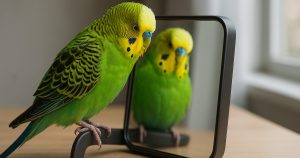
Budgies are social creatures that often engage in reflection aggression due to their territorial nature. When they see their reflection, they may perceive it as another budgie intruding on their space. This behavior can be exacerbated by environmental stressors such as changes in lighting, the presence of other pets, or lack of social interaction. Understanding these causes is essential in addressing the issue effectively.
Territorial Instincts
Budgies are inherently territorial and may see their reflection as a rival. This instinct can be particularly pronounced in males, who are often more aggressive. The sight of their own reflection can provoke a defensive response, leading to aggression. Males, especially during breeding season, may exhibit heightened territorial behavior as they feel compelled to protect their perceived territory from intruders, which, in this case, is simply their reflection.
Social Isolation
Budgies are flock animals, meaning they thrive on social interaction. When they are isolated or lack interaction with other birds or humans, they may become distressed and direct that stress toward their reflection. This behavior can be a manifestation of loneliness. Providing ample socialization opportunities through human interaction or companionship from another budgie is crucial to alleviate this isolation-induced aggression.
Environmental Stressors
Changes in the environment, such as new pets, loud noises, or sudden movements, can heighten a budgie’s anxiety. These stressors can trigger defensive behaviors, including aggression toward their reflection. For example, if a cat enters the room, the budgie might become more aggressive as a reaction to increased stress. Additionally, environmental factors like temperature fluctuations or improper cage placement can also contribute to stress levels.
How to Identify Signs of Reflection Aggression?
Recognizing the signs of reflection aggression can help in intervening early. Common indicators include:
– Biting or lunging at the mirror: Your budgie may try to attack its reflection aggressively, showing clear signs of agitation. This behavior can escalate if not addressed promptly.
– Chirping or squawking excessively: This vocalization often indicates distress or a challenge, as your budgie attempts to communicate with what it perceives as another bird. Pay attention to the pitch and frequency, as these can indicate varying levels of distress or agitation.
– Fluffing feathers: A puffed-up appearance can signal aggression or fear, making your budgie look larger to deter what it believes to be a rival. This is often accompanied by other aggressive behaviors.
– Avoidance of social interaction: If your budgie retreats or becomes withdrawn, it may be stressed by its reflection, indicating that the aggression is affecting its overall behavior. A budgie that previously enjoyed interaction may show signs of fear or aggression when approached.
What Are the Risks of Reflection Aggression?
Reflection aggression can lead to several serious issues:
– Injury: Continuous attacks on hard surfaces can cause physical harm, including bruising or even fractures in severe cases. Budgies may also injure their beaks or feet during aggressive outbursts.
– Stress-related health problems: High-stress levels can result in feather plucking or other behavioral issues that can affect your budgie’s health. Chronic stress can lead to decreased immune function and susceptibility to diseases.
– Social isolation: Persistent aggression may lead to withdrawal from social interactions, affecting your budgie’s overall well-being and happiness. A budgie that becomes isolated may also suffer from depression or anxiety.
Long-term Consequences
If left unchecked, reflection aggression can lead to chronic stress, which may manifest as severe behavioral problems. For instance, a budgie may become overly aggressive not only towards its reflection but also towards its human companions or other pets, leading to a hostile home environment. Long-term aggression may necessitate behavioral training or even professional intervention.
How to Stop Your Budgie from Attacking His Reflection: 14 Effective Methods
To help your budgie overcome reflection aggression, consider these 14 proven methods:
Method 1: Remove Mirrors and Reflective Surfaces
Time: Immediate
Start by removing all mirrors and reflective items from your budgie’s environment. This will help reduce the triggers that cause aggression. Consider using non-reflective materials in the cage and the room where your budgie spends the most time. If removing mirrors is not feasible, consider rearranging furniture to limit your budgie’s line of sight to reflective surfaces.
Method 2: Cover Mirrors Temporarily
Time: Until behavior improves
If removing mirrors is not feasible, cover them with cloth or paper to block your budgie’s view of its reflection. This temporary solution can help reduce visual triggers and give your budgie time to adjust. Ensure that the coverings are securely attached and do not pose a choking hazard.
Method 3: Create a Calm Environment
Time: Ongoing
Try to minimize stressors by reducing loud noises, avoiding sudden movements, and ensuring a quiet space for your budgie. Soft background music or white noise can help create a soothing atmosphere. Consider placing your budgie’s cage in a less trafficked area of your home to lower noise levels.
Method 4: Use Distraction Techniques
Time: Immediate
Introduce toys or puzzles that can keep your budgie engaged and distracted from its reflection. Rotate toys regularly to maintain interest and stimulation. For example, offering a mirror-safe toy that mimics the reflection can redirect their focus. Interactive toys that involve foraging or problem-solving can also keep their minds occupied.
Method 5: Increase Social Interaction
Time: Daily
Spend more time with your budgie. Talking, singing, or playing with them can reduce their focus on reflections. Regular interaction helps your budgie feel more secure and less isolated, which can diminish aggressive behaviors. Consider integrating training sessions into your daily routine to enhance bonding and redirect negative behaviors.
Method 6: Change Lighting Conditions
Time: Immediate
Adjust the lighting in the room to minimize reflections. Soft, diffused light can help create a more serene environment. Using curtains or lampshades can soften the light and reduce glare. Additionally, ensuring that your budgie has access to natural light during the day can help regulate their circadian rhythm.
Method 7: Provide Vertical Space
Time: Ongoing
Install perches or climbing structures to encourage your budgie to explore different areas rather than fixating on its reflection. Vertical space allows for more natural movement and can help alleviate territorial instincts. Consider using natural branches that mimic a more natural habitat, providing both climbing opportunities and mental stimulation.
Method 8: Gradual Reintroduction
Time: After 2 weeks
Once your budgie shows improvement, gradually reintroduce mirrors, observing their behavior closely to avoid triggering aggression. Start with small, non-reflective surfaces before moving to mirrors, ensuring your budgie has adjusted well. Gradual exposure allows them to acclimate without feeling threatened.
Method 9: Use a Companion Bird
Time: Long-term
Consider adopting another budgie for companionship. Social interaction with another bird can reduce territorial behavior and provide a natural outlet for their social instincts. However, ensure proper introductions to prevent initial aggression between the two birds. Monitor their interactions closely to ensure they develop a healthy bond.
Method 10: Consult an Avian Veterinarian
Time: As needed
If aggression persists, consult an avian vet for behavioral advice or to rule out health issues. A professional can provide insights specific to your budgie’s behavior and suggest tailored strategies. They can also assess whether underlying health problems could be contributing to the aggression.
Method 11: Behavioral Training
Time: Ongoing
Implement training techniques using positive reinforcement to encourage desired behaviors and diminish aggressive actions. Rewarding calm behavior with treats or praise can help reinforce positive associations. Training sessions should be brief but frequent to keep your budgie engaged and focused.
Method 12: Use Calming Aids
Time: As needed
Consider using natural calming aids, such as herbal supplements, after consulting with a veterinarian. These can help reduce anxiety and improve overall behavior when used correctly. Always follow dosage recommendations and monitor your budgie’s response to any new supplements.
Method 13: Monitor Diet
Time: Ongoing
Ensure a balanced diet rich in nutrients to support overall health and reduce stress levels. A diet high in fresh fruits, vegetables, and high-quality pellets can contribute to a healthier, less stressed budgie. Avoid over-reliance on seeds, as they are often high in fat and low in essential nutrients.
Method 14: Maintain a Routine
Time: Daily
Establishing a consistent daily routine can help your budgie feel secure and reduce anxiety related to its environment. Regular feeding times, play sessions, and quiet time can enhance your budgie’s comfort and well-being. Consistency helps reinforce a sense of stability, which is crucial for their mental health.
What Role Does the Environment Play?
See also: Can Budgies Feel Sadness or Depression? 7 Science-Backed Insights (2025 Guide)
The environment significantly impacts your budgie’s behavior. A cluttered, noisy, or unstable environment can increase stress and lead to reflection aggression. Creating a calming space with appropriate toys, perches, and hiding spots can improve your budgie’s mental health and reduce aggressive tendencies.
Environmental Enrichment
Incorporating elements like natural branches and safe plants can enhance your budgie’s living space. Enrichment activities, such as foraging opportunities or safe chew toys, can also encourage positive behavior and reduce aggression. The more engaging and stimulating their environment, the less likely they are to exhibit aggressive behaviors.
How to Make Your Budgie Feel More Secure?
To enhance your budgie’s sense of security:
– Provide hiding spots: Use natural branches or toys that allow your budgie to feel sheltered. This can help them retreat when feeling threatened or anxious. Hiding spots can also encourage exploration and natural behaviors.
– Maintain a stable environment: Minimize changes in their surroundings to help them acclimate. Avoid rearranging their cage or introducing new items suddenly. Stability fosters a sense of safety and comfort.
– Regular interaction: Engage with your budgie daily to strengthen your bond and provide reassurance. Building trust is essential for reducing anxiety and aggression. Establishing a routine for interaction can also help them anticipate social time.
What Are Common Mistakes Budgie Owners Make? (AVOID THESE!)
See also: Natural vs Concrete Perches: 7 Essential Insights for Foot Health (2025 Guide)
Mistake #1: Ignoring the Aggression
The Problem: Neglecting to address reflection aggression can lead to worsening behavior.
The Fix: Take immediate action by removing mirrors and identifying stressors.
Warning Signs: Increased aggression or withdrawal.
Mistake #2: Using Punishment
The Problem: Punishing your budgie can exacerbate fear and stress.
The Fix: Focus on positive reinforcement and distraction techniques.
Warning Signs: Fearful behavior or increased aggression.
Mistake #3: Inconsistent Care
The Problem: Lack of a stable routine can increase anxiety levels.
The Fix: Establish a daily care routine that includes feeding, cleaning, and interaction.
Warning Signs: Withdrawal or excessive vocalizations.
Mistake #4: Not Providing Enough Stimulation
The Problem: Boredom can lead to aggressive behaviors.
The Fix: Introduce new toys and activities regularly.
Warning Signs: Destructive behavior or excessive aggression.
Mistake #5: Failing to Observe Behavior Changes
The Problem: Not noticing behavioral changes can delay intervention.
The Fix: Regularly monitor your budgie’s behavior for signs of stress or aggression.
Warning Signs: Fluffing feathers, aggression, or withdrawal.
How Long Does It Take for Budgies to Stop This Behavior?
See also: Why Is My Budgie Staring at Me? 10 Surprising Insights (2025 Guide)
Typically, it may take 1-4 weeks for budgies to stop attacking their reflection, depending on the severity of the behavior and the consistency of the implemented strategies. Regular monitoring and adjustments to their environment are crucial for success.
Factors Influencing Recovery Time
The recovery time can vary based on factors such as the individual budgie’s temperament, the owner’s responsiveness to the behavior, and the overall environment. Some budgies may adjust quickly, while others may require longer periods of adjustment and support. Factors such as age, previous experiences, and overall health can also play significant roles in recovery time.
When to Seek Professional Help for Your Budgie?
See also: My Budgie Screamed for 2 Weeks Straight: 7 Proven Solutions (2025 Guide)
If your budgie continues to show aggression despite your efforts, or if you observe signs of severe stress, it’s essential to consult a professional. Avian veterinarians or certified bird behaviorists can provide tailored advice and interventions to help your budgie.
Signs That Professional Help is Needed
If your budgie displays persistent aggression, engages in self-harm, or shows signs of severe stress such as excessive vocalization or feather plucking, seeking professional assistance is paramount. Early intervention can prevent further complications. Be proactive about your budgie’s emotional and physical health to ensure they remain happy and healthy.
Frequently Asked Questions (Expert Answers)
See also: My Budgie Screamed for 2 Weeks Straight: 7 Proven Solutions (2025 Guide)
Q: Is it safe to have mirrors in a budgie’s cage?
A: It’s best to avoid mirrors until you address any reflection aggression. Once resolved, you can gradually reintroduce them while monitoring behavior.
Q: Can budgies get along with other pets?
A: Yes, but supervision is crucial. Ensure that other pets do not pose a threat to your budgie’s safety, as stress can trigger aggressive behaviors.
Q: How do I know if my budgie is stressed?
A: Signs of stress include excessive vocalization, feather plucking, aggression, and withdrawal. Address these symptoms promptly to ensure your budgie’s well-being.
Q: Should I let my budgie out of the cage?
A: Yes, regular out-of-cage time is beneficial, but ensure a safe environment free from potential stressors, including mirrors.
Q: Can stress lead to health issues in budgies?
A: Yes, chronic stress can lead to health complications such as weakened immune function, feather plucking, and other behavioral issues.
Q: How can I tell if my budgie is happy?
A: Happy budgies often chirp, play, and engage with their surroundings. They also maintain bright plumage and exhibit relaxed body language.
Q: What can I do if my budgie won’t stop biting?
A: Evaluate the environment for stressors, provide more social interaction, and use distraction techniques to redirect aggressive behavior.
Q: Is it common for budgies to bond with humans?
A: Yes, budgies can form strong bonds with their owners through regular interaction, training, and positive reinforcement.
Q: Are there any specific toys that can help reduce aggression?
A: Interactive toys, foraging puzzles, and chewable items can help engage your budgie and distract them from aggression.
Q: What should I do if my budgie becomes aggressive again?
A: Reassess their environment and routines, and reapply the previously successful strategies to manage their behavior.
Q: How can I tell if my budgie is bored?
A: Signs of boredom may include excessive vocalizations, destructive behavior, or a lack of interest in their toys or surroundings. Regularly introducing new items and activities can help alleviate boredom.
Q: Can I train my budgie not to attack its reflection?
A: Yes, through positive reinforcement and consistent training, you can teach your budgie to redirect its aggression and engage in more positive behaviors.
Q: How can I help my budgie socialize with other birds?
A: Gradually introduce your budgie to other birds in a controlled environment, ensuring that both birds feel safe. Monitor interactions closely to promote positive socialization and prevent aggressive behaviors.
Key Takeaways: Budgie Care Checklist
See also: My Budgie Refused to Eat Vegetables: 7 Essential Tricks That Worked (2025 Guide)
– Remove or cover mirrors and reflective surfaces.
– Monitor and adjust environmental factors.
– Increase social interaction and provide toys.
– Consult a veterinarian if aggression persists.
– Maintain a stable routine for your budgie.
Related Articles You’ll Love
See also: My Budgie Refused to Eat Vegetables: 7 Essential Tricks That Worked (2025 Guide)
– Understanding Budgie Behavior: 7 Key Insights
– Top 10 Tips for a Happy Budgie Home
– How to Train Your Budgie: A Complete Guide
– Best Toys for Budgies: 5 Must-Haves
– Signs of Stress in Budgies: What to Look For
Medical/Expert Disclaimer
See also: My Budgie Refused to Eat Vegetables: 7 Essential Tricks That Worked (2025 Guide)
This article is for informational purposes only and should not be considered veterinary advice. Always consult a qualified avian veterinarian for health-related concerns regarding your pet.
About This Guide
See also: My Budgie Refused to Eat Vegetables: 7 Essential Tricks That Worked (2025 Guide)
This guide was created through thorough research and expert insights to help budgie owners manage reflection aggression effectively. It has been reviewed by avian specialists to ensure accuracy and reliability. Last updated November 2025.
This expanded guide provides an in-depth understanding of budgie reflection aggression, practical solutions, and resources for ensuring a happy and healthy environment for your feathered friend.