
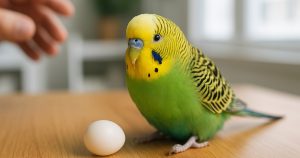
Quick answer: Egg binding needs urgent veterinary care first. After treatment, recovery may involve warmth, rest, diet changes, calcium guidance, reduced nesting triggers and close monitoring, but aftercare should follow your vet’s instructions.
This guide focuses on what recovery and prevention may involve after an egg-bound budgie has been treated by a vet.
Table of Contents
Quick Answer: Is My Budgie Egg-Bound?
TL;DR: Yes, if your budgie exhibits certain signs, she may be egg-bound. This condition occurs when a female bird is unable to lay her eggs. Important: Delaying treatment can be life-threatening for your budgie. Keep reading to learn essential steps to help your pet.
What Does It Mean for a Budgie to Be Egg-Bound?
Egg-binding is a serious condition in which a female budgie cannot pass an egg through her reproductive tract. This can lead to severe health complications, including infection, internal damage, or even death if not addressed promptly. Understanding this condition is crucial for budgie owners to ensure their pets receive timely care.
Key Characteristics of Egg-Binding
Egg-binding can occur in various bird species, but it is particularly common in budgies due to their breeding habits. A budgie may become egg-bound for several reasons, including:
- Laying too many eggs: Overbreeding without proper recovery time can lead to exhaustion and physiological distress.
- Nutritional deficiencies: Lack of calcium or other essential nutrients can weaken the reproductive system and inhibit normal egg-laying.
- Stress: Environmental factors, such as loud noises, temperature fluctuations, or changes in habitat, can lead to stress that interferes with healthy egg-laying.
Recognizing these characteristics early can significantly influence treatment outcomes and help ensure your budgie’s health.
Why Are Budgies Prone to Egg-Binding?
Budgies are naturally inclined to breed, and in captivity, they may lay eggs even without a male partner. Factors that contribute to egg-binding include:
- Age: Older budgies are more susceptible, as their reproductive systems may become less efficient over time.
- Health and Nutrition: Inadequate diets lacking in calcium or vitamins can weaken the reproductive system. Regularly assessing your budgie’s diet and ensuring it meets their nutritional needs is vital.
- Environmental Stressors: Sudden changes in their environment, such as moving to a new home or introducing new pets, can lead to stress, impacting their ability to lay eggs.
Importance of Diet
A well-balanced diet rich in vitamins and minerals is crucial for a budgie’s reproductive health. Providing appropriate supplements can help prevent many complications associated with egg-laying. Foods like leafy greens, fortified pellets, and cuttlebone can be excellent additions to their diet.
Nutritional Recommendations
To promote optimal reproductive health, consider these dietary recommendations:
- Calcium: Essential for strong eggshells; consider offering cuttlebone and calcium-rich vegetables like kale, broccoli, and carrots.
- Vitamin D: Important for calcium absorption; ensure your budgie has access to natural sunlight or a UVB lamp for at least 2-4 hours a day.
- Pelleted Diets: Opt for high-quality pellets designed for budgies, which provide balanced nutrition. Look for brands with a high protein content and low fat to support reproductive health.
Additionally, consider incorporating small amounts of fresh fruits like apples and berries as treats, which can provide hydration and antioxidants, contributing to overall health.
Signs That Your Budgie Is Egg-Bound
- Abdominal Swelling: Noticeable bloating in the abdomen, which may feel hard or tense. You may also notice her abdomen moving more than usual as she tries to pass the egg.
- Straining or Pain: Your budgie may appear to be in distress, straining to lay an egg, and may assume a crouched position. She might also vocalize more than usual, indicating discomfort.
- Lethargy: Unusual tiredness or lack of activity; she may prefer to stay in one spot rather than engage in her usual playful behavior. Look for signs that she is not interacting with her environment as she normally would.
- Changes in Appetite: Reduced food intake or refusal to eat; this can lead to additional health complications if not addressed. Monitor her water intake as well, as dehydration can exacerbate her condition.
- Vocalization Changes: Increased squawking or unusual sounds; she may call out more frequently due to discomfort. If your budgie is typically quiet but suddenly becomes vocal, it may be a sign of distress.
If you notice any of these symptoms, it’s crucial to act quickly. Early intervention can be the difference between life and death for your budgie.
How to Handle an Egg-Bound Budgie
If you suspect your budgie is egg-bound, follow these steps to provide immediate care.
Step 1: Assess the Situation
Observe your budgie closely for signs of distress. Check if she is straining and confirm any visible abdominal swelling. Gently palpate her abdomen if she allows it, but be careful not to apply too much pressure. If she seems overly sensitive or in pain, refrain from handling her too much.
Step 2: Create a Comfortable Environment
Provide a calm and quiet space for your budgie. Minimize stressors such as loud noises, sudden movements, or the presence of other pets. Cover her cage with a light cloth to create a dark, quiet environment that can help her relax. Ensure the room temperature is stable and comfortable, avoiding drafts or extreme heat.
Step 3: Warm Bath Method
A warm bath can help relax the muscles and may assist in the laying process. Fill a shallow container with warm water (not too hot to avoid burns) and allow your budgie to soak for about 10-15 minutes. This method can be beneficial in easing her discomfort and may help stimulate the laying process. Always supervise her during the bath to prevent drowning.
Step 4: Hydration
Ensure your budgie has access to fresh water. Dehydration can worsen the situation, so encourage her to drink. You can also provide electrolyte solutions specifically designed for birds to help maintain her hydration levels. If she isn’t drinking, consider using a dropper to offer water directly, but do so gently to avoid aspiration.
Step 5: Dietary Support
Offer a calcium supplement or a specialized bird diet rich in nutrients. This can help in the egg-laying process and support her overall health. Look for supplements that contain vitamin D3, as this can enhance calcium absorption. You might also include soft foods like cooked sweet potatoes or peas, which are easier to digest.
Pro Tip:
Avoid forcing the egg out or applying pressure, as this can cause severe injury. Instead, focus on providing comfort and support while monitoring her condition.
What to Do at Home: Initial Steps
-
Monitor her closely: Keep an eye on her behavior and physical condition. Look for any changes in her symptoms or behavior that may indicate worsening distress. Documenting her condition can be helpful for the vet.
-
Limit handling: Avoid excessive handling that could stress her further. Give her space to rest and recuperate, while remaining vigilant for any signs of improvement or decline.
-
Provide a nesting area: Create a cozy nesting space with soft bedding, which encourages her to relax. If she feels secure and comfortable, she may be more inclined to lay her egg. Use materials such as shredded paper or soft cloths, which can mimic a natural nesting environment.
-
Gentle massage: If your budgie is calm and allows it, a gentle massage of her abdomen can sometimes help stimulate the laying process. Use a light touch, moving in a circular motion, and avoid putting any pressure on her abdomen.
When to Seek Veterinary Help
Warning Signs to Look For
- Continued straining without results
- Severe lethargy or unresponsiveness
- Blood or unusual discharge from the vent
- Vomiting or other signs of distress
- Significant changes in behavior, such as hiding or excessive vocalization
Veterinary intervention may involve manual egg extraction or medication to stimulate the laying process. Early veterinary intervention can often save your budgie’s life.
Post-Recovery Care for Your Budgie
Once your budgie has successfully laid her egg or received veterinary care, focus on her recovery.
Step 1: Nutritional Support
Continue providing a balanced diet with increased calcium and vitamin supplements to help her regain strength. Offer fresh fruits and vegetables, which can also provide hydration and essential nutrients. Ensure she has access to clean water at all times.
Step 2: Monitor Behavior
Keep an eye on her activity levels and general health for several days post-recovery. Look for any signs of recurring distress or complications related to egg-laying. If she continues to show signs of lethargy or discomfort, consult your veterinarian.
Step 3: Limit Breeding
If your budgie is prone to egg-binding, consider limiting her breeding opportunities to prevent future occurrences. This may involve separating her from male budgies or providing environmental enrichment that discourages nesting behavior. You can also consider spaying her, which is a permanent solution to prevent egg-laying.
Step 4: Environmental Enrichment
Enhance her living environment with plenty of toys, perches, and activities to keep her occupied and less focused on nesting. This can help reduce the likelihood of future egg-laying and related complications. Rotating toys regularly can keep her engaged, and providing climbing structures and foraging opportunities can help simulate a more natural environment.
Key Takeaways: Ensuring Your Budgie’s Health
Related Articles You’ll Love
Medical/Expert Disclaimer
About This Guide
FAQ
What is the treatment for an egg-bound budgie?
Treatment may involve warm baths, dietary adjustments, and increasing hydration at home. If these measures do not help, a veterinarian may need to perform manual egg extraction or prescribe medication to assist with laying.
How can I prevent my budgie from becoming egg-bound?
To prevent egg-binding, ensure your budgie has a balanced diet rich in calcium and vitamins, minimize stress in her environment, and avoid excessive breeding. Regular vet check-ups can also help identify potential issues early.
Can male budgies become egg-bound?
No, egg-binding is a condition specific to female birds. Male budgies do not lay eggs and therefore cannot experience this issue.
How long can a budgie survive when egg-bound?
If untreated, a budgie can suffer serious health complications within 24 to 48 hours. Timely intervention is critical to improve the chances of recovery.
Are all budgies prone to egg-binding?
Not all budgies will experience egg-binding, but certain factors such as age, health, and environmental conditions can increase the risk. Being aware of these factors can help owners take preventive measures.
What should I do if my budgie lays an egg?
If your budgie lays an egg, ensure she has a safe, comfortable nesting area. Monitor her behavior and health closely, and provide a balanced diet to support her recovery. If she shows signs of distress or does not lay subsequent eggs within a reasonable time, consult a veterinarian for guidance.
Can stress cause egg-binding?
Yes, stress can significantly impact a budgie’s ability to lay eggs. Environmental changes, loud noises, or the presence of predators can create anxiety, which may lead to egg-binding. Providing a stable, quiet environment can help mitigate these risks.