
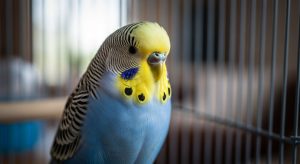
Quick answer: A lonely budgie may call constantly, withdraw, over-preen, lose interest in toys, cling to mirrors, or seem unusually quiet. Some single budgies do well with daily attention and enrichment, but many need more social contact, routine and stimulation.
This guide explains loneliness signs, what helps, and when a second budgie may or may not be the right answer.
Is Your Budgie Lonely? 7 Telltale Signs and How to Help
You look over at your budgie’s cage. He’s perched quietly, perhaps nibbling on a seed or preening a feather. He looks peaceful, but a nagging thought enters your mind: Is he happy? Or is he… lonely? It’s a question that many loving budgie owners ask themselves. These tiny, vibrant birds are packed with personality, but they also have deep-seated social needs that can be hard to meet in a human world.
In the wild, budgies are never alone. They live in massive, chattering flocks in Australia, constantly interacting, foraging, and flying together. Their very survival is tied to their flock. When we bring a single budgie into our homes, we become their flock. For many budgies, this is a wonderful arrangement, but for others, the silence when you’re away at work or busy with life can be deafening.
Recognizing the signs of loneliness is the first crucial step to ensuring your feathered friend lives a joyful, fulfilled life. This guide will walk you through the subtle (and not-so-subtle) signs that your budgie might be craving more companionship and provide actionable, effective solutions to bring the chirp back into their life.
Understanding the Budgie Brain: Why Loneliness is a Real Problem
Before we dive into the signs, it’s essential to understand why loneliness is such a significant issue for these little parrots. A budgie’s brain is hardwired for social interaction. Constant communication—the chirps, squawks, and flock calls—isn’t just noise; it’s how they signal safety, find food, and maintain social bonds. A solitary life goes against every natural instinct they possess.
“A lone budgie doesn’t just miss having a friend; they can feel insecure and anxious, as being alone in the wild means being vulnerable to predators. Their instincts tell them that silence is dangerous.”
This inherent need for a flock means that prolonged solitude can lead to stress, depression, and a host of behavioral problems. The good news is that you, their favorite human, can become the ultimate flockmate. You just need to know what to look for and how to respond.
7 Telltale Signs Your Budgie is Lonely
Loneliness in budgies can manifest in various ways, from loud, demanding behavior to quiet, withdrawn sadness. Here are the key signs to watch for.
1. Drastic Changes in Vocalization
A happy, content budgie is a noisy one. They’ll often chatter, chirp, and sing to themselves throughout the day. A lonely budgie’s vocal patterns might change dramatically in one of two ways:
- Excessive Screaming: Your budgie might start shrieking or making loud, repetitive contact calls. This isn’t them being ‘naughty’; it’s a desperate attempt to locate their flock (you!). They are essentially shouting, “I’m here! Are you there? I’m all alone!”
- Unusual Silence: The opposite can also be a red flag. A budgie that was once chatty and is now persistently quiet may be feeling depressed and withdrawn. If your budgie has suddenly gone quiet, it’s a clear signal that something is amiss in their world.
2. Destructive and Self-Harming Behaviors
When a budgie’s mental energy has no positive outlet, it can turn negative and destructive. This is one of the most serious signs of distress.
Feather Plucking
Feather plucking (or barbering) is a classic sign of severe stress, boredom, and loneliness in parrots. The bird will obsessively pull out its own feathers, often leaving bald patches on its chest or under its wings. It’s a compulsive behavior similar to a human biting their nails to an extreme. If you notice this, a visit to an avian vet is crucial to rule out medical causes, but loneliness is a very common trigger.
3. Lethargy and Apathy
Does your budgie show little interest in life? A lonely or depressed bird might sit fluffed up in one spot for long periods, showing no enthusiasm for toys, treats, or even you. They might sleep more than usual or seem generally ‘zoned out’. While all birds have downtime, a persistent lack of engagement is a strong indicator of unhappiness. They’ve essentially lost their zest for life because there’s nothing and no one to share it with.
4. Changes in Eating Habits
Just like in humans, emotional distress can impact a budgie’s appetite. You might notice your bird is eating significantly less than usual, which can lead to weight loss and other health complications. In some cases, a bird might eat more out of boredom, but a reduced appetite is a more common sign of depression. Always monitor their food intake and droppings for any changes.
5. Increased Aggression or Sudden Fearfulness
A lonely budgie can develop confusing behaviors. They might become unusually aggressive, biting or hissing when you try to interact. This can stem from frustration and anxiety. Conversely, a once-confident bird might become timid and fearful, spooking at the smallest sounds or movements. This anxiety is rooted in the feeling of being an unprotected, solitary animal in a big, scary world.
6. Obsessive or Repetitive Actions
This is known as stereotypical behavior and is a coping mechanism for stress and a lack of stimulation. It can include:
- Pacing: Walking back and forth relentlessly along a perch or the bottom of the cage.
- Head Swinging: Weaving their head from side to side for no apparent reason.
- Cage Bar Biting: Obsessively chewing on the cage bars in the same spot.
- Mirror Obsession: While a mirror can seem like a friend, a lonely budgie can become unhealthily obsessed with its reflection, leading to regurgitation, aggression, and a complete lack of interest in real interaction. It’s generally advised to avoid mirrors for single budgies.
7. Extreme Clinginess
The final sign is the flip side of apathy. Instead of being withdrawn, your budgie might become overly dependent on you. They may scream bloody murder the second you leave the room, refuse to be in their cage, and demand your constant, undivided attention. While it’s lovely to be loved, this level of separation anxiety is a sign that your bird is terrified of being alone and relies solely on you for all its social and mental stimulation.
How to Banish Budgie Loneliness: Actionable Solutions
Okay, so you’ve identified some of the signs. Don’t panic! You are your budgie’s whole world, and you have the power to enrich it. Here are the most effective ways to combat loneliness.
Solution 1: Increase Quality Interaction Time
This is the single most important thing you can do. It’s not just about being in the same room; it’s about active engagement.
- Dedicated Playtime: Set aside at least 30-60 minutes of uninterrupted time each day to interact directly with your budgie. This could be training sessions (like target training), talking and singing to them, or just letting them hang out on your shoulder while you read.
- Shared Activities: Include your budgie in your daily routines. Let them sit with you while you watch TV or work on the computer (in a bird-safe area, of course). Their cage should be in a room where the family spends a lot of time.
- Create a Routine: Budgies are creatures of habit. A predictable schedule of when they come out to play can reduce their anxiety about when they’ll next see you.
Solution 2: Supercharge Their Environment
A bored budgie is a lonely budgie. Their cage and play area should be a treasure trove of fun and stimulation. Finding ways to keep your budgie entertained when you’re out is key to their mental health.
- Toy Rotation: Don’t put all their toys in at once. Keep a stash of 10-15 different types of toys (shreddable, foraging, noisy, wooden) and rotate 3-4 of them in the cage every week. This keeps things novel and exciting.
- Promote Foraging: In the wild, budgies spend most of their day searching for food. Replicate this by hiding treats in shreddable toys, using foraging boxes, or scattering seeds in a tray of bird-safe paper crinkles. This engages their mind and body.
- Build a Play Gym: An out-of-cage play area is essential. You can buy one or have fun creating a fun play gym at home with different perches, ladders, and hanging toys.
Solution 3: The Big Question: Should You Get Another Budgie?
This is often the first solution people consider, but it requires careful thought. Introducing a second budgie can be a wonderful cure for loneliness, but it’s not a guaranteed fix and it’s a big commitment.
The Pros:
- Provides constant companionship in a way a human never can.
- They can preen, chatter, and interact with each other in a natural way.
- Can alleviate separation anxiety and stress-related behaviors.
The Cons:
- Quarantine is non-negotiable: A new bird must be kept in a separate room for at least 30 days to prevent the spread of potential diseases.
- They might not get along: You can’t force two budgies to be friends. Proper, slow introduction is key.
- Your bond may change: The two birds may bond so strongly with each other that they become less interested in you.
- Double the cost: Be prepared for double the food, toys, and potential vet bills.
Verdict: Getting a second budgie is a great option if you are prepared for the responsibility and understand the risks. It shouldn’t be a quick fix to avoid spending time with your current bird.
Solution 4: Provide ‘Passive’ Company
When you absolutely can’t be there, you can create the illusion of a flock.
- Leave a Radio or TV On: The sound of human voices or classical music can be comforting and make the house feel less empty.
- Play Budgie Sounds: You can find videos or audio tracks of budgies chattering happily online. Playing this on a low volume for a portion of the day can simulate the feeling of being in a flock. Be observant; for some birds this can cause stress if they can’t find the ‘other’ birds.
Your Budgie’s Happiness is in Your Hands
A lonely budgie is a heartbreaking sight, but it’s a problem that is entirely solvable. By learning to read your bird’s unique language—their chirps, their preens, and their behaviors—you can tune in to their emotional state.
Remember the key signs: significant changes in vocalization, destructive habits like feather plucking, apathy, aggression, or obsessive clinginess. If you spot these, don’t despair. Take action by enriching your direct interactions, upgrading their environment with engaging toys and foraging challenges, and carefully considering whether a feathered friend is the right choice for your family.
Your budgie may be a small creature, but their capacity for connection and joy is immense. By becoming their dedicated flock, you ensure they don’t just live, but truly thrive.