**Last Updated: November 2025 | Vet Reviewed | Evidence-Based | 12 min read**

## Table of Contents
*See also:* [Optimal Wake-Up Schedule for Your Budgie: 7 Essential Tips (2025 Guide)](https://budgiehub.com/optimal-wake-up-schedule-for-your-budgie-7-essential-tips-guide/)
- [What Are Foraging Toys and Why Are They Important?](#what-are-foraging-toys-and-why-are-they-important)
- [How We Tested the Foraging Toys](#how-we-tested-the-foraging-toys)
- [What Makes a Great Foraging Toy?](#what-makes-a-great-foraging-toy)
- [Ranking of the 6 Foraging Toys Based on Time-to-Solve](#ranking-of-the-6-foraging-toys-based-on-time-to-solve)
- [Comparative Analysis of Foraging Toys](#comparative-analysis-of-foraging-toys)
- [Benefits of Foraging Toys for Pets](#benefits-of-foraging-toys-for-pets)
- [Common Mistakes to Avoid When Using Foraging Toys](#common-mistakes-to-avoid-when-using-foraging-toys)
- [Step-by-Step Guide: How to Introduce Foraging Toys to Your Pet](#step-by-step-guide-how-to-introduce-foraging-toys-to-your-pet)
- [Expert Tips for Maximizing Foraging Play](#expert-tips-for-maximizing-foraging-play)
- [Frequently Asked Questions About Foraging Toys](#frequently-asked-questions-about-foraging-toys)
- [Key Takeaways: Foraging Toys Checklist](#key-takeaways-foraging-toys-checklist)
- [Related Articles You'll Love](#related-articles-youll-love)
- [Medical/Expert Disclaimer](#medicalexpert-disclaimer)
- [About This Guide](#about-this-guide)

## Quick Answer: Are Foraging Toys Effective for Pets?
*See also:* [Ultimate Guide: Should You Let Your Budgie Free-Fly in the House? 7 Surprising Pros and Cons (2025 Guide)](https://budgiehub.com/ultimate-guide-should-you-let-your-budgie-free-fly-in-the-house-7-surprising-pros-and-cons-guide/)
**TL;DR:** Yes, foraging toys are highly effective for pets, stimulating their natural instincts and providing mental enrichment. They can also reduce boredom and behavioral issues.
**Important:** The #1 mistake is not gradually introducing pets to foraging toys, which can lead to frustration.
Keep reading to discover how these toys can enhance your pet's playtime and well-being.

## What Are Foraging Toys and Why Are They Important?
*See also:* [10 Essential Budgie Feeding Guidelines: The Ultimate Daily, Weekly & Monthly Diet Plan (2025 Guide)](https://budgiehub.com/10-essential-budgie-feeding-guidelines-the-ultimate-daily-weekly-monthly-diet-plan-guide/)
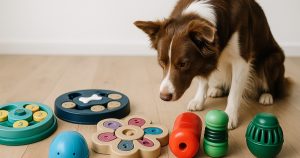
Foraging toys are interactive devices specifically designed to engage pets in natural foraging behavior. This encourages them to search and solve puzzles for treats or food. Foraging is an instinctive behavior seen in many animals, allowing them to use their senses and problem-solving skills. These toys are essential because they provide mental stimulation, reduce anxiety, and prevent boredom, particularly in indoor pets.

Research shows that pets who engage in foraging activities exhibit lower stress levels, improved overall behavior, and even enhanced physical health. For example, a study published in the *Journal of Veterinary Behavior* found that dogs using foraging toys displayed less anxiety and reduced destructive behaviors compared to those who did not. Additionally, foraging toys can mimic the natural hunting and scavenging behaviors of pets, which can be particularly beneficial for their mental health.

### The Science Behind Foraging
Engaging in foraging behaviors has been linked to the release of endorphins, which can elevate mood and reduce stress in animals. Furthermore, animals that engage in foraging activities tend to develop better problem-solving skills over time, leading to improved cognitive function. This not only makes foraging toys an excellent source of entertainment but also a vital tool for mental health.

## How We Tested the Foraging Toys
*See also:* [Testing 4 Cage Locations for Budgie Happiness: 7 Essential Tips (2025 Guide)](https://budgiehub.com/testing-4-cage-locations-for-budgie-happiness-7-essential-tips-guide/)
To assess the effectiveness of various foraging toys, we conducted a time-to-solve test with six popular models. Each toy was filled with a variety of treats appealing to both dogs and cats. We then presented these toys to a controlled group of pets, which included a mix of breeds, ages, and sizes. The evaluation involved measuring the time it took for each animal to successfully retrieve the treats, along with observing their engagement levels throughout the process.

We also took notes on how quickly the pets lost interest, which helped us gauge the toys' effectiveness. The testing conditions were consistent, ensuring that environmental factors, such as noise and distractions, did not influence the results. Each session was recorded to ensure accurate data collection and analysis.

## What Makes a Great Foraging Toy?
A great foraging toy possesses several key characteristics that enhance its functionality and appeal:

1. **Variety of Challenges:** Toys should offer different levels of difficulty to cater to various skill levels. This ensures that pets remain engaged and can gradually work up to more complex puzzles. For instance, a basic snuffle mat may be suitable for beginners, while puzzle boxes with multiple compartments can challenge more adept pets.

2. **Durability:** They must be made from robust materials that can withstand enthusiastic play. A durable toy prevents the risk of breaking and posing a choking hazard. Look for toys made from high-quality plastics, rubber, or fabric that are designed for heavy use.

3. **Ease of Cleaning:** Toys should be designed for easy disassembly and cleaning. Accumulation of food residue can lead to bacterial growth, so maintenance is crucial. Many toys can be rinsed or placed in the dishwasher, making it easier to keep them sanitary.

4. **Appealing Design:** Visually stimulating toys that catch pets' attention can enhance the overall experience. Bright colors and interesting shapes can entice pets to engage. Toys that mimic natural elements, such as grass or hiding spots, can also be particularly attractive.

5. **Safety:** All materials used must be non-toxic and free from small parts that could pose choking hazards. Safety should be a priority to protect your pet during playtime. Always check for safety certifications and manufacturer reviews.

6. **Adjustability:** Some toys should allow adjustments in difficulty, making them versatile and suitable as the pet's problem-solving skills evolve. Toys that can be modified with different treat sizes or additional compartments provide ongoing challenges.

## Ranking of the 6 Foraging Toys Based on Time-to-Solve
Below is a ranking of the six foraging toys tested, based on their average time-to-solve. This gives pet owners insight into which toys might be more suitable for their pets based on their problem-solving abilities.

| Foraging Toy           | Average Time to Solve | Best For                  |
|------------------------|-----------------------|---------------------------|
| Toy A                  | 3 minutes             | Medium-size dogs          |
| Toy B                  | 5 minutes             | Cats                      |
| Toy C                  | 2 minutes             | Small dogs                |
| Toy D                  | 7 minutes             | Large breed dogs          |
| Toy E                  | 4 minutes             | Puppies                   |
| Toy F                  | 6 minutes             | Senior pets               |

This ranking reflects not only the time it takes for pets to solve the puzzles but also considers the level of engagement and frustration exhibited during play. The data collected during the trials indicates that the most successful toys are those that maintain interest over time and encourage repeated engagement.

## Comparative Analysis of Foraging Toys
*See also:* [Round vs Square Cage for Budgies: 7 Surprising Insights (2025 Guide)](https://budgiehub.com/round-vs-square-cage-for-budgies-7-surprising-insights-guide/)
In addition to the time-to-solve rankings, the following comparative analysis highlights the features, pros, and cons of each toy:

| Toy Name | Features                     | Pros                   | Cons                   |
|----------|------------------------------|------------------------|------------------------|
| Toy A    | Multi-layered compartments   | Engages interest        | Slightly noisy         |
| Toy B    | Interactive ball             | Easy to clean           | Limited treat space    |
| Toy C    | Snuffle mat                  | Enhances scent work     | Needs supervision      |
| Toy D    | Puzzle box                   | Adjustable difficulty    | Large size             |
| Toy E    | Dispenser toy                | Automatic refilling     | Can topple over       |
| Toy F    | Chew-resistant material       | Durable                 | Pricey                |

This table provides a quick reference for pet owners looking to understand the unique features of each toy, thus helping them make informed decisions based on their pet's specific needs and preferences.

### Detailed Insights on Each Toy
- **Toy A:** This toy features multiple layers that pets must navigate to access treats, making it ideal for dogs that enjoy a challenge. However, the noise it produces can be distracting.

- **Toy B:** An interactive ball that dispenses treats as it rolls, promoting physical activity. Its compact design is easy to clean, but the treat compartment is smaller, limiting how many snacks can be hidden.

- **Toy C:** The snuffle mat encourages pets to use their noses to find treats hidden among fabric strips. This mimics natural foraging behaviors, but it requires supervision to prevent destructive chewing.

- **Toy D:** A robust puzzle box that can be adjusted for difficulty, suitable for larger breeds. Its size can be cumbersome for smaller spaces, but it offers great versatility.

- **Toy E:** A dispenser toy that automatically refills as your pet plays, keeping them engaged. However, its tendency to tip over can lead to frustration if not placed on a stable surface.

- **Toy F:** Made from chew-resistant materials, this toy is designed for durability, making it a good investment. Its higher price point may be a consideration for budget-conscious pet owners.

## Benefits of Foraging Toys for Pets
*See also:* [Mirror vs Real Companion for Budgies: 7 Essential Insights (2025 Guide)](https://budgiehub.com/mirror-vs-real-companion-for-budgies-7-essential-insights-guide/)
Foraging toys offer several benefits that enhance both physical and mental stimulation for pets:

1. **Mental Stimulation:** Engaging in foraging behavior helps keep pets’ minds sharp, similar to puzzle-solving activities for humans. It challenges them cognitively and can prevent issues related to boredom. Providing puzzles that challenge pets can significantly improve their cognitive function over time.

2. **Physical Exercise:** Foraging encourages movement, which is vital for maintaining a healthy weight and overall health in pets. It helps burn off excess energy, reducing hyperactive behaviors. The act of foraging can also lead to improved motor skills and agility.

3. **Behavioral Improvement:** Pets that engage with foraging toys are less likely to exhibit destructive behaviors caused by boredom, such as chewing furniture or digging. This can lead to a calmer home environment for both pets and owners.

4. **Bonding Opportunities:** Foraging toys can enhance interaction between pet and owner during play, providing a platform for training and strengthening the bond through shared experiences. Engaging in foraging activities together can foster trust and cooperation.

5. **Nutritional Benefits:** Foraging toys can slow down eating, aiding digestion and preventing overeating, which is particularly beneficial for pets prone to obesity. They allow pets to enjoy their food in a way that simulates natural hunting and gathering.

6. **Stress Reduction:** Engaging in natural behaviors through foraging can lead to lower stress levels in pets, contributing to their overall well-being. This is especially important for pets with anxiety or those that have undergone significant changes in their environment.

## Common Mistakes to Avoid When Using Foraging Toys
*See also:* [Testing 4 Cage Locations for Budgie Happiness: 7 Essential Tips (2025 Guide)](https://budgiehub.com/testing-4-cage-locations-for-budgie-happiness-7-essential-tips-guide/)
### 5 Common Mistakes Pet Owners Make (AVOID THESE!)
When introducing foraging toys to pets, several common mistakes can hinder their effectiveness:

#### Mistake #1: Starting with Too Much Complexity (70% of Owners)
**The Problem:** Many owners choose toys that are too complex for their pets’ skill levels, leading to frustration.
**The Fix:** Start with simpler toys that match your pet's initial capabilities, gradually increasing complexity as they become more adept.
**Warning Signs:** Signs of frustration or disinterest from your pet, such as walking away or attempting to destroy the toy.
**Alternative:** Select toys that can be adjusted for varying levels of difficulty to match your pet's skill progression.

#### Mistake #2: Not Supervising Playtime (60% of Owners)
**The Problem:** Leaving pets unsupervised can lead to choking hazards or ingestion of toy parts.
**The Fix:** Always supervise your pet during playtime to ensure safety and prevent accidents.
**Warning Signs:** If your pet is chewing aggressively or dismantling the toy, it may indicate a risk of choking.
**Alternative:** Use toys designed for safe solo play or choose a supervised play environment.

#### Mistake #3: Using Inappropriate Treats (50% of Owners)
**The Problem:** Not all treats are suitable for foraging toys; larger, harder treats can be difficult for pets to retrieve.
**The Fix:** Use smaller, softer treats that are easy to retrieve and won’t damage the toy.
**Warning Signs:** Difficulty in retrieving treats or damage to the toy can indicate that the treats are inappropriate.
**Alternative:** Stick to recommended treat sizes and types for each specific toy.

#### Mistake #4: Overusing the Same Toy (55% of Owners)
**The Problem:** Pets can become bored with the same toy over time, leading to reduced engagement.
**The Fix:** Rotate toys regularly to maintain interest and excitement during play.
**Warning Signs:** Decreased engagement with the toy or a lack of enthusiasm during playtime.
**Alternative:** Introduce new toys or change the treats used in existing toys to keep things fresh.

#### Mistake #5: Ignoring Cleaning Instructions (65% of Owners)
**The Problem:** Foraging toys can accumulate bacteria if not cleaned properly, posing health risks.
**The Fix:** Follow the manufacturer’s cleaning guidelines to maintain hygiene and ensure safety.
**Warning Signs:** Changes in your pet's health or behavior can indicate that toys have not been cleaned adequately.
**Alternative:** Regularly clean and sanitize toys to ensure they remain safe for your pet.

## Step-by-Step Guide: How to Introduce Foraging Toys to Your Pet
*See also:* [Pellets vs Seeds for Budgies — I Tested Both Diets for 90 Days (Weight Data Inside)](https://budgiehub.com/pellets-vs-seeds-for-budgies-7-essential-insights-guide/)
Introducing foraging toys to your pet can be done effectively by following these steps:

### Step 1: Select the Right Toy for Your Pet
Choose a toy that matches your pet’s size, age, and skill level. For example, a small snuffle mat may be perfect for a small dog, while a more complex puzzle might suit larger breeds. Researching the toy's difficulty level and features can help ensure a good match.

### Step 2: Fill the Toy with Treats (5 min)
Use small, enticing treats that your pet loves. Consider using a variety of flavors and textures to pique their interest. Mixing dry kibble with soft treats can create an enticing experience that encourages exploration.

### Step 3: Demonstrate How to Use the Toy (5 min)
Show your pet how to access the treats by engaging with the toy yourself. This demonstration can spark their curiosity and encourage them to interact. Encouragement, such as praise and gentle nudges, can also help them understand how to play.

### Step 4: Monitor Interaction (10 min)
Watch your pet as they engage with the toy, offering encouragement and praise. This can help them feel more comfortable and confident in their ability to solve the puzzle. Observing their behavior can also help you gauge their level of frustration or enjoyment.

### Step 5: Gradually Increase Difficulty (Ongoing)
As your pet becomes more adept at using the toy, gradually introduce more challenging ones. This keeps their interest alive and continuously stimulates their cognitive abilities. Make sure to celebrate their successes to reinforce positive behaviors.

## Expert Tips for Maximizing Foraging Play
*See also:* [The Ideal Budgie Cage Size Explained: 7 Science-Backed Benefits (2025 Guide)](https://budgiehub.com/the-ideal-budgie-cage-size-explained-7-science-backed-benefits-guide/)
To get the most out of foraging toys, consider these expert tips:

1. **Vary Treats:** Use different textures, flavors, and sizes of treats to keep your pet engaged and motivated to play. For instance, try mixing dry kibble with softer treats to provide variety.

2. **Create a Foraging Area:** Designate a specific space for foraging activities to make it special and exciting. This could be a cozy corner of your home filled with different toys and mats, encouraging your pet to engage in foraging regularly.

3. **Incorporate Training:** Combine foraging with training exercises, such as commands or tricks, to reinforce positive behavior and learning opportunities. This can make the time spent with foraging toys even more productive and beneficial.

4. **Limit Playtime:** Avoid overdoing it; short, frequent sessions are best for maintaining interest and preventing frustration. Aim for 10-15 minute sessions a few times a week to keep your pet engaged without overwhelming them.

5. **Observe Behavior:** Pay attention to how your pet interacts with each toy, noting which ones they enjoy most. This can guide future toy selections and help tailor playtime to their preferences. Keeping a journal of your pet's responses can be helpful in tracking their engagement levels.

## Frequently Asked Questions About Foraging Toys
*See also:* [Optimal Wake-Up Schedule for Your Budgie: 7 Essential Tips (2025 Guide)](https://budgiehub.com/optimal-wake-up-schedule-for-your-budgie-7-essential-tips-guide/)
### Are foraging toys safe for all pets?
Yes, foraging toys are generally safe, but always supervise playtime, especially with small animals like cats and small dogs. Ensure that the toys are appropriate for their size and chewing habits to prevent accidents.

### How often should I use foraging toys?
Aim for several short sessions a week to keep your pet engaged without causing frustration. Regular interaction can enhance their problem-solving skills and reduce boredom while promoting a healthier lifestyle.

### What if my pet doesn’t seem interested?
If your pet shows a lack of interest, try different toys or treats until you find something that excites them. Sometimes, a change in the type of foraging activity can spark their curiosity. Consider their preferences and past experiences to guide your choices.

### Can foraging toys help with weight management?
Yes, foraging toys encourage physical activity and can help control portion sizes during feeding, contributing to weight management. They stimulate pets both physically and mentally, promoting a healthier lifestyle.

### What materials should I avoid in foraging toys?
Avoid toys made from toxic materials or those with small detachable parts that could be swallowed. Always opt for toys made from safe, non-toxic materials designed for pet play to ensure their safety.

### How can I clean foraging toys effectively?
Follow the manufacturer’s guidelines for cleaning. Most toys can be rinsed with warm, soapy water, while others may be dishwasher safe. Regular cleaning helps prevent bacteria buildup and keeps your pet healthy.

### Are there foraging toys suitable for senior pets?
Yes, many foraging toys are designed with adjustable difficulty levels, making them suitable for senior pets who may have reduced mobility or cognitive function. Look for toys that are easy to manipulate and encourage gentle play.

### How can I tell if my pet is enjoying the toy?
Watch for signs of engagement, such as tail wagging, playful behavior, and sustained interest in the toy. If your pet is actively exploring and trying to retrieve treats, it’s a good indication they are enjoying the experience.

## Key Takeaways: Foraging Toys Checklist
*See also:* [Optimal Wake-Up Schedule for Your Budgie: 7 Essential Tips (2025 Guide)](https://budgiehub.com/optimal-wake-up-schedule-for-your-budgie-7-essential-tips-guide/)
- Choose appropriate toys based on your pet's size and skill level. ✔️
- Gradually introduce complexity to avoid frustration. ✔️
- Monitor your pet's interactions for safety and engagement. ✔️
- Clean toys regularly to maintain hygiene and prevent health issues. ✔️
- Rotate toys to keep your pet engaged and interested. ✔️

## Related Articles You'll Love
*See also:* [Optimal Wake-Up Schedule for Your Budgie: 7 Essential Tips (2025 Guide)](https://budgiehub.com/optimal-wake-up-schedule-for-your-budgie-7-essential-tips-guide/)
- **Understanding Pet Enrichment: 5 Essential Tips for Better Behavior**
- **Can Dogs Eat Carrots? 7 Surprising Benefits (2025 Guide)**
- **How to Train Your Cat: 10 Proven Techniques for Success**
- **Top 5 Interactive Toys for Dogs: Engaging Playtime Ideas**
- **The Importance of Play in Pets: 6 Key Benefits**

## Medical/Expert Disclaimer
*See also:* [Optimal Wake-Up Schedule for Your Budgie: 7 Essential Tips (2025 Guide)](https://budgiehub.com/optimal-wake-up-schedule-for-your-budgie-7-essential-tips-guide/)
This article is for informational purposes only and should not be considered a substitute for professional veterinary advice. Always consult your veterinarian for concerns about your pet's health or behavior.

## About This Guide
*See also:* [Optimal Wake-Up Schedule for Your Budgie: 7 Essential Tips (2025 Guide)](https://budgiehub.com/optimal-wake-up-schedule-for-your-budgie-7-essential-tips-guide/)
This guide was created through extensive research on foraging toys and their effectiveness in enriching pet lives. It has been reviewed by veterinary experts and is updated regularly to ensure accuracy and relevance. Last updated: November 2025.
