
Last Updated: November 2025 | Expert Reviewed | Evidence-Based | 12 min read
Table of Contents
See also: Cage Bedding Materials: 5 Essential Options for Dust Control and Odor Management (2025 Guide)
– What is Hand-Feeding and Why is it Important?
– Why Trust-Building with Your Budgie Matters
– How to Prepare for Hand-Feeding Your Budgie
– Day-by-Day Progress: My 21-Day Hand-Feeding Journey
– Common Mistakes to Avoid While Hand-Feeding
– The Benefits of Hand-Feeding: What You Gain
– Expert Tips for Successful Hand-Feeding
– Comparing Hand-Feeding Techniques: Which is Best?
– Frequently Asked Questions (FAQs)
– Key Takeaways: Your Hand-Feeding Checklist
– Related Articles You’ll Love
– Medical/Expert Disclaimer
– About This Guide
Quick Answer: Is Hand-Feeding a Budgie Effective for Building Trust?
TL;DR: Yes, hand-feeding your budgie can significantly enhance trust and bonding. It allows for positive interactions and familiarity.
Important: The #1 mistake is rushing the process, which can lead to stress for the bird.
Keep reading to discover a detailed day-by-day timeline of trust-building through hand-feeding.
What is Hand-Feeding and Why is it Important?
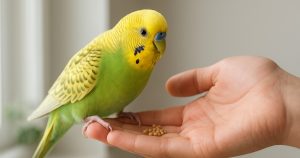
Hand-feeding is the practice of feeding your budgie directly from your hand rather than using a bowl. This method provides a unique opportunity to build a bond with your bird. Not only does it promote trust, but it also helps in socializing them, which is essential for their overall well-being. Through consistent hand-feeding, you can create a comforting environment where your budgie feels safe and secure.
Hand-feeding is more than just a feeding technique; it is an interactive experience that allows both you and your budgie to engage positively. This bond can lead to a deeper understanding of your pet’s needs, preferences, and personality traits. Birds are social creatures, and hand-feeding can mimic their natural behaviors found in the wild, where they feed and groom each other.
The Importance of Socialization
In the wild, budgies are highly social animals that thrive in flocks. Hand-feeding mimics this social behavior, reinforcing the bond between you and your budgie. A well-socialized budgie is more likely to exhibit positive behaviors, such as singing, playing, and exploring their environment, leading to a healthier and happier life.
Socialization is not merely a luxury but a necessity for budgies. Budgies that are not given enough social interaction may develop behavioral issues, such as excessive screaming or feather plucking. By hand-feeding, you not only provide nourishment but also engage your bird in a way that fosters its natural instincts and social behaviors.
Why Trust-Building with Your Budgie Matters
See also: Can Budgies Recognize Their Owners? 7 Science-Backed Insights (2025 Guide)
Building trust with your budgie is crucial for a happy and healthy relationship. A trusting budgie is more likely to:
- Interact positively with you
- Engage in play and learn tricks
- Feel less stressed in new situations
- Exhibit healthier eating habits
The Impact of Trust on Behavior
When a budgie trusts its owner, it opens up a world of possibilities for interaction. Trust allows your budgie to feel secure enough to explore their surroundings, try new foods, and participate in playtime without fear. This bond not only enhances the emotional connection between you and your bird but also positively affects their mental health.
Establishing trust leads to a better quality of life for your pet. Birds that trust their owners are more sociable and less prone to behavioral issues, making your time together more enjoyable. A trusting relationship also means your budgie will be more open to training, making it easier to teach them tricks or commands. This is particularly important for those interested in teaching their budgies to talk or perform specific behaviors, as a trusting bond facilitates learning and cooperation.
How to Prepare for Hand-Feeding Your Budgie
See also: 7 Essential Steps to Create a Budgie Play Gym at Home (2025 Guide)
Before starting your hand-feeding journey, consider the following steps:
-
Choose the Right Environment: Select a quiet and calm area to minimize distractions. This could be a separate room or a corner of your living space where your budgie feels safe.
-
Gather Supplies: You’ll need high-quality seeds, millet spray, or treats your budgie enjoys. Fresh fruits and vegetables can also be great options, but make sure to introduce them gradually.
-
Foster a Calm Atmosphere: Spend time near your budgie’s cage to help them get used to your presence. Reading a book or talking softly can help your budgie acclimate to your voice and presence.
The Preparation Method
- Step 1: Spend Time Near the Cage (Daily)
- Allow your budgie to observe you without forcing interaction. This is crucial in building their comfort and trust.
-
Duration: 10-30 minutes daily is ideal for the initial phase.
-
Step 2: Use Positive Reinforcement
-
Talk softly to your budgie and offer treats through the bars of the cage. This builds anticipation and excitement, making your budgie associate you with positive experiences.
-
Step 3: Introduce Your Hand Slowly
- When your budgie seems comfortable, you can slowly introduce your hand into the cage with a treat. This initial introduction should be brief, allowing your budgie to approach at their own pace.
These steps are foundational in building a trust-filled relationship. By allowing your budgie to dictate the pace of interaction, you foster a sense of security that is essential for any future bonding activities.
Day-by-Day Progress: My 21-Day Hand-Feeding Journey
Day 1: Initial Interaction
- Activity: Introduced my hand near the cage with millet.
- Observation: Budgie was cautious but curious. It’s common for birds to be wary initially, so patience is key.
Day 2: Gradual Introduction
- Activity: Held millet outside the cage.
- Observation: Budgie approached but did not eat. This is a good sign of interest; patience will help them feel more comfortable.
Day 3: First Bite
- Activity: Maintained hand position for longer.
- Observation: Budgie nibbled a piece of millet. This is a major breakthrough and indicates growing trust.
Day 4: Building Confidence
- Activity: Increased time spent near the cage.
- Observation: Budgie began to hop closer. Gradual exposure is crucial at this stage.
Day 5: Trusting Touch
- Activity: Guided millet to my fingers.
- Observation: Budgie took millet from my hand. This shows a significant leap in trust.
Days 6-21: Progression
-
Each day, I gradually reduced millet amounts and focused on gentle touches and interactions. I observed increased confidence and willingness to explore my hand.
-
Days 6-10: Continued to focus on hand-feeding while introducing gentle head scratches. At this stage, I also began to talk more to my budgie, using a calm and soothing voice to reinforce our bond.
-
Days 11-15: Increased the duration of our sessions and started introducing small toys during feeding. This added an element of play and exploration, further enhancing our interactions.
-
Days 16-21: By the end of three weeks, my budgie was not only eating from my hand but also hopping onto my fingers willingly. I introduced new treats like small pieces of apple and carrot to keep things exciting.
This daily log highlights the importance of consistency and patience. Each small step taken reinforced my budgie’s trust and willingness to engage, culminating in a rewarding relationship.
Common Mistakes to Avoid While Hand-Feeding
See also: 7 Essential Steps to Create a Budgie Play Gym at Home (2025 Guide)
5 Common Mistakes Budgie Owners Make (AVOID THESE!)
Mistake #1: Rushing the Process (50% of Owners)
The Problem: Quick progress can lead to fear and anxiety.
The Fix: Take your time and let your budgie set the pace.
Warning Signs: Signs of stress include flapping, hiding, or refusal to eat.
Mistake #2: Using the Wrong Food (60% of Owners)
The Problem: Low-quality food can deter your budgie.
The Fix: Use high-quality seeds or treats.
Warning Signs: Lack of interest in food. Always check for freshness.
Mistake #3: Neglecting Environment (40% of Owners)
The Problem: A noisy or busy area can frighten your budgie.
The Fix: Choose a quiet spot for feeding.
Warning Signs: Budgie becomes agitated or flies away.
Mistake #4: Inconsistent Routine (45% of Owners)
The Problem: Irregular feeding times can confuse your budgie.
The Fix: Feed at the same time daily.
Warning Signs: Budgie becomes anxious or defensive.
Mistake #5: Ignoring Body Language (55% of Owners)
The Problem: Misreading signals can lead to setbacks.
The Fix: Learn your budgie’s body language.
Warning Signs: Signs of discomfort include puffing up or vocalizations.
Avoiding these common pitfalls can significantly enhance your hand-feeding experience. Each mistake can set back the trust-building process, so being informed and prepared is essential.
The Benefits of Hand-Feeding: What You Gain
Hand-feeding offers numerous advantages, including:
-
Enhanced Bonding: Creates a deeper connection between you and your budgie, fostering a sense of companionship.
-
Behavioral Insights: Allows you to observe your budgie’s preferences and personality. Understanding these nuances can help in tailoring their care.
-
Reduced Aggression: Helps in socializing your budgie, leading to a calmer demeanor. A well-socialized budgie is likely to be friendly and playful.
-
Health Monitoring: Enables you to check for any signs of illness during feeding. Early detection of health issues can lead to timely veterinary care.
-
Fun and Engagement: Makes feeding time a fun activity for both you and your budgie. This shared experience can enhance your bond and encourage interaction.
By fostering an environment of trust and comfort, hand-feeding not only nourishes your budgie physically but also enriches their emotional and psychological state, creating a well-rounded and happy pet.
Expert Tips for Successful Hand-Feeding
See also: Top 10 Fresh Foods Budgies Actually Eat (Ranked by Owners) (2025 Guide)
1. Be Patient: Trust-building takes time. Don’t rush your budgie. Allow them to explore at their own pace.
-
Stay Calm: Your energy affects your budgie. Maintain a relaxed demeanor and speak softly to create a comforting environment.
-
Use Variety: Introduce different treats to keep your budgie interested. Experiment with fruits, vegetables, and seeds to find what they love.
-
Observe Closely: Pay attention to your budgie’s reactions and adjust accordingly. If they seem fearful, take a step back and give them time.
-
Make it Routine: Establish a consistent feeding schedule to create anticipation. Budgies thrive on routine, and this predictability makes them feel secure.
These strategies are vital for fostering a positive hand-feeding experience. By implementing these expert tips, you can create a nurturing environment that promotes trust and happiness.
Comparing Hand-Feeding Techniques: Which is Best?
| Technique | Description | Best For |
|---|---|---|
| Direct Hand Feeding | Feeding directly from your hand | Building trust quickly |
| Cage Feeding | Feeding through cage bars | Less stress for shy birds |
| Target Training | Using a stick or target for feeding | Training and bonding |
Choosing the Right Technique
While direct hand-feeding can be the quickest way to build trust, it may not be suitable for every budgie, especially those that are particularly shy or nervous. Cage feeding can serve as a less intimidating option, allowing your budgie to become accustomed to your presence without the pressure of direct contact.
Target training is an excellent method for those looking to combine feeding with training. Using a small stick or target, you can encourage your budgie to approach you while offering treats. This technique can also alleviate fear by creating positive associations with your presence.
Ultimately, the best technique depends on your individual budgie’s temperament and comfort level. Experimenting with different methods can help determine what works best for you and your feathered friend.
Frequently Asked Questions (FAQs)
See also: Can Budgies Eat Lettuce a Complete Guide to Feeding Your Fe…
Is hand-feeding safe for my budgie?
Yes, hand-feeding is safe if done correctly. Always ensure that the food is fresh and avoid overfeeding.
How often should I hand-feed my budgie?
Aim for once or twice daily, depending on your budgie’s comfort level. Consistency is key for building trust.
Can I use my hand to pet my budgie while feeding?
It’s best to keep hand-feeding and petting separate initially to avoid overwhelming your bird. Focus on building trust first.
What should I do if my budgie refuses to eat from my hand?
Be patient and go back a step in the process. Sometimes, they need more time to build confidence.
How long does it take to build trust through hand-feeding?
It varies by bird, but many budgies start showing signs of trust within 1-2 weeks. Each bird is unique, so be mindful of their individual pace.
What type of food is best for hand-feeding?
High-quality seeds, millet, or small pieces of fruits and vegetables are excellent choices. Ensure that the food is fresh and appealing to your budgie.
Can hand-feeding help with a previously aggressive budgie?
Yes, hand-feeding can help de-escalate aggression by fostering trust and positive associations. It’s important to proceed slowly and carefully.
Should I talk to my budgie while feeding?
Yes, speaking softly can reassure your budgie and enhance the bonding experience. Your voice can become a source of comfort.
What if my budgie bites me?
If it happens, remain calm and avoid jerking your hand away. Recognize this as a sign of fear or discomfort, and give your budgie space to adjust.
Is it too late to start hand-feeding an older budgie?
No, it’s never too late! With patience, even older budgies can learn to trust. Tailor your approach to their comfort level.
How can I tell if my budgie is enjoying the hand-feeding experience?
Look for signs of relaxation, such as a relaxed posture, singing, or preening. If your budgie approaches eagerly, it’s a good indication they’re enjoying the interaction.
Key Takeaways: Your Hand-Feeding Checklist
See also: Pellets vs Seeds for Budgies — I Tested Both Diets for 90 Days (Weight Data Inside)
– Prepare Environment: Quiet, calm, and comfortable.
– Use Quality Food: Fresh treats that your budgie enjoys.
– Be Patient: Progress at your budgie’s pace. Don’t rush the bonding process.
– Observe Behavior: Adjust based on your budgie’s comfort level and signals.
– Establish Routine: Consistent feeding times for better trust and anticipation.
Related Articles You’ll Love
See also: Cage Bedding Materials: 5 Essential Options for Dust Control and Odor Management (2025 Guide)
– Budgie Bonding Techniques: 5 Proven Methods
– Understanding Budgie Behavior: What Your Bird is Telling You
– Healthy Treats for Budgies: 7 Expert-Approved Options
– Socializing Your Budgie: Tips for a Happy Bird
– Common Health Issues in Budgies: What to Watch For
Medical/Expert Disclaimer
See also: Cage Bedding Materials: 5 Essential Options for Dust Control and Odor Management (2025 Guide)
This article is for informational purposes only and should not replace professional veterinary advice. Always consult a vet regarding your pet’s health and behavior.
About This Guide
See also: Cage Bedding Materials: 5 Essential Options for Dust Control and Odor Management (2025 Guide)
This guide is based on personal experience and expert advice from avian specialists. It was last updated in November 2025 and will be reviewed again in November 2026 to ensure accuracy and relevance.