
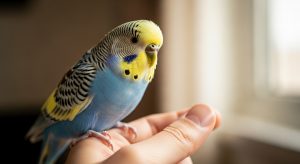
Quick answer: Yes, budgies can remember familiar people, routines, voices and handling experiences. A budgie that trusts you may approach, chirp, preen, relax nearby or step up willingly. Fearful reactions do not mean your bird forgot you; they often mean trust needs rebuilding slowly.
This guide explains budgie memory, recognition signs, attachment behaviours and how to rebuild trust after time apart.
Ever packed your bags for a week-long vacation and glanced back at your budgie’s cage, a little pang of guilt hitting you? You wonder, “Will my little feathered friend even remember me when I get back?” It’s a question every loving budgie owner has asked. We see their vibrant personalities, hear their cheerful chirps, and can’t help but feel a deep connection. But does it go both ways? Are we just a convenient food dispenser, or do they hold a special place for us in their tiny hearts and minds?
The short answer is a resounding yes, budgies absolutely remember you. But the long answer is far more fascinating. It dives into the surprising complexity of the avian brain, the science of memory, and the subtle ways these intelligent birds form powerful, lasting bonds with their human companions.
Forget the old insult “bird-brained.” In this article, we’re going to explore:
- The impressive neurological hardware that powers a budgie’s memory.
- How budgies use sight, sound, and routine to recognize individuals.
- The heartwarming signs that show your budgie remembers and is attached to you.
- How long their memory lasts and what to expect after a long absence.
- Practical tips for building an unforgettable bond with your bird.
So, let’s pull back the curtain on the cognitive world of budgies and discover the true depth of the relationship you share.
A Peek Inside the Budgie Brain: More Than Just Fluff
To understand if a budgie remembers you, we first need to appreciate that their brains are wired for it. While structurally different from a mammal’s brain, the avian brain is a powerhouse of cognitive ability, especially in areas related to memory and social bonding.
The Avian Hippocampus: The Memory Hub
Just like humans, birds have a hippocampus, a region of the brain crucial for forming and retrieving memories. In birds, especially intelligent species like parrots, this area is highly developed. It’s the brain’s filing cabinet for spatial memory (like where the best food dish is) and episodic memory—the ability to recall specific past events. This means your budgie doesn’t just know you bring food; they can recall specific, positive interactions with you, filing them away for future reference. These memories form the foundation of their trust and recognition.
Vocal Learning and Auditory Memory
Budgies are famous for their ability to mimic speech and sounds. This isn’t a simple party trick; it’s a sign of a sophisticated brain with incredible auditory processing and memory. To learn a new word or whistle, a budgie must:
- Listen carefully to the sound.
- Memorize its specific pitch, tone, and rhythm.
- Practice and refine its own vocalizations to match.
This same powerful auditory memory allows them to memorize the unique sound and cadence of your voice. They learn to associate your specific vocal signature with comfort, safety, and positive experiences. It’s not just *a* human voice they recognize; it’s *your* voice.
How Do Budgies Actually Remember People?
A budgie’s recognition of you is multi-sensory. They build a complete profile of you in their minds using several key identifiers, making their memory surprisingly robust.
Recognizing Your Face
Studies have consistently shown that many bird species, including pigeons and crows, can recognize and remember individual human faces for years. Budgies are no different. They pay close attention to the features of the people who care for them. They associate your face with everything you do—filling their food bowl, offering treats, speaking gently, or letting them out for playtime. This is why a new, unfamiliar face might be met with caution, while your return to the room is met with excited chirps.
The Sound of Your Voice
As mentioned, your voice is a primary identifier. Your budgie learns to distinguish your voice from others in the household or from strangers. They might perk up from across the room when they hear you call their name or make a familiar sound. This vocal recognition is a cornerstone of your bond, a constant audio signal that their trusted companion is near.
Routine and Positive Association
Budgies thrive on routine. They are highly intelligent and quickly learn to associate specific people with specific outcomes. They remember that you are the one who opens the cage for flight time, that you are the one who provides the tasty millet spray, and that you are the source of comforting chatter. This is classical conditioning in action, but it goes deeper than that. Over time, these positive associations build a foundation of trust and affection, turning you from a simple provider into a cherished flock member.
“Your budgie’s memory isn’t just a list of facts; it’s a tapestry of experiences. Every gentle word, every patient training session, and every shared moment of play is a thread woven into their memory of you.”
Signs Your Budgie Remembers and Loves You
So, how can you be sure your budgie’s memory of you is a fond one? Their affection is shown through a variety of clear, heartwarming behaviors. Look for these signs:
- Excited Greetings: When you enter the room, does your budgie start chirping, singing, or doing an excited little dance? This is a clear sign they recognize you and are happy to see you.
- Flying to You: A budgie that willingly flies to land on your head, shoulder, or hand is showing immense trust and a desire to be close to you.
- Contact Calling: If you leave the room and your budgie lets out a loud chirp, they are often “contact calling” to check where their flock member (you!) has gone. Responding with a whistle or word can be very reassuring for them.
- Preening and Allopreening: If your budgie gently nibbles on your hair, eyelashes, or skin, they are preening you. This is a profound sign of affection and acceptance, as it’s a behavior reserved for trusted flock mates.
- Regurgitation: It might seem a bit odd to us, but when a budgie tries to regurgitate food for you, it’s one of the highest compliments they can pay. It’s a sign of a deep bond, mirroring how they would feed a mate or their young.
- Relaxed Body Language: A budgie that is comfortable in your presence will show relaxed behaviors like beak grinding (a sign of contentment), fluffing up their feathers, or standing on one leg. These actions show they feel safe and secure with you. A bored or unhappy budgie, on the other hand, might show signs of stress. This is why it’s crucial to understand if your budgie is getting bored and how to provide proper stimulation.
How Long is a Budgie’s Memory?
This is the million-dollar question for anyone planning a trip. While it’s difficult to put a precise number on it, their memory for significant individuals is remarkably long-term, likely lasting for many years, if not their entire lives.
The Impact of Emotional Experiences
Memory isn’t just about time; it’s about emotional impact. A strongly positive or negative experience will be remembered far more vividly and for much longer than a neutral one. A person who was consistently kind, gentle, and engaging will be remembered fondly for years. Conversely, a person who caused fear or trauma will also be remembered for a very long time as a threat to be avoided.
What About After a Long Absence?
If you’ve been away for several weeks or even a few months, your budgie will absolutely remember you. However, their initial reaction might be one of caution or confusion. They might seem a bit distant at first. This is normal. They need a moment to process your return and match your face and voice to their long-term memory. The key is to be patient. Speak to them in your usual gentle tone, offer a favorite treat, and resume your old routines. Within a short time, you’ll likely see that spark of recognition return as they settle back into the comfort of your presence. Their feelings of attachment run deep, and many owners wonder, do budgies miss their owners when they’re gone? The science and anecdotal evidence strongly suggest they do.
Building an Unforgettable Bond: Practical Tips
Creating a positive, lasting memory in your budgie’s mind is all about building trust through consistent, positive interactions. Here’s how to do it:
- Daily Gentle Interaction: Spend time every day just talking to your budgie in a calm, soothing voice. Sit by their cage while you read or work. Your consistent, non-threatening presence builds a foundation of safety.
- Positive Reinforcement: Use treats like millet to reward brave or friendly behavior. This technique, known as positive reinforcement, is the single most effective way to build a trusting relationship.
- Create a Fun Environment: A happy budgie is a friendly budgie. A stimulating environment filled with toys and opportunities for exercise will build positive associations with their life in your home. For example, learning how to create a budgie play gym can provide countless hours of shared fun and bonding.
- Respect Their Boundaries: Never force interaction. Don’t grab your budgie or poke your fingers at them if they seem scared. Let them set the pace. Building trust is about giving them the choice to interact with you.
- Be Perceptive: Pay attention to their body language. Budgies are incredibly expressive and are thought to be highly attuned to their environment and caregivers. In fact, many believe that budgies can sense their owner’s emotions, so approaching them with calm, positive energy is crucial.
Conclusion: A Bond Built to Last
So, do budgies remember you? Without a doubt. They are not creatures of fleeting memory but intelligent, social animals capable of forming deep and lasting attachments. Through their keen ability to recognize faces, voices, and routines, they build a complex mental picture of the people in their lives.
The bond you share with your budgie is a real, two-way relationship built on a foundation of stored memories and experiences. Every time you speak gently, offer a treat, or share a moment of play, you are strengthening that bond and creating a positive memory that will last a lifetime.
The next time you look at your feathered companion, know that the love and recognition you see in their bright little eyes is not just your imagination. It’s a testament to the remarkable memory and capacity for affection packed into that tiny, colorful body.