
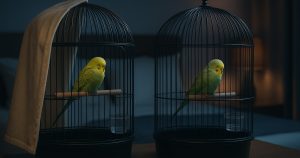
Quick answer: Covering a budgie cage at night can help if the room is bright, drafty or busy, but it is not required for every bird. The priority is a consistent, quiet sleep period with fresh airflow and no overheating.
Use a light, breathable cover that does not block ventilation, and leave part of the cage uncovered if your budgie seems anxious. Do not cover the cage to hide poor location, smoke, fumes, noise or temperature problems. If night frights increase, reassess the room, lighting and cover routine.
Covering a Budgie Cage at Night: Basics
The right choice depends on the room and the bird. A predictable dark period matters more than whether every side of the cage is covered.
What Are the Differences Between Covered and Uncovered Cages?
Understanding the differences between covered and uncovered cages can help you set up a calmer night routine for your budgie.
The Covered Cage Approach
A covered cage involves draping a fabric or material over the cage. This strategy helps create a cozy and secure environment reminiscent of natural dens that many animals seek out in the wild. For budgies, a partial cover can reduce visual disturbance and help signal bedtime when the room cannot be made fully dark.
The Uncovered Cage Approach
Conversely, an uncovered cage remains open to the environment, which allows for increased visibility and airflow. This setup can foster curiosity and stimulation, as pets can observe their surroundings. However, it can also lead to distractions from outside stimuli—such as noise, light, and movement—that may hinder their ability to relax and sleep.
Why Should You Cover Your Cage at Night?
Covering your pet’s cage at night can mimic the natural darkness they would experience in the wild. This darkness serves as a signal for rest, promoting better sleep quality.
Benefits of Darkness
- Reduces Stress: Darkness creates a calming effect that can help alleviate anxiety in pets. It reduces environmental stimuli that might otherwise provoke fear, especially in sensitive animals.
- Encourages Sleep: By aligning with their natural circadian rhythms, covering the cage can promote sleep during their most restful periods, helping pets feel more secure and relaxed.
What Are the Benefits of Using a Covered Cage?
Covered cages offer several advantages that can significantly enhance your pet’s overall well-being:
1. Increased Security
A covered cage provides a snug, den-like atmosphere that can significantly boost your pet’s feelings of safety. This is essential for animals that may be shy or easily startled. When pets feel secure, they are less likely to display stress-induced behaviors, such as vocalizing excessively or chewing on their cages.
2. Reduced Distractions
By blocking out external stimuli, a cover minimizes distractions, allowing pets to relax and unwind. For instance, if your pet is situated near a window or in a busy area of your home, covering their cage can help them avoid becoming agitated by people or other animals passing by.
3. Improved Sleep Quality
Pets that sleep in covered cages often enjoy deeper sleep cycles, which are vital for their physical and mental health. Quality sleep contributes to improved mood, better behavior, and enhanced cognitive function, akin to the benefits humans experience from good sleep.
4. Temperature Control
A cover can act as an insulator, helping to maintain a stable temperature within the cage. This is particularly important during colder nights or in climates with fluctuating temperatures. A covered cage can keep your pet warm and comfortable, reducing the risk of hypothermia or discomfort.
5. Less Light Exposure
Limiting exposure to light during the night can help regulate your pet’s circadian rhythms, thereby promoting overall health. This can be especially beneficial for pets prone to behavioral issues linked to sleep deprivation, such as irritability and aggression.
6. Privacy
Like humans, pets also require their own space. A covered cage offers a private retreat that can help them feel less exposed to the hustle and bustle of life around them. This is particularly important for pets that may become overwhelmed by excessive noise or activity.
7. Encourages Natural Behavior
Covering the cage can stimulate natural behaviors, such as nesting and burrowing. Many pets instinctively seek out enclosed spaces to satisfy their natural instincts. Enabling these behaviors can lead to a more enriched, fulfilling life for your pet.
Are There Downsides to Covering the Cage?
While the benefits of covering a cage are substantial, there are some important considerations to keep in mind.
1. Airflow Concerns
A common pitfall is covering the cage too tightly, which can restrict airflow and lead to overheating. It’s crucial to ensure that the cover used is breathable and designed to maintain proper ventilation. Consider using lightweight materials that allow for air circulation, especially during warmer weather conditions.
2. Overstimulation Upon Uncovering
Some pets may become startled when the cage is uncovered in the morning, particularly if they are unaccustomed to rapid changes in their environment. Gradual exposure to increasing light levels can help mitigate this shock.
3. Potential for Boredom
While a covered cage can provide security, it may also limit your pet’s view of their surroundings, potentially leading to boredom. It’s essential to provide stimulation and interaction during the day to keep your pet engaged. Regular play, toys, and activities outside the cage are vital for maintaining your pet’s happiness and mental health.
How Does an Uncovered Cage Affect Sleep Quality?
An uncovered cage can lead to various outcomes for your pet’s sleep quality. Although it may seem advantageous at first glance, there are significant drawbacks.
1. Increased Anxiety
Pets in uncovered cages may feel more exposed to perceived threats, leading to stress and disrupted sleep patterns. This vulnerability can prompt behaviors such as pacing or excessive vocalizations, further disturbing their restful periods and affecting their owners as well.
2. Interruptions from Light and Sound
Without any barriers, uncovered cages are susceptible to light pollution and noise disturbances from the environment. Bright lights or sounds from outside can easily disrupt a pet’s rest, leading to fatigue and irritability.
Nighttime Cage Setup Recommendations
Experts generally advocate for a tailored approach based on your pet’s specific needs. Here are some best practices to consider when setting up your pet’s cage for nighttime:
Best Practices for Covering a Cage
- Use Breathable Materials: Opt for breathable fabrics that allow for ventilation while providing warmth. Materials like cotton or lightweight fleece can help regulate temperature.
- Gradual Introduction: If transitioning to a covered cage, introduce the cover gradually to allow your pet time to adjust. Start by draping the cover partially over the cage before fully covering it at night.
- Monitor Temperature: Keep an eye on the temperature inside the cage. Adjust the cover according to seasonal changes; for instance, a thicker cover may be necessary in winter, while a lighter one would be appropriate for summer.
How to Transition to a Covered Cage?
Transitioning to a covered cage requires a thoughtful approach to ensure your pet feels secure and comfortable. Below is a detailed step-by-step guide to help ease your pet into this new setup:
Step-by-Step Guide to Transition
-
Step 1: Introduce the Cover Gradually (1 week)
– Start by placing the cover partially on the cage during the day. This allows your pet to get accustomed to the new environment without overwhelming them. -
Step 2: Observe Reactions (Ongoing)
– Monitor your pet’s behavior closely. If they display signs of anxiety, remove the cover temporarily and reintroduce it more gradually. Understanding their comfort level is crucial for a successful transition. -
Step 3: Cover at Night (1 week)
– Once your pet is comfortable, begin fully covering the cage at night. Consistency will help establish a routine that signals to your pet that it’s time for sleep. -
Step 4: Ensure Proper Ventilation (Ongoing)
– Regularly check that the cover allows for adequate airflow. Adjust the cover as necessary to ensure your pet remains comfortable and does not overheat. -
Step 5: Evaluate Sleep Quality (1 month)
– After a month, assess your pet’s sleep quality. Look for signs of improved rest, such as increased playfulness during the day or reduced anxiety levels. Positive changes in behavior can indicate a successful transition.
Frequently Asked Questions (Expert Answers)
Is it safe to cover my pet’s cage at night?
Absolutely. Covering your pet’s cage can provide a sense of security and promote better sleep, as long as the cover allows for proper airflow.
How often should I change the cover?
Regular cleaning of the cover is advisable, particularly if your pet sheds fur or if there are any spills. A clean cover contributes to a healthy environment for your pet.
Can all pets benefit from a covered cage?
While many pets can thrive in a covered cage, some individuals may prefer an uncovered setup. It’s essential to consider your pet’s personality and preferences; for instance, some birds may feel more secure when covered, while others may become stressed.
What materials are best for covering a cage?
Opt for breathable fabrics like cotton or specialized pet covers that allow air circulation while blocking out light. Avoid heavy or non-breathable materials that could lead to overheating.
Should I cover the cage during the day?
Covering the cage during the day can be beneficial for pets that may feel stressed by excessive activity. However, ensure they have ample time outside the cage to engage in stimulation and play.
How can I tell if my pet is comfortable with the covered cage?
Watch for signs of relaxation, such as your pet settling down without signs of anxiety, pacing, or attempting to escape the covered area. Comfort is key to a positive experience.
What signs indicate that my pet is experiencing sleep disturbances?
Look for signs such as excessive vocalization, irritability, or lethargy during the day. These may indicate that your pet is not getting adequate sleep, possibly due to environmental factors.
Key Takeaways: Cage Covering Checklist
– DO create a secure, comfortable environment for your pet.
– DO NOT cover too tightly, which can restrict airflow.
– DO observe your pet’s behavior during the transition to a covered cage.
– DO NOT forget to provide stimulation and interaction during the day.
– DO ensure the cover is easy to clean and maintain.
Related Articles You’ll Love
– Understanding Pet Anxiety: 5 Expert Tips
– Creating a Comfortable Pet Environment: Essential Guidelines
– Choosing the Right Cage for Your Pet: A Comprehensive Guide
– How to Improve Your Pet’s Sleep: 7 Science-Backed Tips
– Caring for Your Pet: Daily Routine Essentials
– Understanding Your Pet’s Behavior: Common Myths Debunked
– Best Practices for Pet Nutrition: A Guide for Owners
– Training Your Pet: Effective Techniques for Success
Medical/Expert Disclaimer
This article provides general information about pet care and should not replace professional veterinary advice. Always consult a veterinarian for specific concerns regarding your pet’s health and wellbeing.
About This Guide
This guide was developed based on a thorough review of current research and expert opinion in the field of pet care. Last updated in November 2025, this document aims to provide pet owners with evidence-based insights into the benefits and considerations of covering cages at night.