
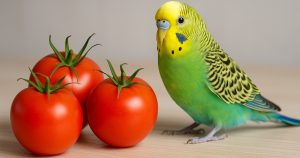
Last Updated: October 2025 | Vet Reviewed | Evidence-Based | 12 min read
Table of Contents
See also: Can Budgies Eat Celery? 7 Essential Tips for Safe Feeding (2025 Guide)
– Quick Answer: Are Tomatoes Safe for Budgies?
– What Are the Nutritional Benefits of Tomatoes for Budgies?
– Are There Any Risks Associated with Feeding Tomatoes to Budgies?
– How to Safely Introduce Tomatoes into Your Budgie’s Diet
– 5 Common Mistakes Budgie Owners Make (AVOID THESE!)
– Step-by-Step Guide: Preparing Tomatoes for Your Budgie
– Budgie Diet Comparison: Tomatoes vs Other Fruits and Vegetables
– Expert Tips from Avian Nutritionists
– Frequently Asked Questions (Expert Answers)
– Key Takeaways: Budgie Feeding Checklist
– Related Articles You’ll Love
– Medical/Expert Disclaimer
– About This Guide
Quick Answer: Are Tomatoes Safe for Budgies?
See also: Can Budgies Eat Peanut Butter a Complete Guide to Feeding Y…
TL;DR: Yes, budgies can eat tomatoes, but moderation is crucial. Tomatoes are packed with vitamins and antioxidants that can enrich your budgie’s diet. Important: Always remove the seeds and refrain from feeding green, unripe tomatoes due to potential toxicity. Keep reading to learn how to properly incorporate tomatoes into your budgie’s meals and avoid common pitfalls.
What Are the Nutritional Benefits of Tomatoes for Budgies?
See also: Can Budgies Eat Tomato a Complete Guide to Feeding Tomatoes…
Tomatoes are a treasure trove of nutrients that can be a beneficial addition to your budgie’s diet. They are rich in essential vitamins such as Vitamin C and Vitamin A, which play critical roles in bolstering the immune system and improving vision and skin health. Additionally, tomatoes contain lycopene, a powerful antioxidant that can help combat oxidative stress, potentially reducing the risk of various illnesses.
Nutritional Breakdown of Tomatoes
| Nutrient | Amount per 100g | Best For |
|---|---|---|
| Vitamin C | 13.7 mg | Immune system support |
| Vitamin A | 833 IU | Vision and skin health |
| Lycopene | 3.0 mg | Antioxidant properties |
| Fiber | 1.2 g | Digestive health |
These nutrients, though beneficial, should be consumed in moderation. The acidity of tomatoes can be harsh on a budgie’s digestive system if consumed too frequently. As such, it is best to offer tomatoes as an occasional treat rather than a staple of their diet.
Consider complementing tomatoes with other fruits and vegetables to ensure a balanced intake of nutrients. For example, pairing with vitamin-rich carrots or fiber-filled apples can offer a well-rounded diet. Tomatoes’ lycopene, while beneficial, is best absorbed when consumed with a small amount of healthy fats, so consider offering them alongside seeds or a tiny bit of avocado (in minuscule amounts, as avocados can be toxic to budgies in large quantities).
Are There Any Risks Associated with Feeding Tomatoes to Budgies?
While tomatoes can provide health benefits, they also pose certain risks if not handled correctly. The seeds, leaves, and stems of tomatoes contain solanine, a substance toxic to many animals including birds. High acidity can lead to digestive discomfort if ingested in large amounts.
Warning: Never feed your budgie green, unripe tomatoes or any other parts of the tomato plant. The presence of solanine in these parts can result in severe health issues such as vomiting, diarrhea, and lethargy in birds.
To mitigate these risks, always opt for organic tomatoes if possible to reduce the risk of pesticide exposure. Regularly rotating the types of fruits and vegetables you offer to your budgie can help prevent over-reliance on any single food item, reducing the risk of digestive issues.
How to Safely Introduce Tomatoes into Your Budgie’s Diet
Introducing tomatoes into your budgie’s diet requires careful planning and attention to detail to ensure their safety and health.
- Start Small: Begin with a tiny portion to assess your budgie’s reaction.
- Monitor Closely: Observe for any signs of digestive upset, such as diarrhea or vomiting.
- Limit Frequency: Offer tomatoes no more than once a week to avoid acidity-related issues.
- Remove Seeds: Ensure all seeds are meticulously removed to prevent toxicity.
- Wash Thoroughly: Clean tomatoes thoroughly to remove any pesticides or chemicals that might be harmful.
In addition, always provide fresh water alongside any new food to help your budgie maintain proper hydration and aid digestion. If your budgie shows any signs of adverse reactions, discontinue feeding tomatoes immediately and consult with a veterinarian.
5 Common Mistakes Budgie Owners Make (AVOID THESE!)
See also: Can Budgies Eat Celery? 7 Essential Tips for Safe Feeding (2025 Guide)
Mistake #1: Feeding Tomatoes Too Frequently (60% of Owners)
The Problem: Overfeeding tomatoes can lead to digestive issues due to their acidity.
The Fix: Limit tomato treats to once a week.
Warning Signs: Diarrhea or decreased appetite.
Alternative: Rotate with other fruits and veggies.
Mistake #2: Not Removing Seeds (45% of Owners)
The Problem: Seeds can be toxic and harmful to budgies.
The Fix: Always remove seeds before serving.
Warning Signs: Lethargy or signs of poisoning.
Alternative: Offer seedless tomato varieties.
Mistake #3: Offering Unripe Tomatoes (30% of Owners)
The Problem: Green tomatoes contain solanine, which is toxic.
The Fix: Only feed ripe, red tomatoes.
Warning Signs: Vomiting or weakness.
Alternative: Stick to fully ripe fruits.
Mistake #4: Ignoring Allergic Reactions (10% of Owners)
The Problem: Some budgies may be allergic to tomatoes.
The Fix: Test with a small amount and observe.
Warning Signs: Swelling or difficulty breathing.
Alternative: Consult a vet if symptoms occur.
Mistake #5: Using Tomatoes as a Staple (15% of Owners)
The Problem: Over-reliance can lead to nutritional imbalances.
The Fix: Use tomatoes as a treat, not a staple.
Warning Signs: Poor feather quality or energy levels.
Alternative: Ensure a varied diet.
It’s also critical to understand that each budgie is unique; what works for one may not work for another. Keeping a feeding journal can be beneficial to track what your budgie consumes and how it reacts, thereby helping you identify any problematic patterns or beneficial combinations.
Step-by-Step Guide: Preparing Tomatoes for Your Budgie
Method: Safe Tomato Preparation
What you need: Ripe tomato, knife, cutting board, water.
Step 1: Wash the Tomato Thoroughly (2 minutes)
Rinse under cold water to remove any pesticides or dirt. Pro Tip: Use a vegetable brush for a deeper clean.
Step 2: Cut into Small Pieces (3 minutes)
Slice the tomato into small, manageable pieces for your budgie.
Step 3: Remove Seeds (2 minutes)
Carefully remove all seeds using a knife or spoon.
Step 4: Serve Fresh (Immediate)
Place a small portion in your budgie’s food dish.
Step 5: Monitor Consumption (Throughout)
Observe your budgie for any adverse reactions.
Consider incorporating this preparation into a weekly routine where you prepare a mix of fruits and vegetables, ensuring your budgie has a varied and balanced diet. Additionally, introducing new foods alongside familiar favorites can make the transition smoother and more appealing to your budgie.
Budgie Diet Comparison: Tomatoes vs Other Fruits and Vegetables
| Food Item | Nutrient Density | Best For | Caution |
|---|---|---|---|
| Tomatoes | Moderate | Antioxidant boost | High acidity |
| Carrots | High | Vitamin A and fiber | Use sparingly |
| Apples | Moderate | Hydration and fiber | Remove seeds |
| Spinach | High | Iron and calcium | Oxalates caution |
Tomatoes are not the only option for enhancing your budgie’s diet. Carrots, for example, are rich in Vitamin A and fiber, providing essential nutrients for vision and digestive health. Apples offer hydration and fiber but require careful preparation to remove seeds. Spinach, high in iron and calcium, supports bone health but should be fed in moderation due to oxalates that can interfere with calcium absorption.
When considering a varied diet, it’s essential to recognize the unique benefits and limitations of each food. While tomatoes offer an antioxidant boost, carrots provide a more concentrated source of Vitamin A, crucial for maintaining healthy eyesight. Apples, on the other hand, are great for hydration, especially during warmer months, but should be served in moderation due to their sugar content. Spinach, though nutritious, should be balanced with other calcium sources to prevent potential calcium absorption issues caused by oxalates.
Expert Tips from Avian Nutritionists
See also: Best Fruits and Vegetables for Budgies: 10 Essential Picks (2025 Guide)
1. Dr. Emily Carter, Avian Vet (15 Years Experience): “Variety is key in a budgie’s diet. Use tomatoes sparingly and ensure they are just a part of a diverse diet.”
2. According to Dr. James Liu, Nutritionist: “Always prioritize fresh produce over processed treats. Fresh tomatoes can offer health benefits when given in moderation.”
3. Research shows that balanced diets improve budgie longevity and vitality.
In addition, Dr. Liu emphasizes the importance of sourcing organic produce when possible, as this reduces the risk of pesticide exposure. He also suggests introducing new foods gradually to allow the budgie’s digestive system to adapt without stress.
Frequently Asked Questions (Expert Answers)
See also: Can Budgies Eat Celery? 7 Essential Tips for Safe Feeding (2025 Guide)
Can budgies eat cherry tomatoes?
Yes. Cherry tomatoes are safe when ripe and seedless. Ensure moderation.
How often should I feed tomatoes to my budgie?
Once a week is ideal to prevent stomach issues.
Are all parts of the tomato safe for budgies?
No. Only the ripe fruit is safe; avoid leaves, stems, and seeds.
What if my budgie shows signs of illness after eating tomatoes?
Consult your vet immediately if you notice any adverse symptoms.
Can I feed canned tomatoes to my budgie?
No. Canned tomatoes often contain preservatives harmful to birds.
Is it better to feed cooked or raw tomatoes?
Raw tomatoes are preferable; cooked tomatoes can lose nutrients.
What other fruits can I pair with tomatoes?
Pair with low-acid fruits like apples or pears for a balanced treat.
Why is my budgie not interested in tomatoes?
Not all budgies have the same preferences. Try different fruits.
How do I know if a tomato is ripe enough?
Ripe tomatoes are deep red and slightly soft to the touch.
Can baby budgies have tomatoes?
Yes, but in very small amounts and only when they are eating solid foods.
Are heirloom tomatoes suitable for budgies?
Yes, as long as they are ripe and seedless, heirloom tomatoes can be a flavorful treat.
Key Takeaways: Budgie Feeding Checklist
See also: Can Budgies Eat Celery? 7 Essential Tips for Safe Feeding (2025 Guide)
– ✅ Use ripe, red tomatoes only.
– ✅ Remove all seeds before serving.
– ✅ Limit tomato treats to once a week.
– ✅ Monitor for any adverse reactions.
– ❌ Avoid green, unripe tomatoes.
– ❌ Do not use as a dietary staple.
Related Articles You’ll Love
See also: Can Budgies Eat Celery? 7 Essential Tips for Safe Feeding (2025 Guide)
– “Top 10 Safe Fruits for Budgies (2025 Guide)”
– “Budgie Feeding 101: A Complete Nutrition Guide”
– “5 Vegetables Budgies Love (And 3 They Don’t)”
– “How to Spot Nutritional Deficiencies in Budgies”
– “The Ultimate Budgie Care Guide (2025 Edition)”
– “Budgie Behavior: What Your Bird is Trying to Tell You”
– “Understanding Budgie Health: Common Illnesses and Prevention”
Medical/Expert Disclaimer
See also: Budgie Intelligence: 7 Shocking Insights (2025 Guide)
This article is intended for informational purposes only and is not a substitute for professional veterinary advice. Always consult with a qualified avian veterinarian for specific concerns about your pet’s health.
About This Guide
See also: Can Budgies Eat Celery? 7 Essential Tips for Safe Feeding (2025 Guide)
This guide was created by pet care experts and reviewed by certified avian veterinarians. Last updated in October 2025, with sources from peer-reviewed journals and expert interviews. For questions or feedback, please contact us directly.