
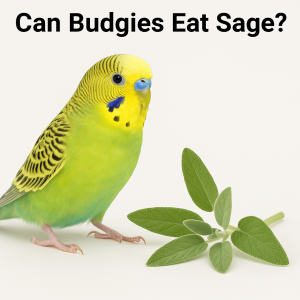
Quick answer: Yes, budgies can eat sage in small amounts as an occasional treat. Sage is non-toxic to budgies and contains beneficial compounds, but it should be offered sparingly due to its strong flavour and potential digestive effects. Always introduce sage gradually and monitor your budgie’s reaction to ensure it enjoys this herb safely.
Affiliate disclosure: This article may contain affiliate links. If you purchase through them, we may earn a small commission at no extra cost to you. We only recommend items that support safe, evidence-informed budgie care.
Deeper Context: Why Consider Sage for Your Budgie?
Budgies, also known as parakeets, thrive on a varied diet that includes seeds, pellets, fruits, vegetables, and occasionally herbs. Sage (Salvia officinalis) is a popular culinary herb known for its aromatic leaves and potential health-supporting properties in humans. But is it suitable for your budgie?
Herbs like sage can add diversity to your budgie’s diet, stimulating their senses and providing natural enrichment. However, not all herbs are safe or beneficial for birds, so understanding sage’s profile is essential before offering it.
What Makes Sage Interesting for Budgies?
- Natural antioxidants: Sage contains flavonoids and phenolic acids.
- Digestive support: Traditionally used to aid digestion in humans.
- Low toxicity: Generally safe in small quantities for birds.
Nutrition and Key Compounds in Sage
Sage leaves are packed with several bioactive compounds that contribute to their aroma and potential health effects. Here’s a quick breakdown:
| Compound | Role/Benefit | Relevance to Budgies |
|---|---|---|
| Flavonoids (e.g., apigenin, luteolin) | Antioxidants that may reduce oxidative stress | May support cellular health in small doses |
| Essential oils (thujone, cineole) | Provide aroma and flavour; some have antimicrobial properties | Can be strong; excessive amounts may irritate |
| Vitamins (A, C, K) | Support immune function and blood clotting | Contribute to overall nutrition when fed occasionally |
| Minerals (calcium, iron, magnesium) | Important for bone health and metabolism | Helpful in small amounts as part of a balanced diet |
Risks & Contraindications: What to Watch Out For
Although sage is generally safe, there are some risks and precautions to keep in mind:
- Strong flavour: Budgies may reject sage if introduced abruptly due to its pungent taste.
- Essential oil sensitivity: High doses of thujone, a compound in sage, can be toxic in large quantities.
- Allergic reactions: Rare but possible; monitor for sneezing, itching, or respiratory distress.
- Digestive upset: Overfeeding sage may cause mild stomach discomfort or diarrhoea.
Preparation & Serving: How to Safely Offer Sage to Your Budgie
Follow this step-by-step guide to prepare sage for your budgie:
- Source fresh, organic sage: Avoid pesticides and chemicals.
- Wash thoroughly: Rinse leaves under cool water to remove dirt and residues.
- Dry gently: Pat dry with a clean towel or let air dry to prevent mould.
- Remove tough stems: Only offer soft leaves to your budgie.
- Cut into small pieces: Make it easier for your budgie to nibble.
- Introduce gradually: Offer a small piece alongside familiar foods.
- Observe your budgie: Watch for acceptance and any adverse reactions.
Checklist for Preparing Sage
- Fresh, organic sage leaves
- Clean water for washing
- Clean towel or drying rack
- Sharp scissors or knife
- Clean serving dish or feeding area
Portion & Frequency: How Much Sage is Safe?
Budgies have tiny digestive systems, so moderation is key. Use the table below as a guideline for serving sage:
| Budgie Size | Recommended Portion | Frequency |
|---|---|---|
| Single budgie (30-40g) | 1-2 small leaves or equivalent (approx. 0.5g) | Once or twice a week |
| Pair or small group | 3-5 small leaves total | Once or twice a week |
| Large aviary (5+ budgies) | 5-10 small leaves | Once a week maximum |
Signs of Problems & What To Do
After introducing sage, monitor your budgie closely for any signs of discomfort or adverse effects:
- Loss of appetite or refusal to eat
- Diarrhoea or loose droppings
- Excessive sneezing or nasal discharge
- Itching, feather plucking, or skin irritation
- Lethargy or unusual behaviour
Vet Guidance: When to Seek Professional Advice
Always consult an avian vet if you are unsure about feeding sage or if your budgie shows any adverse reactions. Your vet can provide tailored advice based on your budgie’s health status and dietary needs.
Regular check-ups help ensure your budgie’s diet is balanced and safe. If you want to expand your budgie’s herb repertoire, your vet can recommend safe options and appropriate serving sizes.
FAQs About Budgies and Sage
Q: Can dried sage be given to budgies?
A: Yes, dried sage is safe but less nutritious and aromatic than fresh leaves. Use only small amounts.
Q: Is sage good for budgie respiratory health?
A: While sage has traditional uses for respiratory support in humans, there is no scientific evidence that it benefits budgies’ respiratory systems.
Q: Can baby budgies eat sage?
A: It’s best to avoid giving sage to very young or newly weaned budgies until their digestive systems are more developed.
Q: Are there any herbs budgies should avoid?
A: Yes, some herbs like onion, garlic, and chives are toxic to budgies and must be avoided.
Related Articles
- Can Budgies Eat Carrot
- Budgie Molting Guide
- Safe Herbs for Budgies
- Budgie Diet Essentials
{AMAZON_TAG}
Key Takeaways
- Sage is safe for budgies when offered fresh or dried in small, occasional amounts.
- Introduce sage gradually and watch for any adverse reactions.
- Use sage as a treat, not a dietary staple, to add variety and enrichment.
- Avoid sage extracts or oils, which can be harmful to budgies.
- Consult an avian vet if you have concerns or if your budgie shows signs of illness after eating sage.
Recommended on Amazon
We’ve hand-picked useful items related to Can Budgies Eat Sage?.
Also read
- Can Budgies Eat Xylitol?
- Can Budgies Eat White Chocolate?
- Can Budgies Eat Walnuts?
- Can Budgies Eat Vinegar?
- Can Budgies Eat Turmeric Safely? A Complete Guide to Feeding Turmeric to Your Pet Bird