
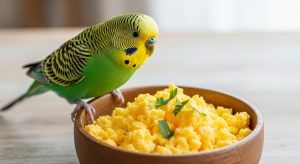
Picture this: you’re sitting down to a lovely weekend breakfast, maybe some scrambled eggs on toast. Your little budgie is out of their cage, perched on your shoulder, chirping away and eyeing your plate with intense curiosity. A thought crosses your mind: “Can my feathered friend have a bite of this?” It seems a bit strange, right? A bird eating an egg? But you’d be surprised.
Well, get ready to have your mind blown, because the short answer is a resounding yes! Budgies can absolutely eat eggs, and what’s more, they can be an incredibly nutritious and beneficial treat when prepared correctly. It’s not just a quirky snack; it’s a powerhouse of protein and essential vitamins that can significantly boost your bird’s health.
In this ultimate guide, we’re going to crack open this topic completely. We’ll explore the amazing nutritional benefits of eggs, detail the exact safe ways to prepare them (and the dangerous ways to avoid), determine the perfect portion size, and answer all your burning questions. Get ready to add a fantastic new item to your budgie’s treat rotation!
The Surprising Answer: Yes, Budgies Can Eat Eggs!
It might feel a little counterintuitive to feed an egg to a bird, but it’s not as unnatural as it seems. In the wild, many bird species are opportunistic eaters. While budgies primarily eat seeds, grasses, and plant matter, some birds will occasionally raid the nests of others for eggs, a nutrient-dense food source. Domesticated budgies, of course, have different dietary needs, but the biological capacity to benefit from eggs remains.
For our pet budgies, cooked egg is a supplemental food that provides a concentrated source of nutrients that can be particularly beneficial during stressful periods like molting, breeding, or recovering from an illness. It’s a way to supercharge their diet, offering a different profile of amino acids and vitamins than their typical seed or pellet mix.
Key Takeaway: Don’t think of eggs as a daily meal. Think of them as a special, protein-packed supplement that offers a host of health benefits when served in moderation.
Nutritional Breakdown: Why Eggs are a Budgie Superfood
So, what exactly makes a simple chicken egg so great for a tiny budgie? It’s all about the incredible density of high-quality, easily digestible nutrients packed inside that shell. Let’s break down the benefits.
A Powerhouse of Protein
Eggs are one of the best sources of complete protein, meaning they contain all the essential amino acids your budgie needs. Protein is the fundamental building block of life, crucial for:
- Feather Growth: Feathers are made of over 90% protein (keratin). During a molt, a budgie’s protein requirements skyrocket. Supplementing with egg can lead to healthier, stronger, and more vibrant feathers.
- Muscle Development: Strong muscles are vital for flight and overall activity. Protein ensures your budgie stays strong and agile.
- Tissue Repair: It aids in the healing and maintenance of all body tissues, from skin to internal organs.
Vitamins Galore
The yolk, in particular, is a treasure trove of essential vitamins that support numerous bodily functions:
- Vitamin A: Critical for good vision, a healthy respiratory system, and a robust immune response. A deficiency can lead to significant health issues.
- Vitamin D3: This is a big one. Vitamin D3 is essential for the body to absorb and utilize calcium. Without it, even a calcium-rich diet is useless. It’s vital for strong bones and, in female birds, for producing strong eggshells.
- Vitamin B12: Supports energy metabolism and healthy nerve function.
- Riboflavin (B2) & Folate (B9): These B-vitamins play roles in everything from energy production to cellular growth.
Essential Minerals
Both the egg and its shell provide crucial minerals for your budgie’s health:
- Calcium: The shell is almost pure calcium carbonate. Calcium is the most important mineral for birds, required for strong bones, proper muscle function, and nerve signaling. Female budgies, especially, need ample calcium for egg-laying.
- Phosphorus: Works in tandem with calcium to build and maintain the skeletal system.
- Selenium & Zinc: These are powerful antioxidants that support the immune system and protect cells from damage.
When you consider all these components together, it’s clear why eggs can be one of the 7 surprising budgie superfoods you didn’t know about, offering a holistic boost to their well-being.
How to Prepare Eggs Safely for Your Budgie
This is the most important section. You can’t just crack an egg into your budgie’s food bowl. Preparation is key to making this treat safe and healthy.
The Golden Rule: Always Cooked, Never Raw!
Under no circumstances should you ever feed your budgie raw egg. Raw eggs can carry harmful bacteria like Salmonella and E. coli, which can be devastating to a budgie’s delicate digestive system and potentially fatal. The cooking process kills these dangerous pathogens, making the egg safe to consume.
Best Cooking Methods for Budgies
Simplicity is your best friend here. No fancy omelets or fried creations.
Hard-Boiled Eggs
This is the gold standard—the easiest, safest, and most recommended method.
- Boil: Place an egg in a saucepan, cover with water, and bring to a rolling boil. Let it boil for at least 10-12 minutes to ensure the yolk is completely cooked through.
- Cool: Immediately place the egg in a bowl of ice water or run it under cold water. This stops the cooking process and makes it easier to peel.
- Peel: Remove the shell (and save it!).
- Mash: Using a fork, mash a small piece of the boiled egg (both yolk and white) into a fine, crumbly texture. This makes it easy for your budgie to eat and prevents them from choking on large pieces.
Scrambled Eggs (The Right Way)
You can also scramble eggs, but you have to follow strict rules. This means no additives whatsoever.
- NO oil, butter, or cooking spray.
- NO salt, pepper, or other seasonings.
- NO milk, cream, or cheese. Budgies are lactose intolerant.
Simply crack the egg into a non-stick pan over low heat. Use a spatula to scramble it until it’s fully cooked. You can add a drop of water to the pan to prevent sticking if necessary. Let it cool completely before chopping it into tiny, budgie-sized pieces.
What About the Eggshell?
Don’t throw that shell away! It’s a fantastic, natural source of calcium. However, it also needs proper preparation to be safe.
- Wash: Rinse the shell thoroughly, inside and out, to remove any remaining egg white.
- Sterilize: Spread the shell pieces on a baking sheet and bake them in an oven at around 250°F (120°C) for 10-15 minutes. This kills any surface bacteria.
- Crush: Once cooled, crush the shell into a very fine powder. You can use a mortar and pestle, a coffee grinder (used only for this purpose), or place the shells in a plastic bag and crush them with a rolling pin. The goal is a sand-like texture to prevent any sharp edges.
You can then sprinkle this calcium powder over your budgie’s regular food or the mashed egg itself.
Serving Suggestions and Portion Control
Now for the fun part: serving this delicious treat! But remember, with great treats comes great responsibility. Moderation is crucial.
How Much Egg is Too Much?
Eggs are rich and high in fat and protein. Overfeeding can lead to obesity and other health problems. For a single budgie, a very small amount is sufficient.
- Serving Size: About half a teaspoon of mashed, cooked egg.
- Frequency: Once or, at most, twice a week.
This isn’t a main course; it’s a supplement. It should only form a tiny part of the 7 essential elements of a balanced budgie meal, which should be centered on high-quality pellets, fresh vegetables, and a controlled amount of seeds.
Creative Ways to Serve Eggs
If your budgie is hesitant, you can try mixing things up. This is also where you can get creative and make treat time more enriching.
- The Classic Mash: Serve the finely mashed egg in a small, separate treat dish.
- Veggie Scramble: Mix the mashed egg with finely chopped, budgie-safe vegetables like carrots, bell peppers, or zucchini. This is an excellent trick, as learning 7 proven ways to get your budgie to try new foods often involves pairing the new item with a familiar favorite.
- Seed & Shell Sprinkle: Mix the sterilized, crushed eggshell powder directly into their daily seed or pellet mix for a seamless calcium boost.
- “Egg Salad” for Budgies: For a truly special treat, mash the boiled egg with a tiny amount of plain, cooked, and mashed sweet potato. It creates a nutrient-rich mash they’ll love. This is a great example of one of the 10 best homemade budgie treats you can make.
Potential Risks and What to Avoid
While eggs are healthy, there are pitfalls to avoid to ensure your budgie’s safety.
The Most Important Rule: When preparing food for your budgie, plain is always the name of the game. Their bodies are not designed to process the additives we humans enjoy.
NEVER add any of the following to the egg:
- Salt
- Pepper
- Oils or Butter
- Milk, Cream, or Cheese
- Onion or Garlic (these are toxic to birds)
- Any other spices, herbs, or seasonings
Hygiene is Non-Negotiable: Egg is a food that spoils quickly and can grow bacteria at room temperature. Always remove any uneaten egg from the cage within 1-2 hours of serving it. Letting it sit all day is a health hazard and one of the common 10 budgie cage mistakes most owners don’t realize they’re making.
Frequently Asked Questions (FAQ)
Can my budgie eat fried eggs?
No. Frying requires oil or butter, which are pure fat and are extremely unhealthy for a budgie’s liver and cardiovascular system. Stick to boiling or plain scrambling.
Can my budgie eat egg yolk only? Or just the white?
They can eat both parts. The white is almost pure protein, while the yolk contains the fats, vitamins, and minerals. Serving a little of both provides the most balanced nutritional benefit.
My budgie won’t try eggs. What should I do?
Patience! Budgies can be neophobic (afraid of new things). Try mixing a minuscule amount with a food they already love, like their favorite seeds or a sprig of millet. You can also try eating some of the plain, mashed egg in front of them to show them it’s food. They often learn by example.
Is it okay to feed eggs to a breeding or molting budgie?
Absolutely! In fact, these are the times when it is most beneficial. The increased demand for protein and calcium during molting and egg-laying makes cooked egg an ideal supplemental food. You might even increase the frequency slightly to twice a week during these periods.
Conclusion: The Egg-cellent Addition to Your Budgie’s Diet
So, can budgies eat eggs? The answer is a clear and enthusiastic yes. This common breakfast food is, unexpectedly, a nutritional powerhouse for our small feathered companions.
Let’s recap the essentials:
- Nutrient-Rich: Eggs provide high-quality protein, essential vitamins like A and D3, and crucial minerals.
- Preparation is Key: Always serve eggs thoroughly cooked (hard-boiled is best) with absolutely no additives like salt, oil, or milk.
- Don’t Forget the Shell: The sterilized and crushed shell is a fantastic source of natural calcium.
- Moderation Matters: Treat egg as a special supplement, serving a small amount (about half a teaspoon) just once or twice a week.
By following these guidelines, you can safely introduce this surprising superfood into your budgie’s life. It’s a wonderful way to add variety, boost their health, and provide them with the building blocks they need for vibrant feathers, strong bones, and a long, happy life by your side.