
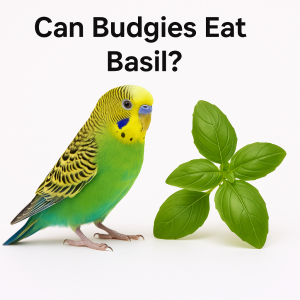
Quick answer: Yes, budgies can eat basil in moderation. Fresh basil leaves are safe and can be a nutritious, aromatic treat for your budgie, offering vitamins and antioxidants. However, it should only be given occasionally and in small amounts to avoid digestive upset. Always introduce basil gradually and ensure it is pesticide-free and thoroughly washed.
Affiliate disclosure: This article may contain affiliate links. If you purchase through them, we may earn a small commission at no extra cost to you. We only recommend items that support safe, evidence-informed budgie care.
Deeper Context: Why Consider Basil for Your Budgie?
Basil is a popular herb known for its fragrant aroma and culinary uses. But can this herb be a beneficial addition to your budgie’s diet? Budgies, also known as parakeets, thrive on a varied diet that includes seeds, pellets, fruits, and vegetables. Adding fresh herbs like basil can provide extra nutrients and sensory enrichment.
Before introducing any new food, it’s important to understand its effects on your bird’s health. Basil contains essential oils and compounds that may offer mild health benefits, but moderation is key.
What Is Basil?
Basil (Ocimum basilicum) is an aromatic herb commonly used in cooking. It belongs to the mint family and is rich in vitamins such as vitamin K, vitamin A, and antioxidants. Its strong scent and flavour can stimulate your budgie’s senses, encouraging natural foraging behaviour.
Nutrition and Compounds in Basil
Basil is packed with nutrients that can support your budgie’s wellbeing when fed appropriately:
- Vitamin K: Important for blood clotting and bone health.
- Vitamin A: Supports vision, skin, and immune function.
- Antioxidants: Help combat oxidative stress and support overall health.
- Essential oils: Such as eugenol, which have mild antimicrobial properties.
Risks & Contraindications
Despite its benefits, basil must be given with caution. Here are some potential risks and considerations:
- Digestive upset: Too much basil can cause stomach discomfort or diarrhoea in budgies.
- Essential oils sensitivity: Some budgies may be sensitive to the strong oils in basil, leading to irritation.
- Pesticides and contaminants: Non-organic basil may carry harmful chemicals.
Preparation & Serving: Step-by-Step Guide
To safely offer basil to your budgie, follow these simple steps:
- Choose fresh basil: Select fresh, pesticide-free basil leaves from a trusted source.
- Wash thoroughly: Rinse the leaves under cold water to remove any dirt or residues.
- Dry the leaves: Pat dry with a clean towel or let air dry to prevent mould growth.
- Remove stems: Stems can be tough and harder to digest, so offer only the leaves.
- Cut into small pieces: Chop the leaves into bite-sized pieces to make eating easier.
- Introduce gradually: Offer a small piece initially to observe your budgie’s reaction.
- Monitor intake: Ensure your budgie does not overeat basil and watch for any adverse effects.
Preparation Checklist
- Fresh, organic basil leaves
- Clean water for washing
- Clean cutting board and knife
- Small bowl or plate for serving
- Observation journal to track reactions
Portion & Frequency Recommendations
Budgies are small birds, so portion control is essential to avoid digestive issues. Here’s a simple guideline:
| Budgie Size | Basil Portion | Frequency |
|---|---|---|
| Single Budgie | 1-2 small leaves (chopped) | 2-3 times per week |
| Pair or Small Group | 3-5 small leaves (chopped) | 2-3 times per week |
Signs of Problems & What To Do
After introducing basil, watch your budgie carefully for any signs of adverse reactions:
- Diarrhoea or loose droppings
- Loss of appetite
- Excessive scratching or irritation around the beak or mouth
- Lethargy or unusual behaviour
Vet Guidance: When to Seek Professional Advice
While basil is generally safe, it’s always wise to consult your vet before adding new foods to your budgie’s diet, especially if your bird has pre-existing health conditions.
Contact your avian vet if:
- Your budgie shows signs of illness after eating basil.
- You are unsure about the safety of any herb or food.
- You want personalised dietary advice for your budgie’s specific needs.
Regular check-ups help ensure your budgie’s diet supports their long-term health and happiness.
FAQs About Budgies and Basil
- Can budgies eat dried basil?
- Dried basil is less aromatic and may be harder for budgies to digest. Fresh basil is preferred.
- Is basil safe for baby budgies?
- It’s best to wait until young budgies are eating solid foods well before introducing basil, and then only in very small amounts.
- Can basil replace vegetables in my budgie’s diet?
- No, basil should be a treat or supplement, not a replacement for a balanced vegetable intake.
- Are there any herbs budgies should avoid?
- Yes, some herbs like onion, garlic, and chives are toxic to budgies and should never be fed.
- How can I grow basil safely for my budgie?
- Grow basil indoors or in a pesticide-free garden, and avoid using chemical fertilisers or sprays.
Additional Resources
- Learn more about safe vegetables for budgies: Budgie Vegetable Guide
- Discover how to introduce new foods safely: Introducing New Foods to Budgies
- Understand budgie health basics: Budgie Health and Wellness
- Explore other herbs safe for budgies: Safe Herbs for Budgies
- Check out our guide on budgie molting nutrition: Budgie Molting Guide
{AMAZON_TAG}
Key Takeaways
- Basil is safe for budgies when offered fresh, pesticide-free, and in moderation.
- It provides vitamins and antioxidants that can support your budgie’s health.
- Always wash basil thoroughly and remove stems before feeding.
- Introduce basil gradually and watch for any signs of digestive upset or allergies.
- Consult your avian vet if you have concerns or if your budgie shows adverse reactions.
- Use basil as a treat or supplement, not a staple food.
Recommended on Amazon
We’ve hand-picked useful items related to Can Budgies Eat Basil?.
Also read
- Can Budgies Eat Xylitol?
- Can Budgies Eat White Chocolate?
- Can Budgies Eat Walnuts?
- Can Budgies Eat Vinegar?
- Can Budgies Eat Turmeric Safely? A Complete Guide to Feeding Turmeric to Your Pet Bird