
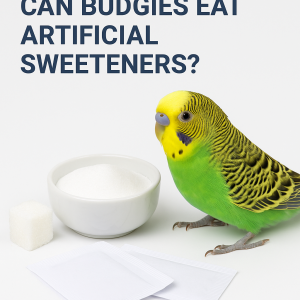
Quick answer: No. Budgies should not be given artificial sweeteners or sugar-free human foods. They add no nutritional value, some may be risky for small birds, and xylitol exposure should be treated as urgent.
Affiliate disclosure: This article may contain affiliate links. If you purchase through them, we may earn a small commission at no extra cost to you. We only recommend items that support safe, evidence-informed budgie care.
Deeper Context: Why the Question of Artificial Sweeteners Matters
Artificial sweeteners are common in many human foods and drinks, often used as sugar substitutes to reduce calories. But when it comes to feeding our feathered friends, what’s safe for us isn’t always safe for them. Budgies have delicate digestive systems and specific dietary needs that differ significantly from humans.
Understanding whether artificial sweeteners are safe for budgies is crucial because accidental exposure can lead to health issues. Many pet owners wonder if these sweeteners can be used to encourage picky eaters or as a treat alternative. Let’s explore the facts.
What Are Artificial Sweeteners?
- Saccharin: One of the oldest artificial sweeteners, often found in diet sodas and sweetener packets.
- Aspartame: Common in many “sugar-free” products.
- Sucralose: Known by the brand name Splenda, widely used in baking and beverages.
- Stevia: A natural sweetener derived from the stevia plant, often considered safer but still controversial for birds.
Nutrition & Compounds: What Budgies Need vs. What Artificial Sweeteners Provide
Budgies thrive on a balanced diet rich in seeds, fruits, vegetables, and specialized pellets. Their nutritional needs include:
- Vitamins A, D, E, and K
- Calcium and phosphorus
- Proteins and essential amino acids
- Natural sugars from fruits (in moderation)
- Healthy fats
Artificial sweeteners, however, provide no nutritional value. They are chemically synthesized compounds designed to mimic the taste of sugar without calories. For budgies, these compounds can:
- Interfere with natural metabolism
- Cause digestive upset
- Potentially be toxic
How Budgies Process Sugars and Sweeteners
Budgies naturally consume sugars from fruits and vegetables, which are metabolised differently than artificial sweeteners. Their digestive systems are not equipped to handle synthetic compounds, which can lead to adverse reactions.
Risks & Contraindications: Why Artificial Sweeteners Are a No-Go
Feeding artificial sweeteners to budgies carries several risks:
- Toxicity: Some sweeteners like xylitol are highly toxic to birds and can cause severe health problems or death.
- Digestive Issues: Vomiting, diarrhoea, and gut flora imbalance can result from exposure.
- Behavioural Changes: Some birds may develop unusual behaviours or appetite loss.
Even small amounts of artificial sweeteners can be harmful. It’s best to avoid any products containing these additives.
Preparation & Serving: Safe Alternatives to Artificial Sweeteners
Instead of artificial sweeteners, offer your budgie natural treats that are both safe and nutritious. Here’s how to prepare and serve them:
- Choose fresh fruits: Apples (without seeds), pears, berries, and melons are great options.
- Wash thoroughly: Remove pesticides and dirt by rinsing fruits and vegetables under cold water.
- Cut into small pieces: Make sure the pieces are bite-sized to prevent choking.
- Remove seeds and pits: Many seeds and pits contain toxins harmful to budgies.
- Offer in moderation: Treats should not exceed 10% of your budgie’s daily diet.
Checklist: Preparing Safe Budgie Treats
- ✔ Select bird-safe fruits and vegetables
- ✔ Wash produce thoroughly
- ✔ Remove seeds, pits, and stems
- ✔ Cut into manageable pieces
- ✔ Serve fresh or frozen
- ✔ Avoid any processed or artificially sweetened foods
Portion & Frequency: How Much and How Often?
Budgies have small stomachs and need a balanced diet. Treats should be given sparingly to avoid nutritional imbalances.
| Treat Type | Recommended Portion | Frequency |
|---|---|---|
| Fresh fruit pieces | 1-2 small pieces (e.g., apple slice) | 2-3 times per week |
| Fresh vegetables (e.g., carrot, broccoli) | Small floret or slice | Daily or every other day |
| Pellets and seeds | Ad libitum (as per diet guidelines) | Daily |
Signs of Problems & What To Do
If your budgie accidentally ingests artificial sweeteners or shows signs of illness, watch closely for symptoms such as:
- Vomiting or regurgitation
- Diarrhoea or loose droppings
- Loss of appetite
- Unusual lethargy or weakness
- Respiratory distress or unusual breathing
Vet Guidance: When to Seek Professional Help
Always consult an avian veterinarian if you notice any abnormal behaviour or symptoms after your budgie has been exposed to questionable foods. Your vet can:
- Perform diagnostic tests
- Provide supportive care such as fluids or medications
- Advise on safe dietary practices
Regular check-ups and open communication with your vet help ensure your budgie’s diet remains safe and balanced.
FAQs
- Can stevia be given to budgies?
- Stevia is a natural sweetener but is not recommended for budgies due to insufficient research on its safety.
- Are natural sugars safe for budgies?
- Yes, natural sugars from fruits and vegetables are safe in moderation and provide essential nutrients.
- What should I do if my budgie eats something with artificial sweeteners?
- Contact your avian vet immediately and monitor your bird for any signs of distress.
- Can artificial sweeteners cause long-term health issues in budgies?
- Potentially yes, as they may disrupt metabolism and cause organ damage, but research is limited. Avoidance is best.
- What are safe sweet treats for budgies?
- Fresh fruits like apple slices (without seeds), berries, and small amounts of carrot or sweetcorn are safe and healthy.
Key Takeaways
- Artificial sweeteners are unsafe and potentially toxic for budgies.
- Budgies require a balanced diet with natural sugars from fruits and vegetables.
- Always prepare treats carefully by washing and removing harmful parts.
- Monitor your budgie for signs of illness if accidental ingestion occurs.
- Consult an avian vet promptly for any health concerns.
- Use natural, bird-safe foods to keep your budgie happy and healthy.
For more on budgie nutrition and safe treats, check out [[link:Can Budgies Eat Carrot]] and [[link:Budgie Molting Guide]].
{AMAZON_TAG}
Recommended on Amazon
We’ve hand-picked useful items related to Can Budgies Eat Artificial Sweeteners? (Safe, Benefits & Ti….