
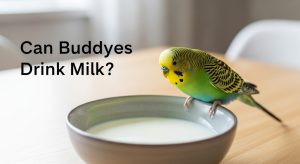
Can Budgies Drink Milk? The Surprising Truth Every Owner Needs to Know
As a budgie owner, you may have wondered if your feathered friend can enjoy the same treats as other pets, like a refreshing sip of milk. It’s a common question, and one that deserves a closer look. In this comprehensive guide, we’ll dive into the science behind why milk and budgies simply don’t mix, the potential health risks, and what your budgie should be drinking instead to stay happy and healthy.
The Biological Reason Budgies Can’t Digest Milk
The core of the issue lies in one simple biological fact: birds are not mammals. This fundamental difference is why a drink that nourishes baby mammals can be harmful to a budgie.
Understanding Lactose Intolerance in Budgies
Milk contains a specific type of sugar called lactose. For mammals (including humans) to digest this sugar, our bodies produce an enzyme called lactase. This enzyme breaks down lactose into simpler sugars that can be easily absorbed into the bloodstream for energy.
Here’s the catch: budgies, like virtually all birds, do not produce the lactase enzyme. Mammals produce it to digest their mother’s milk when they are young. Since birds hatch from eggs and are not nursed by their mothers, their bodies have no biological need or mechanism to process lactose.
Think of it like this: trying to give a budgie milk is like trying to run a diesel engine on gasoline. The system simply isn’t equipped to process the fuel, and the result is a breakdown.
What Happens When a Budgie Ingests Milk?
When a budgie drinks milk, the undigested lactose sits in their digestive tract. Instead of being absorbed, it ferments. This fermentation process causes a cascade of painful and potentially dangerous symptoms:
- Severe Diarrhea: This is the most common and immediate symptom. The body tries to flush out the undigested substance, leading to watery droppings. For a tiny bird, diarrhea can quickly lead to severe dehydration and electrolyte loss. Keeping an eye on changes in their droppings is crucial for monitoring their health.
- Bloating and Gas: The fermentation process creates gas, which can cause painful bloating and abdominal discomfort for your bird. You might notice them looking puffed up or acting lethargic.
- Stomach Cramps: While your budgie can’t tell you their tummy hurts, signs of pain include restlessness, loss of appetite, and irritability.
- Dehydration: A direct consequence of diarrhea, dehydration is extremely dangerous for budgies and can weaken them significantly in a very short amount of time.
Even a small amount of milk can trigger this uncomfortable and harmful reaction.
Debunking Common Myths About Budgies and Dairy
Despite the clear science, there are still some persistent myths floating around. Let’s tackle them one by one to ensure there’s no confusion.
Myth #1: “But my budgie seems to like it!”
Budgies are naturally curious creatures. They might be attracted to the liquid texture, the white color, or simply the fact that you are paying attention to it. Their interest does not equal a sign that it’s good for them. A toddler might love the taste of candy, but that doesn’t mean it should be the main part of their diet. Your budgie relies on you to make the right nutritional choices for them.
Myth #2: “Just a tiny little sip can’t hurt.”
This is one of the most dangerous misconceptions. We have to think in terms of scale. A budgie weighs around 1 to 1.4 ounces (30-40 grams). A single drop of milk to a budgie is proportionally equivalent to a human drinking a significant amount. Because their digestive systems are so small and sensitive, even a tiny amount is enough to cause significant digestive upset. It’s far better to stick to treats you know are safe and avoid the risk entirely. Many human foods fall into the category of common but harmful treats.
Myth #3: “What about lactose-free milk, yogurt, or cheese?”
This is a great question that shows you’re thinking critically. Let’s break down these dairy variations:
- Lactose-Free Milk: While the primary culprit (lactose) has been removed, this milk is still not suitable for budgies. It’s high in fat and protein in ratios that are not designed for an avian diet. It offers zero nutritional benefits over their regular food and can contribute to weight gain and fatty liver disease.
- Yogurt and Cheese: The fermentation process used to make yogurt and some cheeses does break down some of the lactose. However, they are still dairy products and are extremely high in fat and often salt. These are processed foods that have no place in a budgie’s natural diet. The risks of obesity and other health complications far outweigh any perceived benefit.
The verdict is clear: all dairy products should be kept away from your budgie.
Healthy Hydration: What Your Budgie SHOULD Be Drinking
So, if milk is off the menu, what should your budgie be drinking? The answer is beautifully simple.
The Gold Standard: Fresh, Clean Water
The only liquid your budgie needs to thrive is fresh, clean water. It is essential for every single one of their bodily functions, from digestion and nutrient absorption to temperature regulation.
Here are some best practices for your budgie’s water supply:
- Change it Daily: Water can quickly become contaminated with food, droppings, and bacteria. A fresh supply every day is a must.
- Clean the Dish Thoroughly: Don’t just rinse the bowl. Wash it with soap and water daily to prevent biofilm (a slimy bacterial layer) from building up.
- Use a Suitable Dispenser: Both open dishes and sipper bottles work, but both must be kept scrupulously clean.
- Consider Filtered Water: If your tap water is high in chlorine or minerals, using filtered or bottled spring water is a safer choice.
Proper hydration is a cornerstone of your budgie’s health. Ensuring they have constant access to clean water is one of the most important things you can do as an owner, and there are several tips essential for their safe hydration.
A Note on Plant-Based “Milks” (Almond, Soy, Oat)
With the rise of plant-based alternatives, owners sometimes wonder if these are safe. While they don’t contain lactose, they are still not recommended. These alternative “milks” are often high in fat, sugar, and other additives that can upset a budgie’s delicate digestive system. Stick to fresh, clean water as the only suitable liquid for your feathered friend.
Important: This information is for educational purposes only. Always consult with a qualified avian veterinarian for specific health concerns about your budgie.