
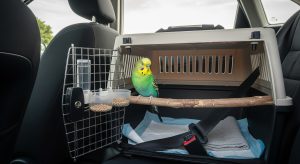
Hit the Road, Little Beak! Your Ultimate Guide to Stress-Free Budgie Travel
The open road calls! You’ve got your playlist ready, snacks packed, and destination plugged into the GPS. But as you glance over at your feathered friend chirping happily in their cage, a question pops into your head: Can my budgie come too? The thought of leaving them behind is heartbreaking, but the idea of a stressed-out, frightened bird in the car is just as bad. It’s a classic budgie-parent dilemma.
Let’s be real: for a tiny creature whose entire world is usually the living room, a car trip can feel like being abducted by aliens in a rumbling, vibrating spaceship. The motion, the strange noises, the rapidly changing scenery—it’s a lot for a sensitive little bird to handle. But don’t cancel your travel plans just yet! With the right preparation and a little bit of bird-centric thinking, a road trip can be a safe and manageable adventure for you both.
This guide is your complete roadmap to a smooth journey. We’ll cover everything from getting your budgie comfortable with the idea of travel long before you leave, to packing the perfect avian go-bag, to creating a calm oasis in your car. Get ready to turn travel anxiety into a bonding experience.
Phase 1: Pre-Trip Prep – The Foundation of a Calm Journey
You wouldn’t run a marathon without training, and you shouldn’t take your budgie on a road trip without some prep work. This phase is all about making the unfamiliar familiar and building positive associations. The more you prepare in the weeks leading up to your trip, the calmer your bird will be on the actual travel day.
H3: Acclimatize Your Budgie to the Travel Carrier
To your budgie, a travel carrier is a strange, new box. If their first experience with it is being suddenly placed inside and whisked away, they’ll naturally panic. The goal is to reframe the carrier as a safe, interesting space.
- Early Introduction: Bring the travel carrier out at least two weeks before your trip. Place it near their main cage where they can see it daily. Let it become a normal part of the furniture.
- Make it Inviting: Prop the door open securely and place some of their favorite treats, like a small spray of millet or a beloved toy, just inside the entrance. Curiosity will eventually win out.
- Positive Reinforcement: When you see your budgie venturing near or into the carrier, praise them in a happy, calm voice. Let them explore it on their own terms without forcing them inside.
- Short Practice Sessions: Once they seem comfortable with it, encourage them to step inside for a moment. Close the door for just 10-20 seconds, talk to them reassuringly, and then open it and offer a treat. Gradually increase the time they spend inside with the door closed over several days.
H3: The ‘Practice Drive’ Drill
Once your budgie is cool with being in the carrier, it’s time to introduce the car. This step desensitizes them to the motion and sounds of driving.
- Start by simply securing the carrier in the back seat (we’ll cover how to do this safely later) and sitting in the car with your budgie for a few minutes without turning the engine on.
- Next, try turning the engine on for a minute or two, then turning it off. Reward them with praise.
- Once they handle that, take a very short trip—literally just to the end of the driveway and back.
- Gradually build up to a 5-minute drive around the block. Then 10 minutes. Keep these initial trips short and sweet, and always end them by returning home and giving your budgie a special treat.
Pro Tip: The goal of these practice runs is to teach your budgie that the carrier and the car don’t always mean a scary, long journey. Sometimes, it just means a quick spin and a tasty snack!
H3: Consult Your Avian Vet
A quick pre-trip check-up is always a good idea. This ensures your budgie is in good health and fit for travel. It’s also the perfect time to ask questions. If you’re crossing state lines, some jurisdictions may require a health certificate, so be sure to check the regulations for your destination. This visit gives you peace of mind that your companion is ready for the adventure ahead.
Phase 2: Gearing Up – The Perfect Travel Setup
Having the right equipment is non-negotiable for a safe trip. Your budgie’s home cage is likely too large and unsafe for a vehicle, where sudden stops could cause injury. A dedicated travel carrier is a must-have investment.
H3: Choosing the Right Travel Cage
When selecting a carrier, think ‘cozy and secure’ rather than ‘spacious’. While at home you want to provide the ideal budgie cage size for ample room to play, in the car, less is more.
- Size: It should be large enough for your budgie to turn around comfortably but small enough that they won’t be thrown across the space during a sudden brake.
- Security: The door must have a secure latch that your clever bird can’t figure out how to open.
- Ventilation: Look for a carrier with good airflow on at least two or three sides to prevent overheating.
- Perches: It should have a low-set, sturdy perch. A textured or natural wood perch will offer a better grip than smooth plastic.
- Visibility: A carrier that allows your budgie to see you can be comforting, but avoid all-clear designs which can make birds feel too exposed.
H3: The Ultimate Budgie Road Trip Packing List
Packing for your budgie is like packing for a tiny toddler. You need to be prepared for everything. Here’s a checklist to ensure you don’t forget anything:
For the Carrier:
- ✅ The secured travel carrier itself
- ✅ Secure, spill-resistant food and water dishes
- ✅ A familiar, safe toy to provide comfort and distraction
- ✅ Paper towels or cage liner for the bottom
Food and Hydration:
- ✅ Their regular seed/pellet mix in an airtight container
- ✅ A bottle of water from home (to avoid digestive upset from different tap water)
- ✅ A spray of millet for in-car treats and rewards
- ✅ Hydrating snacks like small pieces of cucumber, apple, or melon
Comfort and First-Aid Kit:
- ✅ A lightweight, breathable cover (a cotton sheet works well)
- ✅ Bird-safe cleaning wipes for quick cleanups
- ✅ A small first-aid kit containing styptic powder, gauze, and your vet’s phone number
- ✅ Extra cage liners
Phase 3: On the Road – Creating a Calm Car Environment
Travel day is here! Your goal now is to make the car a calm, stable, and safe environment for your little passenger.
H3: Securing the Carrier Safely
This is a critical safety step. Never place the carrier on the front seat where an airbag could deploy. The back seat is the safest location.
- Place the carrier on the seat, ensuring it’s level.
- Run the seatbelt through the carrier’s handle or designated straps and click it in securely.
- Tug on the carrier to make sure it doesn’t slide or tip. Wedge towels around the base if you need extra stability.
H3: Managing Sensory Input
A car is a sensory overload for a budgie. Your job is to moderate that experience.
- Temperature: Keep the car at a comfortable, consistent temperature. Don’t place the carrier in direct sunlight or directly in front of an AC or heat vent.
- Noise: Turn the radio down to a low volume or play some calming classical music. Speak to your budgie in a soft, reassuring voice throughout the drive. Your calm tone will signal to them that everything is okay.
- Visuals: Partially cover the carrier with your lightweight sheet. This is a delicate balance. You want to block out the frightening blur of passing scenery but still allow for plenty of airflow and let them see you. Covering the sides facing the windows is often a good compromise.
H3: Pit Stops and Hydration
Plan to stop every 2-3 hours to check on your bird. These breaks are for more than just stretching your legs.
CRITICAL SAFETY WARNING: Never, under any circumstances, leave your budgie unattended in the car. A car’s interior temperature can become deadly in minutes, regardless of the weather outside. Also, never open the carrier door while you are outside the vehicle. A frightened budgie can escape in a flash and will be impossible to recover.
During a stop, with the car doors and windows securely closed, you can offer them a sip of water from their dish or a piece of a juicy snack. Check the carrier floor for any messes and do a quick spot-clean if needed.
Phase 4: Arrival and Settling In
You’ve made it! But the journey isn’t quite over for your budgie. Helping them decompress and adjust to the new location is the final, crucial step.
H3: Create a Safe, Quiet Space
Before you bring your own luggage in, get your budgie set up. Choose a quiet corner of the room for their carrier, away from open windows, doorways with heavy traffic, and direct sunlight. The initial setup is just as important as knowing the ultimate budgie cage setup ideas for a permanent home; it’s all about security.
Provide them with fresh food and their familiar water from home immediately. Let them rest in their carrier for a while to observe their new surroundings from a place of safety.
H3: Re-establish Routine as Soon as Possible
Budgies thrive on routine. The sooner you can re-establish it, the faster they will feel secure.
- Stick to their regular feeding times.
- Cover their cage at their normal bedtime to signal it’s time to sleep.
- Spend quiet time near their cage, talking to them gently or reading a book aloud. Your presence is comforting.
Don’t push for interaction. Let your budgie set the pace. They might be quiet and observant for the first day or so. This is normal. They are processing a huge amount of new information. Providing a calm and predictable environment is the best support you can give, similar to the principles used to keep your budgie entertained when you’re out—low stress is key.
Conclusion: Your Road Trip Co-Pilot
Taking your budgie on a road trip might seem daunting, but it is absolutely achievable. Success hinges on one core principle: thoughtful preparation. By methodically acclimatizing your bird to their carrier and the car, you transform a potentially terrifying event into a manageable one. Packing strategically, creating a stable environment in the car, and prioritizing their needs upon arrival are the pillars of a stress-free journey.
Remember to be patient and observant. Watch your budgie’s body language and trust your instincts. With these tips in your travel toolkit, you’re no longer just a driver; you’re a flock leader, guiding your tiniest family member safely to a new destination. The open road awaits you both!