
Quick answer: Budgies have distinct personalities. Some are bold, chatty and curious; others are cautious, quiet or strongly bonded to one person. Personality is shaped by genetics, age, handling, environment, sleep, diet and trust.
This guide helps you identify common budgie personality traits, what they mean, and how to support a shy, nervous, playful or demanding bird.
Table of Contents
Quick Answer: Do Male and Female Budgies Differ in Personality?
Why Do Budgies Have Different Cere Colours?
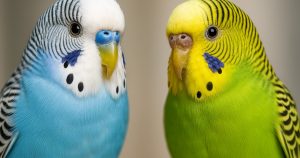
Budgies, also known as parakeets, have a distinctive cere—a fleshy area above the beak—that varies in colour based on gender. In males, the cere is usually blue or purple, reflecting hormonal influences that highlight their readiness for mating. Females, on the other hand, have brown or tan ceres, which can darken during breeding conditions. This physical characteristic is a reliable method for determining gender, especially in adult birds.
Deeper Insight into Cere Colours
The colour change is hormonally driven and serves as a visual cue for potential mates and rivals. Male budgies develop brighter blue or purple ceres as they reach sexual maturity, signaling their viability as partners. Meanwhile, the brown cere in females often correlates with reproductive readiness, darkening further when they are in breeding condition. Understanding these subtle nuances helps bird owners accurately determine the gender and health state of their budgies, which can be crucial for breeding programs or when pairing birds in the same aviary.
5 Personality Traits of Male Budgies
Trait 1: Vocal and Chatty
Male budgies are often more vocal than females. They enjoy mimicking sounds and can even learn to talk, making them entertaining companions. This inclination towards vocalization can be harnessed with regular interaction and training. To encourage talking, repeat words and phrases consistently in a calm tone. Males often respond well to high-pitched, enthusiastic voices, which mimic the sounds they naturally enjoy.
Trait 2: Social Butterflies
Males tend to be more sociable, thriving in environments where they can interact with other birds or humans. They often seek out attention and enjoy being in the center of activity. If you have multiple birds, you might notice males engaging in playful chases or active grooming sessions with their companions. This sociability can be a double-edged sword; while it’s delightful to watch, it also means that males may become anxious or bored if left alone for extended periods.
Trait 3: Playful Nature
Known for their playful antics, male budgies are curious and enjoy exploring their surroundings. Provide a variety of toys, such as bells, swings, and ladders, to satisfy their curiosity and prevent boredom. Rotate toys regularly to maintain their interest and keep their environment stimulating. Engaging in interactive play also strengthens the bond between you and your budgie, fostering trust and companionship.
Trait 4: Territorial Singing
Males often sing to establish and defend their territory, especially in the presence of other birds. This behavior is more pronounced during the breeding season or when they feel their space is being invaded. Understanding this trait can help mitigate potential conflicts if you have multiple males in close proximity. Providing ample space and individual perches can help ease territorial tensions.
Trait 5: Affectionate Behaviors
They frequently exhibit affectionate behavior towards their human caregivers, such as chirping and gentle pecking. Males often enjoy head scratches and may perch on your shoulder or hand as a sign of trust and affection. Building a strong relationship with your male budgie involves consistent and gentle interaction, rewarding positive behavior with treats or praise.
5 Personality Traits of Female Budgies
Trait 1: Assertive and Bold
Females are often more assertive and can dominate social interactions, particularly during breeding season. They are known to be decisive and may establish themselves as the leader in mixed-gender groups. This assertiveness can manifest as a preference for certain perches or food bowls, and in some cases, females may become protective of their territory.
Trait 2: Independent Nature
They tend to be more independent, preferring solitary play at times. Unlike their male counterparts, females can be content with their own company and are less reliant on constant interaction. Providing opportunities for solo exploration, such as a separate play area with safe toys and activities, can cater to their independent streak.
Trait 3: Nesting Instincts
Females exhibit strong nesting behaviors, which can include chewing and rearranging cage items. This instinct is particularly strong during breeding cycles, where they may start collecting materials to create a nest. Offering safe materials like paper or wood shavings can satisfy this nesting urge and prevent destructive behavior.
Trait 4: Less Vocal
While quieter, females communicate through subtle body language and occasional chirps. Observing their posture, wing movements, and eye contact can reveal much about their mood and intentions. This non-verbal communication can indicate contentment, curiosity, or irritation, guiding you in how best to interact with them.
Trait 5: Protective
They can be protective of their space and any potential nesting areas, showing more defensive behavior. This protectiveness is a natural instinct to safeguard their potential offspring and territory. Respecting their boundaries and providing ample space can minimize stress and aggression.
How to Identify Budgie Gender Through Cere Colour
Identifying a budgie’s gender through cere colour is straightforward, especially in mature birds. Here’s how:
Step 1: Observe the Cere Colour
- Males: Look for a vibrant blue or purple cere.
- Females: Identify a brown or beige cere, which may darken during breeding.
Step 2: Age Considerations
Juvenile budgies can have similar cere colours (light pink or purple), making gender identification more challenging until they mature. Typically, by the age of 3 to 4 months, the cere colours start to differentiate more noticeably, although some individuals may take longer.
Step 3: Behavioural Cues
Combine cere observation with behavioral tendencies for more accurate gender determination. Males are generally more vocal and sociable, while females exhibit nesting behaviors and assertiveness. Observing these behaviors alongside cere colour can provide a clearer indication of gender, especially in younger birds where cere differences are less pronounced.
Budgie Colours and Their Meanings
Budgies come in a variety of colours, each with distinct genetic backgrounds. While colour doesn’t directly affect personality, it can influence the bird’s popularity among breeders and pet owners.
| Colour | Best For | Why It Matters |
|---|---|---|
| Green (Wild) | Beginners | Most common, hardy and adaptive |
| Blue | Aesthetic Value | Popular for vibrant, eye-catching hues |
| Yellow | Rare Varieties | Unique, often pricier due to rarity |
| Albino | Enthusiasts | Pure white, requires specific care |
Colour and Breeding Preferences
Breeders often select specific colours to achieve desired traits or patterns. For instance, pairing certain hues can enhance or dilute the vibrancy of the offspring’s plumage. Understanding the genetic implications of colour can be fascinating for enthusiasts interested in breeding or collecting budgies with unique appearances. Additionally, some colours, like albino, require more attention due to potential health concerns related to their genetics, such as sensitivity to sunlight and vision issues.
[IMAGE: Infographic showing budgie colour variations]
Talking Ability: Male vs. Female Budgies
When it comes to talking ability, male budgies often have the upper hand. Here’s why:
The Male Advantage
- Mimicry Skills: Males are generally better at mimicking human speech and sounds. They are more likely to pick up on words and phrases, often repeating them with surprising clarity.
- Frequency of Practice: They practice more frequently, enhancing their vocabulary. This frequent practice is often part of their natural vocalization habits, which can be encouraged by interactive training sessions.
Female Capabilities
- Limited Vocabulary: While capable of learning words, females often have a smaller vocabulary. They may learn a few words or phrases but are more likely to use them sparingly.
- Focus on Communication: Females may prefer non-verbal communication methods, using body language and soft chirps to express themselves. Encouraging word learning in females involves patience and consistent repetition, rewarding attempts with treats.
Training Tips for Talking Budgies
Regardless of gender, the key to teaching a budgie to talk lies in regular, positive reinforcement. Use simple words and phrases, repeating them consistently in a calm and engaging manner. Start with words related to common activities or objects they encounter, such as “hello,” “food,” or their name. Reward attempts at mimicry with treats or head scratches to reinforce the behavior.
Common Mistakes Budgie Owners Make (AVOID THESE!)
Mistake #1: Ignoring Social Needs (60% of Owners)
The Problem: Budgies are social creatures that require interaction to thrive.
The Fix: Spend time daily with your budgie to foster a strong bond.
Warning Signs: Excessive chirping or plucking feathers.
Alternative: Introduce toys or get a companion budgie.
Mistake #2: Poor Cage Placement (45% of Owners)
The Problem: Placing cages in high-traffic areas can stress budgies.
The Fix: Position the cage in a quiet, secure location.
Warning Signs: Frequent fluttering or hiding.
Alternative: Cover the cage partially to create a sense of security.
Mistake #3: Neglecting Diet Variety (50% of Owners)
The Problem: Relying solely on seeds can lead to nutritional deficiencies.
The Fix: Offer a balanced diet that includes pellets, fruits, and vegetables.
Warning Signs: Dull feathers or lethargy.
Alternative: Introduce new foods gradually to ensure acceptance and monitor for any allergies.
Mistake #4: Overlooking Health Checks (40% of Owners)
The Problem: Skipping regular health checks can miss early signs of illness.
The Fix: Schedule annual vet visits and monitor for changes in behavior or appearance.
Warning Signs: Changes in droppings or weight.
Alternative: Keep a health log to track any concerns and share with your veterinarian.
Step-by-Step Guide: How to Bond with Your Budgie
Step 1: Establish Trust (1 week)
Spend time near the cage without attempting to touch the bird. Speak softly to build familiarity. This period is crucial for gaining your budgie’s trust, as sudden movements or loud noises can set back progress.
Step 2: Offer Treats (3-5 days)
Use millet or seeds to coax the budgie to your hand, reinforcing positive associations. Hold treats in your palm, allowing the budgie to approach at its own pace. Avoid sudden movements, and speak softly to encourage them.
Step 3: Encourage Step-Up (1 week)
Gently encourage the budgie to step onto your finger using treats as a reward. Place your finger near their chest and use a command like “step-up” consistently. Reward any attempts with praise or a small treat to reinforce the behavior.
Step 4: Playtime (2 weeks)
Introduce toys and engage in play to strengthen your bond. Use toys that stimulate their curiosity, such as puzzle toys or mirrors. Rotate toys regularly to keep their environment engaging and prevent boredom.
Step 5: Regular Interaction (Ongoing)
Continue daily interactions to maintain and deepen the relationship. Spend time talking, playing, and offering treats to reinforce your bond. Regular interaction not only strengthens your relationship but also helps monitor your budgie’s health and well-being.
Budgie Care Comparison: Male vs. Female
| Aspect | Male Budgies | Female Budgies |
|---|---|---|
| Social Needs | High; need interaction | Moderate; enjoy solitude |
| Vocalization | Frequent, diverse | Infrequent, subtle |
| Cage Setup | Toys and mirrors | Nesting materials |
| Health Checks | Regular, less nesting-related | Regular, focus on nesting issues |
Detailed Care Considerations
- Social Needs: Males thrive on interaction and may require more time and attention to prevent loneliness. Females, while also social, can often entertain themselves and may enjoy periods of solitude.
- Vocalization: Males tend to vocalize more frequently and may require training to manage excessive noise. Females, being quieter, can communicate effectively through body language and soft chirps.
- Cage Setup: Males benefit from a variety of toys to stimulate their playful nature, while females appreciate materials that allow them to satisfy their nesting instincts.
- Health Checks: Regular health checks are important for both genders, but females may require additional monitoring during breeding cycles to prevent egg-binding and other nesting-related health issues.
[CHART: Comparison of care needs]
Expert Tips from Avian Specialists
Dr. James Lee, Ornithologist: “Understanding your budgie’s personality can enhance your bond. Observe their behavior closely for cues. Each budgie is unique, and recognizing their individual needs and preferences is key to fostering a happy, healthy relationship.”
Frequently Asked Questions (Expert Answers)
How can I tell if my budgie is male or female?
Check the cere colour; males have blue or purple ceres, while females have brown.
Can female budgies talk as well as males?
Females can learn words but generally have a smaller vocabulary compared to males.
How often should I interact with my budgie?
Daily interaction is recommended to keep your budgie happy and healthy.
What colours do budgies come in?
Budgies come in green, blue, yellow, and albino varieties, among others.
Is it better to have a male or female budgie?
It depends on your preference for their personality traits and talking ability.
Why is my female budgie not as vocal?
Females are naturally less vocal and communicate through other means.
Can budgies recognize their owners?
Yes, budgies can recognize their owners through voice and appearance.
What is the best diet for budgies?
A mix of seeds, pellets, fruits, and vegetables is ideal for balanced nutrition.
How can I make my budgie talk?
Repetition, patience, and positive reinforcement with treats can encourage talking.
Do budgies need companions?
While not necessary, having a companion can enrich their social environment.
How do I prevent my budgie from becoming bored?
Rotate toys regularly and introduce new activities to keep your budgie engaged.
What should I do if my budgie seems stressed?
Create a calm environment, reduce noise, and spend quiet time with them to alleviate stress.
Key Takeaways: Budgie Personality Differences Checklist
Related Articles You’ll Love
Medical/Expert Disclaimer
About This Guide
Recommended Products
- 5 Personality Traits of Male Budgies#5-personality-traits-of-male-budgies
- 5 Personality Traits of Female Budgies#5-personality-traits-of-female-budgies
- Budgie Colours and Their Meanings#budgie-colours-and-their-meanings
- Talking Ability
- Quick Answer
- Step-by-Step Guide
- Budgie Care Comparison
- Expert Tips from Avian Specialists#expert-tips-from-avian-specialists