
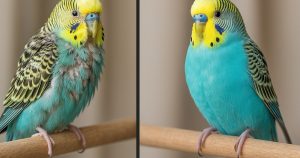
Quick answer: A young budgie’s first molt can include changes around the head bars, new pin feathers and extra feather shedding. Gentle handling, balanced food, baths if your bird enjoys them, and low stress can help during this stage.
This guide focuses on first-molt signs, young-bird feather changes and when a molt needs a closer health check.
Table of Contents
Quick Answer: What to Expect During Budgie Molting
Why Do Budgies Molt? Understanding the Process
The Science of Molting
Molting is triggered by changes in daylight and hormonal shifts. These factors signal the bird’s body to start shedding old feathers while growing new ones. During this period, you might notice increased preening as your budgie removes loose feathers. Furthermore, molting is an energy-intensive process, requiring additional nutritional support to promote healthy feather growth.
Practical Insights:
- Daylight Changes: Mimic natural light cycles by providing 10-12 hours of daylight and darkness, using artificial lighting if necessary.
- Hormonal Balance: Maintain a stable environment to avoid unnecessary stress, which can exacerbate hormonal changes.
Importance of Molting
Molting ensures that your budgie maintains optimal feather condition, essential for insulation and flight. Feathers wear out over time due to environmental exposure and constant movement. A proper molt ensures that these feathers are replaced efficiently, keeping your budgie healthy and comfortable.
Additional Benefits:
- Improved Flight Efficiency: New feathers enhance flight dynamics.
- Better Insulation: Fresh feathers provide improved thermal regulation.
Week 1: Recognizing the Start of Molting
Signs to Look For:
- Initial Feather Loss: A few feathers on the cage floor.
- Behavioral Changes: Increased preening and minor irritability.
- Appetite Shifts: Some budgies may eat more to support new feather growth.
Practical Tips:
- Observation: Keep an eye on the extent of feather loss to ensure it’s within the normal range.
- Environment: Avoid rearranging the cage or introducing new toys that might stress the bird.
- Nutrition: Consider adding a feather-support supplement to your budgie’s diet to help with the increased nutritional demand.
Examples:
- Feather-Support Supplements: Products containing omega-3 fatty acids and biotin can be beneficial.
- Environmental Stability: Maintain consistent cage placement and avoid loud noises.
Week 2: Increased Feather Loss and Behavior Changes
The Molting Method:
- Step 1: Maintain a calm environment to reduce stress.
- Step 2: Provide a balanced diet rich in vitamins and proteins.
- Step 3: Ensure fresh water is available to aid hydration.
Practical Tips:
- Dietary Adjustments: Introduce foods like boiled eggs and spinach, which are rich in proteins and essential nutrients.
- Hydration: Encourage your budgie to drink by checking that the water is clean and at room temperature, as some birds are sensitive to cold water.
- Behavioral Monitoring: Watch for excessive scratching or picking at feathers, which could indicate discomfort or skin irritation.
Comparisons:
- Protein Sources: Compare different protein-rich foods like quinoa, chicken, or legumes to diversify your budgie’s diet.
- Hydration Techniques: Use misting bottles versus bathing dishes to see which your budgie prefers for hydration.
Week 3: New Feather Growth and Health Indicators
Health Monitoring:
- New Feather Growth: Look for small, white pin feathers.
- Behavioral Observations: Your budgie might scratch more; ensure nails are trimmed.
- Nutritional Support: Continue providing nutrient-rich food.
Practical Tips:
- Bathing: Introduce a shallow dish of water in the cage to encourage your budgie to bathe, which can help soothe itchy skin.
- Grooming: Regularly check your budgie’s nails and beak to ensure they are not overgrown, as this can cause additional stress during molting.
- Feather Sheaths: Gently help remove loose feather sheaths if your budgie allows it, using a damp cloth to avoid irritating the skin.
Examples:
- Bathing Alternatives: Offer misting baths if your budgie is hesitant to use a dish.
- Nail Maintenance: Use specialized bird nail clippers to ensure safe grooming.
Week 4: Final Stages and Restoring Normalcy
By the fourth week, most new feathers should be emerging, and your budgie’s overall appearance will return to normal. The feather shafts will open, releasing new, vibrant feathers.
Restorative Actions:
- Feather Maintenance: Encourage bathing to help remove feather sheaths.
- Normalizing Routine: Gradually return to regular activities and socialization.
- Monitoring Health: Watch for any signs of illness or abnormal behavior.
Practical Tips:
- Socialization: Reintroduce regular playtime and interactions to help your budgie return to its normal routine.
- Routine Checks: Keep an eye on your budgie’s weight and droppings to ensure they remain healthy.
- Environment: Slowly reintroduce new toys or perches to stimulate your budgie mentally and physically.
Comparisons:
- Playtime vs. Rest Time: Balance interaction with quiet time to avoid overstimulation.
- Toy Selection: Choose toys that promote mental stimulation, like puzzle toys, versus simple chew toys.
5 Common Mistakes Budgie Owners Make (AVOID THESE!)
Mistake #1: Overlooking Diet Needs (60% of Owners)
The Problem: Failing to adjust diet during molting.
The Fix: Incorporate more protein-rich foods and vitamins.
Warning Signs: Dull feathers and decreased energy.
Alternative: Offer egg, quinoa, and leafy greens.
Mistake #2: Neglecting Environmental Needs
The Problem: Not providing a stress-free environment.
The Fix: Minimize loud noises and sudden changes.
Warning Signs: Increased anxiety and feather plucking.
Alternative: Use a bird-safe cover to reduce stress.
Mistake #3: Ignoring Behavioral Changes
The Problem: Misinterpreting irritability as disobedience.
The Fix: Be patient and understanding.
Warning Signs: Increased biting or aggression.
Alternative: Offer gentle interaction and toys.
Mistake #4: Inadequate Hydration
The Problem: Not ensuring ample water supply.
The Fix: Check and change water daily.
Warning Signs: Dry skin and feathers.
Alternative: Provide misting baths.
Mistake #5: Skipping Veterinary Checkups
The Problem: Not consulting a vet when needed.
The Fix: Schedule regular health checks.
Warning Signs: Persistent feather loss or bald spots.
Alternative: Seek immediate professional advice.
Step-by-Step Guide: Supporting Your Budgie During Molting
The Supportive Approach
Step 1: Create a Calm Environment (5 minutes daily)
– Reduce noise levels and avoid sudden changes.
Step 2: Adjust the Diet (10 minutes)
– Add protein-rich foods and vitamins to meals.
Step 3: Offer Bathing Opportunities (15 minutes)
– Provide shallow water baths or mist with water.
Step 4: Monitor Behavior (Daily)
– Observe for any signs of distress or illness.
Step 5: Regular Health Checks (30 minutes monthly)
– Consult with a vet if unusual symptoms persist.
Additional Tips:
- Routine: Establish a consistent daily routine to help your budgie feel secure.
- Enrichment: Provide new toys and activities to keep your budgie engaged and distracted from any discomfort.
- Companionship: Spend time with your budgie to offer comfort and reassurance during the molting process.
Examples:
- Routine Activities: Include scheduled feeding, play, and rest times.
- Enrichment Ideas: Rotate toys weekly to maintain interest.
Budgie Molting vs Illness: Key Differences
Understanding the distinction between normal molting and potential illness is vital for your budgie’s health. Feather loss due to illness often includes additional symptoms like lethargy, loss of appetite, and discolored droppings.
| Category | Normal Molting | Illness-Induced Feather Loss |
|---|---|---|
| Feather Loss | Evenly distributed, gradual | Patchy, sudden |
| Behavior | Slight irritability, active | Lethargic, withdrawn |
| Appetite | Normal to increased | Decreased |
| Best For | Understanding normal molting | Identifying health concerns |
Practical Insights:
- Observation: Regularly monitor your budgie’s behavior and physical condition to catch any signs of illness early.
- Documentation: Keep a journal of your budgie’s molting cycles and any unusual symptoms to share with your vet if needed.
- Professional Guidance: Never hesitate to seek a veterinarian’s advice if you suspect health issues beyond normal molting.
Comparisons:
- Behavioral Changes: Differentiate between normal irritability versus concerning withdrawal.
- Feather Patterns: Look for symmetrical feather loss during molting compared to irregular patterns in illness.
Expert Tips from Avian Veterinarians
Dr. Alan Brown, Avian Specialist: “Regular misting can alleviate discomfort from pin feathers and improve skin condition.”
Dr. Lisa Green, Avian Behaviorist: “Interactive toys can help distract and soothe your budgie during molting.”
Further Recommendations:
- Hydration: Dr. Emily Hart suggests that keeping your budgie hydrated is crucial, as it supports overall health and feather quality.
- Routine Vet Visits: Dr. Mark Lee emphasizes the importance of regular vet checkups to prevent and address any potential health issues early.
Additional Advice:
- Environmental Enrichment: Dr. Sarah Johnson recommends gradually introducing new toys to avoid overstimulation during molting.
- Feather Condition: Dr. Thomas White advises monitoring feather quality to catch early signs of nutritional deficiencies.
Frequently Asked Questions (Expert Answers)
Is molting stressful for budgies?
Yes, molting can be stressful due to discomfort and hormonal changes. Ensure a supportive environment and proper nutrition to minimize stress.
How often do budgies molt?
Budgies typically molt 2-3 times a year. Each molting period lasts about 4-6 weeks.
Can molting affect my budgie’s behavior?
Yes, your budgie might become irritable or less active. This is normal, but watch for signs of illness like lethargy or persistent mood changes.
Should I change my budgie’s diet during molting?
Yes, increase protein and vitamin intake to support feather growth. Foods like eggs and leafy greens are beneficial.
What are pin feathers, and why do they matter?
Pin feathers are new feathers encased in a protective sheath. They are essential for the growth of healthy feathers.
Can environmental changes trigger molting?
Yes, changes in daylight and temperature can trigger molting. Maintaining a consistent environment can help manage the molting cycle.
How can I tell if my budgie’s feather loss is due to illness?
Look for additional symptoms like lethargy, appetite loss, or abnormal droppings. Consult a vet if these symptoms appear.
Why is my budgie preening more during molting?
Preening helps remove loose feathers and relieve discomfort from new feather growth.
Is it normal for my budgie to stop singing during molting?
Yes, some budgies become quieter during molting due to discomfort and energy conservation.
What should I do if my budgie’s molting seems prolonged?
If molting exceeds 6 weeks, consult a vet to rule out underlying health issues.
How can I help my budgie manage molting discomfort?
Provide misting baths, ensure a balanced diet, and allow for quiet, stress-free periods to help alleviate discomfort.
Can I help my budgie with pin feathers?
Yes, gently help remove loose sheaths with a damp cloth, but only if your budgie is comfortable with it.
Why does my budgie look scruffy during molting?
Scruffiness is normal due to feather loss and regrowth. Ensure proper nutrition to support new feather development.
Key Takeaways: Budgie Molting Checklist
Related Articles You’ll Love
Veterinarian Disclaimer
About This Guide
Recommended Products
- Living World – Millet Spray for Birds, 3.5 Oz – Premium Treat for Budgies, Canaries, Finches, Cockatiels and Other Pet Birds
- Wild Harvest Daily Blend Nutrition Diet Parakeet, Canary And Finch, Bird Food, 5 Pounds
- Kaytee Fiesta Parakeet Food, Nutritious and Fun Blend, Supports Skin, Feather, Digestion, Brain and Heart Health, 2 pounds
- Penn-Plax Bird-Life 2-in-1 E-Cuttlebone & Mineral Block – Banana & Berry Flavor – Great for All Birds – 2 Pack
- Hari Mineral Block for Birds with Dried Vegetables, Calcium Supplement Bird Treat
- Swing Hanging Standing Chewing Toy Hammock Climbing Ladder, Cage Colorful Toys Suitable for Budgerigar, Parakeet, Conure, Cockatiel, Mynah, Love Birds, Finches
- Bird Perches Cage Toys Parrot Wooden Platform Play Gyms Exercise Stands with Acrylic Wood Swing Ferris Wheel Chewing for Animals Green Cheeks, Baby Lovebird, Chinchilla, Hamster Budgie
- Bird Perch Bird Toys Parakeet Toys,Bird Cage Accessories Wooden Chew Toys Perch Stand for Parrot Conure Cockatiel Lovebird Parrotlet Budgie Finches and Other Small to Medium Sized Birds