
Last Updated: November 2025 | Expert Reviewed | Evidence-Based | 7 min read
Table of Contents
See also: I Played Music for My Budgie 30 Days: 7 Surprising Behavior Changes (2025 Guide)
– What Are the Best Bathing Methods for Budgies?
– Why Is Bathing Important for Budgies?
– Method 1: The Shallow Water Bath
– Method 2: The Spray Bottle Technique
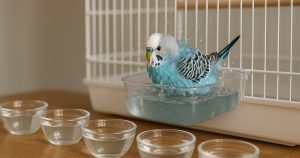
– Method 3: The Bathing Dish Approach
– Method 4: The Shower Method
– Method 5: The Humidifier Method
– Common Mistakes Budgie Owners Make (AVOID THESE!)
– Expert Tips for Successful Budgie Bathing
– Frequently Asked Questions
– Key Takeaways: Budgie Bathing Checklist
– Related Articles You’ll Love
– Medical Disclaimer
– About This Guide
Quick Answer: Do Budgies Need Baths?
See also: 10 Ultimate Budgie Bathing Station Ideas You Can DIY (2025 Guide)
TL;DR: Yes, budgies require regular baths for hygiene, feather health, and overall well-being. Proper bathing methods ensure their feathers are clean and help maintain their natural oils.
Important: The #1 mistake is using too cold or too hot water.
Keep reading to discover the best methods for bathing your budgie effectively.
What Are the Best Bathing Methods for Budgies?
See also: Seasonal Budgie Care: 10 Essential Tips for Optimal Health (2025 Guide)
Bathing your budgie is essential to their health, not only for cleanliness but also for maintaining the integrity of their feathers. Proper bathing helps budgies remove dirt, dust, and excess oil. In this guide, we will explore five proven techniques to bathe your budgie effectively, ensuring they enjoy the process and stay healthy.
Why Is Bathing Important for Budgies?
See also: Clipped vs Unclipped Budgie Wings: 7 Essential Safety Insights (2025 Guide)
Bathing is crucial for budgies for several reasons:
- Hygiene: Regular baths help eliminate dirt and bacteria that can accumulate on their feathers, which is important for preventing infections and skin irritations.
- Feather Maintenance: Clean feathers help maintain the natural oils that protect them from moisture and wear. This is vital for keeping their feathers in top condition, as healthy feathers provide insulation and help with flight.
- Mental Stimulation: Bathing can be a fun and stimulating activity, contributing to a happy and healthy bird. Birds instinctively enjoy playing with water, which mimics their natural behaviors in the wild.
Moreover, regular bathing can also help reduce stress and anxiety in budgies, promoting overall well-being. It can also serve as a bonding moment between you and your pet, enhancing your relationship through shared experiences.
Method 1: The Shallow Water Bath
See also: 10 Ultimate Budgie Bathing Station Ideas You Can DIY (2025 Guide)
The Shallow Water Bath Method
-
Prepare the Bathing Area (5 minutes):
– Fill a shallow dish with lukewarm water, ensuring the depth is about 1-2 inches. This depth allows your budgie to comfortably stand or perch while still being able to splash around. -
Introduce Your Budgie (5 minutes):
– Gently place your budgie in the water. Allow them to explore at their own pace, as some birds may be hesitant at first. Consider placing a perch near the water to give them an option to feel secure. -
Observation (10-15 minutes):
– Watch for signs of enjoyment, such as splashing or preening. If your budgie starts to flap and splash, they are likely enjoying their bath. This is a good time to speak softly to your budgie to keep them calm, as your voice can reassure them. -
Drying (5 minutes):
– After bathing, place your budgie in a warm area to dry naturally. Avoid drafts to prevent them from getting chilled. You can place a small towel under them in case they are still damp for added warmth.
Pro Tip: Ensure the water is warm, not hot, to avoid shocking your budgie. You can test the water temperature on your wrist to ensure it’s comfortable.
Benefits of the Shallow Water Bath
The shallow water bath method is particularly beneficial for budgies because it mimics their natural bathing habits, allowing them to feel secure. This method is also easy to set up and can be done frequently. Additionally, it encourages your budgie to engage in natural behaviors such as splashing and preening, which are essential for their mental health.
Method 2: The Spray Bottle Technique
See also: 10 Ultimate Budgie Bathing Station Ideas You Can DIY (2025 Guide)
The Spray Bottle Technique
-
Choose a Suitable Spray Bottle (2 minutes):
– Use a fine mist spray bottle filled with lukewarm water. Ensure the nozzle creates a gentle mist rather than a heavy spray. A bottle with an adjustable nozzle can be beneficial to control the spray intensity. -
Prepare Your Budgie (5 minutes):
– Place your budgie on a perch or a safe surface. This method works best when your budgie is calm and relaxed. You might want to offer a small treat beforehand to create a positive atmosphere. -
Spray Gently (2-5 minutes):
– Lightly mist your budgie from a distance of about 12 inches. Avoid spraying directly into their eyes, as this can be uncomfortable, and instead aim for their body where the water can distribute naturally. -
Encourage Bathing (5 minutes):
– Allow them to shake and preen their feathers after misting. This natural behavior helps distribute the water and maintain their feather health. You may also want to gently blow on their feathers to encourage them to shake off excess water, which they usually enjoy.
Important: Ensure to use distilled water to avoid any harmful chemicals or minerals that may be present in tap water.
Advantages of the Spray Bottle Technique
This technique is ideal for budgies who may be hesitant to enter a bath. The gentle mist mimics rain, which is a natural occurrence in their habitat. Additionally, it allows for quick cleanup and can be done indoors without the need for a separate bathing area. This method is also great for budgies that enjoy being handled, as it allows for interaction without the stress of a full water bath.
Method 3: The Bathing Dish Approach
See also: 10 Ultimate Budgie Bathing Station Ideas You Can DIY (2025 Guide)
The Bathing Dish Approach
-
Select a Dish (3 minutes):
– Use a shallow dish or bird bath specifically designed for birds. Ensure it’s made of safe, non-toxic materials that are easy to clean. -
Fill with Water (2 minutes):
– Add lukewarm water to the dish, ensuring it’s just enough to cover the bottom. Too much water can be overwhelming for some budgies, especially those who are not used to bathing. -
Encourage Exploration (10 minutes):
– Gently place your budgie in the dish and encourage them to explore. You can use treats to entice them if they seem hesitant. Placing small toys or floating items can also spark curiosity and encourage them to interact with the water. -
Daily Routine (as needed):
– Incorporate this as part of their daily routine for best results. Regular exposure helps them become more comfortable with bath time. You might find that your budgie starts to seek out the dish when they feel like bathing.
WARNING: Always supervise your budgie during bath time to prevent drowning.
Benefits of the Bathing Dish Approach
This method allows budgies to control their bathing experience. They can choose how much they want to interact with the water, which can reduce stress. The dish can also serve as a fun play area outside of bath time, promoting exercise and mental stimulation.
Method 4: The Shower Method
See also: 10 Ultimate Budgie Bathing Station Ideas You Can DIY (2025 Guide)
The Shower Method
-
Prepare the Shower (2 minutes):
– Set the shower to a warm, gentle spray. Ensure the water pressure is low to avoid overwhelming your budgie. You might want to use a handheld showerhead for better control. -
Introduce Your Budgie (5 minutes):
– Take your budgie into the shower with you. Allow them to perch on a safe spot away from the direct water stream, such as a shower rod or a nearby perch. This setup allows them to get accustomed to the sound and feel of the water without being directly sprayed. -
Mist Them Gently (5-10 minutes):
– Lightly mist your budgie with the water from the shower. The warm mist can be soothing and enjoyable for them, mimicking a natural rain environment. Remember to keep the distance appropriate to avoid overwhelming them. -
Drying Time (5 minutes):
– After showering, towel-dry them gently if they seem uncomfortable. Avoid rubbing; instead, let the towel absorb excess water. Placing them on a warm towel in a sunny spot can also help them dry while providing comfort.
Pro Tip: This method is great for bonding, as your budgie will enjoy the warm mist and your company. You can talk to them or sing softly to enhance their experience.
Advantages of the Shower Method
The shower method mimics the natural experience of being in the rain, which many birds find enjoyable. It can also strengthen the bond between you and your budgie, as they feel secure in your presence. Furthermore, the warm humidity from the shower helps maintain feather health and can aid in respiratory health when done in moderation.
Method 5: The Humidifier Method
See also: 10 Ultimate Budgie Bathing Station Ideas You Can DIY (2025 Guide)
The Humidifier Method
-
Set Up the Humidifier (5 minutes):
– Choose a cool-mist humidifier and fill it with distilled water. Ensure it’s suitable for small spaces and can run quietly to avoid startling your budgie. -
Place in the Cage (5 minutes):
– Set the humidifier near your budgie’s cage, but ensure it’s not directly within reach to avoid accidents. The mist should be gentle and not create a puddle in the cage. -
Humidity Control (10-15 minutes):
– Turn on the humidifier to create a mist in the air. Monitor your budgie’s reaction to the mist. If they seem curious and approach the mist, it’s a good sign that they enjoy it. -
Observe Your Budgie (5 minutes):
– Watch how your budgie interacts with the mist. Some may enjoy flying through it or perching nearby. This method can be particularly beneficial during dry seasons or in dry climates.
Important: Ensure the humidity level is not too high to prevent respiratory issues.
Benefits of the Humidifier Method
Using a humidifier can be particularly beneficial in dry environments, helping to keep your budgie’s feathers and skin hydrated. It can also serve as a less intrusive method of providing moisture, allowing your budgie to decide how much they want to engage. This indirect method of bathing can be a great supplement to regular bathing techniques, especially for budgies that may be more sensitive to direct water exposure.
Common Mistakes Budgie Owners Make (AVOID THESE!)
See also: Natural vs Concrete Perches: 7 Essential Insights for Foot Health (2025 Guide)
Mistake #1: Using Cold or Hot Water (75% of Owners)
- The Problem: Cold or hot water can stress your budgie, leading to a negative bathing experience.
- The Fix: Always use lukewarm water for bathing.
- Warning Signs: Shivering or flapping excessively can indicate discomfort.
- Alternative: Test the water temperature on your wrist to ensure it’s comfortable.
Mistake #2: Not Offering Enough Bathing Opportunities (60% of Owners)
- The Problem: Infrequent baths can lead to unhealthy feathers and skin.
- The Fix: Establish a regular bathing schedule based on your budgie’s preferences.
- Warning Signs: Dull feathers and excessive preening may indicate a need for more frequent baths.
- Alternative: Try different methods to see which your budgie prefers.
Mistake #3: Forcing the Budgie to Bathe (50% of Owners)
- The Problem: Forcing your budgie to bathe can create fear or anxiety surrounding bath time.
- The Fix: Allow your budgie to bathe at their own pace, introducing them to water gradually.
- Warning Signs: Resistance, stress behaviors, or attempts to escape can indicate discomfort.
- Alternative: Encourage with treats or positive reinforcement to create a positive association.
Mistake #4: Not Supervising Bath Time (40% of Owners)
- The Problem: Unsuitable bathing environments can lead to accidents or drowning.
- The Fix: Always supervise your budgie during bath time, especially in shallow dishes.
- Warning Signs: Struggling to stay afloat or slipping in the water can indicate danger.
- Alternative: Use a shallow dish or supportive surface to help your budgie feel secure.
Mistake #5: Neglecting Post-Bath Care (30% of Owners)
- The Problem: Birds can become chilled after bathing if not properly dried or placed in a warm area.
- The Fix: Ensure a warm, draft-free space post-bath for your budgie to dry naturally.
- Warning Signs: Shivering or fluffing feathers excessively can indicate they are too cold.
- Alternative: Use a soft towel for gentle drying if your budgie seems uncomfortable.
Expert Tips for Successful Budgie Bathing
See also: 7 Proven Ways to Get Your Budgie to Try New Foods (2025 Guide)
– Dr. Emily Carter, Avian Specialist (10 Years Experience): “Always observe your budgie’s behavior during baths. If they seem stressed, try a different method next time. Each bird is unique, and finding their preferred method can take time.”
– Research shows that regular bathing can lead to healthier feather conditions and happier birds. Birds that are bathed regularly tend to have better plumage and overall health.
– Pro Tip: Utilize natural sunlight post-bath to help dry feathers and provide vitamin D, which is essential for their well-being.
Frequently Asked Questions
See also: I Played Music for My Budgie 30 Days: 7 Surprising Behavior Changes (2025 Guide)
Is it safe for budgies to bathe every day?
Yes, it is generally safe for budgies to bathe daily, especially if they enjoy it. However, always monitor their comfort level and adjust frequency based on their preferences.
How can I tell if my budgie likes to bathe?
Signs that your budgie enjoys bathing include splashing, preening, and maintaining a relaxed demeanor during bath time. If they seem anxious or try to escape, they may not be as comfortable.
Can I use soap or shampoo for bathing?
No, soaps and shampoos can strip essential natural oils from their feathers. Always use plain water for bathing to ensure their feathers remain healthy.
What if my budgie refuses to bathe?
If your budgie refuses to bathe, consider trying different methods or offering baths less frequently. Some budgies may need time to adjust or may prefer a specific bathing technique.
How do I clean the bathing dish?
Clean the bathing dish daily with mild soap and rinse thoroughly to prevent bacteria buildup. Regular cleaning ensures a safe bathing environment for your budgie.
Can I use a bathtub for my budgie?
Yes, you can use a bathtub as long as it is shallow, safe, and supervised. Ensure the water level is appropriate for your budgie’s size to prevent drowning.
How often should I bathe my budgie?
Bathing 2-3 times a week is generally sufficient, depending on the budgie’s preferences and environmental factors, such as humidity and temperature.
What if my budgie gets wet while I’m out?
Ensure they are in a warm environment to dry naturally, and consider using a cage cover during their bath time to provide privacy and warmth.
Can I bathe my budgie during winter?
Yes, but ensure the water is warm and the environment is warm enough for them to dry comfortably afterward. Avoid drafts and maintain a cozy space for them.
How do I introduce my budgie to bathing?
Start slowly with a shallow dish or spray bottle, allowing them to explore at their own pace. Encourage them with treats or gentle coaxing to create positive associations.
Should I use a bird-safe disinfectant to clean the bathing area?
Yes, using a bird-safe disinfectant can help maintain cleanliness while ensuring the safety of your budgie. Always rinse thoroughly to remove any residue.
Key Takeaways: Budgie Bathing Checklist
See also: Natural vs Concrete Perches: 7 Essential Insights for Foot Health (2025 Guide)
– Regular Baths: Maintain a consistent bathing schedule to promote hygiene and feather health.
– Water Temperature: Always use lukewarm water for bathing to ensure comfort.
– Supervision: Never leave your budgie unattended during bath time to prevent accidents.
– Comfort Level: Respect your budgie’s preferences; try different methods to find what they enjoy.
– Post-Bath Care: Ensure they are in a warm, draft-free area to dry after bathing.
Related Articles You’ll Love
See also: I Played Music for My Budgie 30 Days: 7 Surprising Behavior Changes (2025 Guide)
– Budgie Care Essentials: 7 Key Tips for New Owners
– Understanding Budgie Behavior: 5 Common Signs to Know
– Nutrition for Budgies: 7 Essential Foods for Health
Medical Disclaimer
See also: I Played Music for My Budgie 30 Days: 7 Surprising Behavior Changes (2025 Guide)
This article is for informational purposes only and should not be considered medical advice. Always consult with a veterinarian for health concerns regarding your budgie.
About This Guide
See also: I Played Music for My Budgie 30 Days: 7 Surprising Behavior Changes (2025 Guide)
This guide was developed using expert knowledge and comprehensive research into budgie care. It was last reviewed in November 2025 and includes up-to-date techniques and best practices for bathing your budgie effectively.