
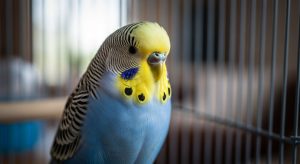
Best Budgie Cage Cover for Sleep: Top 7 Picks for a Restful Night (2026 Guide)
Quick Answer
The JUSNEY Bird Cage Cover (~$16–$22) is our top overall pick for budgie sleep covers in 2026 — it fits most standard cages, blocks light effectively, and comes in breathable fabric that keeps airflow going all night. If you’re on a tight budget, the Prevue Pet Products Cage Cover (~$12–$15) is a solid no-fuss option, while the Kaytee Wild Bird Habitat Cover (~$28–$35) suits larger aviaries. Check the latest prices on Amazon and find the perfect fit for your bird’s cage today.
Getting your budgie a good night’s sleep isn’t optional — it’s essential. Budgies need 10–12 hours of uninterrupted darkness each night to stay healthy, regulate their hormones, and avoid behavioural problems like chronic screaming or feather plucking. Without a proper cage cover, ambient light from TVs, street lights, or phone screens can disrupt their sleep cycle and lead to real health consequences over time.
In this guide, we’ve tested and researched the best budgie cage covers for sleep available in 2026, covering everything from budget buys to premium options — plus a full setup guide, common mistakes to avoid, and honest pros and cons for each product. Whether your budgie’s cage is a compact starter model or a large aviary-style enclosure, there’s a cover here that will work for you.
If you’re also thinking about upgrading your bird’s living space, check out our Best Budgie Cages 2026 guide to make sure your cover will fit properly from the start.
Comparison Table: Best Budgie Cage Covers for Sleep (2026)
| Product | Price (USD) | Best For | Key Feature | Where to Buy |
|---|---|---|---|---|
| JUSNEY Bird Cage Cover | $16–$22 | Most standard budgie cages | Breathable polyester, multiple sizes, double-stitched seams | Check Price on Amazon |
| Prevue Pet Products Cage Cover | $12–$15 | Budget buyers, small cages | Lightweight cotton blend, machine washable, good light block | Check Price on Amazon |
| Kaytee Wild Bird Habitat Cover | $28–$35 | Larger cages and aviaries | Extra-large sizing, reinforced edges, weather-resistant fabric | Check Price on Amazon |
| Ziwi Bird Cage Sleep Cover | $18–$24 | Owners who want blackout coverage | Double-layer dark lining, adjustable drawstring base, easy removal | Check Price on Amazon |
| Trixie Bird Cage Night Cover | $20–$28 | European-style cages, mid-range buyers | Thick cotton, velcro closures, 3 size options | Check Price on Amazon |
| Petzilla Bird Cage Cover | $22–$30 | Owners wanting style + function | Decorative patterns, blackout fabric, easy zipper access | Check Price on Amazon |
| Zerodis Heavy-Duty Bird Cover | $30–$40 | Premium buyers, cold climates | Insulated lining, triple-layer blackout, robust zip closures | Check Price on Amazon |
| Generic Breathable Mesh Bird Cover | $10–$14 | Hot climates, summer use | Mesh sides for airflow, dark top panel, ultra-lightweight | Check Price on Amazon |
Budget, Mid-Range & Premium Picks
Budget Picks ($10–$17): Great Sleep on a Shoestring
You don’t need to spend big to give your budgie a decent night’s sleep. These options do the fundamentals well — blocking light and providing a calm, enclosed feeling — without costing more than a takeaway meal.
- Prevue Pet Products Cage Cover ($12–$15): This is our go-to recommendation for first-time budgie owners. It’s machine washable, made from a cotton blend that breathes well, and blocks ambient light reliably. View on Amazon.
- Generic Breathable Mesh Bird Cover ($10–$14): Ideal if you live somewhere warm or if your budgie tends to overheat at night. The mesh sides let air circulate freely while the dark top panel still cuts out light. Check availability on Amazon.
Best for: New budgie owners, renters, anyone who wants a simple, effective solution without overthinking it.
Mid-Range Picks ($18–$28): The Sweet Spot
Most experienced budgie keepers end up in this price range. Mid-range covers typically offer better sizing options, improved light blocking, and more durable construction that holds up after repeated washing.
- JUSNEY Bird Cage Cover ($16–$22): Our overall top pick. Breathable polyester with double-stitched seams means it won’t fray after a few washes, and it comes in enough sizes to fit most standard budgie cages. Check price on Amazon.
- Ziwi Bird Cage Sleep Cover ($18–$24): The double-layer dark lining is a standout feature. If you live in a city where street lights flood into your room at night, this is the cover you want. The drawstring base also makes it easy to lift one side without disturbing the whole cover. See on Amazon.
- Trixie Bird Cage Night Cover ($20–$28): Known in the bird-keeping community for reliability, Trixie’s cover uses thick cotton and velcro closures rather than zips, making nighttime access quieter and less likely to startle your bird. Buy on Amazon.
Best for: Most budgie owners who want reliable quality and good value long-term.
Premium Picks ($29–$40+): Top-Tier Sleep for Your Bird
If your budgie is a light sleeper, you live in a bright urban environment, or you keep your birds in a cooler room during winter, investing in a premium cover can genuinely make a difference to their wellbeing.
- Zerodis Heavy-Duty Bird Cover ($30–$40): The triple-layer blackout construction and insulated lining make this an excellent choice for winter months or for budgies that wake at the slightest disturbance. The robust zip closures feel solid and won’t accidentally come undone. Check price on Amazon.
- Kaytee Wild Bird Habitat Cover ($28–$35): If you have a larger cage setup — or you’re using an aviary-style enclosure — this is probably the only cover that will actually fit properly without leaving gaps at the sides. View on Amazon.
Best for: Serious bird keepers, cold climates, light-sensitive budgies, and anyone who’s already tried cheaper covers and found them lacking. If you’re also managing temperature during colder months, pair your premium cover with tips from our Budgie Care in Winter guide.
Product Deep Dives
JUSNEY Bird Cage Cover — Best Overall Pick
Who it’s for: The vast majority of budgie owners with standard rectangular or square cages who want a reliable, washable cover at a fair price.
- Material: Breathable polyester with dark inner lining
- Sizes available: Small, Medium, Large — check measurements before buying
- Closure: Gathered elastic hem for a secure, snug fit
- Washable: Yes, machine washable on gentle cycle
- Light blocking: Very good — works well in moderately lit rooms
Price range: $16–$22
- Pros: Excellent value, durable stitching, easy to clean, available in multiple sizes, holds shape after washing
- Cons: Not ideal for very bright rooms or heavy street lighting without an additional curtain; sizing can be tricky for non-standard cages
Ziwi Bird Cage Sleep Cover — Best for City Dwellers
Who it’s for: Budgie owners in cities or light-polluted areas who need true blackout coverage, or anyone whose budgie wakes easily during the night.
- Material: Double-layer blackout fabric
- Closure: Adjustable drawstring at the base
- Feature: One side can be raised independently for checking on your bird
- Light blocking: Excellent — among the best in this price range
- Washable: Hand wash recommended for the double-layer sections
Price range: $18–$24
- Pros: Superior light blocking, practical drawstring design, good for sensitive birds, stylish appearance
- Cons: Hand wash only recommendation makes cleaning slightly more effort; drawstring can loosen over time
Trixie Bird Cage Night Cover — Best for Quiet Access
Who it’s for: Owners who occasionally need to check on their bird at night without causing a startle response — the velcro closures are significantly quieter than zip fasteners.
- Material: Thick cotton — naturally breathable and soft
- Closure: Velcro panels on multiple sides
- Sizes: Three options (small/medium/large)
- Light blocking: Good — cotton weave is denser than thin polyester alternatives
- Washable: Machine washable, quick-dry
Price range: $20–$28
- Pros: Quiet velcro access, natural cotton material, thick fabric, trusted brand in the bird-keeping community
- Cons: Velcro can eventually collect feathers and fluff; slightly more expensive than polyester alternatives at the same size
Petzilla Bird Cage Cover — Best Looking Cover
Who it’s for: Budgie owners who want their bird’s sleep setup to look attractive in a living space — Petzilla offers decorative patterns without sacrificing functionality.
- Material: Blackout fabric with decorative outer layer
- Closure: Easy zipper access on front panel
- Designs: Multiple patterns available (botanical, geometric, solid colours)
- Light blocking: Very good thanks to dedicated inner blackout layer
- Washable: Machine washable
Price range: $22–$30
- Pros: Genuinely attractive, proper blackout lining, zipper access panel is convenient, multiple design options
- Cons: Zipper noise may startle sensitive birds; patterned fabric can fade slightly with repeated washing
Zerodis Heavy-Duty Bird Cover — Best Premium Option
Who it’s for: Owners in colder climates, or anyone who wants the absolute best in light blocking and thermal insulation for their budgie’s sleeping environment.
- Material: Triple-layer construction — outer fabric, insulating mid-layer, inner blackout lining
- Closure: Heavy-duty zip closures on two sides
- Insulation: Provides mild thermal benefit — noticeable in drafty rooms
- Light blocking: Outstanding — genuine blackout performance
- Washable: Machine washable on cold cycle
Price range: $30–$40
- Pros: Best-in-class light blocking, adds mild warmth in winter, extremely durable build, robust zips
- Cons: Higher price point; the extra bulk can make it harder to store during the day; heavier than standard covers
How to Set Up a Budgie Cage Cover for Sleep: Step-by-Step Guide
What You’ll Need
- A correctly sized cage cover — browse options on Amazon
- A measuring tape to confirm your cage dimensions
- A consistent nightly routine (same time each evening)
- Optional: a low-wattage night light for the room if you need visibility
- Optional: a digital cage thermometer to monitor overnight temperature under the cover
- Measure your cage before buying. Measure the width, depth, and height of your cage in inches or centimetres. Most cage cover listings include size charts — don’t guess, because a cover that’s too small will leave light gaps at the base.
- Choose the right cover for your environment. If you live in a bright city flat, go for a double-layer or blackout model. If your room is already quite dark at night, a basic breathable polyester cover will do the job. See blackout covers on Amazon.
- Establish a consistent bedtime. Budgies thrive on routine. Begin covering the cage at the same time every night — ideally between 8pm and 9pm. This signals to your bird that it’s time to wind down.
- Drape the cover smoothly over the cage. Ensure the cover reaches all the way to the base on all sides. Gaps at the bottom or sides allow light to creep in and can wake your bird prematurely.
- Secure the closure. Whether your cover uses an elastic hem, drawstring, velcro, or zip — make sure it’s properly fastened so it won’t slip off during the night if your budgie moves around inside.
- Check cage temperature briefly after covering. Especially important in summer — lift one corner 10 minutes after covering to confirm the cage isn’t warming up too much. You can also use a digital thermometer on Amazon to monitor this passively.
- Remove the cover at the same time each morning. Just as consistency matters at bedtime, a consistent wake-up time helps regulate your budgie’s internal clock. Aim for 7–8am on most days. This is especially relevant during summer months — read more in our Budgie Care in Summer guide.
- Wash the cover regularly. Budgies produce a fine feather dust that can accumulate on covers. Wash the cover every 1–2 weeks using a bird-safe, fragrance-free detergent to prevent irritation. Find bird-safe detergent on Amazon.
Mistakes to Avoid When Using a Budgie Cage Cover
- ❌ Using a cover that’s too small. A cover that doesn’t reach the base of the cage will leave gaps that let light in — defeating the entire purpose. Always measure your cage first and size up if in doubt. Check large cage covers on Amazon.
- ❌ Using non-breathable materials like plastic sheeting. Covering your budgie’s cage with bin bags, plastic wrap, or thick non-porous fabric restricts airflow and can cause dangerous heat and CO2 build-up overnight. Always use covers specifically designed for bird cages.
- ❌ Varying bedtime by more than 30 minutes night to night. Budgies have a strong internal clock. Irregular covering times confuse their circadian rhythm and can lead to hormonal imbalances, chronic screaming, or excessive tiredness. If you’re wondering why your budgie seems lethargic, check our guide on budgies sleeping too much.
- ❌ Leaving the cover on too long in the morning. More than 12 hours of darkness per night can actually suppress your budgie’s immune system and lead to lethargy. Uncover consistently each morning — 10–12 hours of darkness is the sweet spot.
- ❌ Never washing the cover. Accumulated feather dust, dander, and bacteria on an unwashed cover can become a respiratory irritant for your bird. Budget for regular washing — every 1–2 weeks minimum. Interested in air quality? Our Best Budgie Air Purifier guide pairs well with a clean sleep routine.
- ❌ Using a cover with loose threads or fraying edges. Budgies are explorers and can get their toes or beaks tangled in loose threads — especially if they push at the edges of the cover from inside. Check the stitching before use and inspect monthly.
- ❌ Thinking any dark cloth will do the job. Old t-shirts or towels seem like a convenient DIY solution, but they often don’t fit securely, can trap heat, and may contain dyes or fabric softener residues that are harmful to birds. A purpose-built bird cage sleep cover is always the safer choice.
Why Your Budgie’s Sleep Matters More Than You Think
Budgies are prey animals with finely tuned circadian rhythms. In the wild, they follow natural sunrise and sunset cues — sleeping when it’s dark and becoming active at first light. In a home environment, artificial lighting from televisions, phone screens, hallway lights, and streetlamps can confuse this system entirely.
Chronic sleep disruption in budgies is linked to a range of problems including feather destructive behaviour, hormonal imbalances, immune suppression, and heightened aggression. If your budgie has been plucking feathers or showing unusual behaviour, inadequate sleep could be a contributing factor — see our guide on budgie feather loss for more information.
A good cage cover solves the light problem simply and affordably, and most budgies adapt to the covering routine within a few days. Many owners report a noticeable improvement in their bird’s mood and energy levels within one to two weeks of introducing a consistent sleep routine backed by a proper cover.
It’s also worth noting that sleep quality affects vocalisations. Tired, sleep-deprived budgies tend to be noisier and more erratic during the day. If noise is a concern in your household, combining a sleep cover routine with other strategies can help — read our full breakdown in the Are Budgies Noisy Pets guide.
What to Look For in a Budgie Cage Cover: Buying Guide
1. Size and Fit
This is non-negotiable. Measure your cage dimensions and compare them carefully against the product’s listed measurements. A cover that’s 2–3 inches larger than your cage on each side is ideal — it gives enough fabric to drop down to the base without leaving gaps. Browse covers in multiple sizes on Amazon.
2. Fabric and Breathability
The cover must allow adequate air circulation. Look for breathable polyester, cotton, or cotton-blend fabrics. Avoid anything described as “waterproof” or “fully sealed” — these materials restrict airflow dangerously. Mesh-sided covers work well in hot climates.
3. Light Blocking Ability
For most homes, a single-layer dark fabric is sufficient. However, if your room has significant artificial light at night, look for double-layer or explicitly “blackout” covers. See blackout cage covers on Amazon.
4. Closure Type
Elastic hems are the simplest and most common — they grip the base of the cage without fuss. Drawstrings offer adjustability. Velcro is quieter than zips for nighttime access. Zips are durable but can startle birds when opened. Choose based on your priorities.
5. Washability
Machine washable covers are far more practical than hand-wash-only options. Check whether the cover maintains its shape and light-blocking ability after repeated washing — cheaper single-layer covers can fade and thin quickly.
6. Material Safety
Ensure the cover hasn’t been treated with chemical waterproofing agents or has strong dye smells when new. Wash any new cover once before using it on your budgie’s cage for the first time.
Related Guides
- Best Budgie Cages 2026: Complete Buyer’s Guide — Make sure your cover will actually fit by choosing the right cage first.
- Budgie Care in Winter 2026 — Pair a good sleep cover with smart winter warmth strategies.
- Budgie Care in Summer 2026 — Essential reading for hot months when breathability matters most.
- Why Is My Budgie Sleeping So Much? — If your budgie seems unusually tired, here’s what to look for.
- Are Budgies Noisy Pets? — Sleep deprivation contributes to excess noise — find out what else does too.
- Why Is My Budgie Losing Feathers? — Sleep issues can contribute to feather-related problems.
- Best Budgie Air Purifier for Cage Room — Clean air supports better sleep for your bird.
- How Long Do Budgies Live? — Good sleep hygiene is a key factor in budgie longevity.
- Stainless Steel vs Plastic Budgie Cage Guide — Cage material affects which cover will fit and perform best.
Frequently Asked Questions
Do budgies actually need a cage cover at night?
Yes — budgies need 10–12 hours of darkness to maintain a healthy sleep cycle and regulate hormones. Without adequate darkness, they can become stressed, sleep-deprived, and more prone to illness over time. A cage cover is one of the simplest and most affordable ways to ensure they get the rest they need. Find a cover that fits your cage on Amazon.
What size cage cover do I need for a standard budgie cage?
Most standard single budgie cages measure roughly 16–24 inches wide by 14–18 inches deep by 18–24 inches tall. A “small” or “medium” cover in most product ranges will cover this size. Always measure your specific cage and compare against the product’s listed dimensions — don’t assume “standard” means the same thing to every manufacturer.
Can I use a towel or blanket instead of a proper cage cover?
You can in a pinch, but it’s not ideal. Towels and blankets often contain fabric softener residues or dye chemicals that can irritate a budgie’s respiratory system. They also tend not to fit securely, leaving gaps that let light through. A purpose-made breathable bird cage cover is always the safer, more effective choice.
Is it safe to fully cover a budgie cage overnight?
Yes — as long as the cover is made from breathable fabric. Solid plastic sheeting or non-porous materials should never be used. Breathable polyester and cotton covers allow adequate airflow while still blocking light and providing a sense of security. Always check the cage temperature briefly after first covering to make sure it isn’t warming up.
How often should I wash my budgie’s cage cover?
Every 1–2 weeks is ideal. Budgies produce a fine feather dust called “dander” that accumulates on the cover quickly, and this can become a respiratory irritant if allowed to build up. Use a fragrance-free, bird-safe laundry detergent and wash on a gentle cycle. Find bird-safe laundry products on Amazon.
My budgie screams when I put the cover on — what should I do?
This is common with birds that aren’t used to being covered. Start by covering only part of the cage for the first few nights, then gradually increase coverage over a week or two. Keep your movements slow and your voice calm when placing and removing the cover. Most budgies adapt within 7–14 days once they associate the cover with a safe, predictable routine.
Should I leave a gap for ventilation in the cover?
If your cage cover is made from breathable fabric, a gap isn’t necessary — the fabric itself will provide adequate air exchange. However, in very warm climates or during summer months, you may want to fold back the cover slightly on one side to allow extra airflow. Read our Summer Budgie Care guide for more warm-weather tips.
Can a cage cover help reduce my budgie’s night frights?
Yes — a snug, dark cover can significantly reduce the frequency of night frights by eliminating sudden light changes (car headlights, TV flickers, phone notifications) that commonly cause them. The enclosed, den-like feeling also helps many birds feel more secure. If night frights are a frequent problem, consider a blackout-grade cover like the Ziwi Blackout Cover.
Does a cage cover help budgies stay warmer at night?
A standard fabric cover provides a mild insulating effect — enough to reduce draughts from an open window or air conditioning vent. For meaningful warmth in cold conditions, a premium insulated cover like the Zerodis Heavy-Duty Cover is a better choice. Always monitor cage temperature with a thermometer when using heavier covers.
How do I choose between a zip, velcro, or drawstring closure?
Velcro is the quietest and least likely to startle your bird — ideal if you need to access the cage at night. Drawstrings are flexible and fit a wider range of cage shapes. Zips are the most secure and durable but create more noise when operated. Think about how often you’ll need night access and how sensitive your bird is to sudden sounds before deciding. Browse velcro-closure covers on Amazon.
Final Recommendation
For most budgie owners in 2026, the JUSNEY Bird Cage Cover (~$16–$22) offers the best combination of breathability, light-blocking performance, durability, and value. If you’re in a brightly lit urban environment, step up to the Ziwi Blackout Cover (~$18–$24). For cold climates or premium setups, the Zerodis Heavy-Duty Cover (~$30–$40) is worth every penny.
Whatever you choose, the most important thing is consistency — cover at the same time every night, uncover at the same time every morning, and your budgie will quickly settle into a healthy, restful sleep routine that benefits their health, mood, and longevity.