
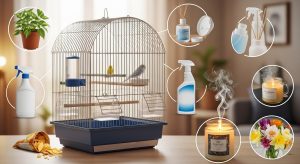
10 Things You Should Never Keep Near Your Budgie’s Cage (A Toxic List for Owners)
You love the cheerful chirps and playful antics of your budgie. That tiny, colorful bird brings so much joy into your home. But here’s a sobering thought: the very air in our homes, the products we use daily, and the items we leave lying around can pose a life-threatening risk to these delicate creatures. Budgies, with their incredibly efficient and sensitive respiratory systems, are far more susceptible to airborne toxins than we are. What might be a pleasant scent to you could be a deadly poison to them.
Creating a safe sanctuary for your feathered friend means being vigilant about their surroundings. It’s not just about providing the right food and toys; it’s about understanding the invisible dangers that lurk in the average household. Many owners, especially new ones, are simply unaware of these common hazards. This guide is here to change that.
We’re going to walk through 10 common household items and environmental factors that you should never have near your budgie’s cage. Think of this as your ultimate safety checklist to ensure your little companion lives a long, healthy, and happy life.
1. Aerosol Sprays (Deodorants, Hairsprays, Air Fresheners)
That quick spritz of hairspray or blast of air freshener seems harmless, but for a budgie, it’s like releasing a chemical cloud directly into their living space. Aerosol products are one of the most common and dangerous household hazards for pet birds.
Why Are They Dangerous?
Aerosol cans work by using propellants to create a fine mist. When you spray these products, tiny chemical particles hang in the air for a long time. A budgie’s respiratory system is designed to extract oxygen from the air with extreme efficiency, which also means it absorbs toxins just as effectively. These particles can coat the inside of their air sacs, leading to severe respiratory distress, pneumonia, or even sudden death.
Key Takeaway: The convenience of an aerosol spray is not worth the risk to your bird’s life. The fumes can travel much farther than you think.
Bird-Safe Alternatives:
- Personal Care: Switch to non-aerosol alternatives like roll-on or solid deodorants, pump-spray hair products, and lotions.
- Air Fresheners: Ditch the canned sprays. Instead, improve air quality by opening windows (with screens, of course!), using an air purifier with a HEPA and carbon filter, or simmering a pot of bird-safe spices like cinnamon and cloves on the stove. This is a core part of keeping your bird’s environment pleasant and safe, much like what’s covered in these tips on making your budgie’s cage smell fresh naturally.
2. Non-Stick Cookware (The PTFE Menace)
This is arguably the most critical and least-known danger to pet birds. The non-stick coating on many pots, pans, and even some appliances (like air fryers, space heaters, and ironing board covers) often contains Polytetrafluoroethylene (PTFE), commonly known by the brand name Teflon.
Why Is It Deadly?
When PTFE is heated to high temperatures (typically above 500°F or 260°C), it begins to break down and release colorless, odorless, and highly toxic fumes. This can happen easily if a pan is left to preheat on high or if food burns. For a budgie, inhaling these fumes causes a condition called PTFE Toxicosis, which leads to fluid buildup in the lungs and rapid death, often within minutes. There is usually no warning.
Protecting Your Flock from Kitchen Fumes:
- Switch Your Cookware: The safest option is to remove all PTFE-coated items from your home. Opt for bird-safe materials like stainless steel, cast iron, ceramic, or glass.
- Ventilate, Ventilate, Ventilate: If you absolutely must use non-stick cookware, ensure your budgie is in a separate room, far from the kitchen, with the door closed. Open all kitchen windows and use an exhaust fan on the highest setting.
- Never Leave Pans Unattended: Overheating is the primary cause of toxic fume release. Always stay in the kitchen when cooking.
3. Scented Products (Candles, Incense, Essential Oil Diffusers)
Creating a relaxing ambiance with scented candles or essential oils is a popular practice, but it’s a major hazard for budgies. Their respiratory systems are simply not designed to handle the particulate matter and volatile organic compounds (VOCs) these products release.
Why Are They Dangerous?
Smoke from candles and incense releases carbon monoxide and soot, which are direct lung irritants. Scented products, including wax melts, plug-in air fresheners, and essential oil diffusers, release VOCs into the air. Many essential oils, such as tea tree, eucalyptus, and peppermint, are directly toxic to birds if inhaled or ingested, potentially causing respiratory failure or neurological damage.
Creating a Fresh, Safe Atmosphere:
- Embrace Natural Scents: If you want to add a pleasant aroma to your home, try simmering a pot of water with citrus peels, cinnamon sticks, or cloves.
- Purify the Air: Invest in a high-quality air purifier designed to remove VOCs and particulates from the air. This benefits both you and your bird.
4. Harsh Cleaning Chemicals
Keeping a clean home is important, but the products you use can release fumes that are incredibly harmful to your budgie. Strong cleaners contain potent chemicals that can cause severe respiratory irritation.
The Fumes You Can’t Always See:
Products to be extremely cautious with include:
- Bleach
- Ammonia-based cleaners (like many window cleaners)
- Oven cleaners
- Strong disinfectants and bathroom cleaners
- Carpet powders and cleaners
The fumes from these products can cause chemical burns to a bird’s delicate respiratory tract, leading to breathing difficulties and potentially fatal consequences. Even the residue left behind can be harmful if your bird comes into contact with it during out-of-cage time.
Safe Cleaning Practices for Bird Owners:
- Choose Bird-Safe Cleaners: Use simple, natural cleaners like a solution of white vinegar and water, baking soda paste, or a steam cleaner.
- Isolate and Ventilate: If you must use a harsh chemical for a deep clean, move your budgie to a completely separate, closed-off room. Open all the windows in the area you are cleaning and allow it to air out completely for several hours before bringing your bird back.
5. Tobacco, Vapes, and Smoke
This should go without saying, but no form of smoking is safe around a budgie. Their sensitivity to airborne particles makes them highly susceptible to the toxins in tobacco and vape products.
More Than Just a Bad Smell:
The dangers are threefold:
- Secondhand Smoke: Direct inhalation of smoke from cigarettes, cigars, or vapes can cause chronic respiratory disease, cancer, and other illnesses in birds.
- Thirdhand Smoke: This is the toxic residue that clings to your hands, clothes, furniture, and walls. When a budgie preens its feathers or walks on a surface after you’ve handled it, it can ingest these toxins.
- Nicotine Poisoning: If a budgie were to ingest a cigarette butt or a drop of e-liquid, the concentrated nicotine could be fatal.
The only safe solution is to have a completely smoke-free home.
6. Toxic Household Plants
Bringing greenery indoors can brighten a space, but many common houseplants are poisonous to budgies. These inquisitive birds love to chew, and a single bite of the wrong plant can lead to severe illness or death.
Deceptively Dangerous Greenery:
A few common toxic plants include:
- Lilies (all parts are highly toxic)
- Poinsettia
- Dieffenbachia (Dumb Cane)
- Philodendron
- Ivy
- Mistletoe
- Avocado Plant
Go Green Safely:
Before bringing any plant into your home, research its toxicity to birds. Thankfully, there are many beautiful and bird-safe options to choose from. For a comprehensive list of bird-friendly options, check out our guide to 10 essential safe plants to keep in a budgie room.
7. Drafty Windows, Doors, and Vents
This hazard isn’t an item, but a location. The placement of your budgie’s cage is critical to their health. Sudden temperature changes and persistent drafts can wreak havoc on their system.
The Unseen Stress of Temperature Swings:
Budgies are native to the warm climate of Australia. They are not built to withstand chilly drafts from open windows, exterior doors, or air conditioning vents. Constant exposure to drafts can chill a budgie, suppress its immune system, and make it more susceptible to respiratory infections and other illnesses.
Strategic Cage Placement:
Position your budgie’s cage in a corner of a room, against a solid wall, away from any direct drafts. The temperature should be stable and comfortable. Proper cage placement is a cornerstone of a healthy environment. For more tips on creating the perfect space, explore our ultimate guide to budgie room setup.
8. Other Household Pets
You may have the most gentle, well-behaved dog or cat, but instinct is a powerful thing. A budgie is a prey animal, and a cat or dog is a predator. Tragedy can strike in an instant.
The Predator-Prey Instinct:
A playful paw swat from a cat can cause fatal internal injuries. Beyond the physical risk, there’s a microscopic danger: bacteria. The saliva of mammals, especially cats, contains bacteria like Pasteurella multocida, which is harmless to them but can cause a deadly infection (septicemia) in a bird from even a minor scratch or bite.
Managing a Multi-Pet Household:
The only safe approach is 100% separation and supervision. Never allow your other pets to interact directly with your budgie. When your budgie is out of its cage, other pets should be securely in another room. Never leave them unattended in the same space, even for a second.
9. Unrelenting Direct Sunlight
Sunlight is vital for budgies; it helps them synthesize Vitamin D3, which is crucial for calcium absorption. However, placing their cage in a spot where it’s blasted by direct sunlight all day without any escape is extremely dangerous.
Too Much of a Good Thing:
A cage can quickly become a greenhouse, causing your budgie to overheat and suffer from heatstroke, which can be fatal. Signs of overheating include panting (breathing with an open beak), holding wings away from the body, and lethargy.
Smart Sun Exposure:
Place the cage where it receives some morning or late afternoon sun, but ensure that at least half of the cage is always in the shade. This allows your budgie to move in and out of the sun as it pleases, regulating its own body temperature.
10. Toxic Human Foods & Drinks
It can be tempting to share a snack with your chirping companion, but many common human foods are toxic to budgies and should never be left near the cage where they might be able to reach them.
Snacks That Can Kill:
This is not an exhaustive list, but these are some of the most dangerous culprits:
- Avocado: Highly toxic to birds, causing respiratory distress and heart failure.
- Chocolate: Contains theobromine, which is poisonous to budgies.
- Caffeine & Alcohol: These cause severe damage to a bird’s organ systems.
- Onions & Garlic: Can cause digestive issues and a type of anemia.
- Xylitol: An artificial sweetener that can cause liver failure.
- High-Salt/High-Fat Foods: Their small bodies cannot process these well.
Keeping Your Budgie’s Diet Clean:
Stick to a diet formulated for budgies: high-quality pellets, fresh vegetables, and a limited amount of seeds and fruits. Avoiding common pitfalls like leaving dangerous foods accessible is crucial. In fact, many well-meaning owners make simple errors without realizing it; you can learn more by reading about the 10 budgie cage mistakes most owners don’t realize they’re making.
Conclusion: Your Budgie’s Life Is In Your Hands
Creating a safe home for your budgie is an active, ongoing process. It requires awareness, diligence, and a willingness to change some of our own habits for their well-being. By keeping these ten hazards in mind, you can protect your feathered friend from the most common household dangers.
Let’s quickly recap what to keep far away from your budgie’s cage:
- Aerosol Sprays
- Non-Stick (PTFE) Cookware
- Scented Products like Candles and Diffusers
- Harsh Cleaning Chemicals
- All Forms of Smoke
- Toxic Household Plants
- Drafty Locations
- Other Household Pets
- Constant, Direct Sunlight
- Harmful Human Foods and Drinks
Your budgie’s world is the environment you create for them. By being mindful of what you bring into that world, you’re not just preventing accidents; you’re providing a true sanctuary where your beloved companion can thrive for years to come.