
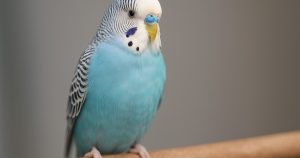
Quick answer: Budgie body language can show comfort, curiosity, fear, illness or stress. Relaxed feathers, gentle chirping and normal preening are usually positive. Fluffed-up stillness, tail bobbing, heavy breathing, sitting low or sudden behaviour change can be warning signs.
Budgie Body Language Checker
Pick the sign you are seeing now. This quick check helps separate relaxed behaviour from warning signs that need closer attention.
Use this guide as a body-language chart to compare common poses, sounds and movements with likely meanings and next steps.
Table of Contents
Quick Answer: Understanding Budgie Body Language
TL;DR: Yes, budgie body language is crucial for understanding their needs and emotions. By observing their poses and movements, you can gauge their health, comfort, and mood. Important: Misinterpreting signs like puffing up can lead to overlooking health issues. Keep reading to learn how to accurately interpret your budgie’s behavior and ensure their well-being.
Why Does My Budgie Bob Its Head?
Head bobbing is a common and often entertaining behavior in budgies. It can indicate excitement or be part of their social interaction, especially when trying to attract attention or communicate with their human companions. Occasionally, head bobbing is a sign of hunger or a request for attention.
The Head Bobbing Method
- Observe Timing: Head bobbing during feeding times usually indicates hunger. If your budgie starts bobbing its head when you approach with food or during its usual feeding schedule, it’s likely asking for a meal.
- Notice Frequency: Frequent bobbing could suggest excitement or social engagement. Budgies might bob their heads rapidly when they are excited to see you or other birds, similar to a greeting gesture.
- Watch for Accompanied Sounds: Chirping during head bobbing often shows happiness. If your budgie is bobbing its head while chirping, it’s likely enjoying itself and trying to engage with you or its environment.
Practical Tips
- Interactive Play: Use head bobbing to initiate playtime. If your budgie starts bobbing its head when you approach, try engaging with it using toys or by talking to it. This can help strengthen your bond and fulfill their social needs.
- Feeding Routine: Incorporate head bobbing into your feeding routine by rewarding your budgie with food when it bobs its head at feeding times. This reinforces positive behavior and helps establish clear communication cues.
How to Interpret Budgie Wing Flapping
Budgies flap their wings for various reasons, from exercise to displaying excitement or frustration. Understanding the context and accompanying behaviors can help you determine the underlying cause.
The Wing Flapping Signals
- Flapping in Cage: Often indicates a need for exercise or stretching. Budgies may flap their wings vigorously while perched to stretch their muscles, especially if they haven’t been out of the cage for a while.
- Accompanied by Vocalizations: Suggests excitement or playfulness. If your budgie flaps its wings while chirping or singing, it’s likely expressing joy or inviting interaction.
- Repeated Flapping Without Movement: May indicate frustration or territorial behavior. If a budgie repeatedly flaps its wings without moving from its perch, it could be signaling dissatisfaction with its current environment or asserting its space.
Practical Tips
- Exercise Opportunities: Ensure your budgie has ample opportunity for exercise outside the cage to prevent frustration from lack of movement. Create a safe space for your budgie to fly and explore regularly.
- Environmental Enrichment: Provide toys and interactive elements within the cage to reduce boredom and the need for wing flapping as a sign of frustration. Rotate these toys frequently to maintain interest and engagement.
What Makes Budgies Puff Up?
Puffing up feathers can mean several things: relaxation, comfort, or an attempt to regulate body temperature. However, it can also indicate illness or discomfort if it happens frequently without a clear reason.
Understanding Puffing Behavior
- Relaxation: Budgies often puff up when resting or comfortable. If your budgie is sitting quietly with puffed-up feathers, it’s likely feeling content and at ease.
- Temperature Regulation: Puffing can help them stay warm. Budgies may puff up their feathers to trap heat, especially in cooler environments. It’s a natural way for them to adjust to temperature changes.
- Health Concerns: Persistent puffiness may warrant a vet visit. If your budgie remains puffed up for extended periods, especially if accompanied by other signs of illness like lethargy or lack of appetite, seek veterinary advice.
Practical Tips
- Monitor Behavior: Keep an eye on how often and when your budgie puffs up. If it’s frequent without an apparent reason, consult with a vet to rule out health issues. Maintaining a journal of these behaviors can help identify patterns.
- Temperature Control: Ensure the room temperature is comfortable for your budgie, avoiding drafts or extreme temperatures that may cause discomfort. A consistent, moderate temperature is ideal for their well-being.
7 Common Budgie Behaviors and Their Meanings
Budgies exhibit a variety of behaviors that, when understood, can significantly enhance your interaction with them.
Behavior Breakdown
- Beak Grinding: Indicates contentment and relaxation. Budgies often grind their beaks as they settle down to sleep, much like a human sigh of satisfaction. It’s a sign they feel safe and secure.
- Tail Wagging: A sign of happiness or readiness to interact. Similar to dogs, budgies may wag their tails when they are happy to see you or after a good preening session.
- Regurgitating Food: A sign of affection, often towards a mate or trusted human. Although it might seem unpleasant, regurgitation is a budgie’s way of showing love. It’s similar to how they would feed a mate or chick in the wild.
- Hanging Upside Down: Demonstrates playfulness and confidence. Budgies that hang upside down are usually comfortable and feel secure in their environment. It indicates a high level of trust.
- Feather Plucking: Can be a sign of stress or boredom. If your budgie is plucking its feathers, it might need more stimulation or a check-up to exclude health issues. Addressing environmental stressors can help alleviate this behavior.
- Hissing: Indicates anger or fear. A hissing budgie is warning you to back off, often due to stress or feeling threatened. It’s important to respect their space when they display this behavior.
- Eye Pinning: Rapid pupil dilation often shows excitement or interest. This can occur during play or when encountering something new and stimulating. It’s a sign of curiosity and engagement.
Practical Tips
- Stress Reduction: For behaviors indicating stress, such as feather plucking or hissing, evaluate your budgie’s environment and routine for potential stressors. Consider adding more toys or rearranging the cage setup to provide new stimuli.
- Affection Training: Encourage affectionate behaviors like regurgitation by gently interacting with your budgie during calm periods, reinforcing trust and bonding. Gradually increase handling while offering treats to build positive associations.
Budgie Communication: Chirps and Tweets Explained
Understanding your budgie’s vocalizations is key to knowing their mood and needs.
Chirp Interpretations
- Soft Chirping: Content and relaxed. This is often heard when a budgie is happily going about its day. It’s a signal of a peaceful state.
- Loud Chirping: Seeking attention or expressing excitement. Budgies may chirp loudly when they want interaction or if something exciting is happening, like a favorite person entering the room.
- Continuous Chirping: May indicate boredom or the need for interaction. If your budgie is chirping incessantly, it might be craving attention or a change in its routine.
Practical Tips
- Interactive Sessions: Respond to your budgie’s vocal cues by interacting with it through play, talking, or offering treats. This can strengthen your bond and reduce feelings of loneliness.
- Routine Variation: Introduce new toys or rearrange the cage setup occasionally to keep your budgie’s environment stimulating. This prevents boredom and encourages exploration.
The Science Behind Budgie Mimicking
Budgies are known for their ability to mimic sounds and human speech, which is not just an amusing trick but also a natural behavior stemming from their need to communicate.
Mimicking Insights
- Why Budgies Mimic: To bond with their owners and integrate into their social environment. Mimicking can be a way for budgies to feel connected to their human family, much like how they would communicate with a flock.
- Best Mimicking Practices: Regular interaction and repetition aid in teaching new sounds. Use clear, simple words or phrases and repeat them consistently. Positive reinforcement with treats can encourage this behavior.
- Common Challenges: Patience is key, as not all birds mimic at the same pace. Some budgies may take longer to pick up sounds, and others may prefer not to mimic despite encouragement.
Practical Tips
- Consistent Training: Dedicate a few minutes daily to mimicry sessions. Use treats and praise to reinforce attempts and successes. This creates a positive learning environment.
- Sound Variety: Introduce a variety of sounds gradually. Start with simple words or phrases and gradually introduce more complex sounds as your budgie becomes more proficient. This keeps the sessions engaging and challenging.
Budgie Body Language: Understanding Tail Movements
Tail movements in budgies can convey a wide range of emotions and physical states.
Tail Movement Cues
- Wagging: Indicates happiness or readiness to engage. A wagging tail is a positive sign that your budgie is content or excited. It often follows a good meal or interaction.
- Fanning: Can signal excitement or agitation. Tail fanning may occur during play or when your budgie feels threatened, so observe the context. It’s often a precursor to flight.
- Drooping: Often a sign of fatigue or illness. If your budgie’s tail is drooping frequently, it may be tired or unwell and should be monitored closely. It’s critical to assess the overall health if this behavior persists.
Practical Tips
- Behavioral Context: Tail movements should be interpreted in conjunction with other behaviors to accurately gauge your budgie’s mood and health. Pay attention to vocalizations and body posture.
- Health Monitoring: If tail drooping is accompanied by other signs of illness, consult a veterinarian promptly. Early intervention can prevent more serious health issues.
How to Respond to Aggressive Budgie Behavior
Aggression in budgies can be due to fear, territorial behavior, or stress. Addressing these behaviors promptly is crucial for maintaining a positive environment.
Managing Aggression
- Identify Triggers: Loud noises or changes in the environment can cause stress. Observe your budgie’s behavior to identify potential triggers and minimize them. Identifying these can help in creating a more peaceful environment.
- Maintain Consistency: Routine helps reduce stress-related aggression. Establish a daily routine to provide stability and predictability for your budgie. Consistency in feeding, play, and rest times can help.
- Provide Enrichment: Toys and interaction can alleviate boredom-induced aggression. Regularly introduce new toys and engage with your budgie to keep its mind stimulated. This can redirect aggressive energy into positive activities.
Practical Tips
- Calm Environment: Create a calm and stable environment to reduce stressors. Consider gentle background music or white noise to soothe your budgie. This can help mask sudden noises that might startle them.
- Gradual Adjustments: When making changes to your budgie’s environment or routine, do so gradually to prevent stress. Sudden changes can be unsettling, so introduce new elements slowly.
Understanding Budgie Sleep Patterns
Budgies require a stable sleep routine to maintain their health and mood.
Sleep Essentials
- Environment: Ensure a quiet and darkened space for uninterrupted sleep. Covering the cage at night can help create a restful environment. It simulates the natural night cycle and signals bedtime.
- Duration: Budgies typically need 10-12 hours of sleep. Ensure your budgie has a consistent sleep schedule to promote well-being. Adequate sleep contributes to their overall health and vitality.
- Signs of Sleep Deprivation: Increased irritation or lethargy can indicate inadequate rest. If your budgie seems grumpy or sluggish, assess its sleep habits and make necessary adjustments.
Practical Tips
- Consistent Bedtime: Establish a consistent bedtime routine to signal your budgie that it’s time to wind down. Routine is comforting and helps them anticipate sleep.
- Noise Management: Minimize loud noises in the evening to help your budgie settle down for sleep. Keeping the environment calm and quiet aids in better rest.
Frequently Asked Questions (care answers)
How can I tell if my budgie is happy?
A happy budgie often chirps softly, wags its tail, and engages in playful behaviors like hanging upside down or mimicking sounds.
What should I do if my budgie is plucking its feathers?
Feather plucking can indicate stress or boredom. Provide more toys, interaction, and a check-up with a vet to rule out medical issues.
Is it safe for my budgie to be out of its cage?
Yes, supervised time outside the cage is beneficial for exercise and mental stimulation. Ensure the area is safe and free from hazards.
How often should I clean my budgie’s cage?
Cleaning the cage weekly, with daily spot cleaning, is recommended to maintain hygiene and prevent disease.
What dietary needs do budgies have?
Budgies require a balanced diet of seeds, pellets, fruits, and vegetables. Fresh water should always be available.
Can I keep multiple budgies together?
Yes, budgies are social creatures and often thrive in pairs or groups, provided they have enough space and resources.
How do I train my budgie to talk?
Start with simple words or phrases, use repetition, and reward with treats. Consistency and patience are key.
Why does my budgie hiss at me?
Hissing can indicate fear, aggression, or territorial behavior. Identify and remove stressors, and approach calmly.
How can I tell if my budgie is sick?
Signs of illness include changes in behavior, appetite, or droppings, lethargy, and puffed-up feathers. Consult a vet if you notice these.
What toys are best for budgies?
Opt for toys that encourage mental and physical activity, such as swings, mirrors, and chew toys. Rotate them regularly to maintain interest.
How do I introduce a new budgie to my current one?
Introduce them gradually in separate cages, allowing them to see and hear each other before supervised interactions.
What is the best way to bond with my budgie?
Spend time talking, playing, and gently handling your budgie daily to build trust and strengthen your bond.
Related Articles You’ll Love
- “Budgie Care 101: 10 Proven Tips for Beginners”
- “Parrot vs Budgie: 5 Key Differences You Should Know”
- “How to Create the Perfect Budgie Habitat”
- “7 Healthiest Foods for Your Budgie”
- “Understanding Bird Body Language: A Comprehensive Guide”
Medical/Expert Disclaimer
This guide is for informational purposes only and should not replace professional veterinary advice. Always consult with a qualified veterinarian for any concerns about your pet’s health or behavior.
About This Guide
This guide was created based on expert review and current research as of November 2025. It includes evidence-based information to assist budgie owners in understanding and caring for their pets. For further information or questions, please contact our team of avian care sources.
By understanding and responding to your budgie’s body language, you can ensure a happy and healthy environment for your feathered friend. Whether you’re a new owner or an experienced caregiver, this guide aims to deepen your connection with your budgie, enhancing the joy they bring to your life.
Recommended Products
- Living World – Millet Spray for Birds, 3.5 Oz – Premium Treat for Budgies, Canaries, Finches, Cockatiels and Other Pet Birds
- Wild Harvest Daily Blend Nutrition Diet Parakeet, Canary And Finch, Bird Food, 5 Pounds
- Kaytee Fiesta Parakeet Food, Nutritious and Fun Blend, Supports Skin, Feather, Digestion, Brain and Heart Health, 2 pounds
- Penn-Plax Bird-Life 2-in-1 E-Cuttlebone & Mineral Block – Banana & Berry Flavor – Great for All Birds – 2 Pack
- Hari Mineral Block for Birds with Dried Vegetables, Calcium Supplement Bird Treat
- Swing Hanging Standing Chewing Toy Hammock Climbing Ladder, Cage Colorful Toys Suitable for Budgerigar, Parakeet, Conure, Cockatiel, Mynah, Love Birds, Finches
- Bird Perches Cage Toys Parrot Wooden Platform Play Gyms Exercise Stands with Acrylic Wood Swing Ferris Wheel Chewing for Animals Green Cheeks, Baby Lovebird, Chinchilla, Hamster Budgie
- Bird Perch Bird Toys Parakeet Toys,Bird Cage Accessories Wooden Chew Toys Perch Stand for Parrot Conure Cockatiel Lovebird Parrotlet Budgie Finches and Other Small to Medium Sized Birds